

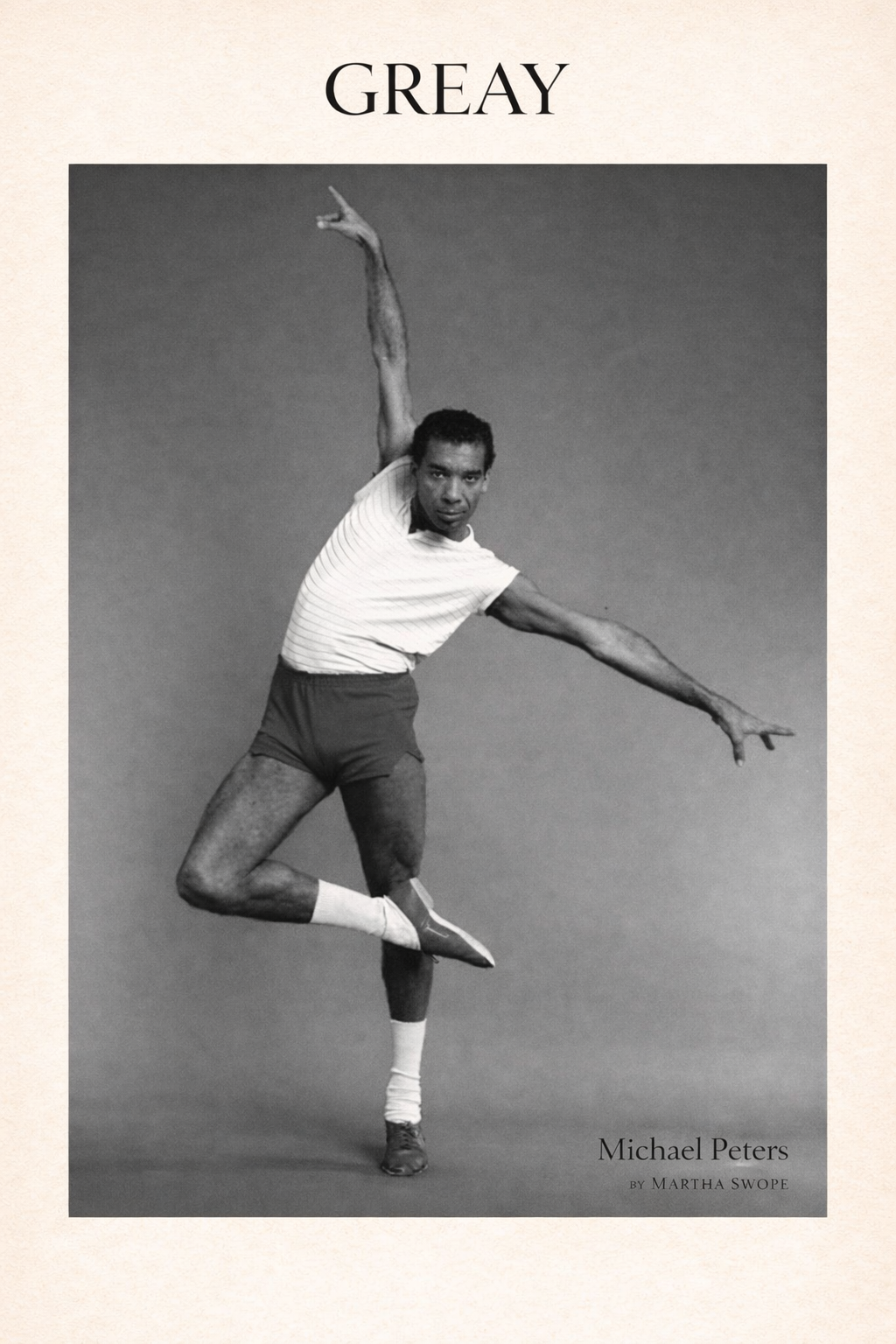
Michael Peters Built What Still Moves
By Kyra Greene
Michael Peters Built Thriller and Won a Tony for Dreamgirls. That’s Not Range. That’s Authority.
We have a habit of reducing greatness to a list.
Credits. Awards. Milestones arranged to feel impressive but ultimately flatten the truth. Architecture becomes résumé. Systems become bullet points.
But Michael Peters does not live inside a list.
Because when you say he choreographed Thriller, you’re not naming a role—you’re naming a permanent shift in how movement exists on camera. And when you say he won a Tony Award for Dreamgirls, you’re not marking recognition—you’re pointing to a system that held, night after night, inside one of the most unforgiving environments in culture.
These are not parallel achievements.
They are proof of authorship across environments that almost never overlap.
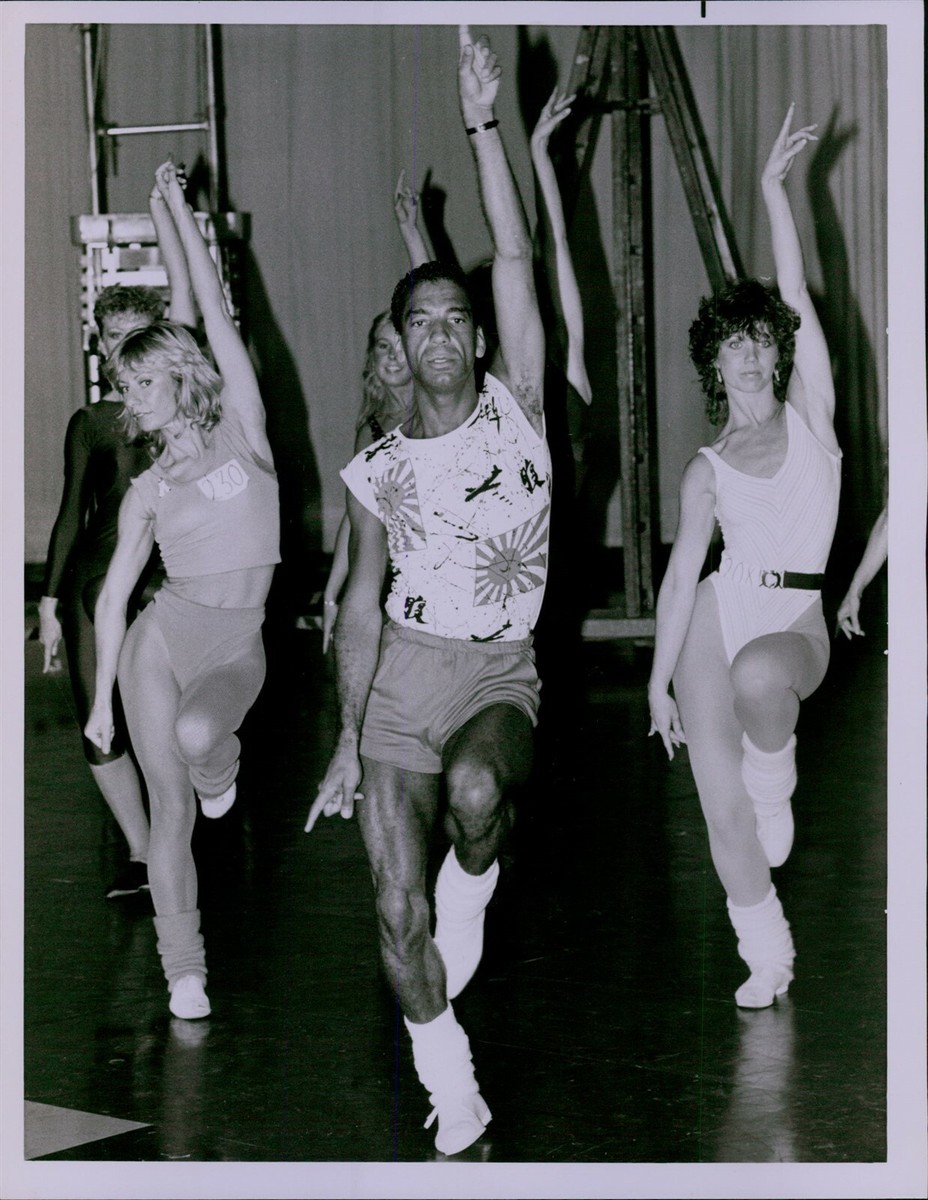
Thriller is not just iconic—it is among the most widely replicated pieces of choreography ever created. Not because it can be measured, but because it continues to be learned, performed, and repeated across generations.
That level of clarity is not instinct.
It is design.
Peters understood something most choreographers did not articulate:
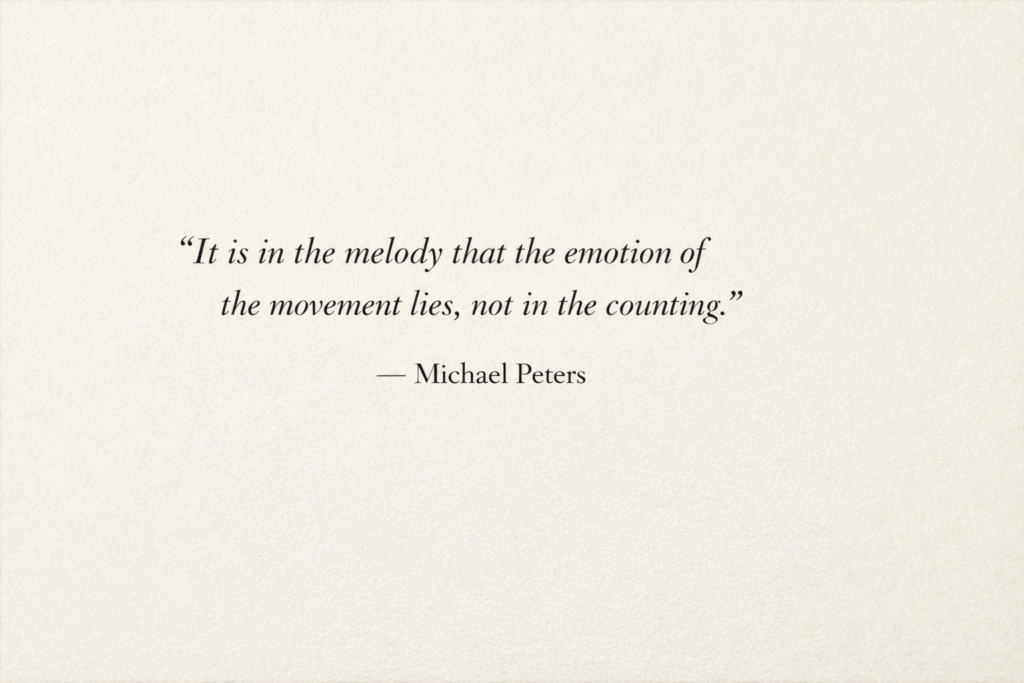
“It is in the melody that the emotion of the movement lies, not in the counting.”
That is not a technique note.
That is a system.
It explains why his work holds—across bodies, across decades, across mediums. He wasn’t building sequences. He was building movement that could attach itself to music at a structural level.
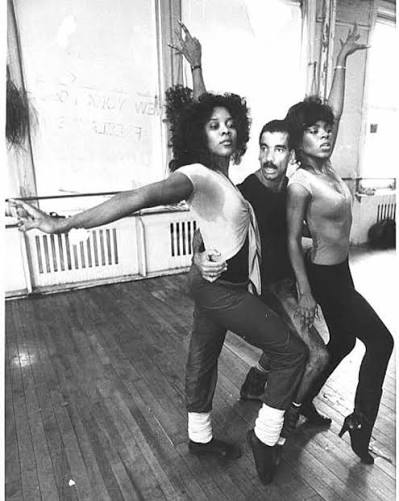
On Broadway, the equation changes. There is no camera to compress the image. No edit to refine timing. The system must function live—across distance, across scale, across inconsistency—and still land with precision.
Dreamgirls held because it was built to hold.
That is why the Tony matters—not as validation, but as evidence. Evidence that the same mind that could construct movement for global broadcast could also construct for institutional performance. That the system did not depend on medium.
It adapted.
And that is where the conversation shifts—from talent to authority.
Because talent performs within conditions.
Authority designs them.
Even Leader of the Pack fits inside this logic—not as an outlier, but as confirmation. Direction is not separate from choreography here. It is the same discipline extended outward: control the frame, control the bodies within it, control how the audience receives it.
This is not versatility.
This is systems control.
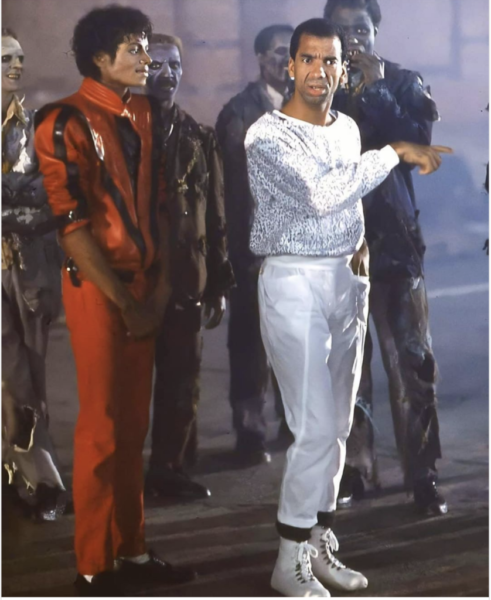
And inside Thriller, that authorship was not abstract—it was recognized in real time. As Michael Jackson put it:
“Michael Peters is the one who really put the whole thing together.”
That does not read like credit.
It reads like attribution.
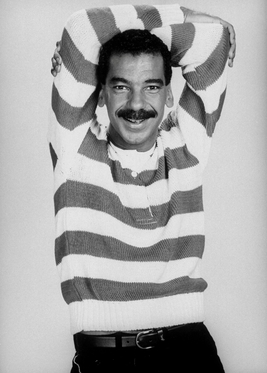
We celebrate Thriller because we recognize it instantly. We celebrate Dreamgirls because of its place in theater history. But we rarely stop to acknowledge what it means for one person to sit behind both—to design for the camera and the stage, for repetition and for ritual, for global distribution and nightly performance.
That is not common.
That is not even rare.
That is structural.
And the reason it often goes unacknowledged is simple: when something becomes standard, it disappears. When a system works perfectly, it feels natural. When movement becomes language, we stop asking who wrote it.
Michael Peters wrote it.
Not alone, not in isolation—but with a level of clarity that allowed it to scale beyond him. Beyond the original performers. Beyond the moment.
A résumé tells you what someone did.
This tells you what still exists because of them.
Thriller is still being learned.
Dreamgirls is still being staged.
The system is still active.
And that is the only acknowledgment that actually matters.
Related Posts

Cody Christian: From Small-Town Roots to Hollywood Stardom, A Journey of Resilience and Authenticity
No one puts Cody in a corner .

Amethyst Davis Brings Mary Jane Richards to Life in The Gray House
Invisibility as Power

All American, All Heart: Michael Evans Behling’s Rise
Beyond the Game, Beyond the Screen
Troy Taylor A Standard , Not a Moment
By Kyra Greene Troy Taylor has been a constant force in modern R&B

Chosen to Lead: Paras Patel on Faith, Representation, and Season 5’s Emotional Journey
Charting New Territory

Alexandra Breckenridge Craft, Courage, and the Characters That Changed Everything
The Vulnerability That Moves Millions
POST COMMENT