

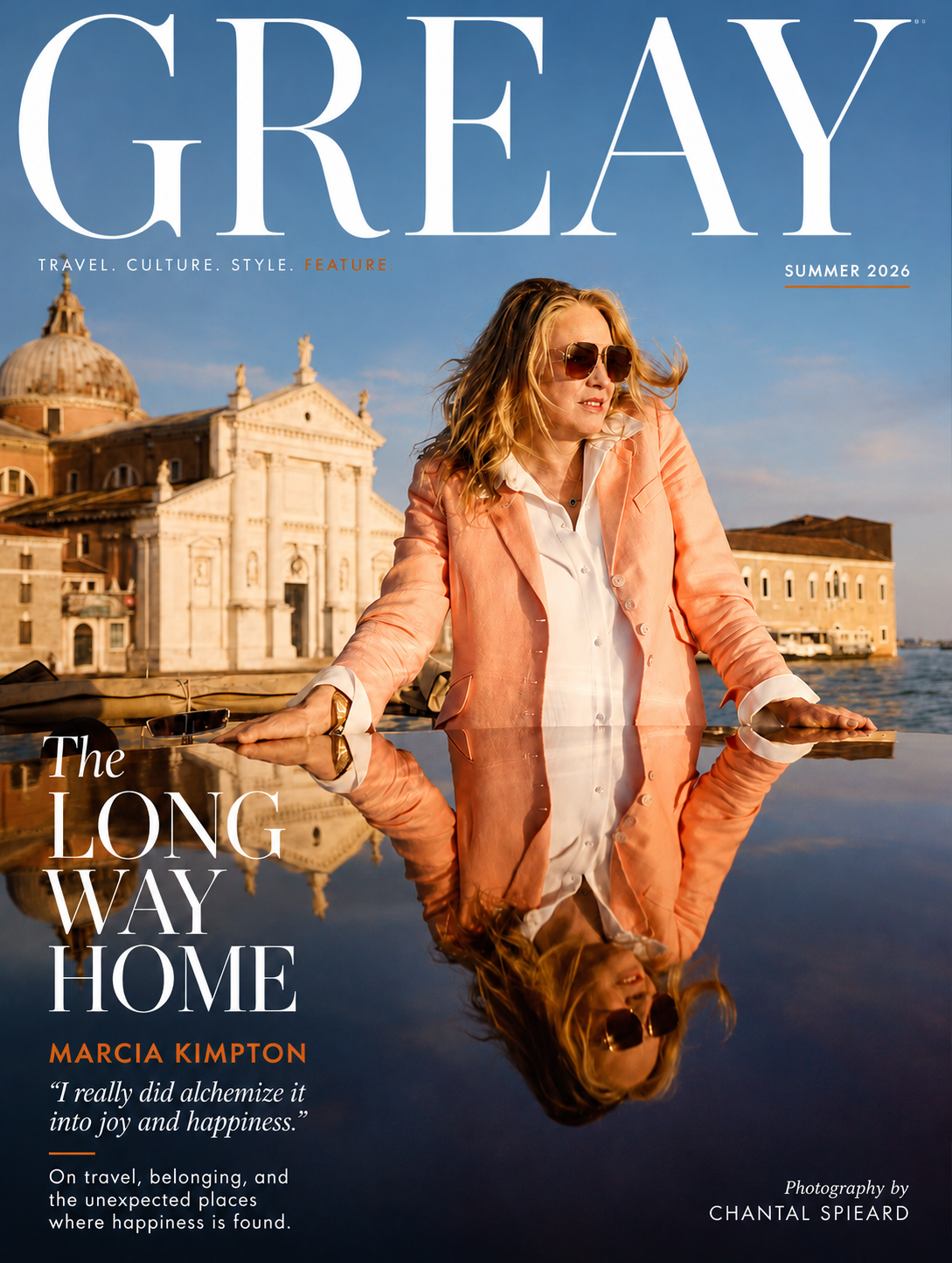
Marcia Kimpton and the Art of Becoming
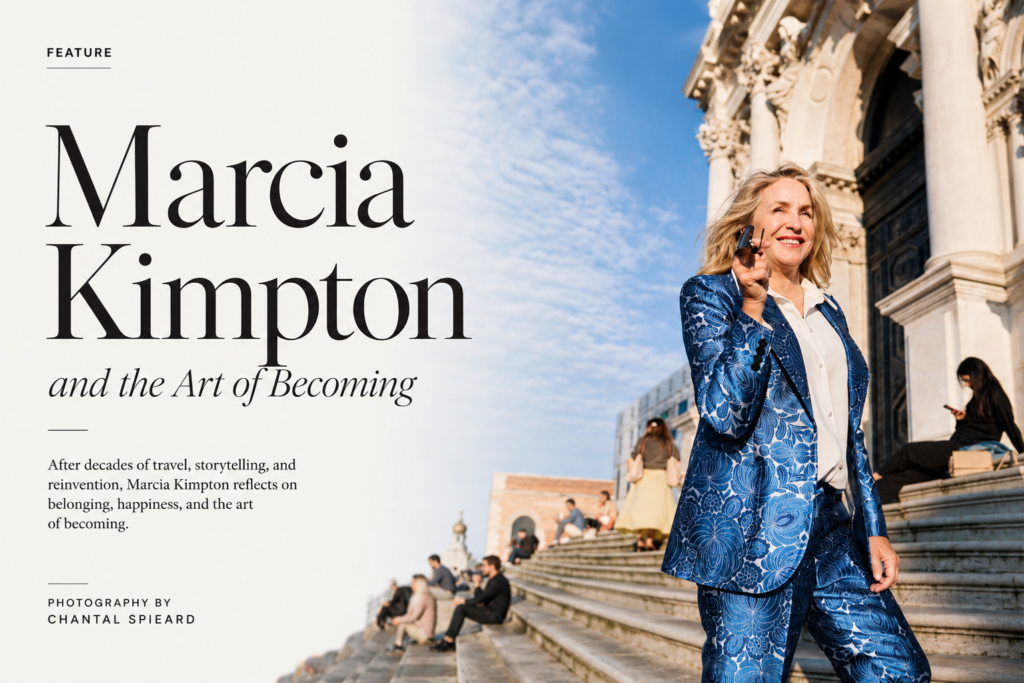
By Kyra Green
Some people travel to see the world. Others travel to understand themselves. Over the course of a life that has taken her across more than fifty countries, Marcia Kimpton has done both. A filmmaker, writer, and storyteller whose curiosity has carried her from one culture to the next, Kimpton has spent decades collecting experiences, conversations, and perspectives that would eventually shape not only her work, but her understanding of happiness itself. What emerges from her story is not simply a love of travel, but a deeper reflection on belonging, reinvention, and the quiet realization that becoming the person you are meant to be is often a journey measured not in miles, but in meaning.
- Your father, Bill Kimpton, helped pioneer the luxury boutique hotel experience before it became a global standard. Growing up around that world, what did you understand about hospitality that most people still miss today?
I think what my father did was create not only beautiful boutique hotels that were affordable at a time when no one else was doing it in the early 80’s but he also hired people that made you feel at home at the hotel. Before creating his hotel company, he traveled extensively in the financial world and often felt very alone. Because of that, he hired hotel staff who genuinely welcomed guests, and he created the wine hour so that people traveling alone could meet others at the hotel.
Today, people are still very isolated because of their phones and busy lives. While most hotels now offer great design and comfort, many are still missing that deeper sense of belonging. That, I believe, just as my father believed, is what should happen when you stay at a hotel. The hotel staff is happy you chose their hotel above all the other choices and is happy to make you feel at home. They fill the void that is deep within all of us for a temporary moment.
- You’ve traveled to more than 42 countries and experienced everything from ultra luxury properties to deeply local spaces. At this point in your life, what actually makes a place memorable for you emotionally—not just aesthetically?
Great question. I have traveled to 56 countries and as I write this I am currently staying at the Park Hyatt in Zanzibar. This Hyatt truly is one of the best Hyatts I have ever been to because of the friendly staff, the view of the ocean and the design of the hotel. It’s right in the heart of Stones Town, which is a Unesco world heritage site and it’s a fascinating town that mixes Swahili, Arab, Persian, Indian and European influences. Aesthetically, Zanzibar was unlike any place I have ever been. But emotionally, what made it truly special was my guide, who led me through the city, shared its history, introduced me to its art, and then dropped me off at a rooftop restaurant filled with local indigenous musicians. I think a place like Bhutan has all these elements of architecture, traditional dress, grand stunning temples that stand out as one of my favorite countries in the world but it really was the feeling of peace I felt from the fully Buddhist country that left me different then any other country I have ever visited.
- After all the countries, hotels, premieres, and experiences, what’s one ordinary moment while traveling that has stayed with you longer than anything luxurious ever could?
I love meeting artists because, as an artist myself, I deeply appreciate art and understand the struggle of staying true to your creative vision. Meeting Rajesh Soni from Udaipur, India @rajeshoniudiapur was one of the most beautiful moments in my life. His father was an artist, and he grew up around art, becoming a one-of-a-kind, humble, extraordinary artist who photographs you or any subject and then paints over it. He is mind-blowingly great and affordable, conserving his brilliant skills. He took my film crew and me around Udaipur to the special spots and then gifted me the most amazing photograph of me on his old legendary motorcycle. I hope everyone goes to the magical, stunning town of Udaipur, India and meets the local artist Rajesh.
- As someone born into a recognizable hospitality legacy, how have you worked to define your own identity outside of inherited perception?
My dad was in finance until I was 20 years old and he moved from Chicago, where I grew up, to San Francisco in 1969 so it wasn’t until Kimpton Hotels was formed in my 20’a that I watched my father transform the hotel industry. My own identity is that I traveled to many more countries than my father and extensively to Asia and Africa so as much as I enjoy luxury, I enjoy adventure more. I like seeing places like Laos before it becomes a trendy place to see. I am late in getting to Zanzibar but it is still very authentic and not overrun with tourists. I find it more difficult now to find beautiful places that are not crammed with so many tourists, as it changes the experience, unfortunately. I went to Madagascar at 25 years old when no one was going and they only had one hotel so that is an adventure my father would have never done in his lifetime.
- Your film An American Abroad feels playful on the surface, but underneath it explores loneliness, identity, and the performance of modern travel culture. What truths were you trying to quietly embed inside the comedy?
What a profound question that no one has asked me. This movie is all me and every word I wrote based on my life but the co-writer is Brian Gross, who played my boyfriend Arnold and thanks to him it has a comedic rhythm otherwise it could have been a documentary. I tell everyone I had to memorize every line and I am an actress in it but it really is about my life from the joy to the loneliness of being single many years after my divorce. I love to travel and because I was single for so many years I learned in the beginning to travel alone which felt lonely and now I don’t even think about it and rarely feel alone. The difference is outside of the greatest high I get in seeing and meeting new cultures, I have learned to have such a deep connection with God that the loneliness has been filled up with the divine. I wrote a movie about wanting to be the female Anthony Bourdain and created a travel series out of this love for travel. Then I take real-life situations of dating and create a fictional boyfriend. I expose everything in my life in this movie except I do stand in lines and the character “Marcia” I created for the movie doesn’t stand in lines just to be funny for a comedic skit.
- You’ve moved between worlds—travel, filmmaking, writing, wellness, comedy, and storytelling. Do you see these as separate careers, or do they all connect back to one larger personal mission?
They are absolutely my personal mission. Bottom line is if I don’t do yoga and meditation, I am not as happy in my life, and the struggle is finding the time and the place to do it, traveling. I love writing all the time about what I am seeing and either it will go into a new screenplay such as what happened yesterday when I read about the beautiful Arabic princess that lived here in the late 1800’s escaped Zanzibar or its a funny skit for the sequel to An American Abroad where I stop and pray for the loud motorcycle bikers who ruin the streets of Amsterdam and I stop so much my fictional boyfriend Arnold finally goes ahead to dinner or find another idea for my “Happiness Memoir” course online that will help you write better stories for your memoir and thus find more happiness. I wrote my memoir ESCAPING THE HOLLYWOOD BARDO to inspire women filmmakers to never give up since I didn’t and then I realized my entire life transformed into more joy and happiness once I wrote my story and alchemized all the heartache that happens in everyone’s life. Bottom line, traveling the world inspires me unlike anything else, and thus I find myself writing all different stories for all different aspects of my life I want to share. I have 4 screenplays I want to make into films in different locations around the world because those places are what created and inspired the story. Our life is a movie so it all intertwines if you observe your life like a story you are co- creating at any moment for both the good and the bad.
- In an era where social media often turns travel into performance, what do you think people are truly searching for when they book a trip now?
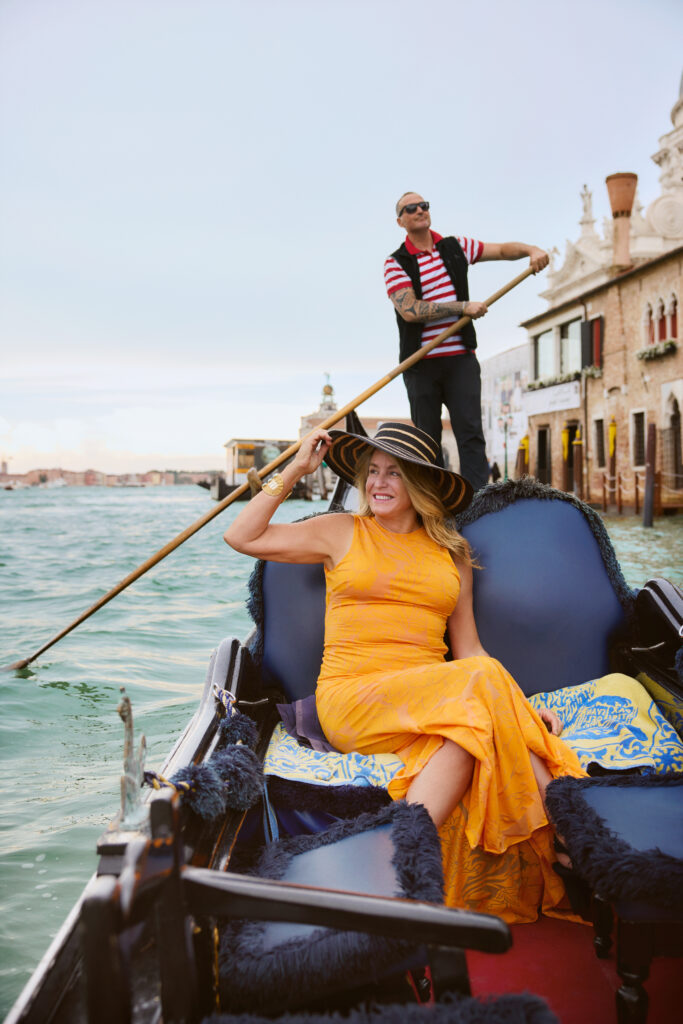
They are looking for a place that others haven’t discovered so even if there are a lot of tourists like Kyoto, I discovered the rock garden when it opened at 8 am and there were so few people there last December. They are also looking for connections so I highly suggest never skipping on hiring the local guide for a half a day who can recommend their favorite places in the city or town and he/she drops you off at his favorite restaurant. That is a connection and unique.
- Your memoir, Escaping the Hollywood Bardo, deals with grief, mental health, and self-reflection in a very open way. Was there a moment during the writing process where you realized the book was changing you while you were writing it?
Writing the book was so difficult for me personally because I didn’t know how much sadness I still had stored in parts of myself I hadn’t discovered yet. The real life stories came out pretty fast but editing and making it a better book, despite having a professional editor, was the hardest creative, artistic project I have ever done in my life. It wasn’t until when it was done that I realized my entire life had changed and that is why today I have the “Happiness Memoir” course. If everyone knew just by writing your life story, regardless if you put it up on Amazon to sell or not, will change your life and make you happier, why wouldn’t you do it? I had no idea until I was done with the second edition and now I have a third edition that my life truly transformed by writing the memoir. I released a lot of the heartache by seeing it clearly, accepting it was the perfect journey in finding my true self and most importantly alchemizing the sadness, grief and unrealized dreams into gratitude for the lessons learned in accepting my life just for what it is now in the present moment. Granted I have had an amazing life so I am not complaining but I have had some real life tragedies, like most of us, but I am no longer sad or depressed. I really did alchemize it into joy and happiness. It took years, but now if a bad thing happens, I transition into acceptance without resistance much faster and find the gratitude immediately.
- You’ve spoken about happiness not as fantasy, but as something people actively have to work toward. What does happiness look like for you now compared to ten years ago?
Happiness 10 years ago is dramatically different. I do think producing 6 films, 2 of which are on Amazon and Tubi, did give me a sense of peace. Bardo Blues, a mystery drama and An American Abroad, a romantic comedy, are still not listed in the top 10 movies like I dreamed they would but I am so proud of my directing, writing and acting that as much as I dreamed they would be top 10 in the world, I have so much happiness in just achieving the dream of finding these two films. As I mentioned earlier, I don’t have resistance to what is happening in the world and with me because even in the darkness, which bothers me, I so believe in God more than I did 10 years ago. I always believed in God but my faith and surrender is so much deeper and thus peace comes with knowing everything will work out for the better and I will learn the lessons I need to learn even if they can be painful. No one’s life is perfect even if I know I am so lucky to have this life but it’s about navigating it with love and sharing that joy with others every minute of the day. Anger and resentment breeds anger and resentment but love only breeds more love. Sounds so cliche but it’s true. That’s the big difference in 10 years, I really try to stay in the practice of being loving.
- Your aesthetic world feels very cinematic—luxury boutique hotels, layered interiors, global movement, romance, humor. When you walk into a room or city, what details instantly tell you whether a space has soul?
Fascinating question. I think a space has soul if it is artistically designed with passion. I can tell right away, regardless of the hotel or restaurant’s design budget, if they are original and their heart went into designing the place. I love it when places have the art of locals on the wall. This is an immediate sign for me that it isn’t generic and the place is supporting the art of locals. I also think lighting is key. If you see original lamps and no LED ugly lighting, you know right away someone knows true style and design.
- You’re currently developing a sequel to An American Abroad set in Japan. What draws you creatively to Japan specifically, and how do you think that environment will shift the emotional tone of the story?
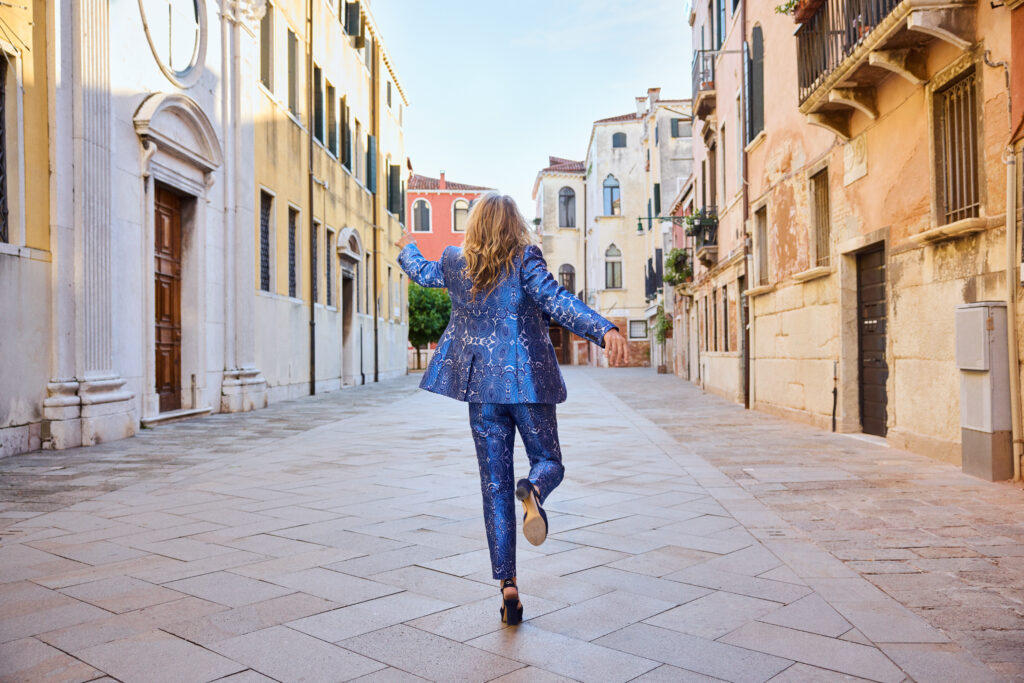
I have been to Tokyo 5 times and love it so much. Kyoto twice and Mount Fuji once. I love everything about Japan. The culture, the respect, the organization, the food, the design, and the peace I feel there even in Tokyo which has 14 million people. It will truly be the best backdrop to the sequel because Japan has so many different, unique and beautiful places to film.
- GREAY often explores the idea that people are more complex than the public versions created around them. When people hear the name Marcia Kimpton, what’s the biggest misconception you hope this chapter of your life corrects?
I didn’t always have money and struggled for years to make money as an artist. It took me 8 years to get on TV as an entertainment reporter when I wanted to be one at 24 years old, not 32 years old and then my dream of my own late night show was shattered when I was pulled off the air at 38 years old in San Francisco. So the dream rock n roll travel show is still a dream that I am not giving up on but like I said earlier every struggle leads to something better and because my dream was shattered I learned to be a filmmaker and I can do every part of the film to make it except hold the camera so the misconception that things have come easy to me is not the truth but I am grateful for everything I have gotten in my life and I am especially grateful I can and have traveled the world.
For Marcia Kimpton, the destination was never a place on a map. It was the person she would become along the way. Through decades of travel, storytelling, creative exploration, and personal reinvention, she has learned that happiness is rarely found in arrival alone. It is discovered in curiosity, connection, resilience, and the willingness to remain open to what comes next. The world may have given her extraordinary experiences, but the most meaningful journey has always been inward. And perhaps that is the art of becoming—not reaching a final version of yourself, but continuing to grow, wonder, and embrace each new chapter with gratitude.
Photos By Chantal Spieard
Related Posts

Chris Brown Is the Platform Now
Streaming Isn’t the Starting Point Anymore
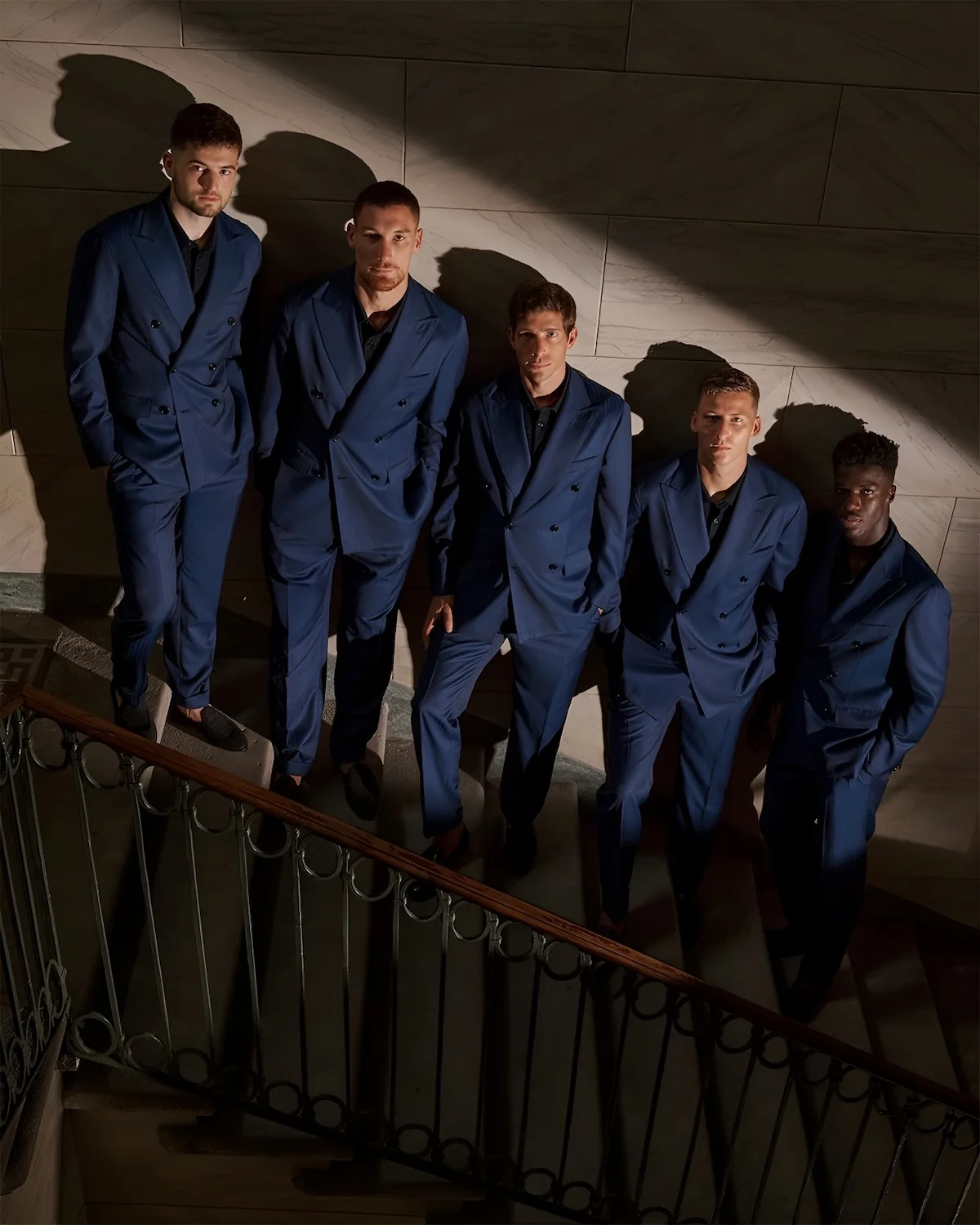
Brioni Makes Its Soccer Debut with Como 1907 Partnership — A Historic Moment for Italian Luxury and Football Culture
From Sartorial Elegance to the Stadium:
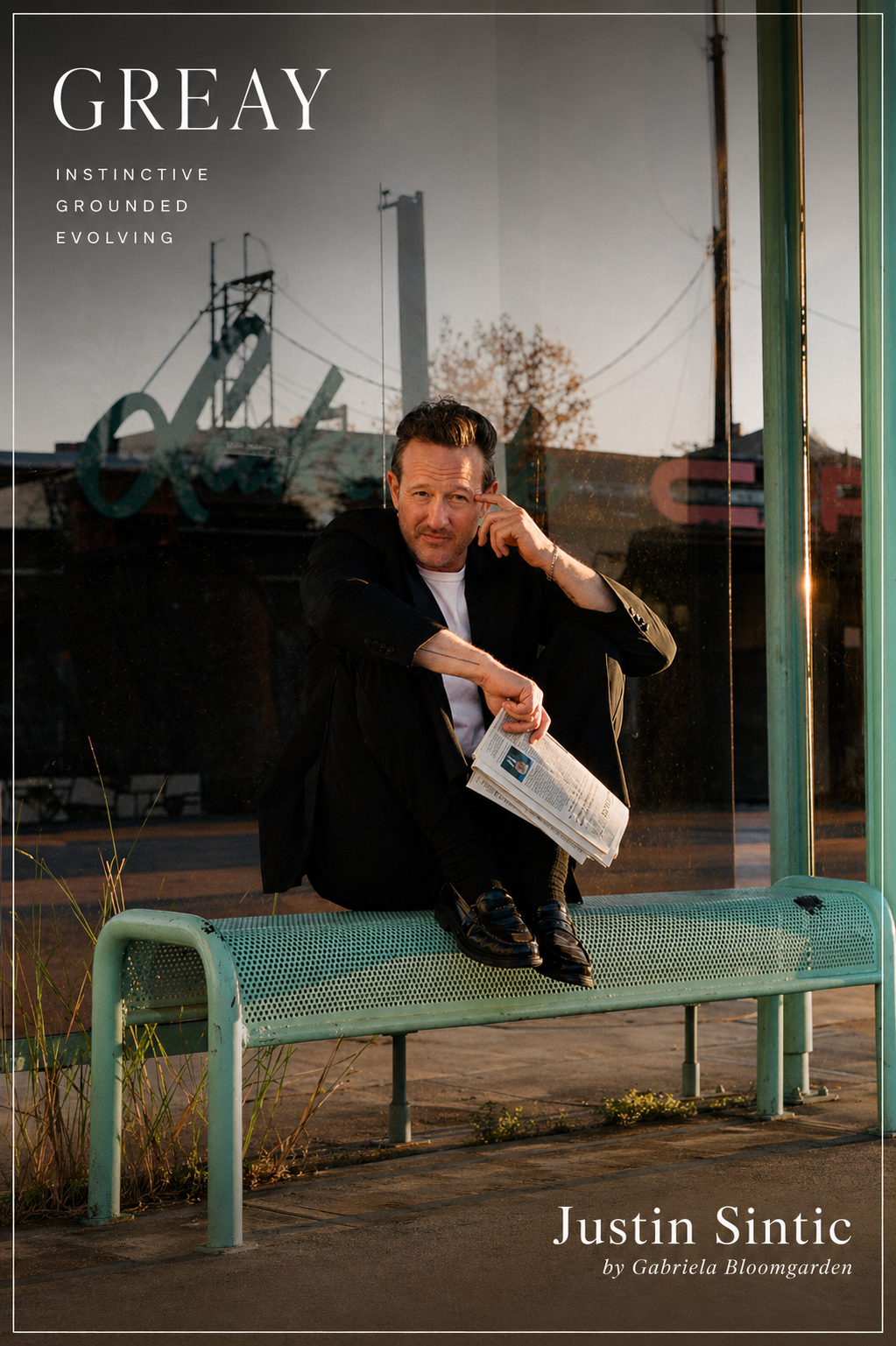
Justin Sintic Stays Present While the World Speeds Up
You Don’t Force the Moment. You Meet It
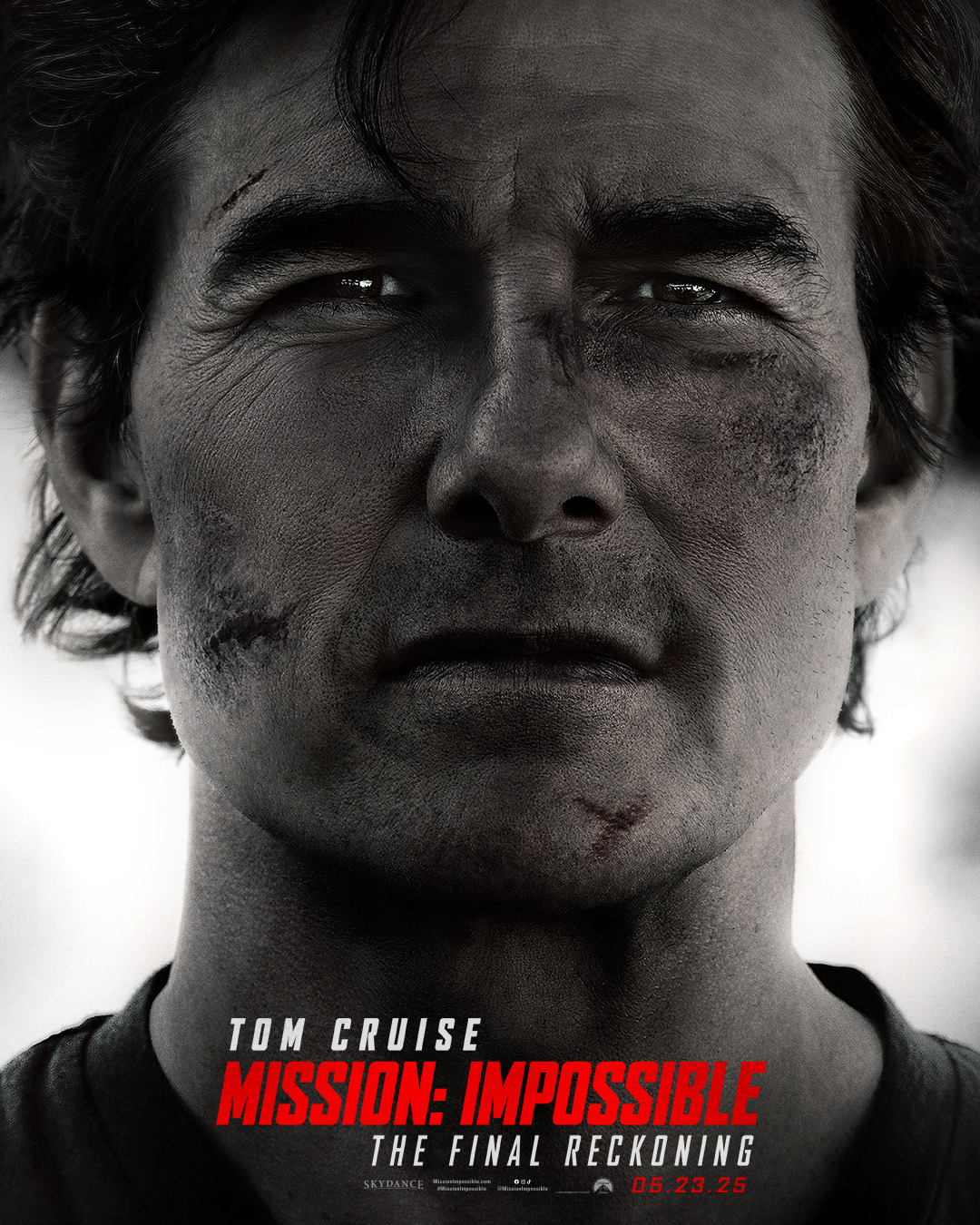
Cruise Control: Mission: Impossible – The Final Reckoning Ignites IMAX Screens This May
One Last Ride: Cruise Unleashes Mayhem in Mission: Impossible Finale.

AMC’s Best Quarter in Its History Suggests the Future of Theatrical Exhibition Is More Resilient Than Many Predicted
The Reinvention of Moviegoing

Salomon’s Paris Hub Signals a New Era for Performance-Led Lifestyle
From Trail to City