

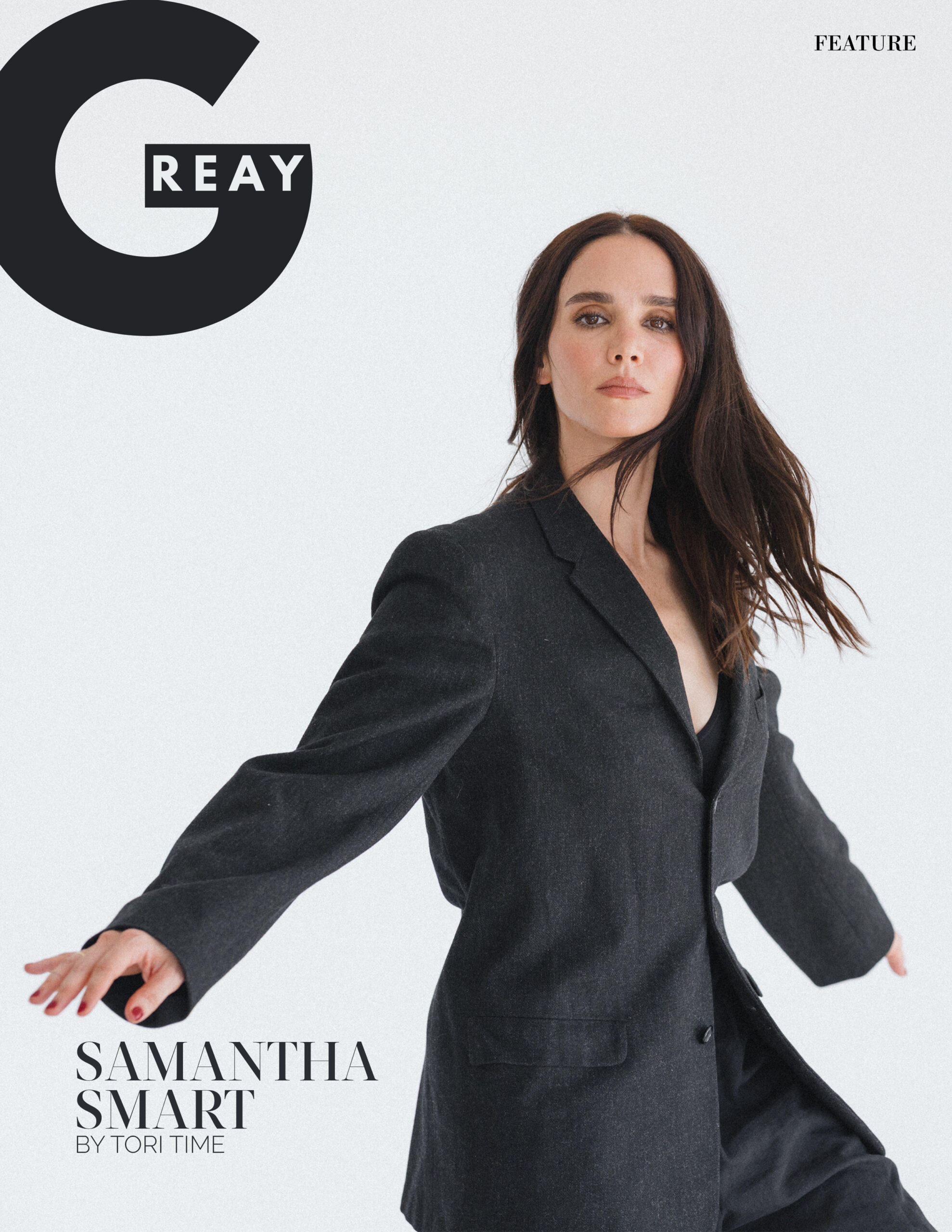
Inside CharlieBird: Samantha Smart Expands the Frame
By Kyra Greene
There are performers who chase volume, and there are performers who trust silence. Samantha Smart has built her career in the latter space—where restraint is not hesitation but power, where confidence never announces itself yet is unmistakably present.
Across genres and mediums, her work carries an interior steadiness. She does not rush a moment. She does not decorate emotion. Instead, she allows a character to breathe—sometimes uncomfortably so—trusting the audience to meet her there. It is a discipline rooted in theatre training, sharpened through screen work, and ultimately expanded through authorship.
With CharlieBird, Smart stepped fully into that authorship—writing, producing, and starring in material forged from her own voice. The project was not a pivot so much as an unveiling: a quiet confirmation that the restraint she has long trusted as a performer is also the foundation of her storytelling instinct.
In this conversation, Smart reflects on longevity over momentum, intuition over noise, and the kind of creative evolution that doesn’t ask for attention—it earns it.
Your work often carries an understated confidence—never performative, never rushed. How intentional is that restraint, and how did you come to trust it as part of your voice? That’s kind of you to say, thanks. I really believe in the dynamics of a film; restraint is really important so that the audience can feel their way through a movie. I try to be as honest as possible in every moment and trust that.
As your career has expanded, how has your definition of a “good role” changed from earlier in your journey to now? I studied theater from an early age. When you study the greats and how they write characters you know a three-dimensional person when you read one.
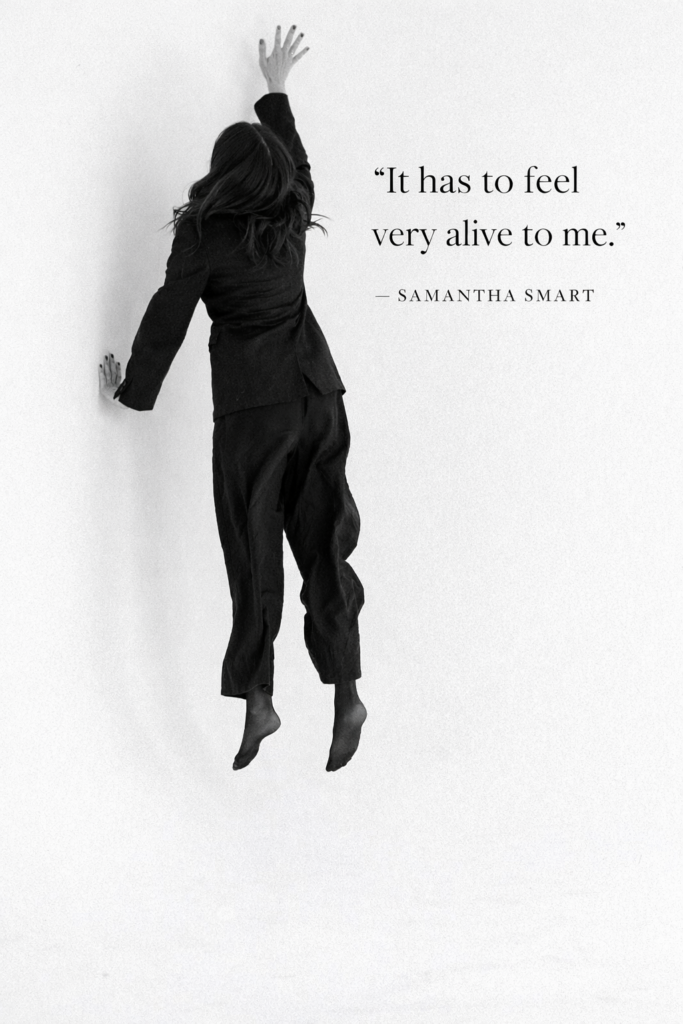
You’ve navigated different genres and tones without losing a sense of cohesion. What do you look for in a project that tells you it belongs in your body of work? I try to trust my intuition when something comes my way. If it’s something I’m writing, it has to feel very alive to me.
Many actors talk about momentum, but longevity requires something quieter and more deliberate. What practices—creative or personal—help you stay grounded between projects? Writing. Being offline. Travelling. Reading. Family and friends.
Charliebird marked a shift into authorship for you as a writer, producer, and performer. What did creating your own material reveal about strengths you hadn’t fully exercised before? Many things, but most importantly that I had a voice of my own.
After carrying Charliebird from script to screen, how did that experience reshape your perspective when stepping back into projects led by other creators? It immensely reshaped my perspective. I now know-whether it’s financing or scheduling or casting-there is so much that goes on behind the scenes that has very little to do with you as an actor.
How do you navigate vulnerability on screen without letting it tip into exposure—especially in roles that ask for emotional intimacy? I think it depends on what the character needs, but I don’t overthink it on set. A lot of that comes from the preparation I do beforehand. I think vulnerability innately exposes.
When reading a script now, what immediately tells you whether a character has longevity beyond the page? If I have a visceral reaction to it.
You seem drawn to characters with interior complexity rather than obvious edges. Is that a conscious choice, or something you’ve come to recognize in hindsight? Hindsight.
Looking ahead, what feels more compelling right now: deepening your exploration as a performer, or continuing to expand your role in shaping stories from the ground up? Both. There are so many incredible filmmakers I admire and want to work with. I also have my own projects I’m building that are very dear to me and I can’t wait to usher them into the world.
Photography By Tori Time
Related Posts

Marriott Bonvoy and Starbucks Launch New Loyalty Program Collaboration
Starbucks and Marriott Bonvoy Collaboration Unlocks Exclusive Benefits

Target Serves Up Exclusive Pickleball Collection with Popular Tennis Brand Prince
Target Corporation has introduced an exclusive pickleball collection

Soho House Opens Its Doors in São Paulo
Take a Look Inside Soho House São Paulo

From Manhattan to Mayfair: “Only Murders in the Building” Heads to London in Season 6 Renewal
Murder, Mystery & Luxury

Now You See Me: Now You Don’t” Trailer Drops, Teasing Diamond Heist and Star-Studded Return
Magic, Mischief, and Diamonds: “Now You See Me 3” Set for Fall Rel

Marvel Comics Celebrates Native American Heritage Month with Kahhori’s Epic Comic Debut
First Look at 'Kahhori: Reshaper Of Worlds' #1
POST COMMENT