

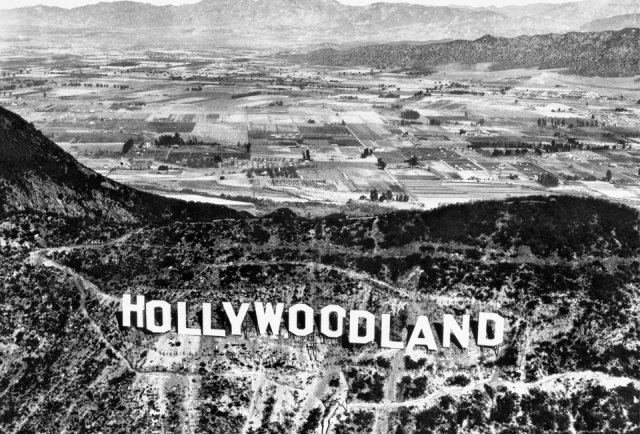
Hollywood Re-Centralized

Chase Addison
When Netflix stepped away from the bidding process for Warner Bros. Discovery, the streaming wars did not escalate. They shifted.
For months, the industry narrative suggested a clean trajectory: Silicon Valley absorbs legacy Hollywood. Data swallows the studio lot. Had Netflix prevailed, the symbolism would have been unmistakable — technology completing its consolidation of traditional entertainment infrastructure.
But Netflix walking away reframes the moment.
If Paramount Global secures Warner, this is not tech supremacy. It is legacy consolidation. And history shows what consolidation does to culture.
Hollywood has been here before.
In the early studio era, a handful of vertically integrated companies controlled production, distribution, and exhibition. That dominance was dismantled after the Supreme Court’s 1948 Paramount decision, which forced studios to divest their theater chains and fractured centralized control. For decades, fragmentation defined the industry’s evolution.
Streaming briefly accelerated that fragmentation.
This moment suggests the pendulum is swinging back.
Under one umbrella, you are potentially stacking the institutional weight of Warner Bros., the cultural authority of HBO, and the distribution frameworks of Max and Paramount+. Prestige, franchise, sports, children’s content, news — consolidated libraries that function as long-tail cultural capital.
This is not expansion. It is compression.
Library ownership today carries the same structural weight that theater chains once did. It determines negotiating power with talent, advertisers, and global distributors. It influences awards pipelines, franchise pacing, and what risk profiles survive the greenlight process.
A Netflix acquisition would have represented algorithmic vertical integration. A Paramount–Warner union represents horizontal concentration inside the traditional system.
Different future.
Same gravity.
Consolidation historically rewards predictability. Mid-budget experimentation tends to narrow. Franchise durability becomes insurance. Scale becomes argument.
Netflix exiting signals margin discipline. Paramount persisting signals survival logic.
The disruptive myth of permanent decentralization — that digital fragmentation would endlessly diversify control — appears to be stabilizing into something more familiar: fewer corporate centers governing more narrative inventory.
Hollywood is not collapsing.
It is re-centralizing.
The streaming war phase matures here. The consolidation era clarifies itself.
The question is no longer who grows subscribers fastest.
It is who holds the vault — and therefore controls the tempo of culture that follows.
Related Posts

Pacsun Launches ‘A.R.C.’: The Ultimate Men’s Activewear Line for Gen Z
Pacsun unveils first dedicated men’s activewear line.
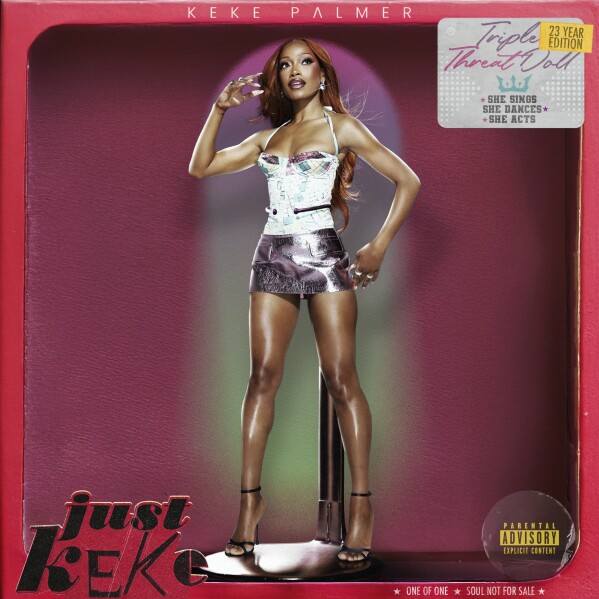
Keke Palmer’s ‘Just Keke’ Is a Radical Act of Self-Writing
Vulnerability as Power

Where Fashion, Art, and Culture Unite: H&M, Ev Bravado, and Téla D’Amore Collaborate on a Collection Featuring Jean-Michel Basquiat’s Works
H&M, Ev Bravado, and Téla D'Amore Collaborate

Life is Strange: Double Exposure Two Timelines. Twice the Suspects. One Impossible Mystery
By DaMarko Webster The latest trailer for Life is Strange: Double Expo
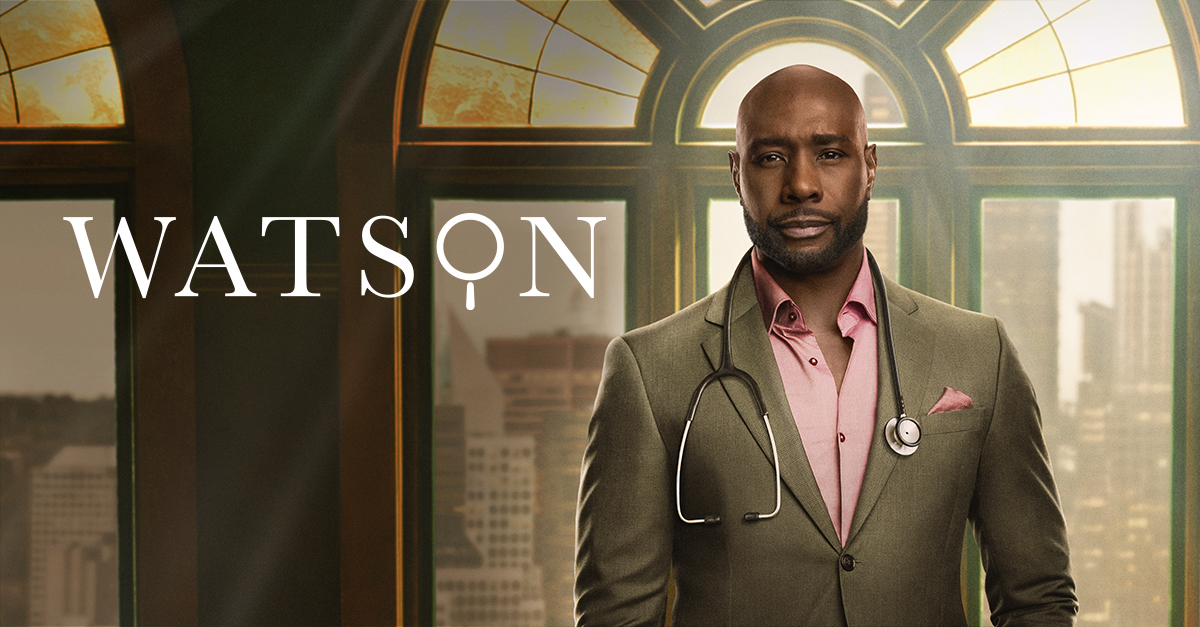
Watson Renewed for Season 2 at CBS
CBS has officially renewed Watson.
LOTTO Partners with Brooklyn Aces, Marking a Historic Entry into Professional Pickleball
LOTTO Partners with Brooklyn Aces