

From Shakespeare to Nas: Who Gets to Be Called a Poet
By Dwayne Johannes
For centuries, poetry has occupied one of the highest positions in the literary canon. Names like William Shakespeare, Emily Dickinson, Walt Whitman, and John Keats appear in classrooms and libraries as the architects of poetic tradition. Their work is studied for rhythm, metaphor, structure, and the ability to compress human experience into carefully constructed lines.
But the largest audience for poetry today may not be sitting in a literature classroom.
It may be listening through headphones.
For more than five decades, hip-hop has produced lyricists whose verses rely on the same literary tools poets have used for centuries: metaphor, narrative voice, symbolic imagery, rhythm, and philosophical reflection. The stage may be different, but the architecture of the language remains remarkably familiar.
The question that quietly emerges from this reality is simple.
Who gets to be called a poet?
For much of modern cultural history, poetry has been associated with books, universities, and the institutions that preserve literary heritage. Yet poetry itself existed long before printed pages. Ancient works like The Iliad were performed orally. Poets spoke their lines to audiences who memorized them, repeated them, and carried them forward through generations.
Across West Africa, griots preserved history through rhythmic storytelling and musical language. These performers were not merely entertainers; they were cultural historians, poets, and philosophers whose work lived through voice and memory rather than through ink.
Poetry survived because people remembered it.
Hip-hop operates within that same tradition.
The beat replaces the drum, and the microphone replaces the village square, but the goal is strikingly similar: language designed to live inside the listener’s mind.
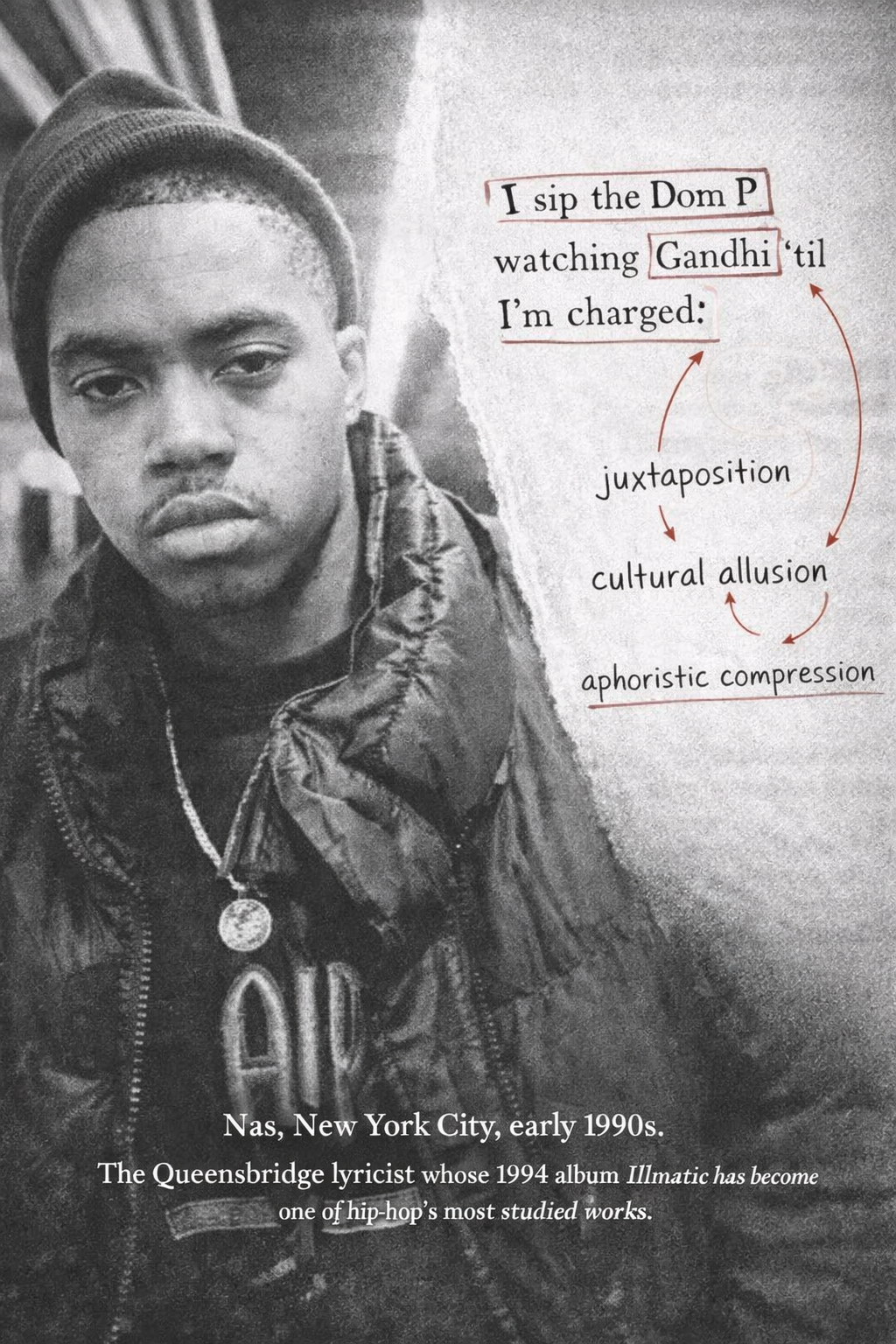
A clear example appears in the work of Nas. When Nas released Illmatic in 1994, the album immediately distinguished itself through extraordinary lyrical precision. The verses functioned almost like condensed short stories, capturing the rhythms and tensions of life in Queensbridge with remarkable clarity.
One of the album’s most famous lines reads:
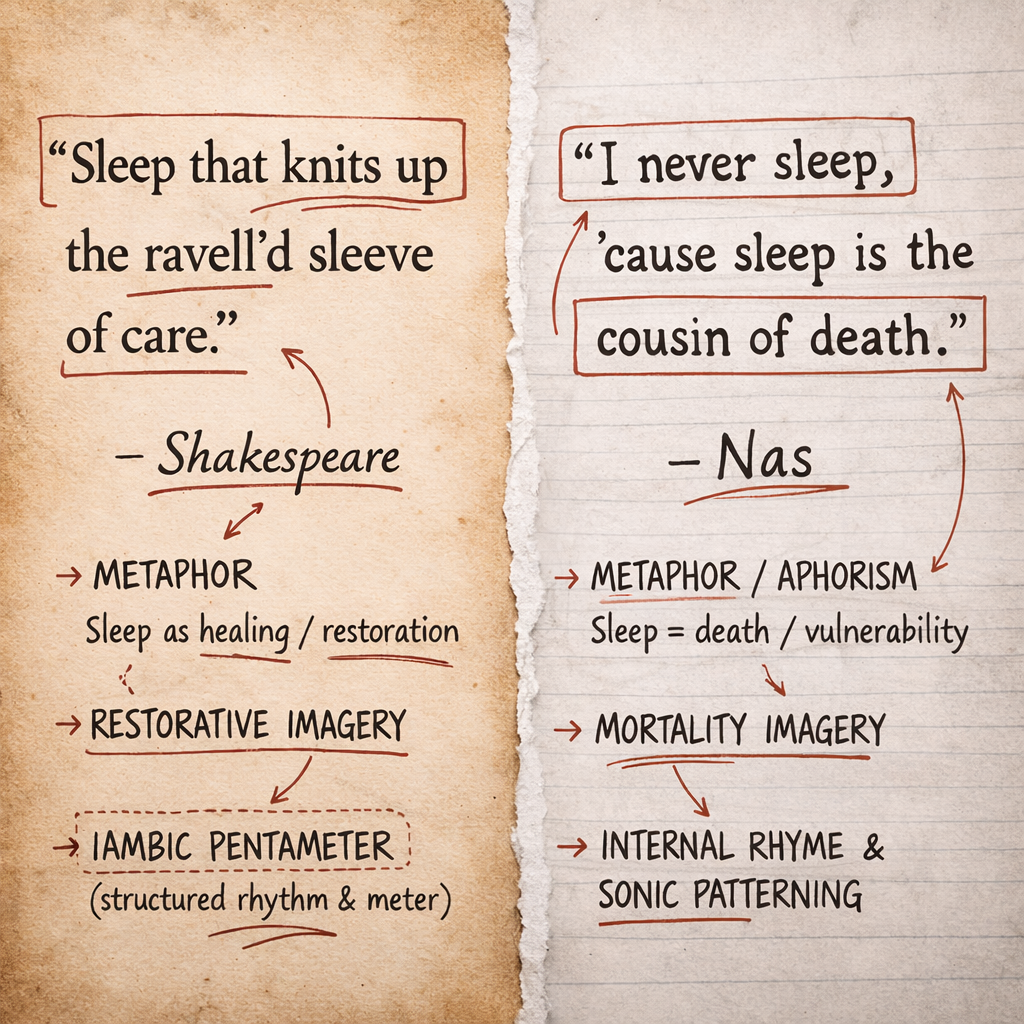
“I never sleep, ’cause sleep is the cousin of death.”
The line functions as both metaphor and aphorism, compressing a philosophical worldview into a single sentence. Sleep becomes a symbol of vulnerability, suggesting that survival requires constant awareness.
Centuries earlier, William Shakespeare offered a very different vision of sleep in Macbeth:
“Sleep that knits up the ravell’d sleeve of care.”
Here sleep is restorative. Shakespeare frames it as the healer of the mind, repairing the damage caused by anxiety and exhaustion.
The philosophical outlook of the two writers could not be more different. Yet the poetic technique is the same.
Both lines rely on metaphor to interpret a universal human experience.
This comparison reveals something important. The tools used to analyze Shakespeare’s language—metaphor, imagery, rhythm—can be applied just as easily to hip-hop lyricism.
For many years that analysis existed largely outside academic institutions. Hip-hop flourished within culture long before universities began treating its lyrics as literature. But over time, that boundary has slowly begun to shift.
Decades after its release, Illmatic began appearing in university classrooms and scholarly books, where academics examined Nas’s lyrics the way literature departments examine poetry. The discussions focused on narrative voice, internal rhyme structures, metaphor, and the philosophical themes embedded in the album’s storytelling.
There were no grand declarations announcing that hip-hop had entered the literary canon. Instead, the shift occurred gradually, as scholars and readers began to recognize the complexity already present in the work.
This pattern is not unusual. Jazz once occupied nightclubs before conservatories began teaching it as a serious musical form. Photography was once dismissed as mechanical reproduction before museums began curating it as fine art.
New art forms often gain legitimacy long after they have already transformed culture.
But hip-hop’s influence goes even deeper than institutional recognition.
It reshaped how society experiences poetry itself.
For much of the twentieth century, poetry gradually moved into smaller cultural spaces: literary journals, academic programs, and specialized readings. It remained respected but increasingly removed from everyday life.
Hip-hop reversed that movement.
Suddenly poetry returned to crowds. It returned to rhythm. It returned to memory. Listeners quoted verses, memorized lines, and repeated lyrics in ways that echoed the ancient oral traditions that once defined poetry.
In doing so, hip-hop may have created the largest poetry audience in human history.
Every day, millions of listeners encounter complex lyrical structures—internal rhyme, metaphor, philosophical reflection—through music. These devices, once confined largely to literary study, now circulate globally through sound.
In that sense, hip-hop did not simply create a genre of music.
It revived poetry as a mass cultural form.
Nas is only one example within a tradition that spans generations of lyricists. Yet his work offers a particularly clear illustration of how hip-hop language functions when examined closely.
Remove the beat from many of the verses on Illmatic, and what remains looks unmistakably like poetry on the page.
Which raises a question that sits quietly at the center of the debate.
If poetry is the art of shaping language to reflect human experience—and if billions of people encounter that language through hip-hop every day—then perhaps the real question is not whether artists like Nas deserve to be called poets.
Perhaps the real question is why it took so long to recognize that they already were.
The stage changed.
The rhythm changed.
But the poetry never left.
Creative Direction The Greay Firm @greayfirm
Related Posts
Deadpool Crashes Gotham: Marvel & DC Unleash a Wild Crossover Decades in the Making
The Bat, The Merc, and the Multiverse
Billboard Magazine Acknowledges Los Angeles Recording School as a Premier Music Business Institution
By James Griffen The Los Angeles Recording School presents a range of
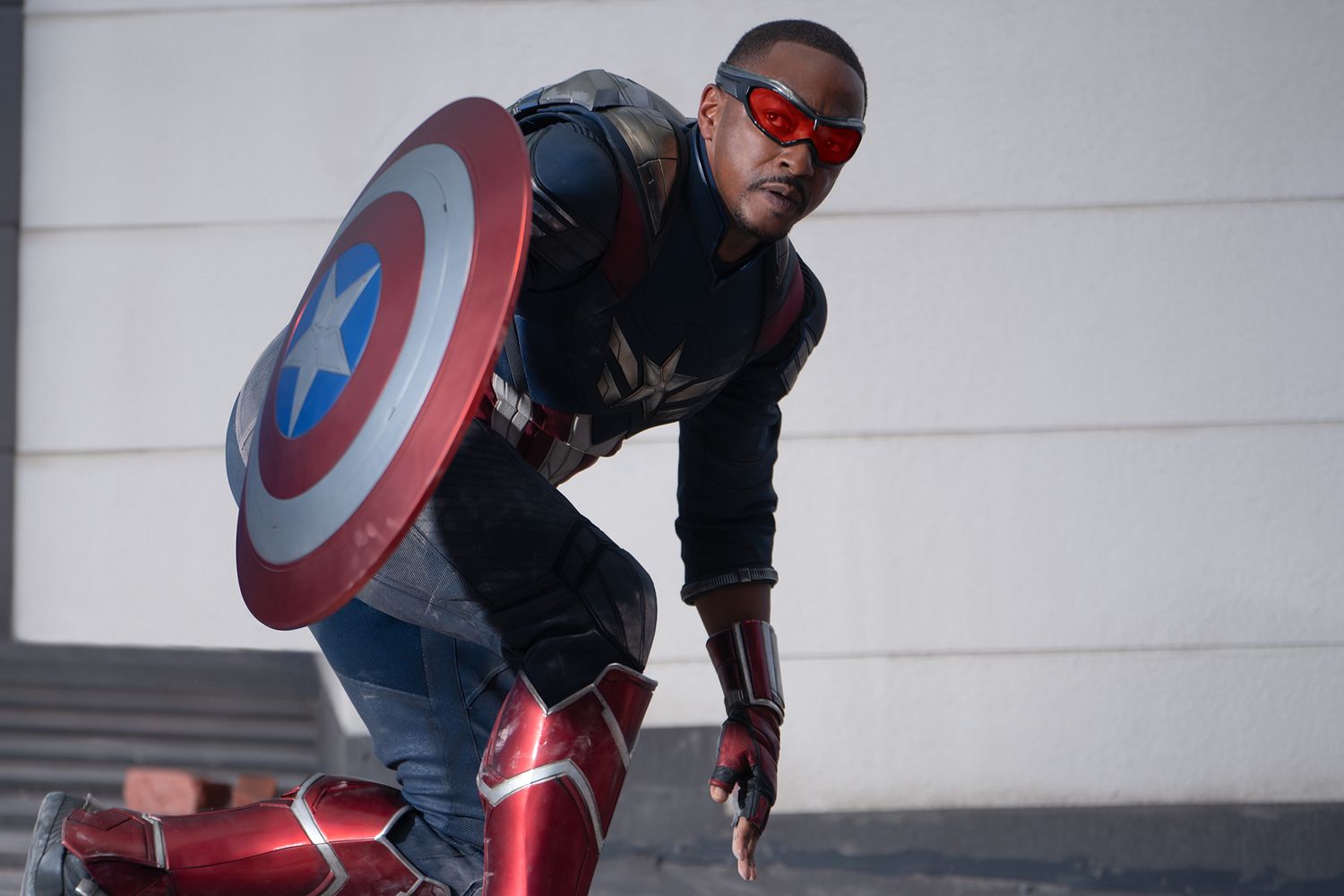
First Teaser Released for ‘Captain America: Brave New World’ Starring anthony mackie
From Falcon to Captain

A$AP Rocky Named Ray-Ban’s First-Ever Creative Director, Unveils Bold New Collection
Rocky brings his signature vision to Ray-Ban with the Blacked Out Col
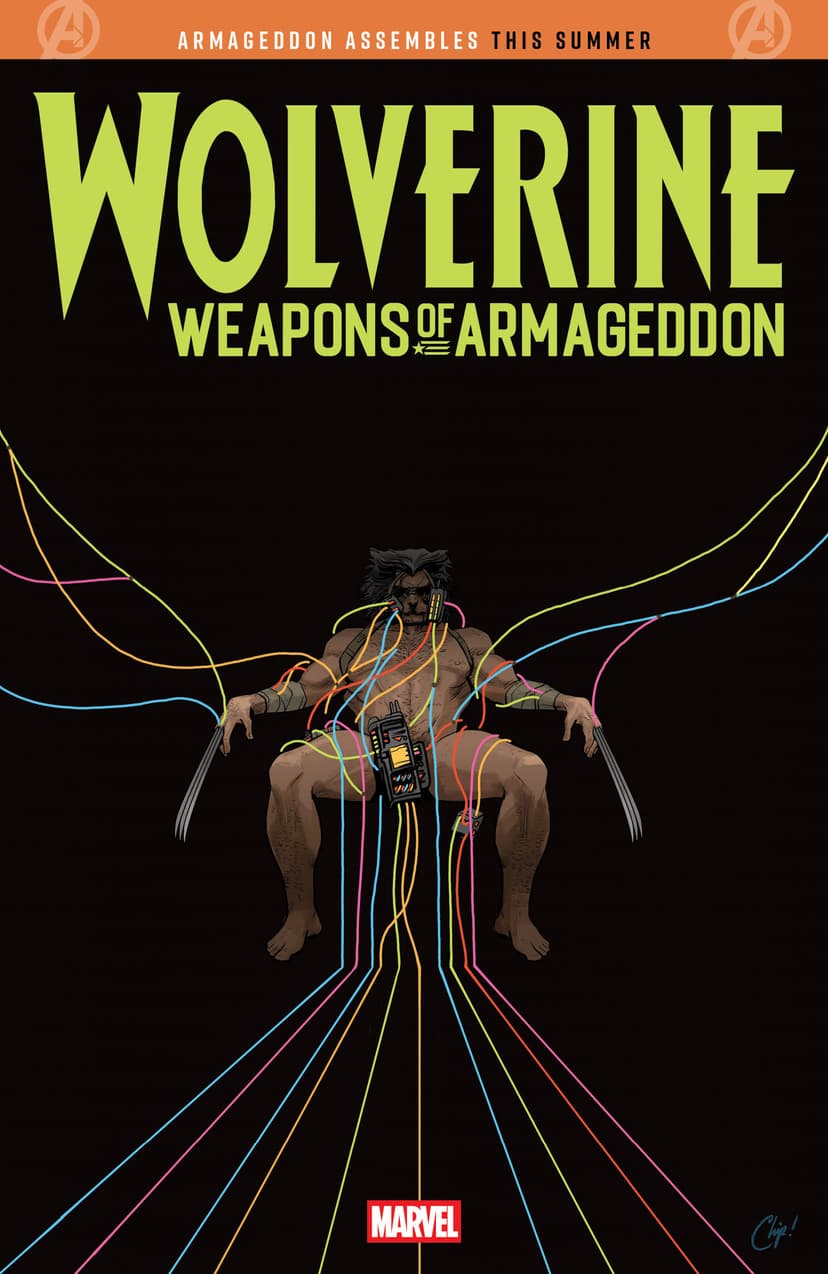
ARMAGEDDON: The Event That Will Reshape the Marvel Universe
The Claws of the Apocalypse
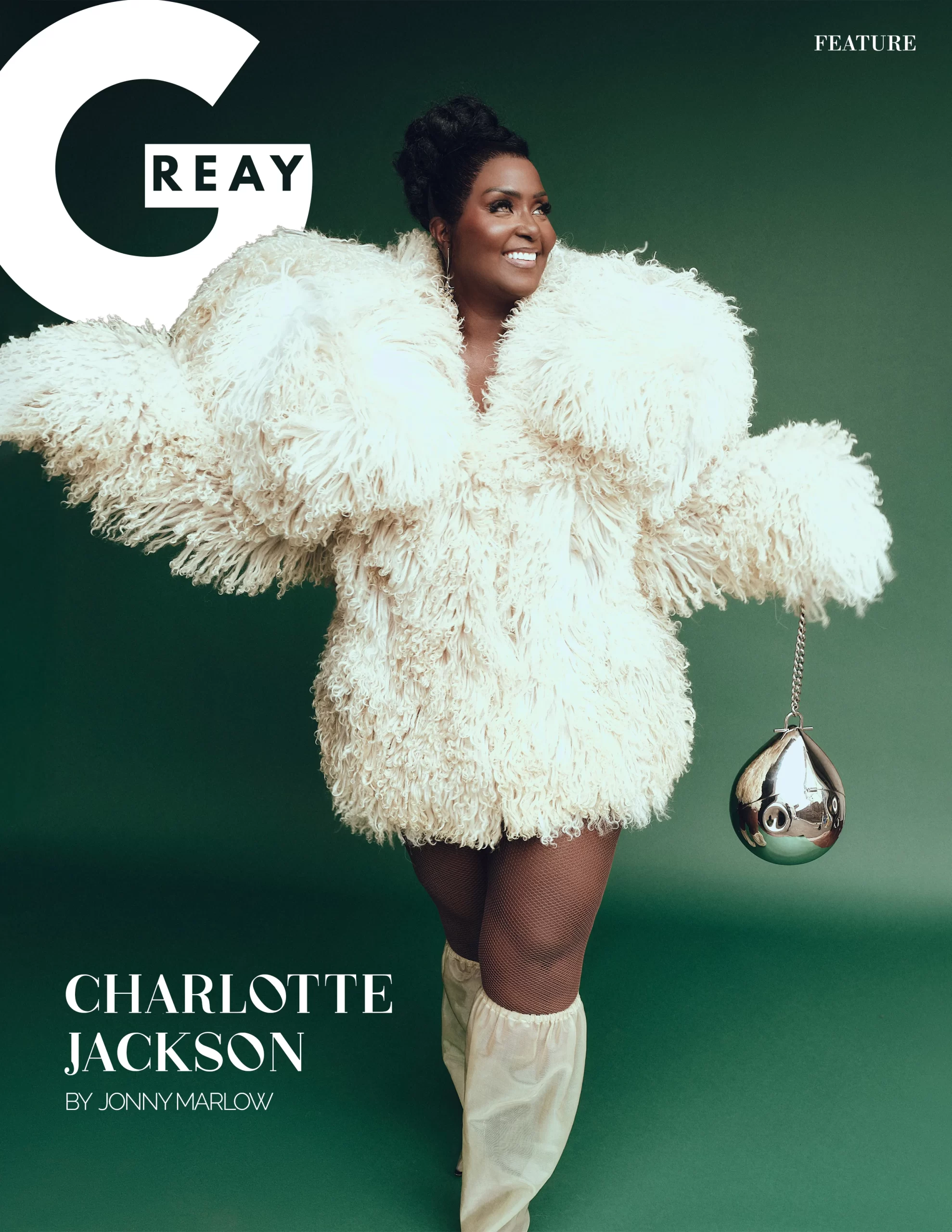
The Architecture of Regard: How Charlotte Jackson Recalibrates Authority
Rewriting the Standard
POST COMMENT