

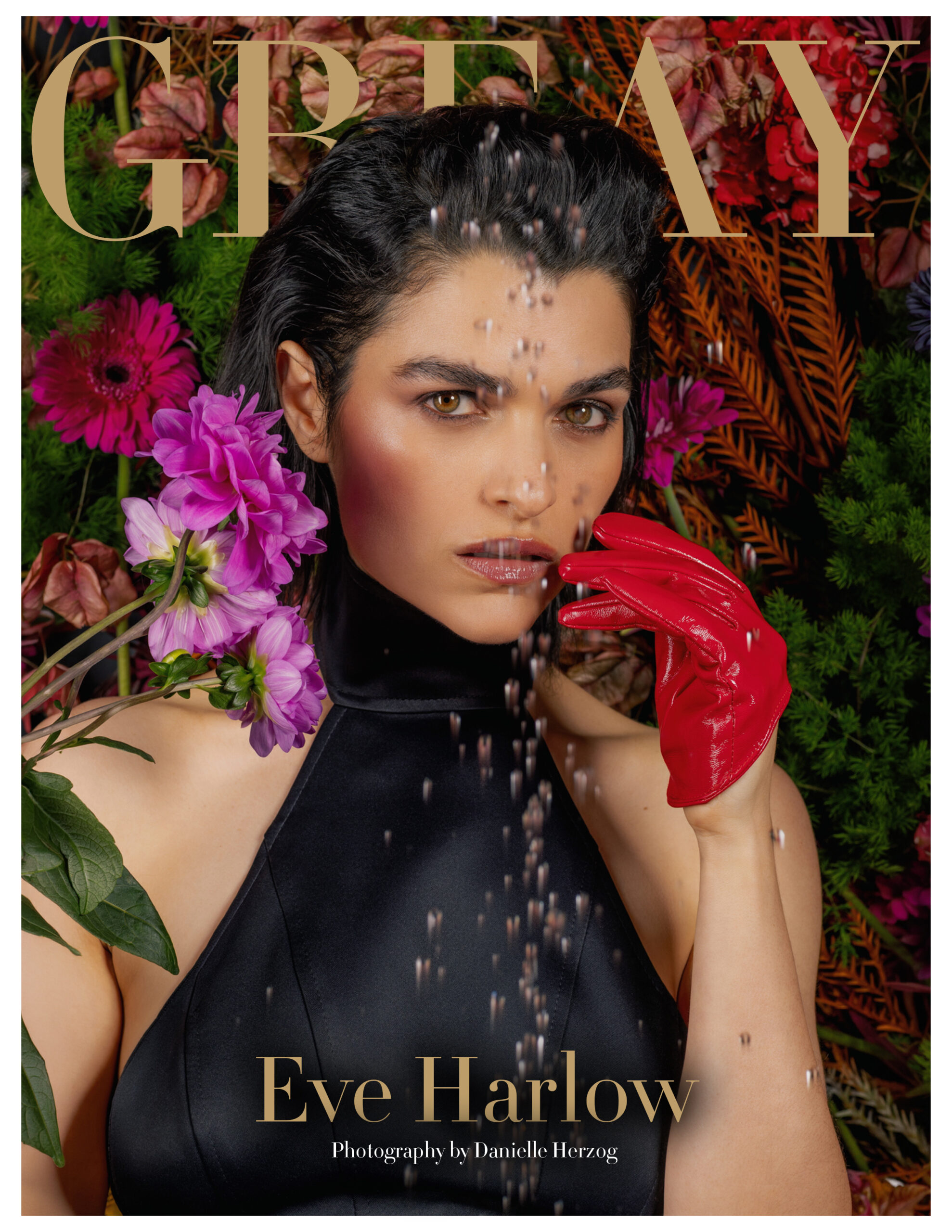
Eve Harlow Builds Through Structure, Then Lets It Breathe

Black halter top/ black skirt- Megan Renee @_meganrenee_ @meganrenee.co
There is a particular kind of performance that does not announce itself. It does not reach for attention, nor does it rely on spectacle to justify its presence. Instead, it operates with a quieter authority—one built on calibration, awareness, and an almost surgical relationship to intention. Eve Harlow has steadily become a practitioner of that language. Not the loudest voice in the room, but often the one that redefines its gravity.
In Watson, where intellect structures hierarchy and velocity threatens to flatten nuance, Harlow’s portrayal of Ingrid resists reduction. The character could easily collapse into function—a tool within a procedural engine—but instead holds onto something far more difficult: interiority. “Every character in Watson has a very nuanced and strong personal history,” Harlow explains, “and that makes it impossible for them to be purely functional.” It’s a simple statement, but it reveals a deeper philosophy—one that refuses to let intelligence replace humanity.
That refusal becomes the performance.

Procedurals are built on momentum. They move. They resolve. They accelerate toward answers. But Harlow understands that what lingers is rarely the solution—it’s the pause before it. The recalibration. The moment where thought interrupts instinct. “The momentum was in the week to week cases,” she says, “but stillness was found in the relationships… and, of course, with Watson.” That distinction is critical. It suggests that narrative speed and emotional depth are not oppositional forces—they are layered systems. The story moves fast. The character does not have to.
This is where Harlow’s work begins to separate itself.
Because what she is building is not reaction—it is anticipation.
Across her performances, there is a consistent gravitational pull toward characters who operate ahead of the moment. Not reactive, but predictive. Not overwhelmed, but aware. “More often than not,” she admits, “I do find myself playing ones that… fall in the predator category.” The phrasing is telling. Not aggressive, but positioned. These are characters who understand the room before the room understands them.
And that understanding manifests technically.
Authority, in Harlow’s work, is never declared—it is engineered. Breath, eye-line, tempo, physical restraint. These are not accessories to performance; they are its architecture. “One can’t have command of a room without breath, eye contact, awareness of one’s body,” she says. “They all play off one another.” It’s a systems-based approach to acting—where presence is not emotional excess, but controlled alignment.
This is why her performances often feel contained, even when the stakes are not.
Interestingly, Harlow does not consciously claim restraint as a defining signature. “Never really thought of restraint as my defining signature,” she says, almost amused by the suggestion. But that lack of self-conscious branding is precisely what makes it effective. The containment is not aesthetic—it is instinctual. A natural entry point rather than a constructed identity.
And in a television landscape that increasingly compresses transformation into accelerated arcs, that instinct becomes even more valuable.

Where others may feel rushed, Harlow sees expansion. “Television actually allows for a far less compressed evolution than films,” she explains. “It’s freeing to have a longer time to explore a character arc.” This reframing is important. It rejects the idea that speed diminishes depth, instead positioning duration as an opportunity for accumulation—for subtle shifts that compound over time rather than announce themselves in singular moments.
But beneath all of this—beneath the control, the structure, the calibration—there is a more foundational truth about how she works.
Structure comes first.
“Definitely structure,” she says of her process. “I can’t fully dive in till I know all the lines inside and out. Then, the fun begins.” It’s a disciplined approach that mirrors her performances. Mastery of form before freedom within it. Precision before instinct. The architecture must exist before the emotion can inhabit it.
And yet, when it comes to choosing roles, the metric is far less controlled.

“If I read it and I’m slightly scared and excited by it, that’s usually a good sign.”
That tension—between discipline and risk—is where growth lives. Not in friction for its own sake, but in the willingness to remain open to what is unknown. Harlow resists the idea that struggle is the only path forward. Instead, she offers something far more expansive: curiosity.
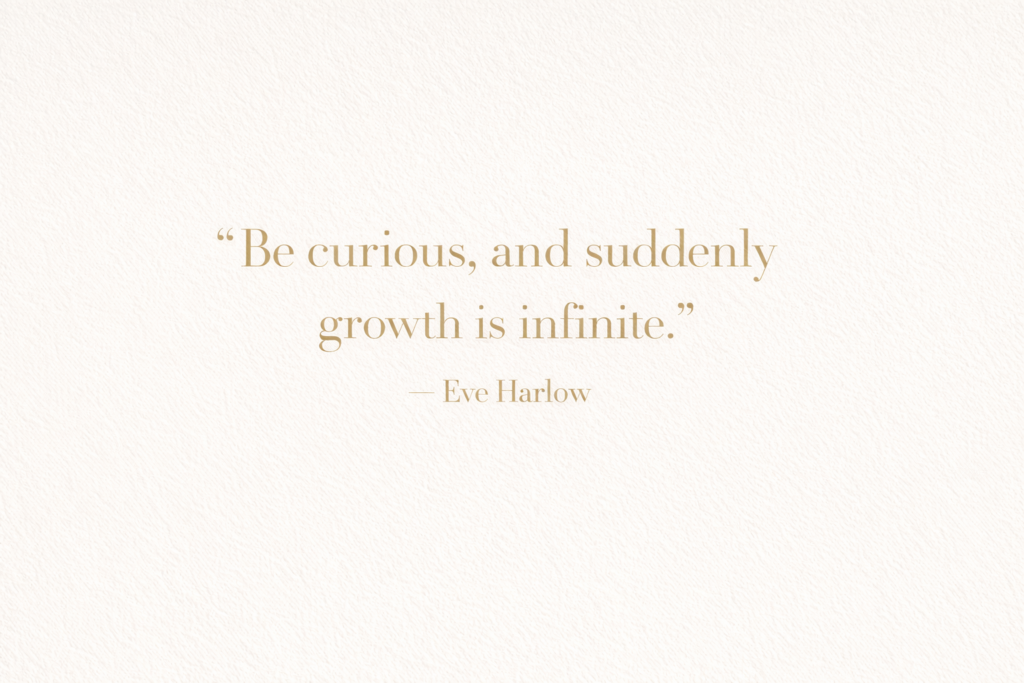
“I don’t think growth necessarily requires friction,” she says. “I think it requires a trait that is unfortunately becoming quite rare—curiosity… Be curious, and suddenly growth is infinite.”
It’s a quiet thesis, but a powerful one.
Because in an industry that often rewards certainty, Harlow is building a body of work rooted in something far less rigid. Not dominance, but awareness. Not performance, but process. Not exposure, but protection. “I like my personal life to remain personal,” she notes, drawing a boundary that feels increasingly rare. Visibility may be constant, but interiority is still a choice.
And that choice is what gives her work its shape.
Eve Harlow does not perform to be seen. She performs to understand. And in doing so, she creates characters who do the same—figures who think before they move, who observe before they act, and who remind us that the most powerful presence in a room is often the one that says the least, but knows the most.
Photo By Danielle Herzog @danielleherzogphoto
Cover Art Direction The Greay Firm @Greayfirm
Hair Gui Schoedler for Exclusive Artists using Balmain Hair / T3 Tools @Guiniushair
Make Up Julianne Kaye for Exclusive Artists @Juliannekaye
Wardrobe Stylist Kennan @secrets2fashion
Story By Kyra Greene @noteasybingreen
Produced By Kyree L. Frazier @firstsight.intl
Related Posts
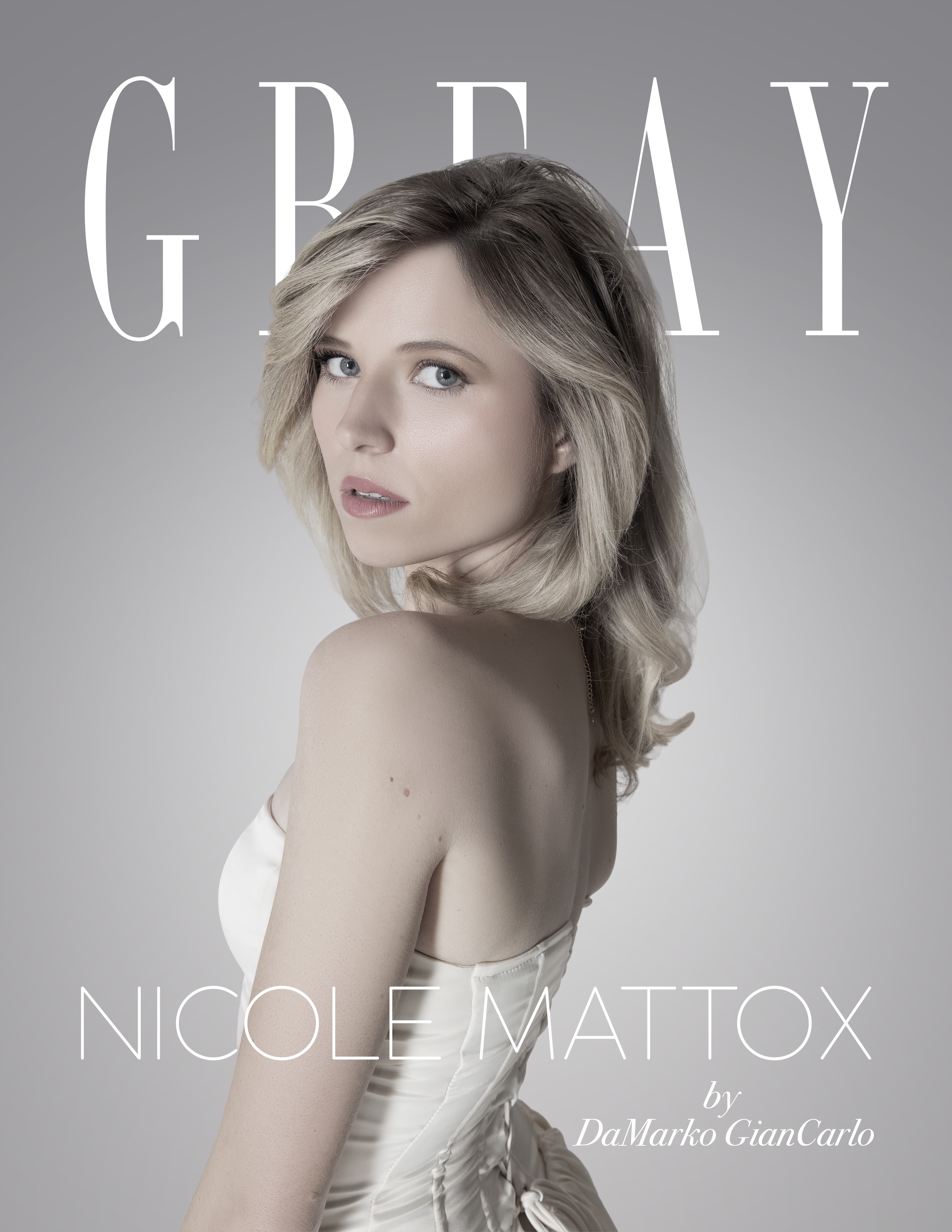
Nicole Mattox: Vertical Storytelling Human Impact
The Vertical Revolution Has a Face
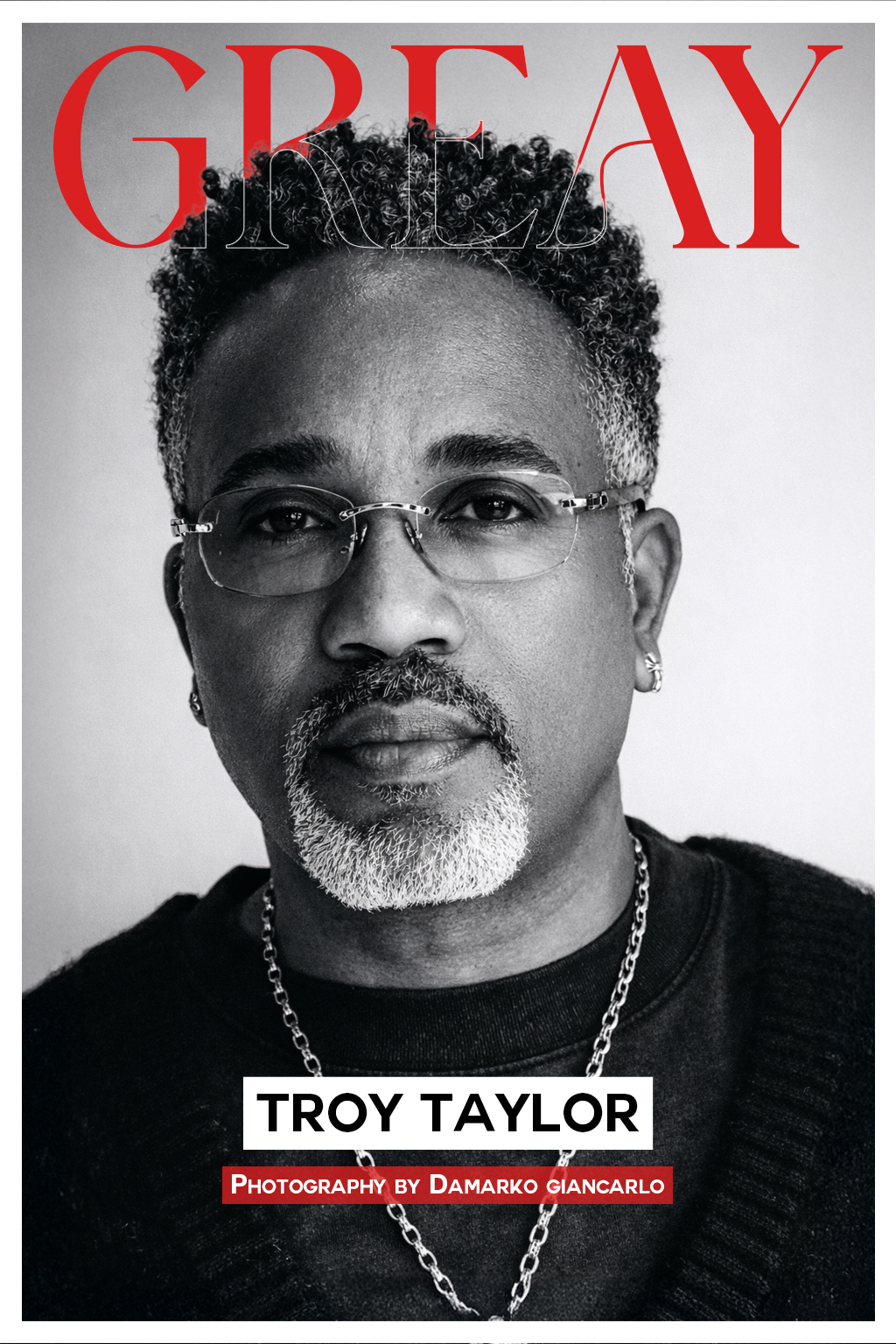
Troy Taylor A Standard , Not a Moment
By Kyra Greene Troy Taylor has been a constant force in modern R&B
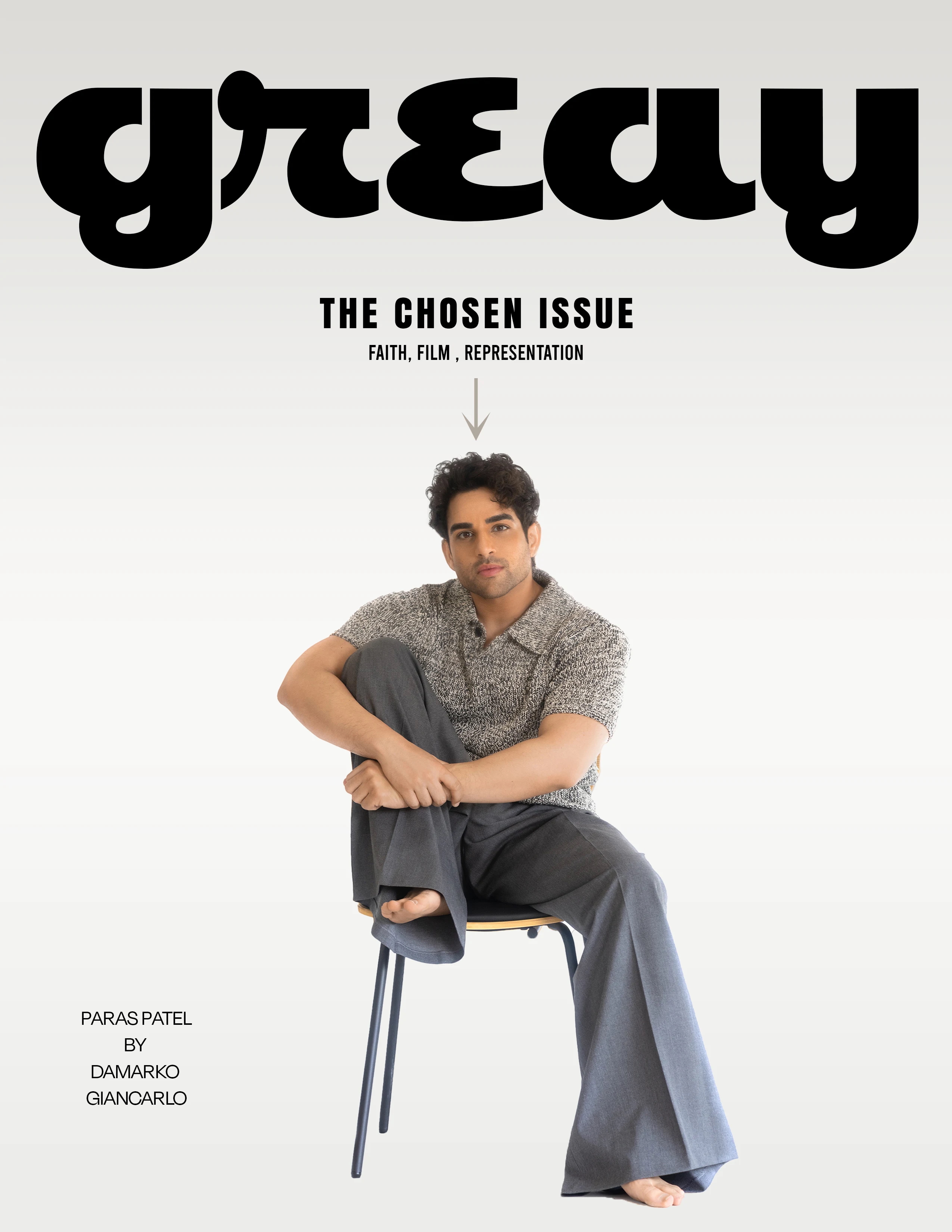
Chosen to Lead: Paras Patel on Faith, Representation, and Season 5’s Emotional Journey
Charting New Territory

Lamar richardson Breaking standards in A broad way
Lamar Richardson 2x Tony Winner
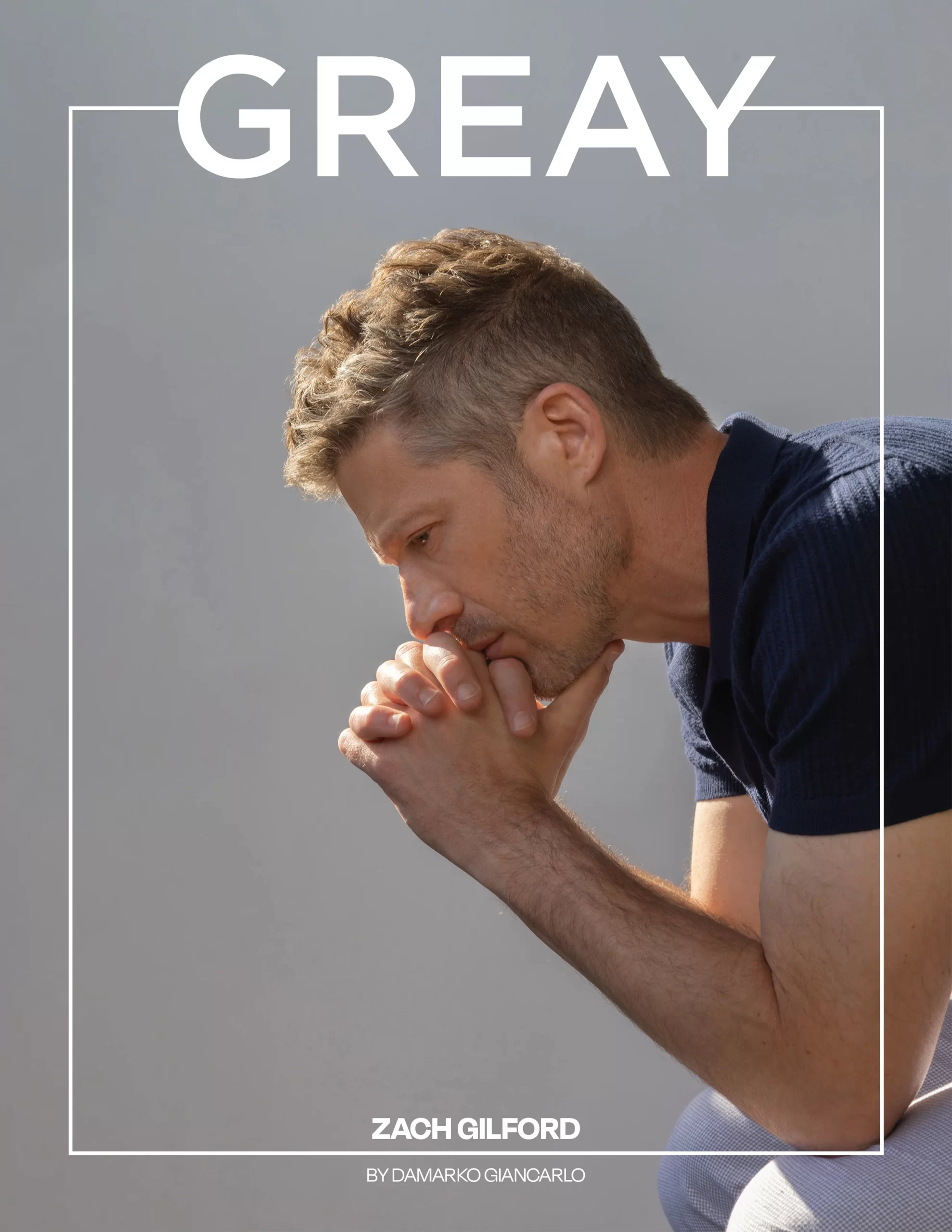
“Between Light and Shadow: The Versatility of Zach Gilford”
The Serial Actor
POST COMMENT