

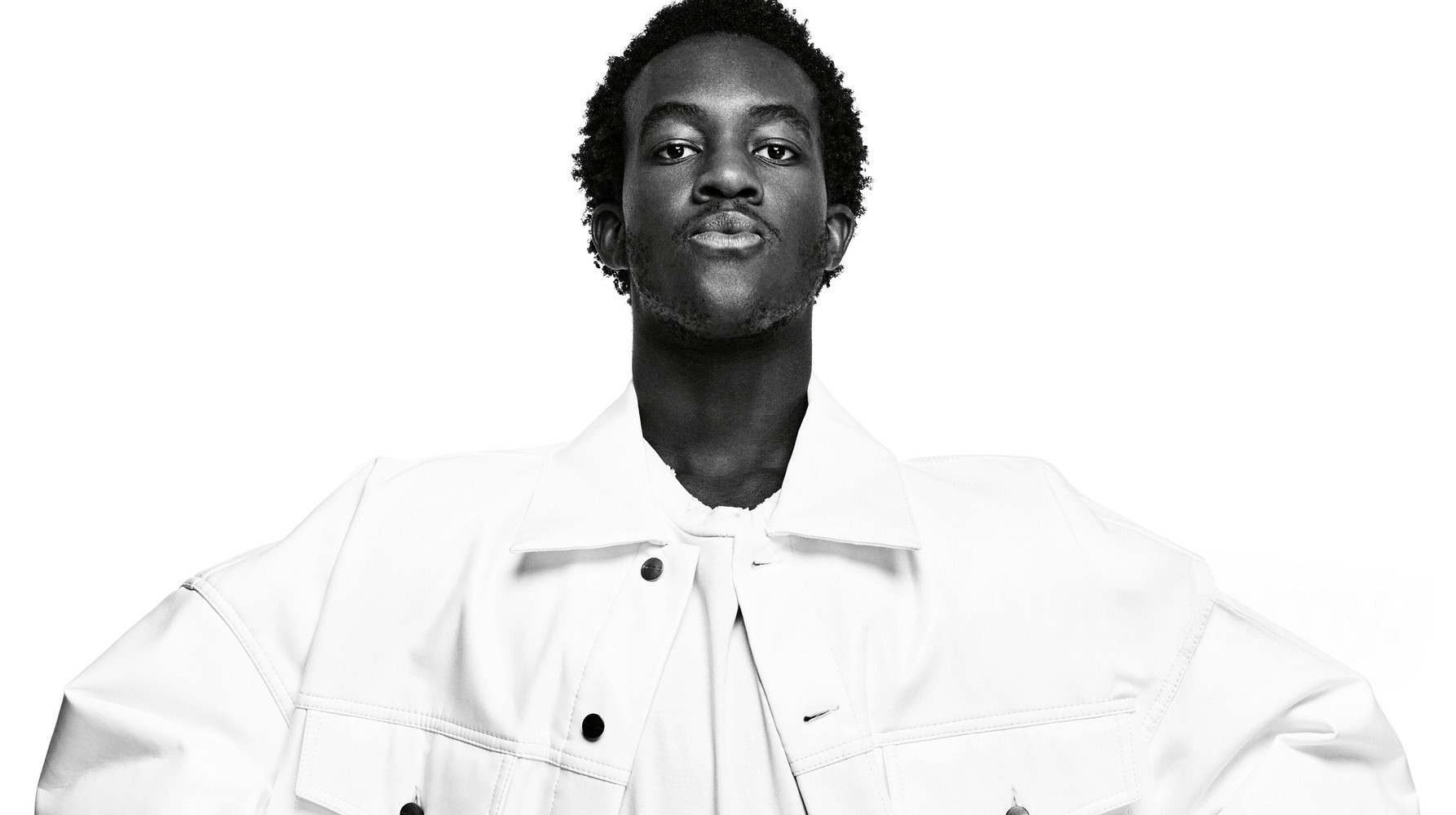
Dressing the Algorithm: How Wisdom Kaye Rewired Fashion Authority

By Pierre Giovanni
Fashion authority did not disappear with the rise of platforms; it was structurally reassigned. Digital systems did not democratize taste so much as replace the mechanisms that once governed it. Where editors, runways, and institutions formerly regulated visibility and legitimacy, algorithms now organize attention at scale. The critical shift was not aesthetic, but administrative: control over relevance migrated from centralized institutions to repeatable systems of distribution. Within this transition, Wisdom Kaye emerges not as an influencer, but as a case study in how authority is newly constructed.
Historically, fashion operated through linear validation. Designers introduced work, institutions filtered significance, and audiences received outcomes that had already been adjudicated. Platforms disrupted this sequence by compressing production, circulation, and reception into a single feedback loop. Visibility accelerated. Judgment decentralized. As a result, the scarce resource in fashion became neither access nor novelty, but the capacity to maintain coherence within an environment designed for constant interruption.
Kaye’s work demonstrates this shift with particular clarity. Rather than treating platforms as promotional tools, he approaches them as sites of construction. His fashion operates across motion, repetition, and timing—variables that are integral to digital systems but peripheral to traditional fashion presentation. Editing is not post-production; it is part of the design process. Rhythm functions as structure. The algorithm becomes material rather than constraint.
This distinction separates authorship from influence. Influence implies reach without governance—visibility granted by scale rather than structure. Authority, by contrast, requires durability. Kaye’s work does not depend on explanation, virality, or trend adoption. It relies on internal consistency. References are neither simplified nor contextualized for accessibility; they are allowed to circulate intact. Over time, coherence replaces novelty as the primary source of legitimacy.
The institutional response follows this logic. Recognition arrives after systems stabilize, not before. Fashion institutions do not authenticate Kaye’s authority; they acknowledge it retroactively. This reversal signals a broader transformation in cultural validation. Authority is no longer assigned through formal endorsement, but through demonstrable control over format, pacing, and taste formation.
In this context, fashion functions less as an expressive medium and more as infrastructure. Clothing becomes the visible output of a deeper competence: the ability to engineer conditions under which taste persists. What scales is not the look itself, but the logic governing its circulation. Consistency, rather than frequency, becomes the organizing principle.
Kaye’s significance lies not in the success of individual outfits, but in what his practice reveals about contemporary cultural power. The algorithm does not flatten hierarchy; it redistributes it. Those who understand its mechanics do not merely participate in fashion—they govern how fashion is encountered.
Authority, in this system, is no longer styled into existence.
It is built.
And platforms, far from erasing the atelier, have quietly become its successor.
Related Posts

Janhvi Kapoor Fronts a New Chapter for New Balance in India
A New Balance in India

Louis Vuitton’s Luxurious Chocolate Shop Debuts in Shanghai
Louis Vuitton's Chocolate Shop Expands to China With New Shanghai Loca
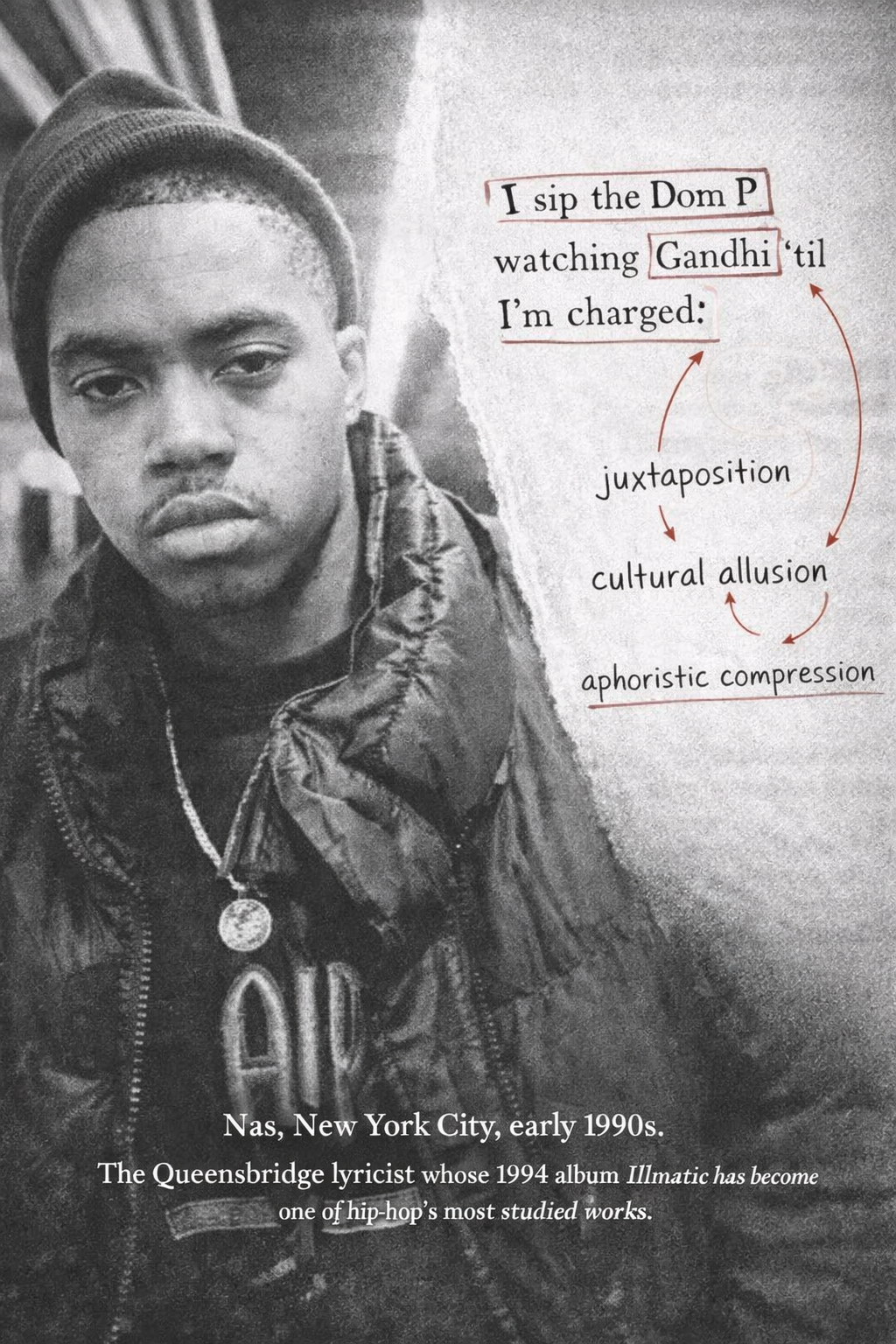
From Shakespeare to Nas: Who Gets to Be Called a Poet
From Page to Microphone

PEPSI® KICKS OFF 2024 NFL SEASON WITH COLOSSAL CAMPAIGN INSPIRED BY PARAMOUNT PICTURES’ UPCOMING “GLADIATOR II”, STARRING MEGAN THEE STALLION AND NFL SUPERSTARS JOSH ALLEN, DERRICK HENRY, JUSTIN JEFFERSON, AND TRAVIS KELCE
Nearly two decades after the Pepsi® "Roman Empire" campaign, the bran
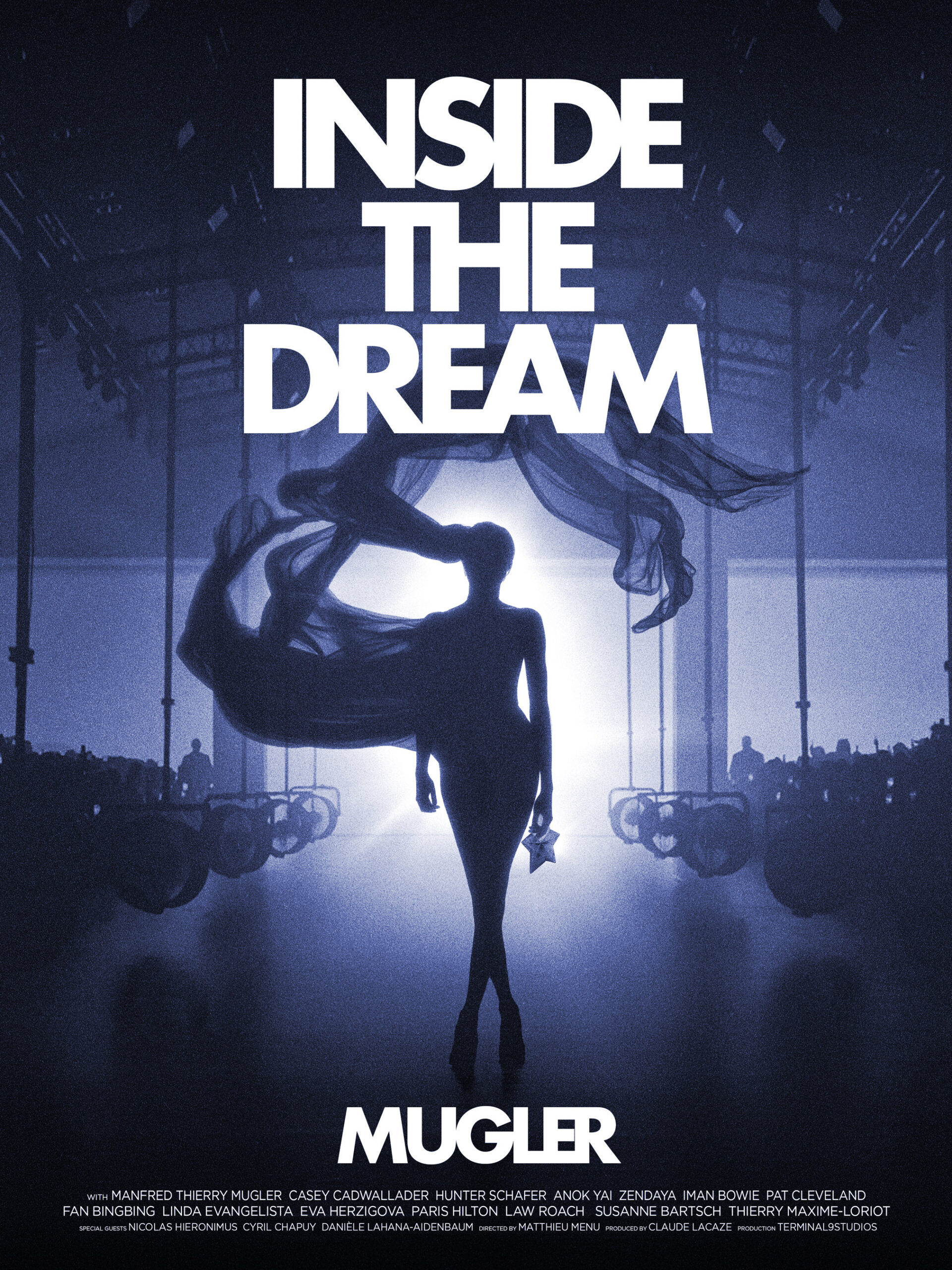
Mugler Unveils Inside the Dream: A Documentary Exploring the French Fashion House’s 50th Anniversary
INSIDE THE DREAM: MUGLER, THE NEW DOCUMENTARY

Tillamook Unveils Decadent Chocolate Collection and High-Tech iScreen for National Chocolate Ice Cream Day
Tillamook Unveils Decadent Chocolate Collection