


Daisy Kelliher: Authority Without Armor

By Kyra Greene
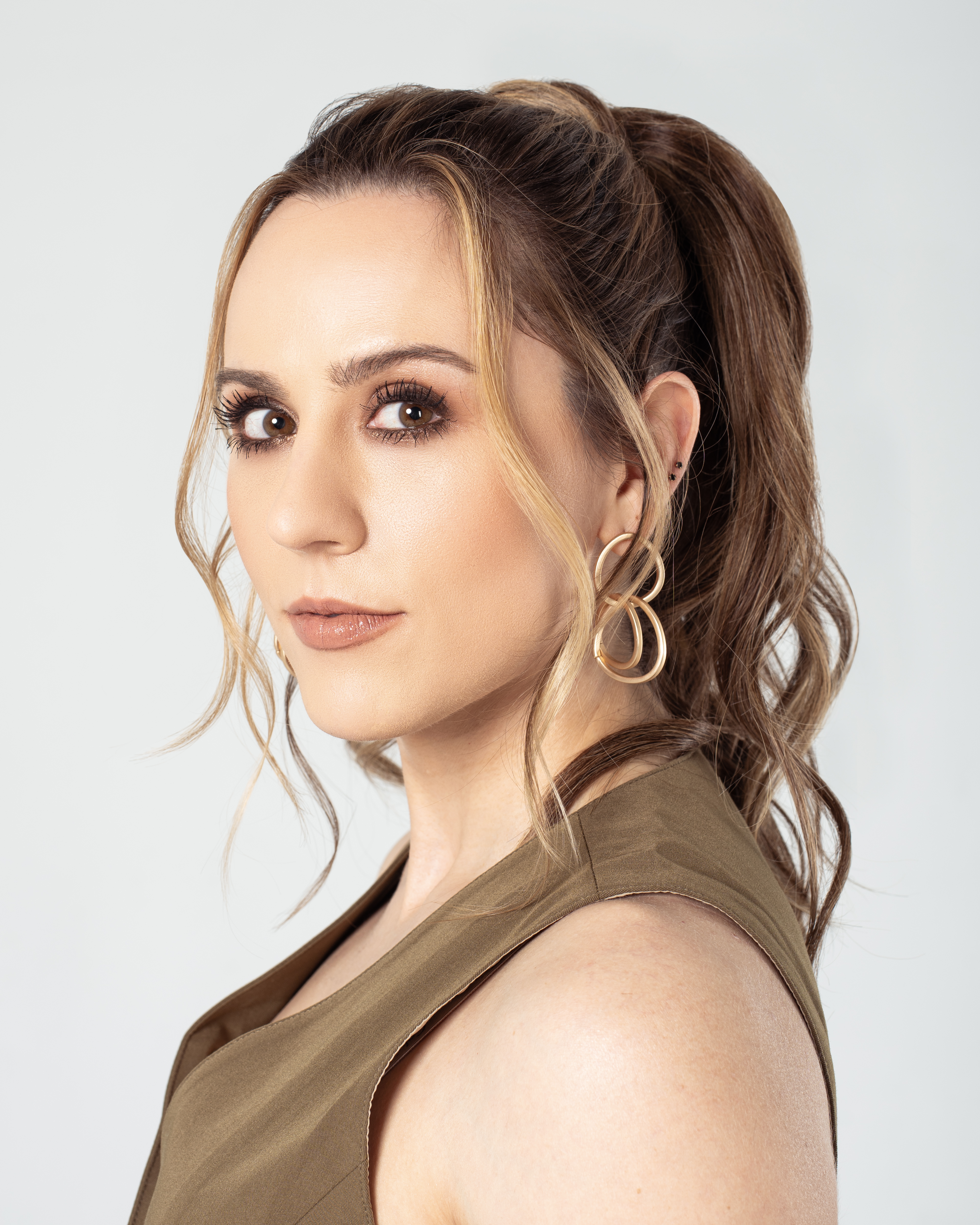
Daisy Kelliher has never mistaken visibility for ease. On screen, she is composed—directing service, steadying tensions, navigating the tight corridors of both yachts and reality television with a kind of warm authority. But beneath that poise is something more layered: a woman acutely aware of the cost of emotional leadership, of the blurred lines between empathy and expectation, between likability and respect. In this conversation with Greay Magazine, Daisy speaks with unusual clarity about people-pleasing, power, vulnerability, and the discipline of kindness. What emerges is not a simplified television persona, but a study in restraint, reflection, and intentional growth—a leader still shaping herself in real time.
You’re often framed as “naturally good at leadership,” but leadership—especially emotional leadership—is learned, strained, and costly. What parts of leading people are never shown on camera, but shape you the most?
I think when I started taking on leadership roles, I identified quite quickly the kind of leader I wanted to be. I had some bad managers, and I took the qualities of the managers I liked and left the qualities of the managers I didn’t like behind. I think a lot of people take leadership as an opportunity to boss people around. I never responded well to this so when I started being a leader I wanted people to see me as their equal, I wanted my team to respect me so they wanted to work hard for me rather than ordering them around.
It has taken me years to become the leader I am today and I am still learning, growing, and shaping. I do think people take my kindness for weakness and feel this is something I have had to work on. I think sometimes I put the emotional well-being of my team before the work itself. Which I think for the majority of the time is the right thing to do, but sometimes you need to know when enough is enough and this is a constant learning curve.
You can’t see it but when I have to make big decisions I am thinking about it over and over asking friends for opinions and advice I don’t make any decisions lightly!
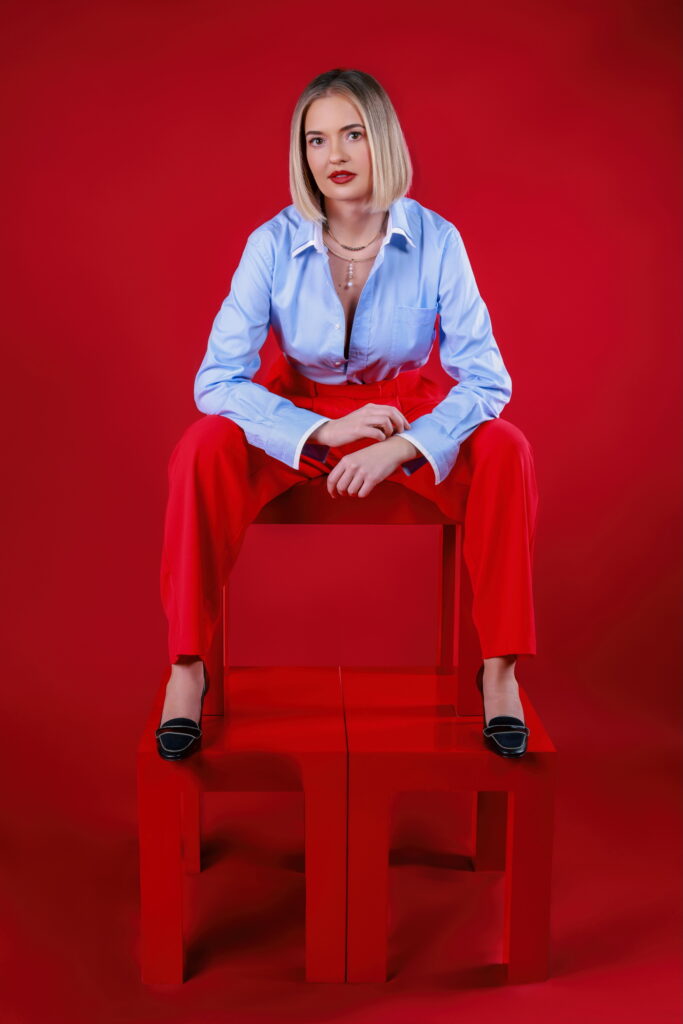
Yachting—and leadership within it—is still shaped by gendered expectations. Do you feel more pressure to be likable or respected, and how has that shaped the way you lead?
To be honest I think in general I suffer from people pleasing which can definitely affect how I lead. I do want to be liked in all aspects of my life, and I have learnt that it can be lonely at the top but you need to put these personality traits aside in order to get the job done. I think for women it can be easy to label us as nags and that can be frustrating when you are just trying to get the job done. I think this season I have definitely been able to work on not everyone liking me and focusing on why I am there.
Much of your job—on yachts and on screen—requires managing other people’s moods. When did you realize emotional intelligence was both your strength and something that needed boundaries?
I think this is definitely something I learnt in my 30s and throughout my career on Below Deck. It is quite the tool to be able to watch yourself back and reflect on how you manage your team! I have learnt that I am definitely an empath which can be really beneficial when managing a team and trying to get the best from them but also get what’s best for the job. I think people find me really approachable and that can be great when leading a team for transparency and understanding what is going on with them in their lives emotionally and ultimately getting the best from them for the task at hand.
It is a struggle to find those boundaries of being their “friend” to their leader. I think those boundaries are often blurred and something I often struggle with. I want to be approachable, and I want their emotional wellbeing to always be looked after but without the expense of the work or the team suffering and this can be difficult to navigate.
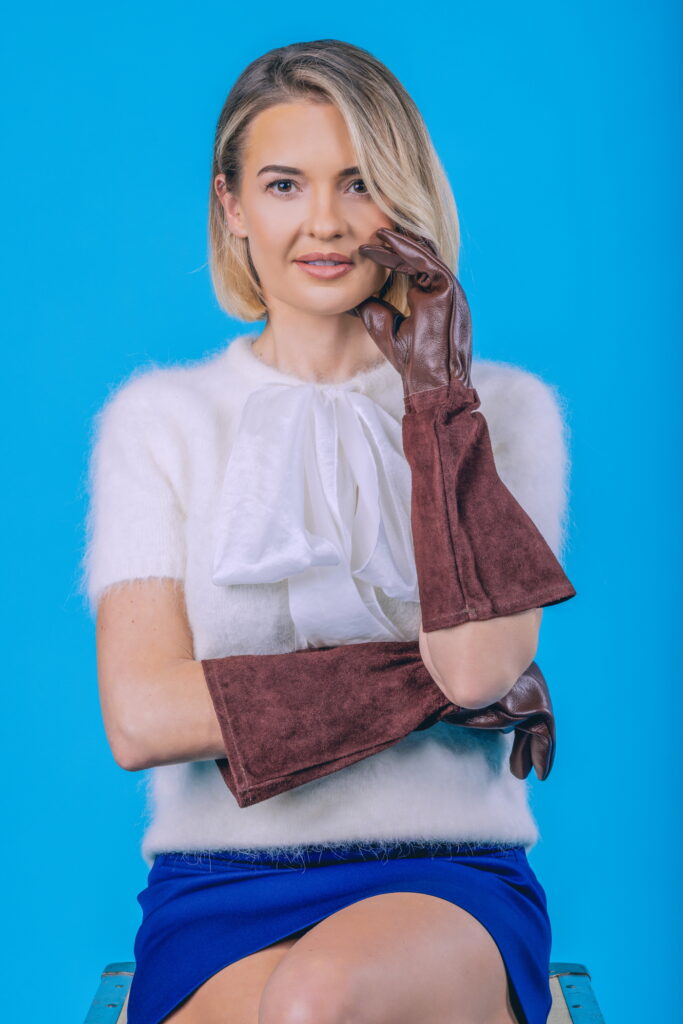
Reality television rewards openness, but authority often requires restraint. How do you decide what parts of yourself are safe to make visible without eroding your sense of control?
Yes this is hard. I think this is a very true statement. We are required to be authentic, vulnerable, and open on reality tv but this can often lead to people not respecting you the same way in a work environment. For example in an office environment as a manager you may not share the messy privacy of your love life as people may view you differently, perhaps they look at you more humanly and therefore maybe don’t view you the same way as a boss.
I think what does help me in this scenario is that working on a show that is also my job is actually very similar to yachting itself. In yachting we have the same problem — we have to learn how to be in work mode and then be able to switch it off when work finishes and go into social mode without losing your sense of authority.
I think this is one area I have managed to master really well due to all my years of yachting before being on tv.
Viewers often feel they know you, yet you’re aware of how narrative is constructed. Has there been a moment where the public version of you drifted too far from the internal one?
No I don’t think so. My goal coming on to Below Deck was to be my authentic self. I have always been like that throughout my life and I think that is part of why I am so successful on reality tv. I have been consistent for 5 years with my personality. Sure, I have made mistakes but there is no point where I felt I wasn’t being my full authentic self, and that is something I am very proud of.
Relatability can sometimes flatten complexity. Have you ever felt misunderstood because people wanted a simpler version of you?
Yes I definitely think on TV it can be very one dimensional but as people we are multi-dimensional with lots of different aspects to our personality. I have come to realise over the last few years that I make decisions I never thought I would and that maybe I expect too much of a high standard from people and vice versa. I think that happens with the public with me.
I think one of the most difficult things I have had to deal with over the last few years is try and explain decisions to the public that I don’t necessarily have an answer to like maybe why a relationship has broken down… but often these situations/scenarios are very complex and we humans are complex and that can be hard to explain to the audience. Often, we are given simple roles i.e. the villain, the hard worker, the loveable one — but you can be many things at once: loveable, hardworking and a villain but I think the viewers often really struggle with this.
There’s increasing pressure for women on reality television to trade vulnerability for relevance. How do you keep vulnerability from becoming transactional?
This is really hard, I think anyone who is in the public eye for influencing or reality tv understands the hardest part is keeping relevant. This is my job at the moment and I love it, I don’t know how long it will last for but the only way to keep on going is being relevant and sharing my life. For me personally as long as I’m enjoying it and it isn’t harming me in any way I don’t feel it’s transactional. I have built my brand on being authentic and vulnerable and I am super proud of that. For example, I decided to have rhinoplasty months ago, I had the operation a few days ago and had no intention of sharing my journey. On day two I decided, why not? I feel no shame, I should own it and this is, after all, my brand: “being honest, and open.” I am so glad I did. My audience has loved the honesty and now I can be so open without hiding anything. I felt no pressure to share this and I had no intention of doing so, but it felt right when I was ready. So, I think I have managed to be myself so far without feeling the pressure of owing my audience anything.
Podcasting gives you control over tone, pacing, and context in a way television rarely does. What parts of yourself feel most authored when you’re behind the mic rather than in front of the camera?
I think doing “Yacht Mess” allows me to be more unfiltered, not because I worry about the cameras but when I am doing Below Deck I am still working as a chief stew, I still have a job and a role to play. Whereas when I am doing the podcast, I can be completely myself without having to be in a managerial role, which is super fun but also a bit scary!
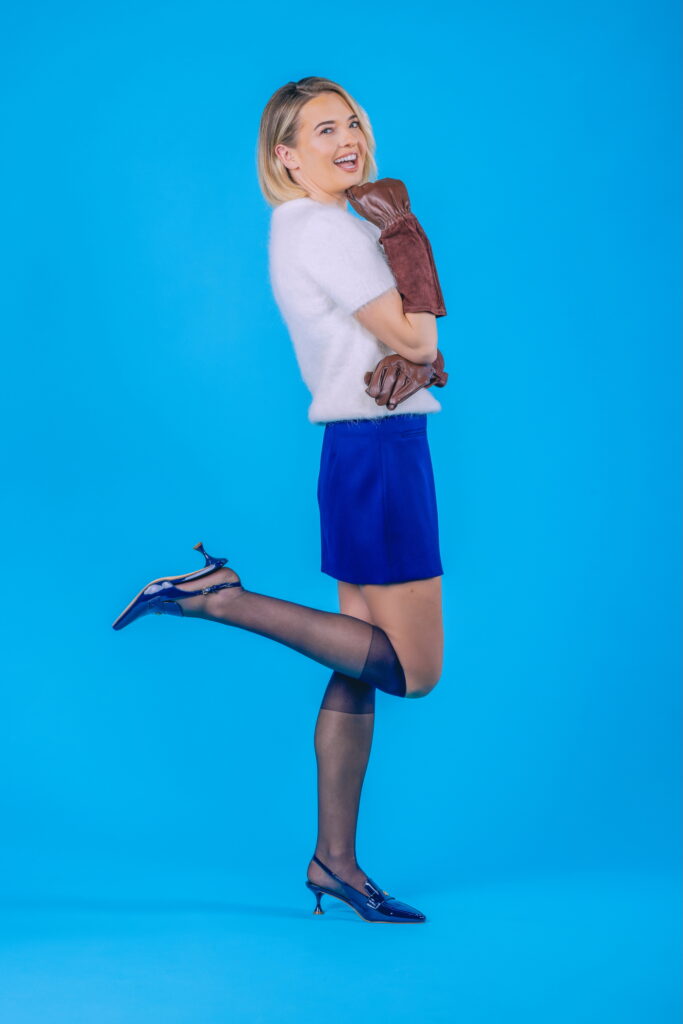
On your podcast, the conversation lives closer to real time—messy, unfinished, sometimes contradictory. Has hearing yourself speak without heavy mediation changed the way you understand your own voice?
Yes, I think contradictory is a great way to describe it! I don’t mean to be but having “Yacht Mess” has shown to me how quickly I can change my mind and how quickly I can be persuaded to change my mind. I don’t think it’s a bad thing but I am having to learn to admit when I am wrong or admit when my opinions can be too opinionated. I like to always think I am right, I am stubborn like that, but “Yacht Mess” has shown me how quickly I can change my mind and I love that I have another platform where I can reflect on and help me grow as a person.
As you build projects outside of yachting—podcasting, publishing, future ventures—what skills from the industry surprised you by translating most effectively?
There have definitely been skills that I had in yachting, that I have used in my new career, being organised is one- I have so much going on at the moment. It’s been challenging keeping up, with travel arrangements, meetings, dealing with different time zones, but my organisational skills have helped me for sure.
I think my skills in flexibility have also been very useful. It is key to be flexible in the yachting industry as things are always changing, maybe due to owner requests or weather. Now my life heavily relies on me being flexible, things are constantly changing and it’s often due to other people’s requirements.
Networking is also a valuable skill. You will get a lot further in the yachting industry if you are social and are able to network. This has really helped me transition into this new phase of my life!
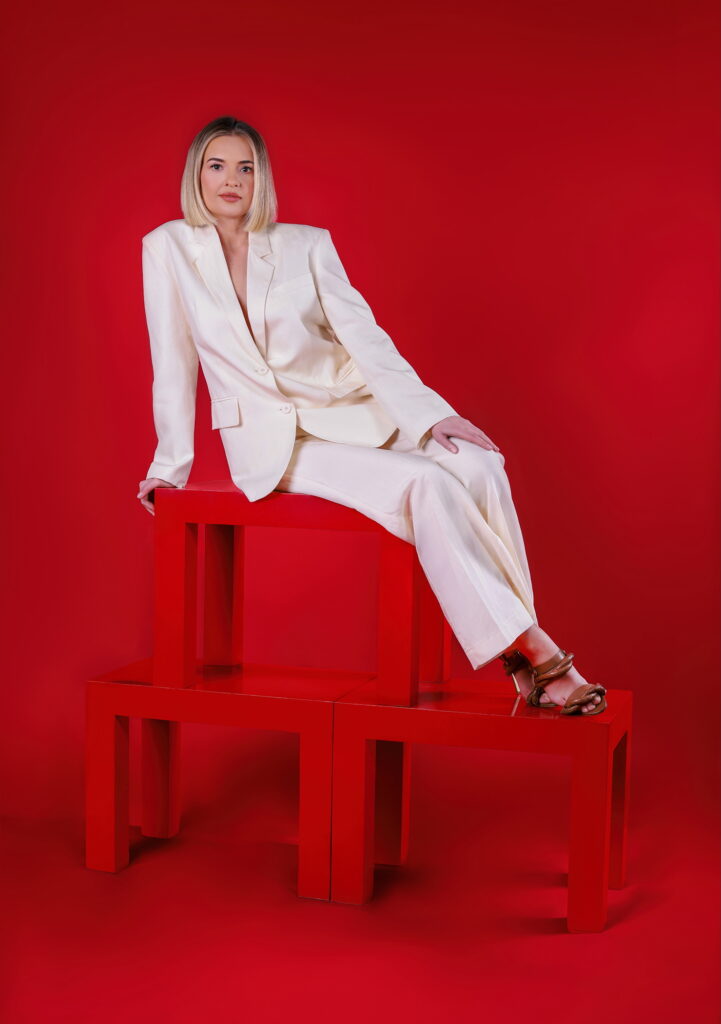
When the cameras eventually move on, what parts of your working identity do you feel most protective of carrying forward with you?
I really hope people see how hard I work and my work ethic. My whole experience on Below Deck has been so fun but the main thing is there is a huge team who puts this show together to make it what it is, and I always want to make sure I do a great job as a Chief Stew but I also want to make everyone else’s job who is involved easy too! I pride myself on being a good person to work with, with a good work ethic and hope that carries on long into my career.
If someone encounters your story years from now—not through television clips, but through how you’ve shaped your life—what do you hope they recognize as intentional rather than accidental?
I hope people always remember me as being kind. I have always tried to practise this with everything although I may not always succeed, this is something I hope my friends, families, coworkers and viewers always remember me as- being kind.
If there is a throughline in Daisy’s story, it is not fame or even resilience—it is deliberateness. She leads thoughtfully. She reflects publicly. She owns her contradictions. And above all, she returns, again and again, to kindness as a conscious choice rather than a passive trait. Long after the cameras shift focus, that will likely be the part of her legacy that remains intact: not just that she worked hard or entertained millions, but that she tried—imperfectly, persistently—to move through power without losing softness. In an industry that rewards performance, Daisy Kelliher’s most radical act may be that she has chosen to stay human.
Photography Danielle Herzog @danielleherzophoto
Hair & Makeup Lavi Maspero @Lavimaspero
Wardrobe By Irina Van Verseveld @wonderzuzu
Wadrobe Asst Xiomara D’oyen @xixi.themermaid
Produced By Kyree L. frazier @firstsight.intl & The Greay Firm
Related Posts



Adam McArthur Finding Humanity Inside Anime’s Biggest Battles
Voice in the Chaos
Echoes Across Worlds: Inside Abby Trott’s Voice Legacy
From Puppets to Global Fandoms

The Power of Preparation: Elijah M. Cooper on Growth, Grit, and Grounding
Staying Human in a High-Profile World
Between Vulnerability and Strength: Andrew Liner’s Story
Unscripted Truths