


Commodore Is Betting That Less Technology Has Become a Premium Product

By DaMarko Webster
For decades, the technology industry has competed on a simple promise: more.
More processing power. More applications. More connectivity. More reasons to reach for the device in your pocket.
Each new generation of smartphones expanded what a phone could do, and consumers embraced the convenience. Mobile devices became cameras, televisions, wallets, offices, navigation systems, and entertainment platforms all at once. Success was measured by capability, and capability almost always meant adding another feature.
Commodore is making a different argument.
Its latest distraction-free mobile phone is not designed to outperform today’s flagship smartphones. It is designed to remove many of the experiences that have come to define them. Rather than maximizing engagement, the device prioritizes intentional use, offering essential communication tools while deliberately limiting the endless stream of digital distractions that dominate modern mobile life.
That makes the phone less interesting as a piece of hardware than as a reflection of changing consumer behavior.
For years, technology companies invested heavily in capturing attention. Algorithms became more personalized. Notifications became more persistent. Infinite feeds transformed idle moments into opportunities for engagement. Every platform competed for a larger share of a person’s day, and the smartphone became the gateway through which much of modern life was experienced.
The strategy worked.
Consumers have never been more connected.
They have also never been asked to manage so many competing demands for their attention.
In response, digital wellness has quietly evolved from a niche conversation into a meaningful product category. Screen-time reports, focus modes, notification management, mindfulness apps, and productivity tools all point toward the same realization: consumers increasingly value products that help them control technology rather than simply consume more of it.
Commodore’s phone extends that idea one step further.
Instead of asking users to exercise more discipline while carrying a device designed to attract their attention, it changes the relationship between the user and the device itself. The limitation is no longer a personal setting hidden inside software. It becomes part of the product’s design.
That represents a notable shift in how value is being defined.
Historically, premium technology justified its price by offering more—more speed, more storage, more features, more performance. Commodore is suggesting there may now be another form of value: the ability to protect time and attention from constant interruption.
In many ways, that mirrors a broader change taking place beyond technology. Privacy has become a luxury. Quiet has become a luxury. Space has become a luxury. Increasingly, uninterrupted attention belongs on that list as well.
The company is not betting that consumers want less innovation.
It is betting they want more control over when innovation enters their lives.
Whether the device becomes a commercial success is ultimately a question for the market. But its existence says something meaningful about the direction of consumer demand. After years of celebrating products that could do everything, there is now room for products that intentionally choose not to.
That is not a rejection of technology.
It is a recalibration of its role.
The smartphone transformed how people communicate, work, and experience the world. Commodore is asking a different question: what if the next meaningful innovation is not another feature, but the confidence to leave one out?
Because in an economy built on competing for attention, the most valuable technology may no longer be the device that asks for more of your time.
It may be the one that gives some of it back
Related Posts

Four American Giants Are Leaving the S&P 100 Technology Is Taking Their Place
A New Class of American Giants Is Emerging

VUZ Revolutionizes Entertainment on Apple Vision Pro: Unveiling the Future of Immersive Technology
VUZ, a pioneering immersive social app and video platform.

Expanding Horizons: LG Smart TVs Unleash Endless Entertainment and Personal Development Through Innovative Apps
By Brian K. Neal LG Electronics (LG) introduces a diverse range of new
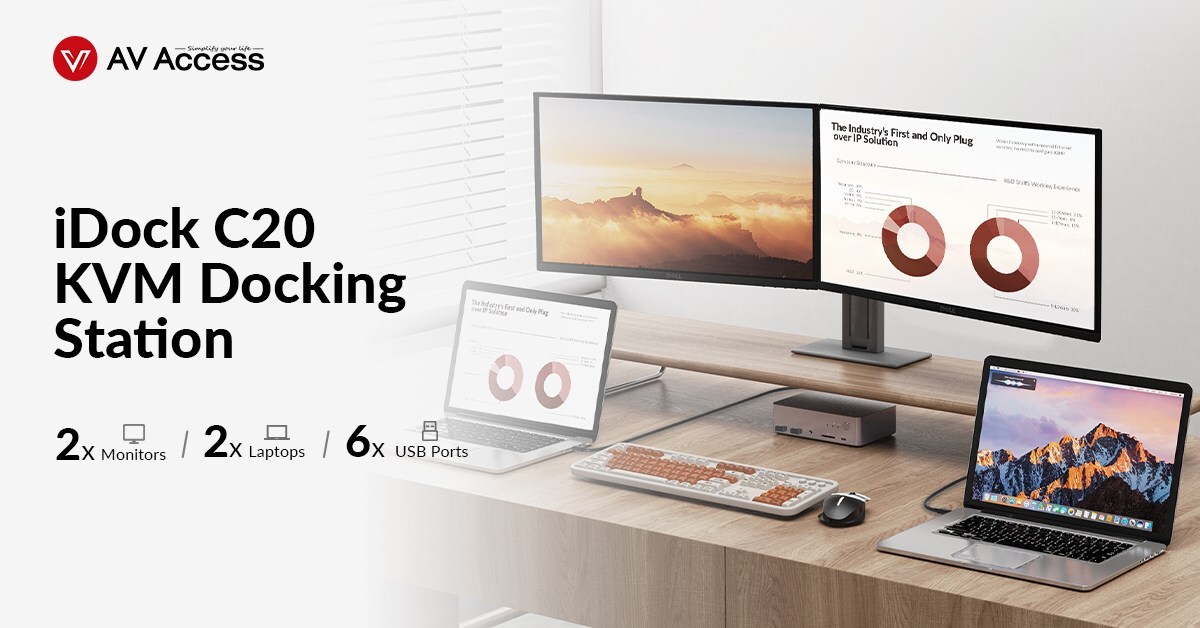
AV Access Launches the iDock C20: A Game-Changing KVM Switch Docking Station
AV Access Unveils iDock C20.
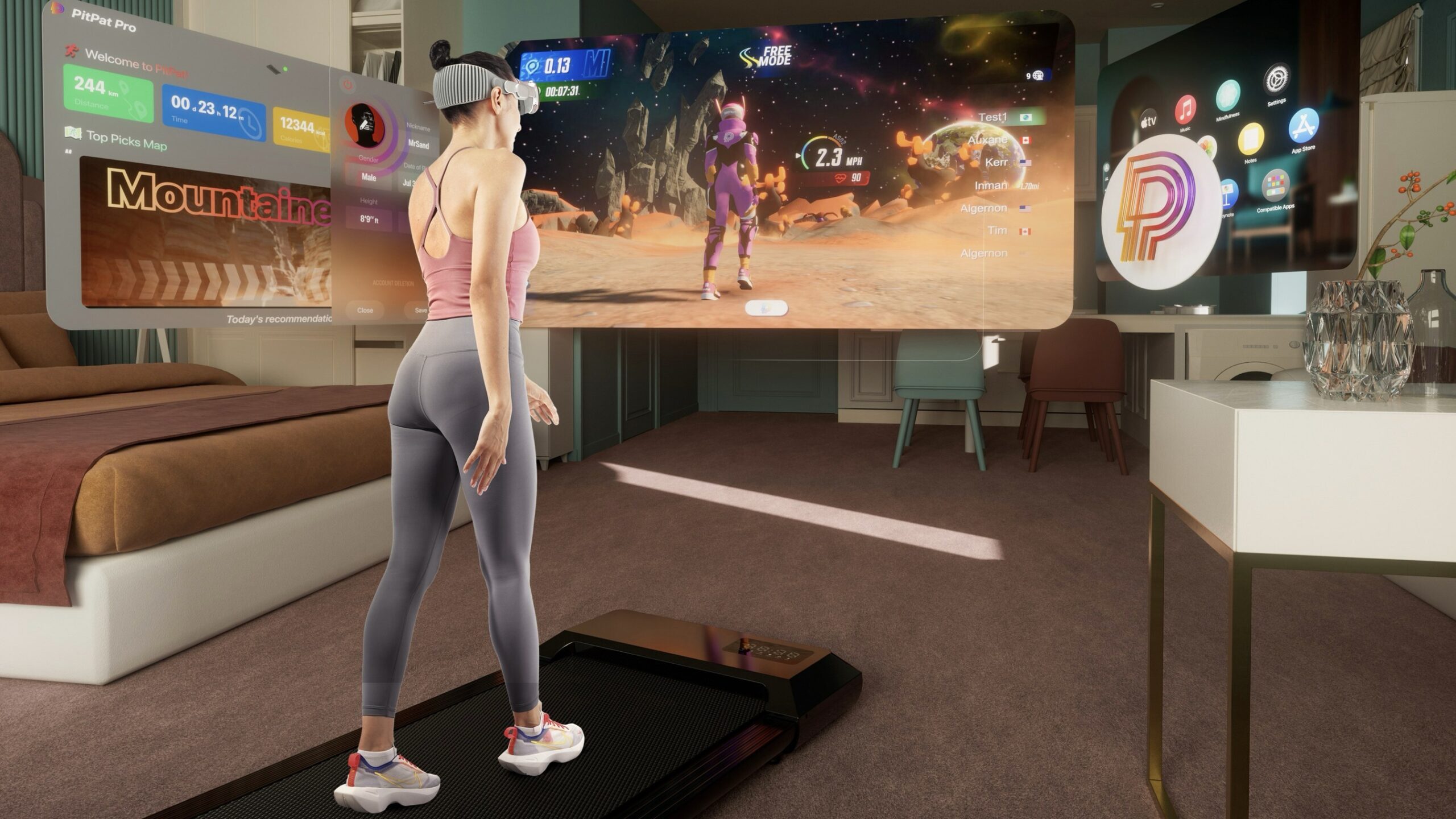
Debut of Inaugural Vision Pro Sports App Propels Expansion of Virtual Sports Events Index
Debut of Inaugural Vision Pro Sports App Propels Expansion of Virtual
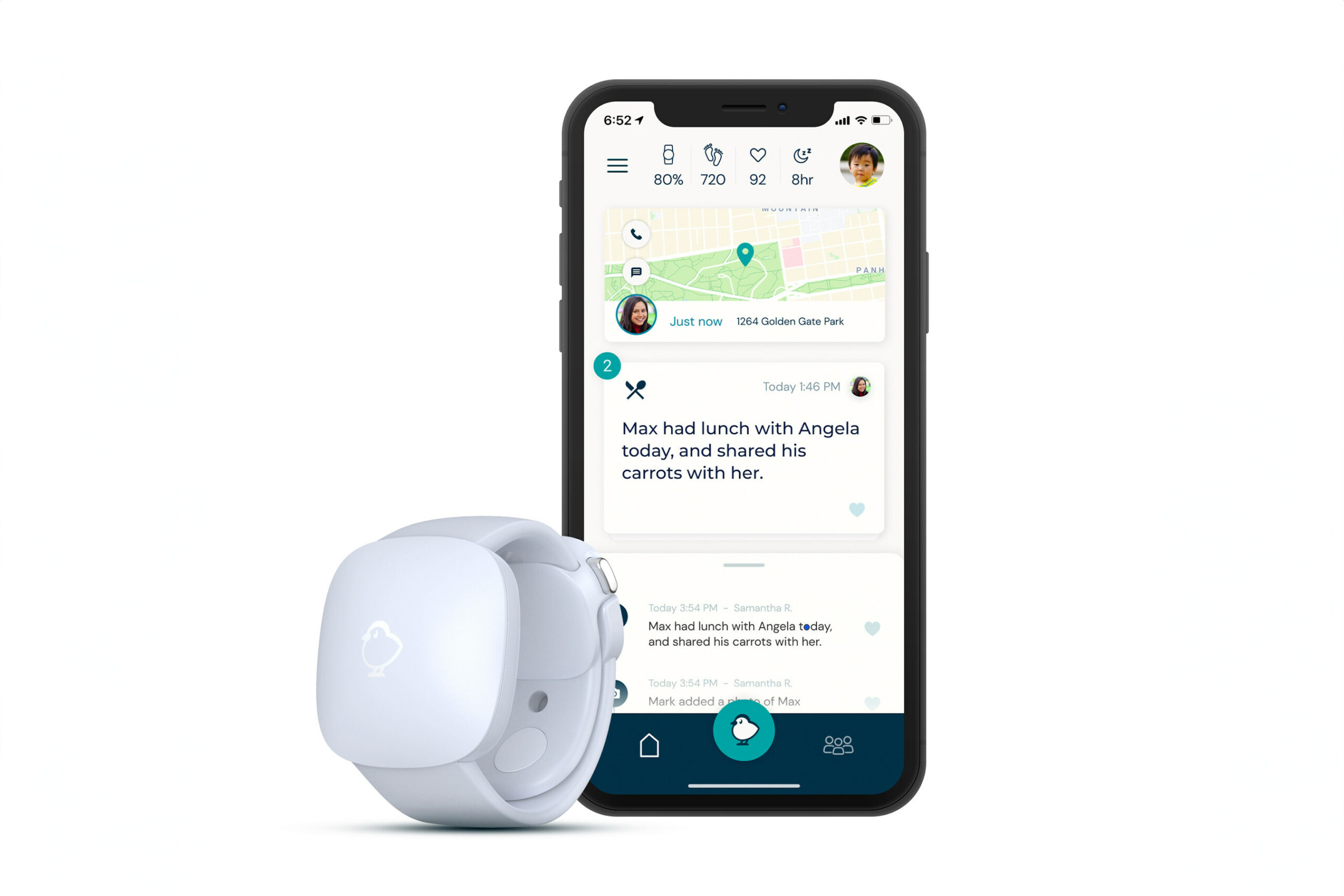
Littlebird Connected Care Unveils the Littlebird Marlon: The Apex of Digital Health Wearables for Kids
Littlebird Connected Care proudly unveils a groundbreaking achievement