

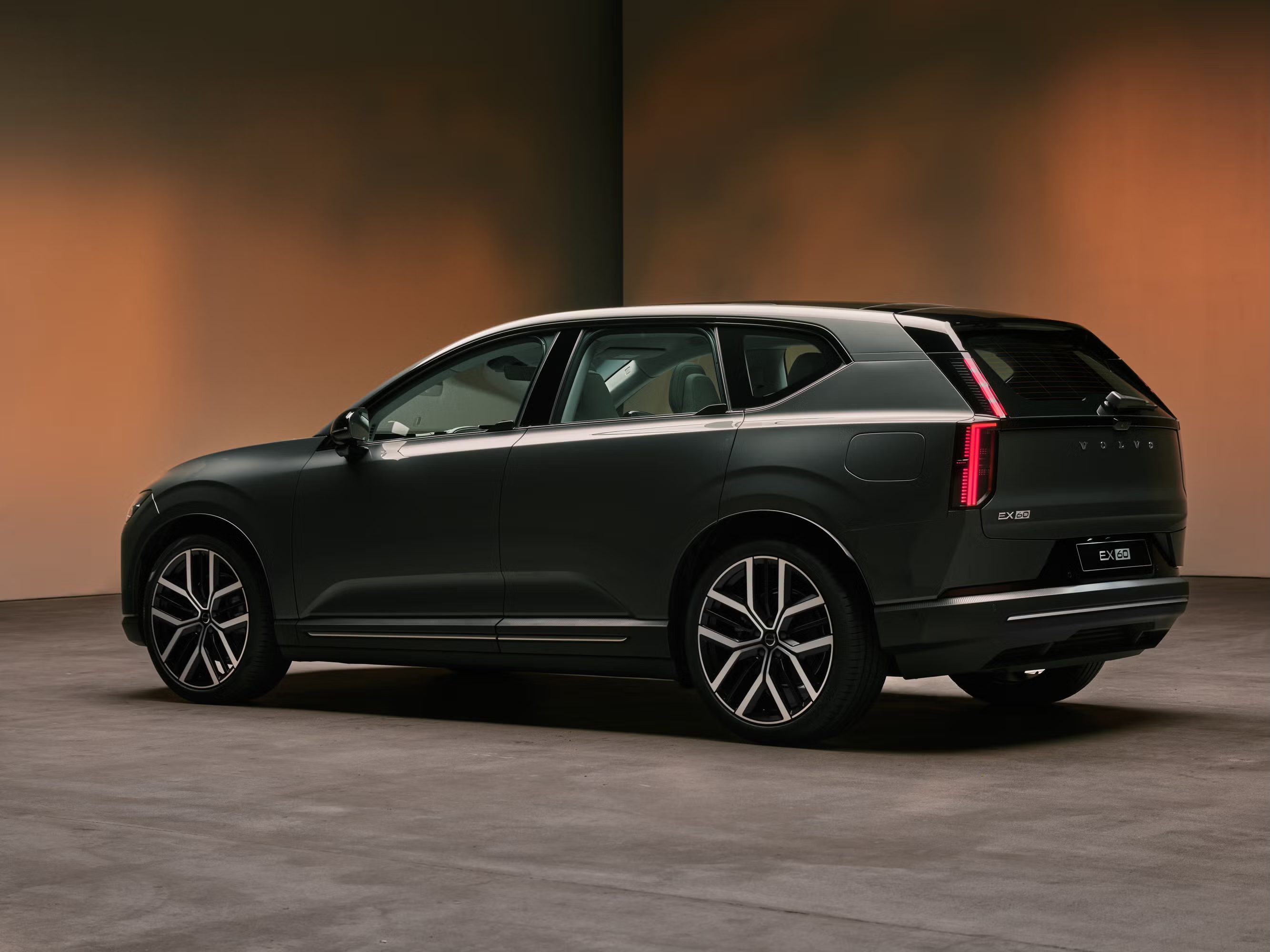
Calm Is the New Power: Volvo’s EX60 Redefines Electric Luxury
By Jarod Vincents
There is something quietly radical about the way Volvo Cars is approaching the electric future—particularly at a moment when the industry seems determined to treat electrification as either a spectacle or a provocation. The forthcoming EX60 does neither. It does not announce itself as a disruption, nor does it attempt to reframe driving as a software experiment. Instead, it arrives with a steadiness that feels almost defiant in its restraint, suggesting that the most compelling vision of what comes next may not require reinvention at all—only refinement.
The EX60 occupies a critical cultural position whether it intends to or not. The mid-size luxury SUV is no longer an aspirational category; it is the default. This is the segment where taste is tested and where trends stop being speculative and start becoming normative. Volvo understands this intimately. Rather than chasing the language of “firsts” or exaggerating the drama of going electric, the EX60 treats electrification as settled fact—a foundation, not a thesis. The result is a vehicle that feels less like a declaration and more like a conclusion drawn calmly from years of observation.
Visually, the EX60 resists the temptation to over-perform. There are no exaggerated gestures meant to telegraph futurism, no ornamental aggression masquerading as confidence. Its design language is clean but not austere, athletic but not theatrical. Lines have been softened rather than sharpened, proportions resolved rather than provoked. It is a car that appears fully aware of itself, uninterested in proving relevance because relevance has already been assumed.
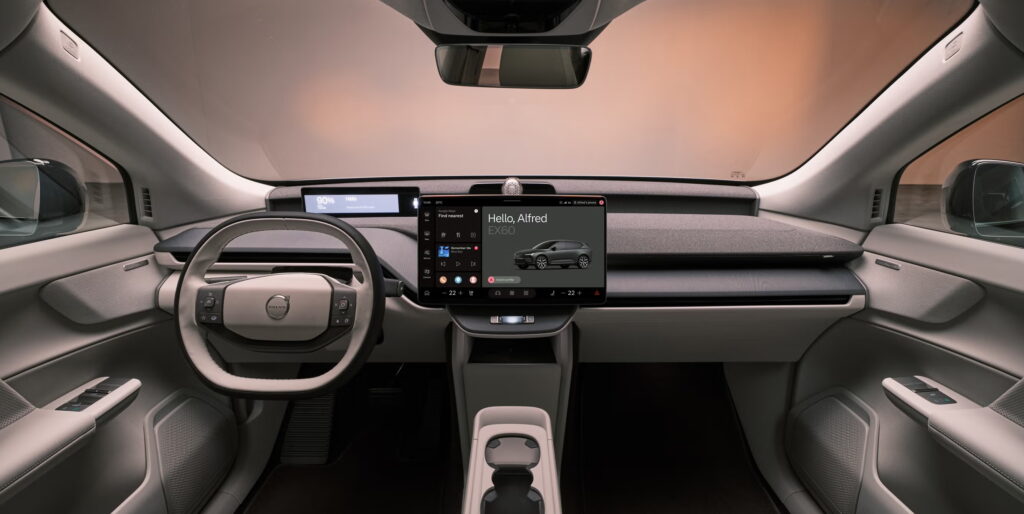
Step inside, and the tone continues. The cabin does not overwhelm or attempt to seduce through excess. Sustainability—so often treated as a moral badge—is integrated without ceremony through materials that feel considered instead of contrived. Screens exist, but they do not dominate the emotional experience. Technology is present, certainly, but it is allowed to fade into the background, supporting the rhythm of driving rather than interrupting it. There is a sense that the space was designed not for the thrill of discovery, but for long-term inhabitation—an interior meant to age with its owner rather than impress them once.
This is where the EX60 begins to reveal its deeper intent. Volvo is not merely selling an electric SUV; it is articulating a philosophy of modern luxury rooted in trust. Safety, long the brand’s anchor, is no longer advertised as a feature set but assumed as a baseline. Assistance systems are framed as guardians rather than overseers. Power and range—impressive by any measure—are present without insistence, as though Volvo understands that true confidence rarely demands attention.

In a cultural moment defined by tech maximalism, the EX60 feels aligned with a quiet countercurrent. There is a growing weariness with products that announce intelligence too loudly, that ask consumers to constantly marvel at their own complexity. What people increasingly seem to want instead are objects that feel resolved—capable, thoughtful, and subtly reflective of their values. The EX60 belongs to that category. It does not perform luxury in the traditional sense; it practices it.
That may be its most telling quality. The EX60 does not position itself as a status symbol so much as a signal—of taste, of discernment, of a willingness to choose longevity over spectacle. It suggests that the electric future, when done well, does not need to feel unfamiliar or chaotic. It can feel composed. Trustworthy. Human.
In a market crowded with electric vehicles competing for attention through novelty or provocation, Volvo’s EX60 proposes a different future altogether—one where progress is measured not by how much changes, but by how well things settle into place. It is not the loudest vision of electric mobility. But it may be the one that endures.
Related Posts
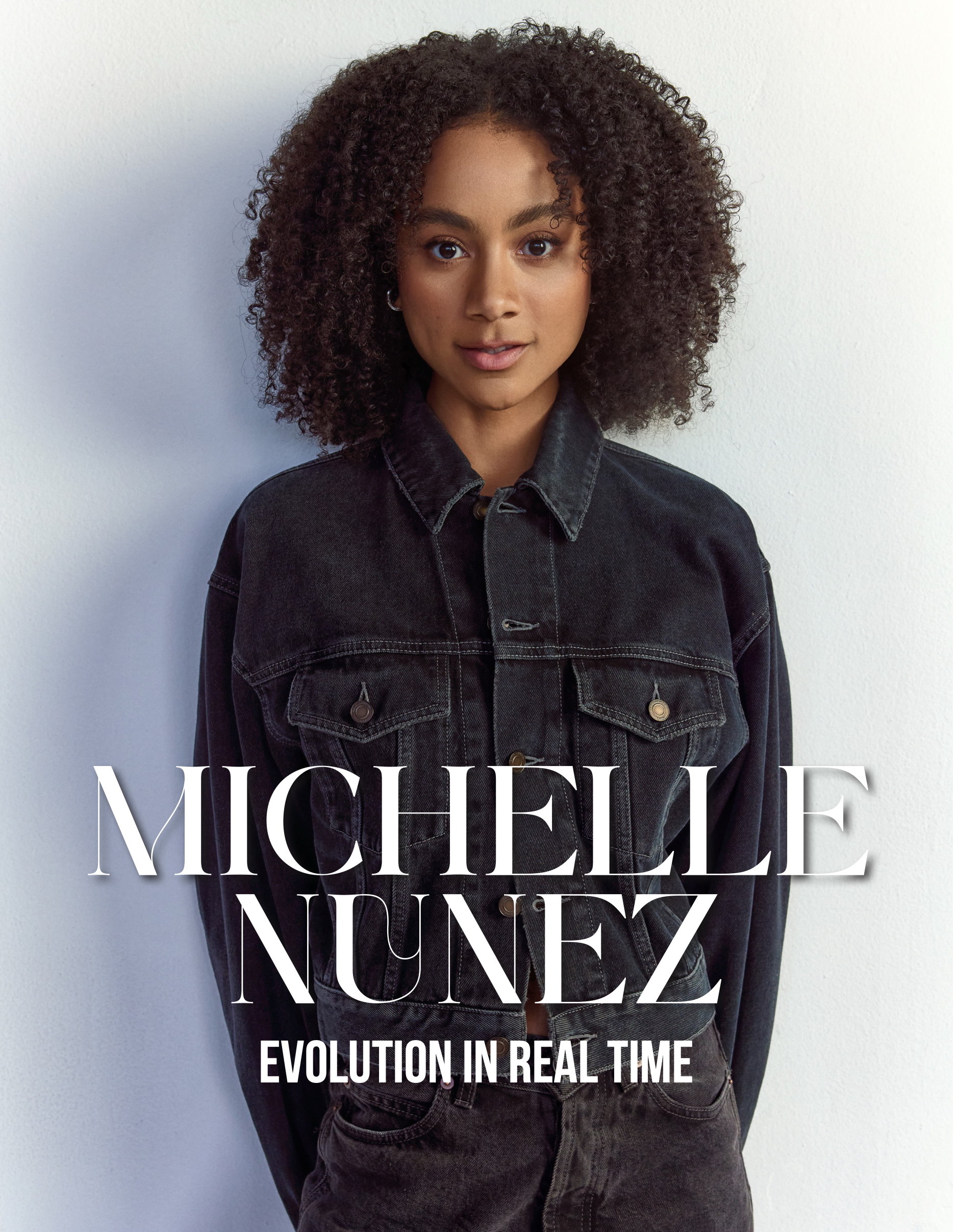
Michelle Núñez: Fearless in Film, Music, and Storytelling
Michelle Nunez multi talented.
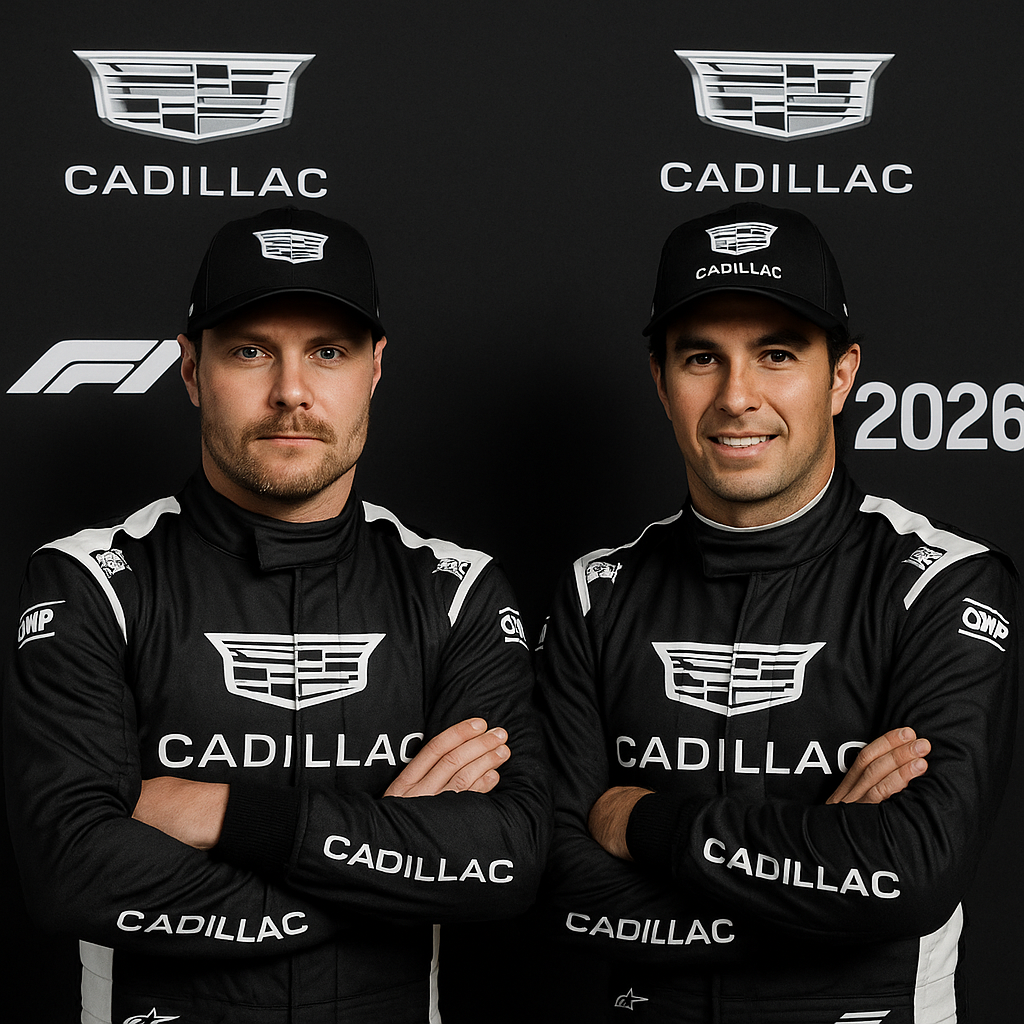
Cadillac Makes Bold F1 Entrance: Bottas and Pérez Lead 2026 Debut
From Detroit to the Grid
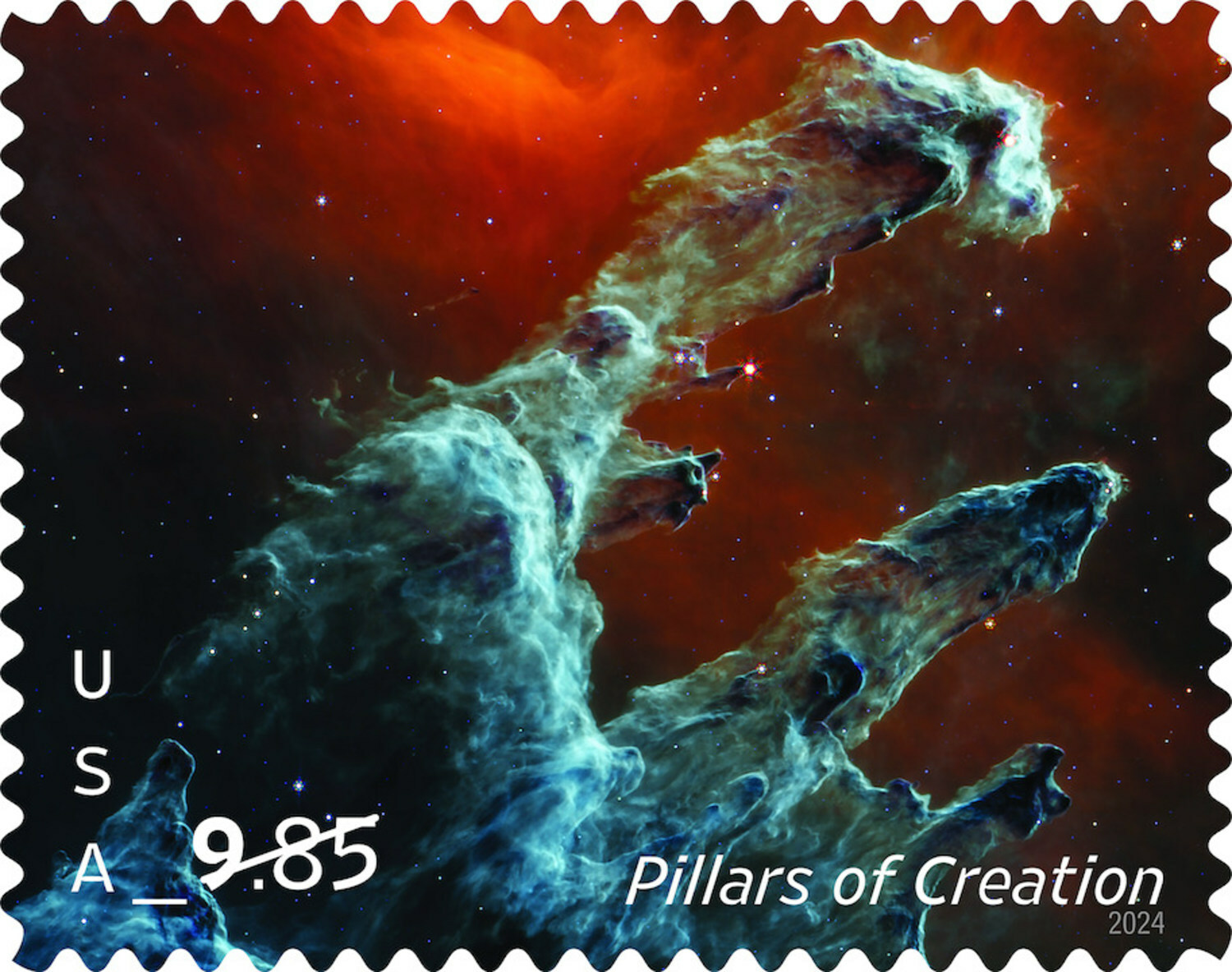
USPS Explores the Cosmos with Latest Priority Mail Stamps
USPS Explores the Cosmos.

The Weeknd and Blue Bottle Debut Two Fresh Ethiopian Single Origin Coffees
The Weeknd continues to expand his collaboration with Australian coffe
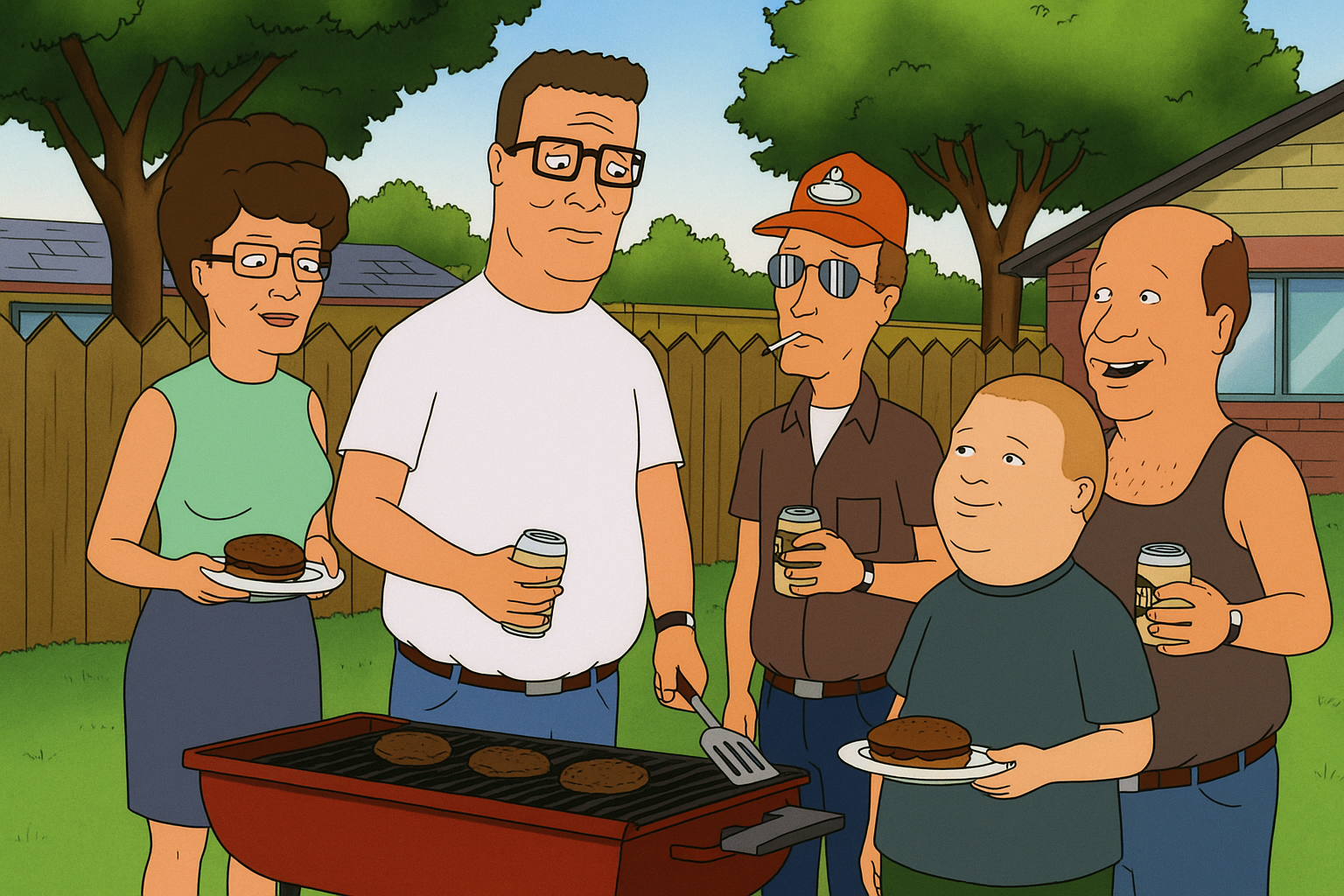
Long Live Arlen: Hulu Extends King of the Hill Through Seasons 16 and 17
Propane and Perseverance
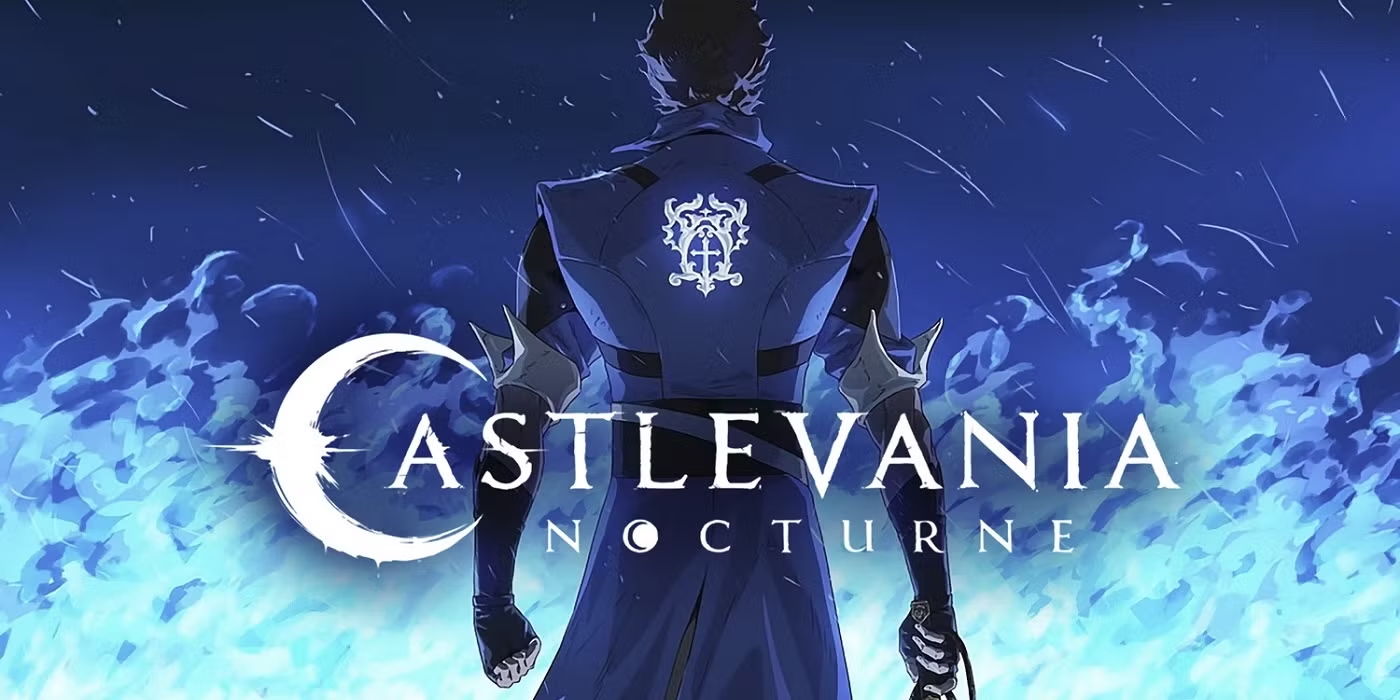
Netflix Unveils Trailer for Castlevania: Nocturne Season 2, Teasing High-Stakes Battles Between Vampire Hunters and Supernatural Forces
Netflix Releases Trailer for ‘Castlevania: Nocturne’ Season 2