


Lamar richardson Breaking standards in A broad way
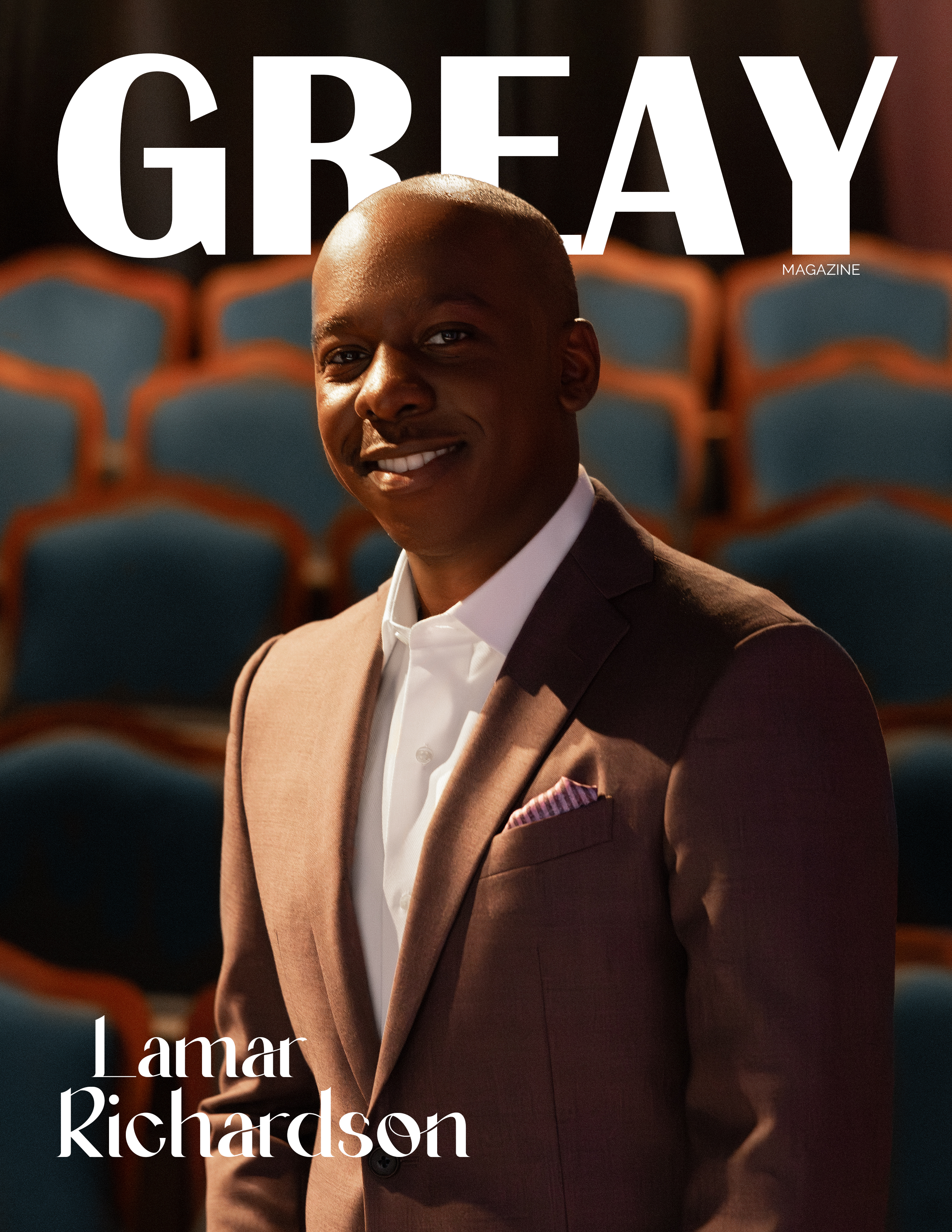
Story By Kyra Greene
Lamar Richardson was born in New Brunswick, New Jersey, the first in his immediate family to be born in the United States, the son of relentless Antiguan parents who understood the meaning of sacrifice long before success was ever a possibility. From the beginning, Richardson carried more than ambition—he carried responsibility. A quiet understanding that talent, when gifted, must be honored through discipline, vision, and purpose.
Today, Lamar Richardson stands as one of the most compelling forces shaping modern theater and screen. A producer and actor with a rare mix of elegance and grit, Richardson has helped shepherd landmark Broadway productions including Death of a Salesman and Merrily We Roll Along, contributing to moments that feel less like performances and more like cultural markers. His work doesn’t chase applause—it earns reverence.
That reverence reached a historic peak when Richardson became the youngest Black producer to win two Tony Awards in a single night. The achievement was more than personal—it was structural. A signal that the doors once considered immovable are not only opening, but being rebuilt by those who were never meant to pass through them. In redefining what power, authorship, and leadership look like on Broadway, Lamar Richardson isn’t just part of history—he’s actively writing the next chapter.

For Lamar Richardson, creativity wasn’t discovered—it was absorbed. His childhood unfolded in spaces where storytelling lived naturally: church halls where skits and plays weren’t extracurricular but communal language, and living rooms where afternoons spent watching soap operas with his grandmother became early lessons in rhythm, emotion, and character. These moments didn’t feel formative at the time—they simply felt like home.
The turning point arrived in high school, inside a classroom reenactment of Their Eyes Were Watching God. What began as an academic exercise revealed something deeper: a recognition of self within story, of purpose within performance. In that moment, Richardson didn’t just see a path—he understood his direction. The entertainment industry wasn’t a distant ambition; it was a calling made clear through lived experience and cultural inheritance.
With that clarity came commitment. Richardson leaned into the work with precision and patience, fully aware that vision alone would never be enough. At 22, he began at the foundation—serving as an assistant to legendary acting coach and filmmaker Susan Batson. It was a masterclass not only in craft, but in discipline, excellence, and endurance. From observation to immersion, Richardson learned that longevity in this industry is built through humility first—and mastery over time.
The role proved foundational—an immersion that sharpened Richardson’s instincts while placing him inside a living network of artists, mentors, and collaborators. It was less about proximity to power and more about proximity to process: learning how vision is protected, how taste is refined, and how excellence is sustained long before recognition arrives.

That patience paid dividends. Now 31, Lamar Richardson is a two-time Tony Award winner, honored for his work as a co-producer on the revival of Appropriate and the musical revival of Merrily We Roll Along. The arc from determined assistant to award-winning producer isn’t a leap—it’s a climb, marked by consistency, discernment, and an unwavering standard.
Richardson’s story isn’t framed by overnight success, but by earned authority. Each credit, each collaboration, each decision reflects a relentless pursuit of excellence—proof that longevity in this industry is built deliberately, with intention, and on one’s own terms.


Despite the accolades, Lamar Richardson remains firmly grounded. The magnitude of his achievements still carries a sense of disbelief—less as a contradiction, more as a reminder of the discipline and sacrifice required to reach this height. Success, for Richardson, is never abstract; it is earned, felt, and continuously weighed against the realities that shaped him.
He speaks candidly about the resistance he’s encountered along the way—navigating racial bias, industry skepticism, and the quiet doubt cast on his abilities due to his youth and humility. Yet none of it hardened him. Instead, those moments became accelerants, sharpening his resolve to let the work speak louder than expectation, and the results louder than perception.
Richardson’s advice to emerging artists is direct and unsentimental: never grow comfortable. Awards do not promise sustainability, and recognition does not equal security. The entertainment industry is cyclical, volatile, and unforgiving to those who mistake momentum for permanence. He points to a defining moment in 2016—working as a cashier at Target shortly after reaching a major career milestone—as a humbling reset, and a lasting reminder that survival in this industry demands resilience, adaptability, and the humility to rebuild when the ground shifts beneath you.
In Richardson’s world, success isn’t a destination—it’s a responsibility to stay ready.

Lamar Richardson’s story is not built on spectacle, but on substance. It is a study in talent sharpened by tenacity, and ambition guided by intention. From a childhood rooted in New Brunswick to the rarefied air of Broadway, where he now stands as a two-time Tony Award–winning producer and accomplished actor, Richardson’s ascent feels both extraordinary and earned.
What distinguishes his journey is not simply the accolades, but the clarity with which he understands their weight. His success expands possibility—quietly, materially, and with lasting impact—proving that excellence is not accidental, and access can be built where none previously existed. In a landscape that often confuses visibility with value, Lamar Richardson represents something more enduring: purpose, perseverance, and progress.
For the generations watching closely, his message is unmistakable—the spotlight doesn’t define the work. The work defines the spotlight.
Photos By DaMarko GianCarlo
Grooming By Kemi Kamugisha
Produced By Airport Famous Agency
3 Comments
-
Rochelle Mills
“…never become complacent. Awards and recognition do not guarantee sustained success or financial stability.” Truth! Though I work in affordable housing, I have to remind my team of this regularly. Sincerity doesn’t equal success also grounds me. Pushing for excellence, not perfection, is always our goal and when the stars align and we have success, it is that much sweeter. Keep on keepin’ on, Lamar Richardson!
-
Tonia Johnson
Great story! Will pass it forward


Comments are closed.
Related Posts
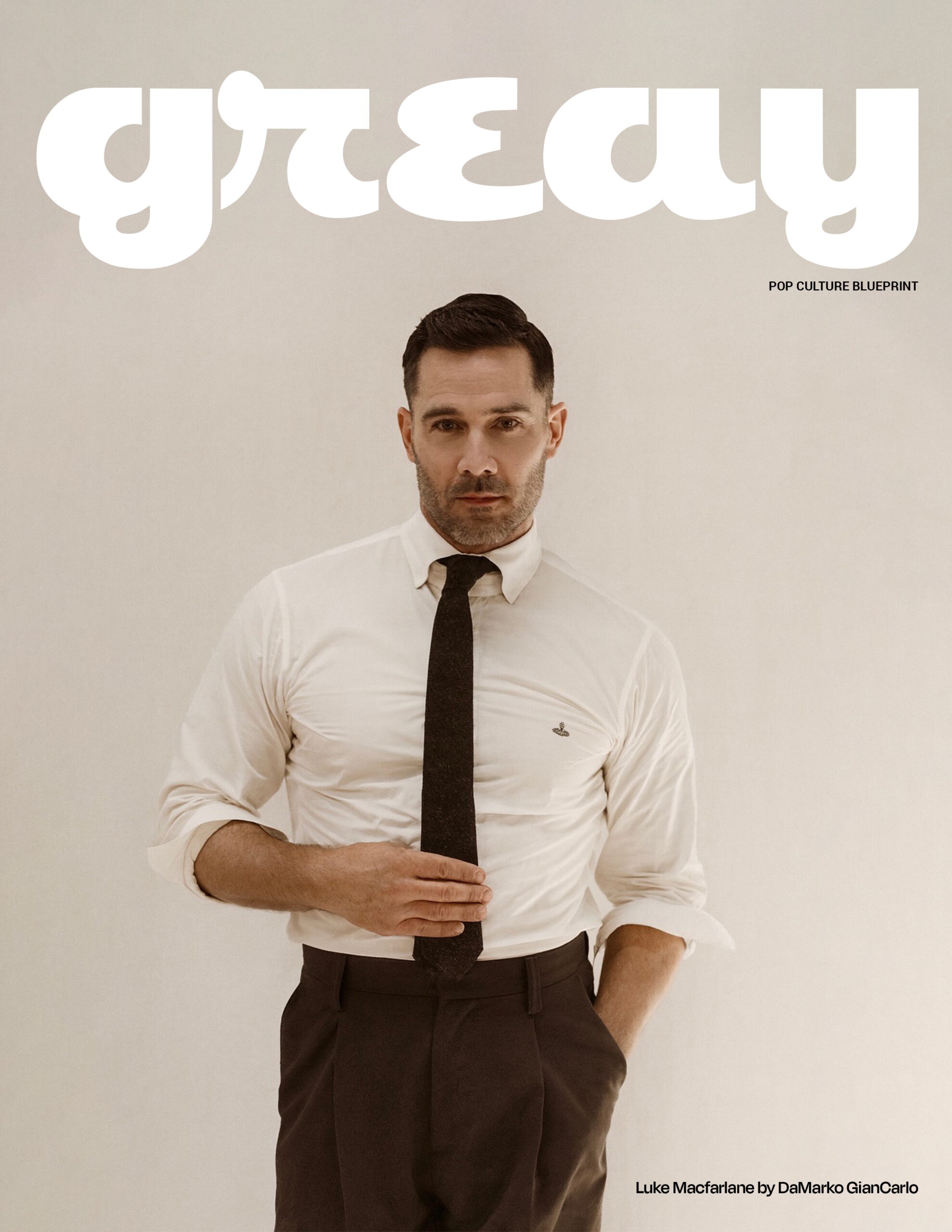
From War Zones to Hallmark Romance: Luke Macfarlane’s Relentless Range
Bochco, Bros, and Beyond
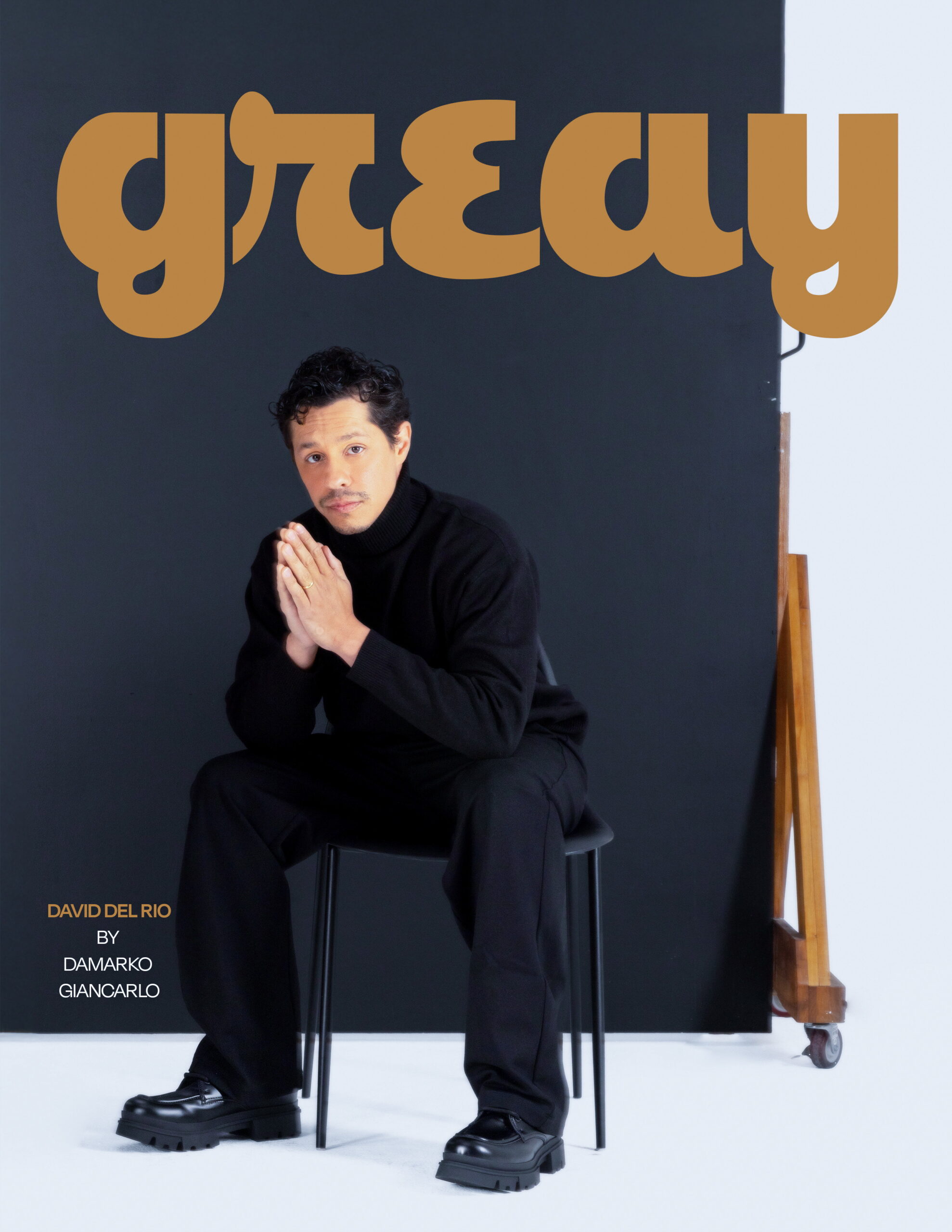
David Del Rio from Broadway to Courtroom
David Del Rio a man with many talents.

Eve Harlow Builds Through Structure, Then Lets It Breathe
Awareness Is Authority
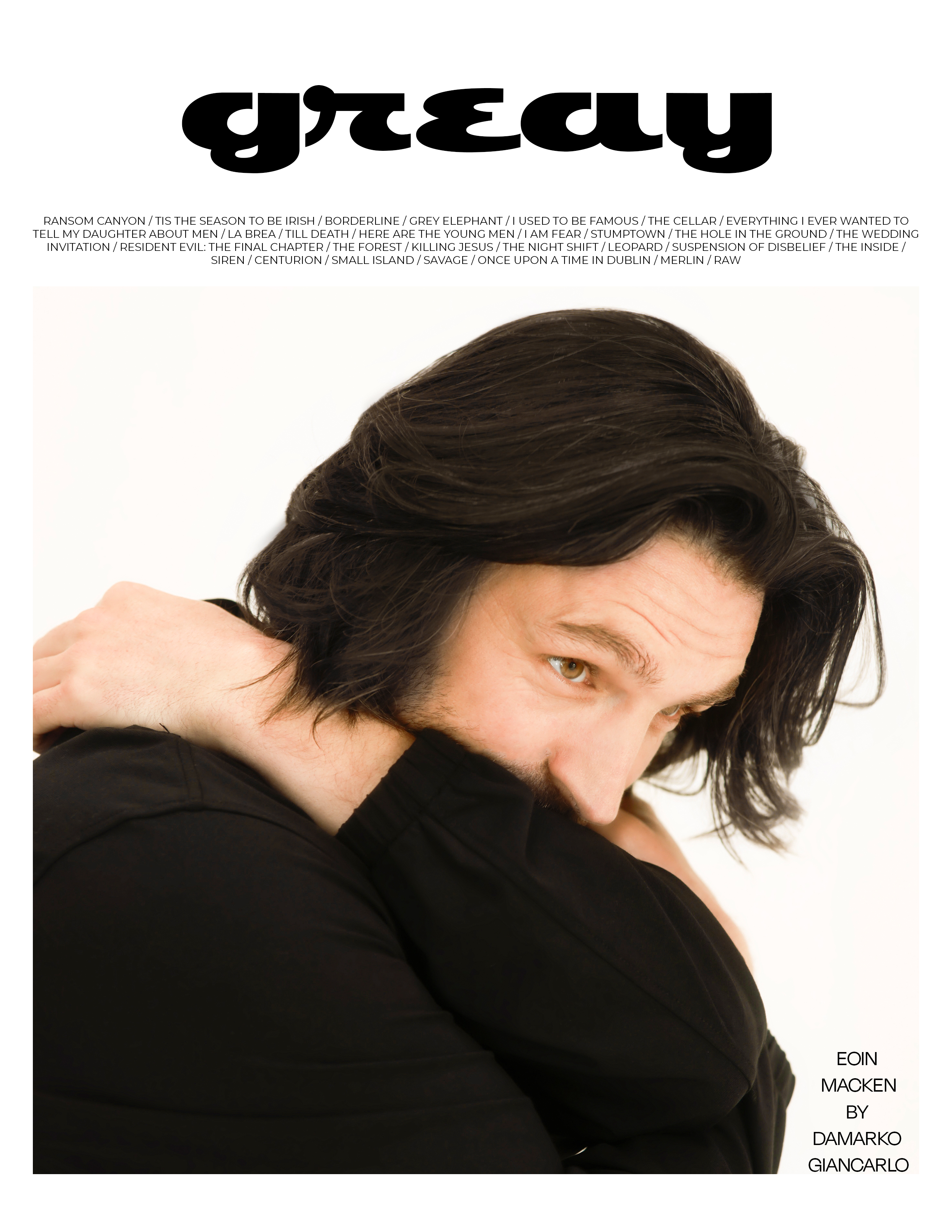
Breaking Ground in Ransom Canyon: Eoin Macken Rides Again
Rugged Roads & Raw Roles: Eoin Macken’s Creative Odyssey.

All American, All Heart: Michael Evans Behling’s Rise
Beyond the Game, Beyond the Screen
Felix “The Sultan” A Lion In The Urban Jungle
Felix "The Sultan" NYC Nightlife Royalty .
Rochelle Mills
“…never become complacent. Awards and recognition do not guarantee sustained success or financial stability.” Truth! Though I work in affordable housing, I have to remind my team of this regularly. Sincerity doesn’t equal success also grounds me. Pushing for excellence, not perfection, is always our goal and when the stars align and we have success, it is that much sweeter. Keep on keepin’ on, Lamar Richardson!