

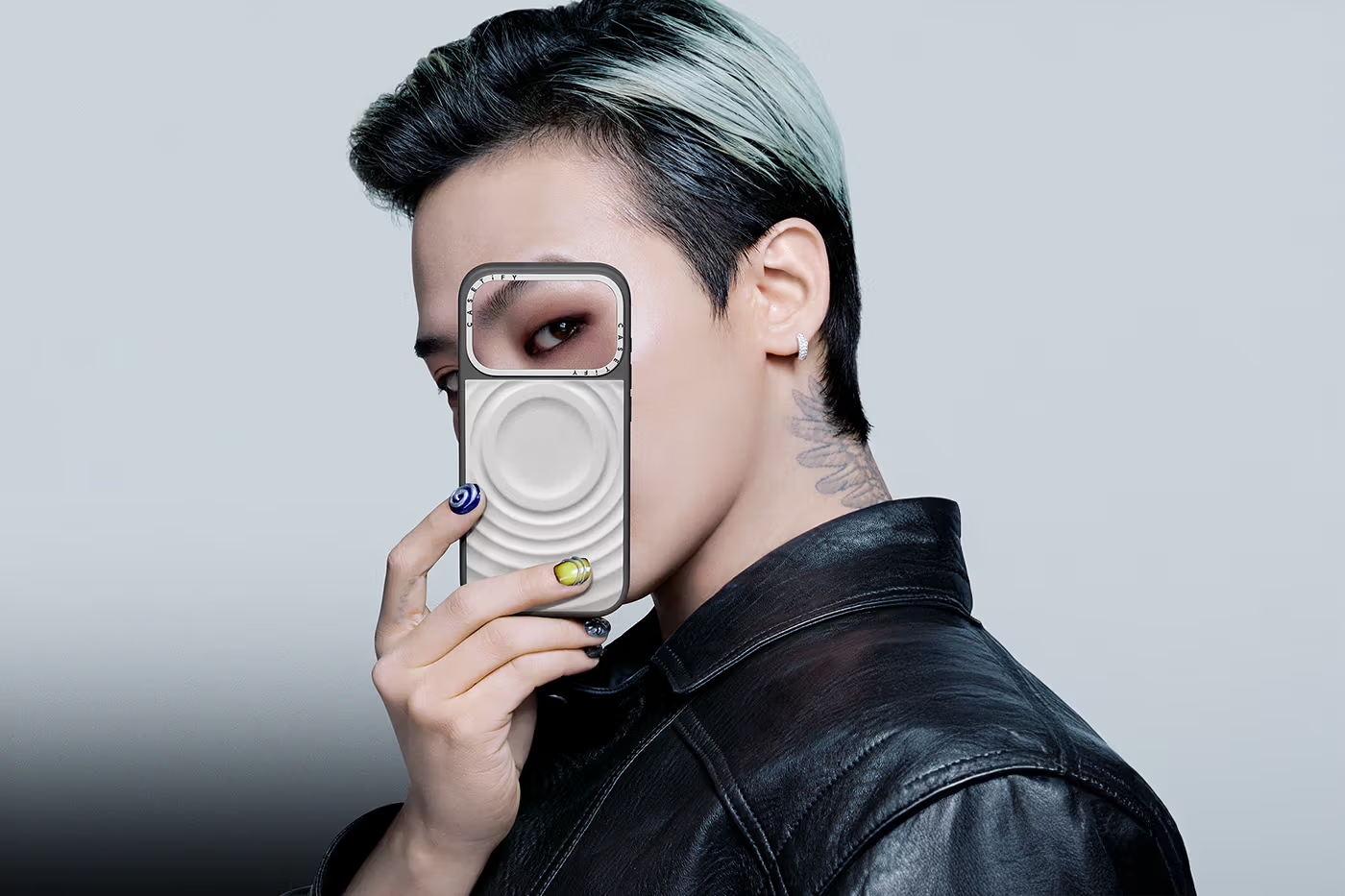
Beyond Collaboration: Creative Power Reassigned — G-DRAGON and the Author Era
By Lake Chinsay
There has been a quiet shift in how culture assigns creative power. Brands once borrowed relevance through endorsement; now, the most culturally fluent ones surrender authorship altogether. What was once image licensing has become creative trust — and in that transfer, the nature of collaboration has changed.
In this model, the artist is no longer an accessory to a product. The artist becomes the logic behind it.
The collaboration between CASETiFY and G-DRAGON signals this shift with particular clarity. Not because of scale or celebrity, but because the relationship is structured around authority rather than appearance. G-DRAGON is not positioned as a face of the brand, nor as a temporary collaborator. He is installed as a Global iCON — a role designed to influence creative direction, posture, and tone over time.
That distinction matters.
When brands invite artists into systemic roles, the work stops performing trend and starts expressing intention. Objects produced under this framework are no longer meant to shout. They are meant to endure.
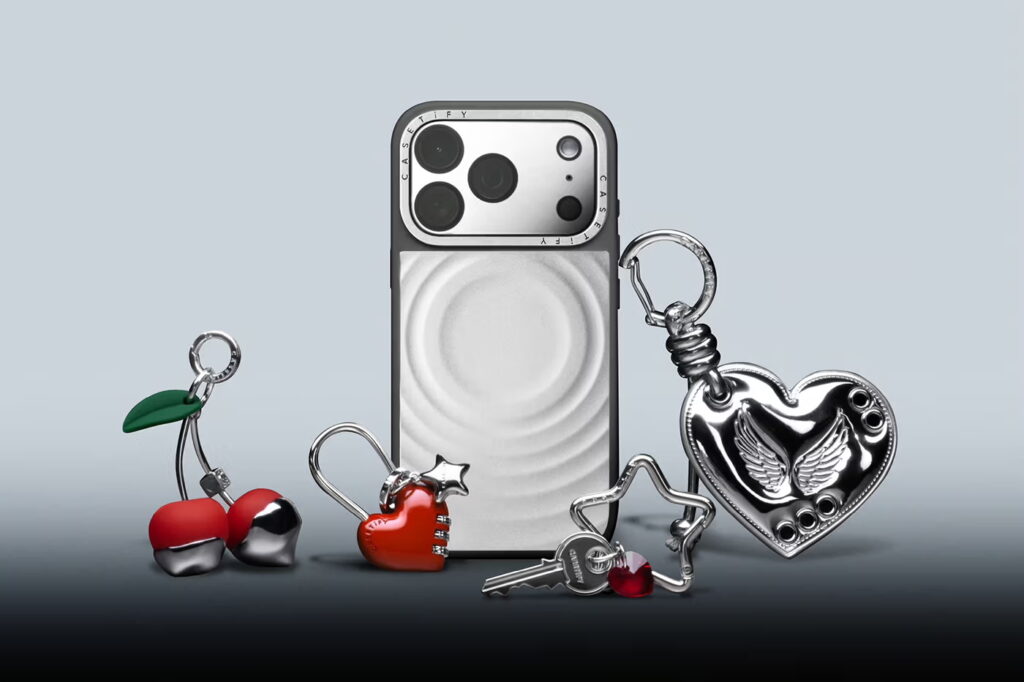
The collection operates across two conceptual registers: form and hue. One privileges material discipline — aluminum alloy, sculptural restraint, permanence. The other treats color as a language of identity rather than novelty. Neither is introduced as seasonal fashion or limited indulgence. Instead, the objects function as evidence of a broader reclassification: personal technology as authored space.
This is a departure from the disposability that has long defined tech accessories. Where cases were once replaceable shields, these are treated as extensions of personal architecture — daily objects that carry cultural intent. Their value is not derived from volume or immediacy, but from coherence.
What makes this moment durable is not the existence of the products themselves, but what they represent in aggregate. Brands are beginning to understand that credibility cannot be designed in isolation. It must be authored by individuals whose relationship to culture is already resolved.
G-DRAGON’s relevance here is not rooted in popularity, genre, or reach. It is rooted in authorship — in a career defined by self-directed identity rather than trend participation. That sensibility, when applied to a global brand system, produces work that feels deliberate instead of decorative.
This is not a story about collaboration as spectacle. It is a record of alignment — of when a company chooses to be shaped rather than styled.
As artists increasingly enter roles once reserved for executives and creative directors, the meaning of branding itself changes. Authority moves outward. Objects become quieter. And personal technology, long treated as disposable surface, begins to carry cultural weight.
The shift is subtle, but irreversible.
Related Posts

Feldspar to Launch World’s First Sensor-Enabled Running Track, Enhancing Athlete Performance and Transforming Live Sports
In a groundbreaking move, Feldspar has unveiled its latest innovation
Samsung Unveils Galaxy S25 Series: Redefining AI-Powered Smartphones
Samsung Announces New Galaxy S25 Series.

Gogoro Introduces Pulse, its Latest Cutting-Edge Smart scooter
Gogoro Unveils New Flagship Smartscooter, Pulse.
Xencelabs Reveals Revolutionary 16-Inch 4K OLED Pen Display: The Perfect Fusion of Professionalism and Mobility
Xencelabs Reveals Revolutionary 16-Inch 4K OLED Pen Display

Govee Introduces New Dune-Inspired TV Backlight Packaging in Collaboration with Warner Bros. Pictures and Legendary Pictures, Marking the Arrival of Dune: Part Two
Govee Introduces New Dune-Inspired TV Backlight

KitchenAid Didn’t Redesign the Mixer—It Reprogrammed It
The Icon Stayed. The Intelligence Moved