

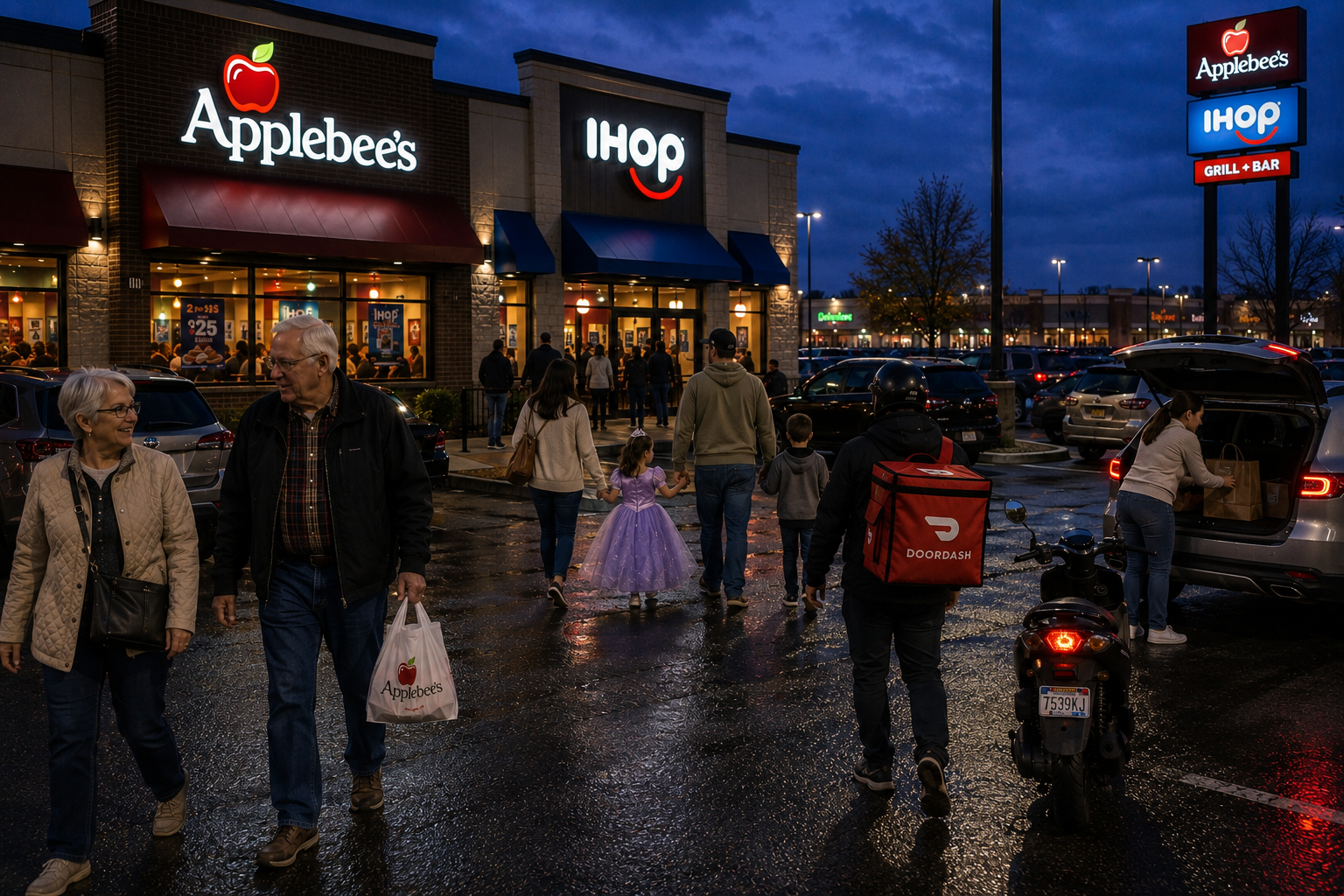
Applebee’s and IHOP Are Turning Restaurants Into Platforms
By Karine Jackson
For decades, restaurants competed through specialization. One place was known for breakfast. Another was known for burgers. Another was known for family dinners. Consumers were expected to choose a destination before they arrived.
Increasingly, they are choosing something else.
The decision by Applebee’s and IHOP to operate under one roof is not simply a restaurant experiment. It reflects a broader shift in how consumers interact with businesses. People are becoming less interested in choosing between experiences and more interested in finding places that can accommodate multiple needs at the same time.
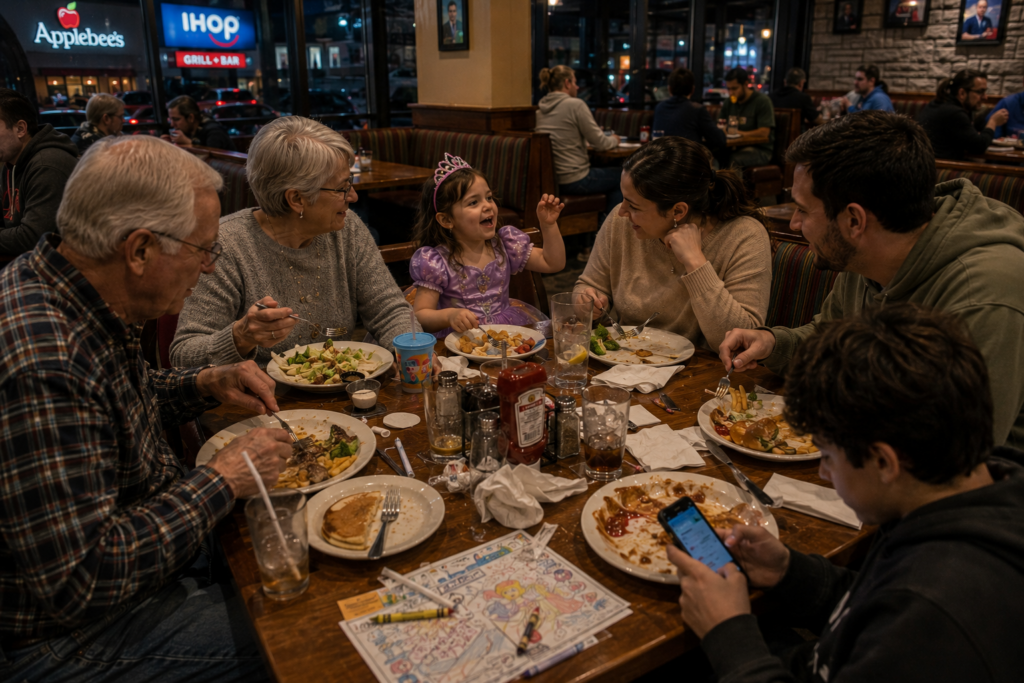
A family dinner illustrates the change perfectly. A grandparent wants a traditional meal. A child wants pancakes. A teenager wants something entirely different. In the past, compromise was part of the process. Today, consumers increasingly expect flexibility. They want destinations that adapt to them rather than destinations that require them to adapt.
That expectation has quietly transformed entire industries.
Streaming platforms replaced rigid television schedules with vast libraries of content. Retailers evolved into ecosystems of products and services. Technology companies expanded beyond singular offerings into collections of experiences designed to keep customers engaged across more moments of their lives.
Consumers have become accustomed to access.
The businesses responding most effectively are finding ways to provide it.
What makes the Applebee’s and IHOP partnership notable is that it brings platform thinking into a category traditionally built around specialization. One brand built its identity around breakfast. The other became synonymous with casual dining. Together, they become something larger than either concept on its own. The objective is no longer to win a specific meal. The objective is to become useful across a wider range of occasions.
That distinction matters because modern businesses are increasingly competing for moments rather than transactions. The question is no longer simply what a company sells. The question is how many needs it can satisfy within a single visit, subscription, destination, or experience.
Consumers may never describe it as platform strategy. They simply experience it as convenience.
A family arrives for dinner. A delivery driver picks up an order. A couple leaves with takeout. A child still wearing a princess dress from a birthday party sits down for pancakes while her grandparents order something entirely different. No one is thinking about business models. They are simply using a place that accommodates their preferences without forcing a choice.
That is precisely why the idea is powerful.
The future may not belong to the businesses that offer the best singular experience. Increasingly, it may belong to the businesses that offer the most useful combination of experiences. Applebee’s and IHOP may be serving breakfast and burgers under the same roof, but the larger story is about a marketplace that is steadily rewarding flexibility over specialization. In that sense, the restaurant is becoming something more than a restaurant. It is becoming a platform.
Related Posts

Lobos 1707 Tequila & Mezcal Unveils “Agent 1707” Starring LeBron James And Victoria Justice
LOBOS 1707 TEQUILA LAUNCHES CAMPAIGN
DORITOS® and EMPIRICAL Introduce Groundbreaking Nacho Cheese Beverage
Doritos has announced an exciting collaboration with the global flavor

FENTY x PUMA Creeper Phatty Returns in New Colors for Back-to-School Season
Rihanna Goes Back to School for FENTY x PUMA Creeper Phatty

ARMAGEDDON: The Event That Will Reshape the Marvel Universe
The Claws of the Apocalypse

Grand Marnier and Teezo Touchdown Celebrate 50 Years of Hip-Hop with Festive “(W)rapping Paper” Initiative
Grand Marnier is commemorating 50 years of hip-hop in style this festi

Ja Rule Unveils ‘The Sunrise Tour’: A Spectacular Celebration of 25 Years in Music and Culture, Set to Kick Off in Spring 2024
Renowned rapper, actor, entertainer, and entrepreneur Ja Rule is geari