

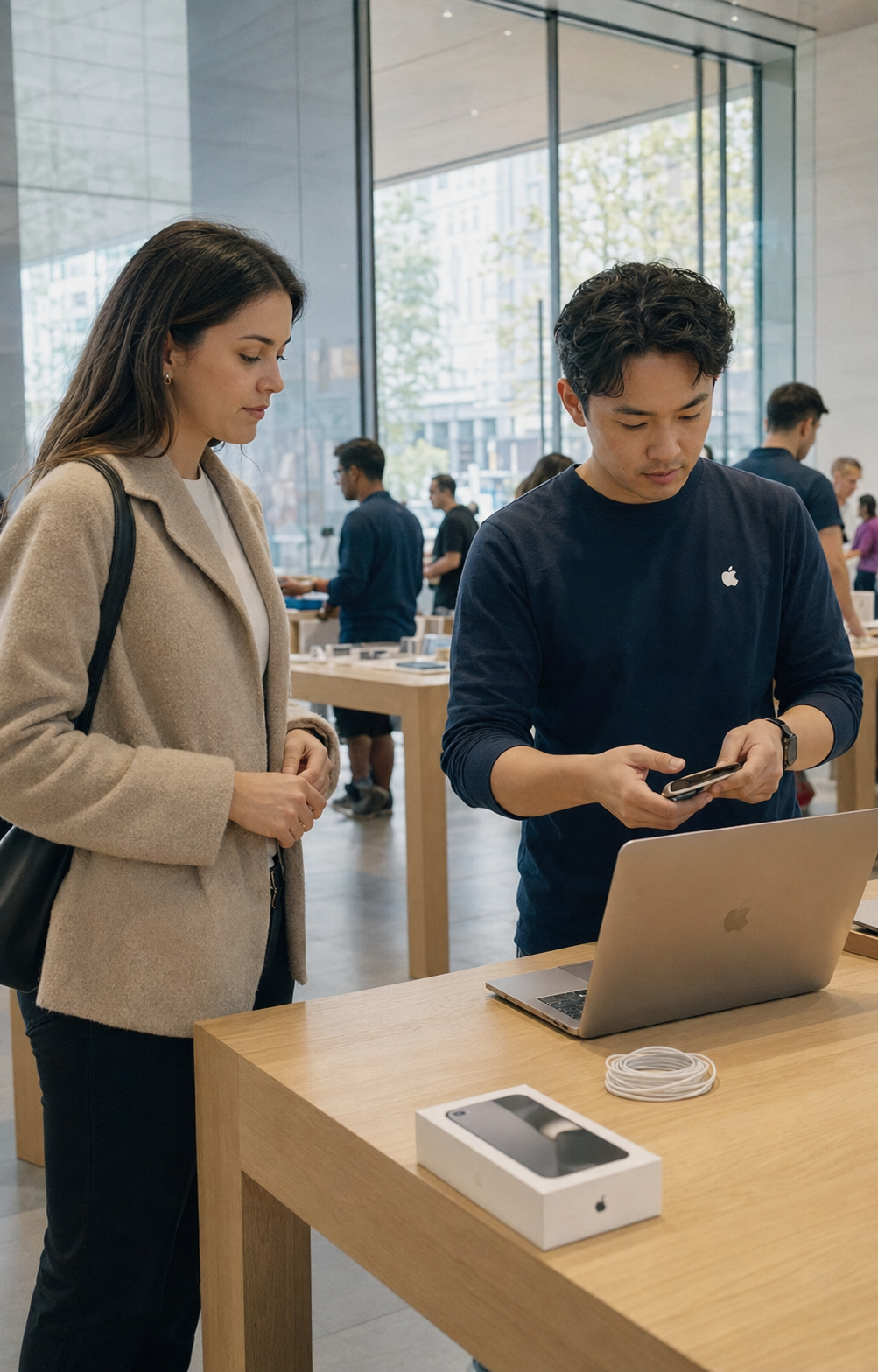
Apple Upgrade Makes Premium Technology Easier to Access—Not More Affordable
By Jayson Echo
Apple has spent decades convincing consumers that its products are worth paying more to own. Apple Upgrade introduces a different proposition: perhaps customers no longer need to own them at all.
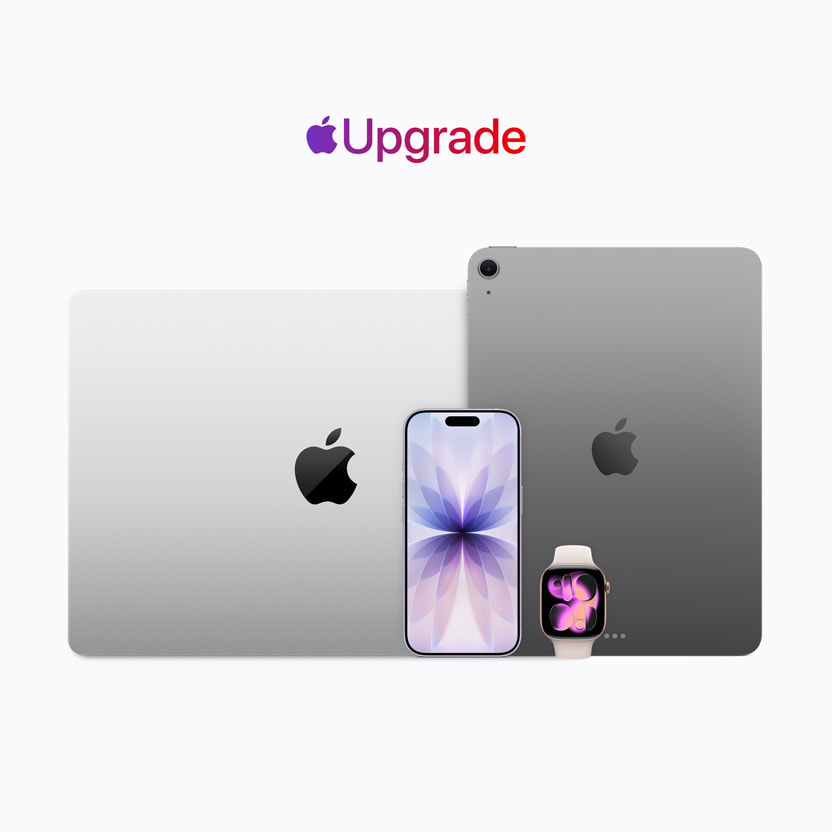
The new program allows eligible customers in the United States to lease an iPhone, iPad, Mac or Apple Watch through Klarna. Monthly payments begin at $17.99 for an iPhone, $11.99 for an iPad or Apple Watch and $24.99 for a Mac. Lease terms range from 12 to 36 months, depending on the product.
The offer arrives at a moment when the distance between wanting premium technology and being able to comfortably purchase it has become harder to ignore. Consumers may still view an iPhone or MacBook as essential to how they communicate, work and create, even when the full retail price no longer fits easily within the household budget. Apple Upgrade appears to close that distance by placing a smaller number in front of the customer and spreading the financial obligation across time.
But Apple has not lowered the price of its technology. It has changed the terms under which people can access it.
That distinction makes Apple Upgrade more than another checkout option. It is a significant adjustment to the commercial relationship between Apple, its products and the people who depend on them.
Apple describes the program with an appealingly simple phrase: “Love it. Lease it. Upgrade it.” The language emphasizes movement. Choose a device, make manageable monthly payments and exchange it for something newer when the lease concludes. Apple is not asking the customer to think first about the full retail price. It is asking whether the device can fit into next month’s budget.
That approach reflects how much of modern household spending is already organized. Housing, transportation, entertainment, software, insurance and communication increasingly arrive as recurring obligations. Apple Upgrade gives personal hardware a similar economic rhythm.
The strategy also extends beyond the iPhone. Apple’s former U.S. upgrade program centered on one product. Apple Upgrade brings eligible iPhones, Macs, iPads and Apple Watches into a broader leasing model while replacing the former iPhone Upgrade Program and iPhone Payments options in the United States.
For Apple, the advantage is substantial. The company can respond to affordability pressure without discounting its products or weakening their premium position. The retail price remains intact. Only the customer’s immediate point of entry changes.
Apple is not making the product cheaper. It is making the first payment smaller.
That smaller payment can be meaningful. For a person who needs a computer for work, a tablet for school or a phone to participate in modern life, lowering the initial barrier can make an otherwise inaccessible device attainable. Apple Upgrade should not be dismissed simply because it is a lease. Access has real value, particularly when the product serves as a tool rather than a luxury.
But the monthly payment does not tell the complete story.
Apple Upgrade is a consumer lease, not a traditional purchase or loan. Completing the scheduled lease payments does not automatically transfer ownership. At the end of the term, the customer must return the device, apply for a new lease on another eligible product or make a separate purchase-option payment to keep it.
Apple’s own pricing example illustrates the distinction. An iPhone 17 Pro priced at $1,099 can be leased for $31.99 per month over 24 months. The customer will have paid $767.76 before applicable taxes by the end of that term. If the phone is returned, those payments purchased two years of use. The customer leaves without the device and without an asset that can later be sold, kept or traded independently.
If the customer chooses to buy the phone, the lease payments are credited toward its original price, and the remaining purchase amount must be paid. The monthly payments are therefore not discarded if ownership is ultimately selected. But the advertised payment never represented the full cost of owning the device.
The same structure applies to Apple’s $1,999 MacBook Pro example. At $38.99 per month for 36 months, the customer pays $1,403.64 during the lease. Three years later, the computer must be returned, replaced through another lease or purchased by paying the remaining amount.
For someone who regularly wants the newest device and places little value on keeping older hardware, that exchange may be reasonable. For someone choosing the program because the monthly payment appears cheaper, the calculation is more complicated.
The lease reduces the cost of temporary access. It does not automatically reduce the cost of ownership.
The simplicity becomes even more conditional when the rest of the agreement is considered. AppleCare is not included. Customers can add it separately, but protection becomes another cost layered on top of the lease. That matters because the device must eventually be returned in good working condition.
Without AppleCare, damage can result in an additional fee. If a device is lost or stolen without applicable coverage, the customer may be required to pay the purchase-option amount. Even with AppleCare, service fees can still apply.
The agreement also limits the customer’s flexibility after Apple’s initial return period. Ending the lease early may require paying a fee equal to as much as the remaining scheduled payments while still returning the device. Upgrading early can produce a similar charge.
Finishing the lease does not guarantee access to another product. The customer must return the current device, apply for a new Klarna lease and qualify again. Approval is not guaranteed, and the next monthly payment may be higher.
The end of the lease also requires the customer to act. If the device is not returned, upgraded or purchased, the agreement can continue month to month for up to six months. Payments may increase when an initial trade-in credit expires. If the customer still takes no action, Klarna can charge the remaining purchase amount.
Even the return process carries a deadline. A customer beginning a new lease generally has 14 days after receiving the replacement to return the previous device. Until Apple receives it, payments on the original agreement can continue alongside those for the new one.
Apple reduces the relationship to three verbs. The contract contains considerably more.
Apple has not said that Apple Upgrade was created specifically because households are struggling with the cost of daily life. The program is also currently limited to the United States, making a direct claim about global economic conditions too broad. But the structure clearly acknowledges a market in which the monthly payment may matter more to the purchase decision than the total price.
Consumers do not encounter the price of an iPhone in isolation. That device competes with rent, groceries, utilities, transportation, insurance and every other recurring expense. Within that environment, a $31.99 payment can feel psychologically and practically manageable in a way that a $1,099 purchase does not.
Apple is commercially adjusting to that reality without becoming a lower-priced company.
This is what makes the program strategically intelligent. Apple preserves the premium value of its hardware while redesigning the financial interface around it. The customer sees a smaller monthly obligation. Apple maintains its pricing power. Klarna manages the lease and payment relationship. Returned devices can potentially reenter Apple’s refurbishment, resale or recycling channels.
Apple Upgrade does more than expand access. It converts affordability pressure into a new customer-retention system.
A consumer who cannot comfortably purchase the device can still enter Apple’s ecosystem. Once inside, the easiest path at the end of the term may be to return the product and begin another lease. Ownership becomes optional, but the relationship with Apple can become continuous.
That shift carries particular weight because an iPhone or Mac is not simply an entertainment purchase. These devices often contain a person’s work, photographs, financial information, health data, communication history and creative life. They operate as portals into services and relationships that can become difficult to leave.
Leasing that portal changes the meaning of access.
Under a traditional purchase, the financial relationship eventually ends. The customer owns the product and decides when to repair, replace, sell or trade it. Keeping the device for another year can create real economic value because the customer continues using it without another hardware payment.
Under a continuous leasing model, the relationship is designed to renew. The customer returns the device and begins another agreement, or makes an additional payment to preserve ownership. Access continues, but the payment relationship may never fully conclude.
That does not make leasing inherently harmful. For consumers who understand the arrangement, value predictable monthly expenses and prefer frequently updated hardware, Apple Upgrade may be useful. Its value depends on entering the program intentionally rather than being persuaded solely by the smallest number on the page.
The danger comes when a lower payment is interpreted as a better deal without accounting for what the customer gives up in exchange: automatic ownership, included protection, flexibility and control over the device’s eventual value.
Apple Upgrade is not an admission that Apple products have become too expensive. It is a system for keeping those products commercially attainable without requiring Apple to make them less expensive.
Apple has recognized the widening distance between premium pricing and household purchasing power. Its response is not to close that distance by reducing prices. It is to build a bridge across it using monthly payments, longer customer relationships and conditional access.
The customer receives the immediate benefit of a smaller bill. Apple protects the value of the product and creates another reason for the customer to return when the term concludes. Klarna manages the credit and leasing relationship. Much of the financial risk surrounding damage, early departure, protection and final ownership remains with the customer.
The program may help someone acquire a device they need today. But it does not reduce the economic pressure that made the full purchase difficult. It reorganizes that pressure into a recurring obligation.
That is the larger story behind Apple Upgrade. Apple is adapting in real time to a market in which consumers still want premium technology but increasingly need a different way to pay for it. The company is making its ecosystem easier to enter without making its products cheaper to own.
A lower monthly payment is not the same as a lower price.
Apple Upgrade should not be judged only by what a device costs to bring home. It should be judged by the total amount paid, the cost of protection, the obligations attached to leaving and what the customer will own when the agreement ends.
Apple has made premium technology easier to access. Whether that access represents genuine affordability is a much more complicated calculation.
Related Posts

Apple Sports App Rolls Out Real-Time Formula 1 Coverage
App Includes live leaderboards, lap times and real-time race updates.
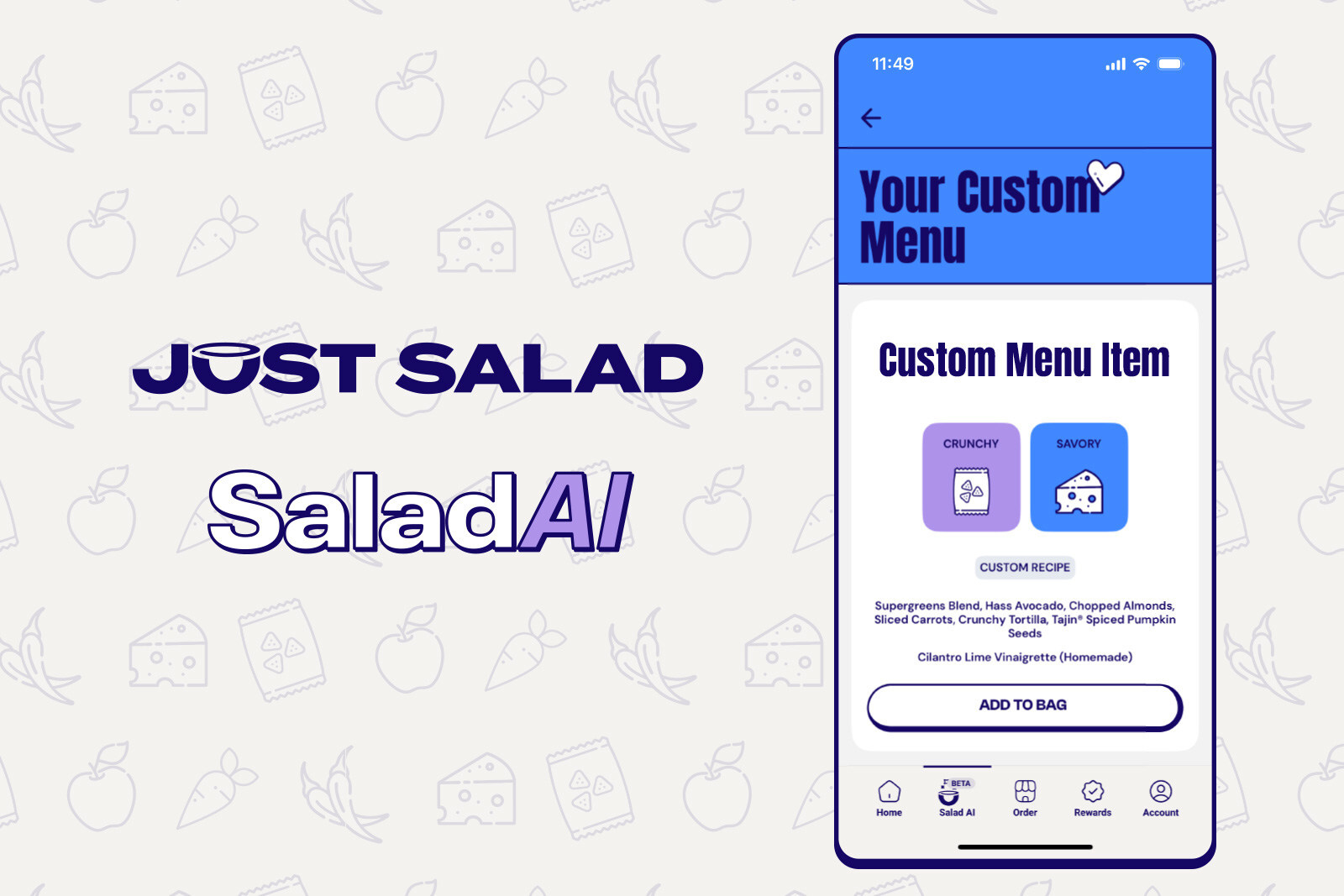
Just Salad Introduces “Salad AI”: Revolutionizing Personalized Dining
Just Salad Launches "Salad AI" Recipe Generator.
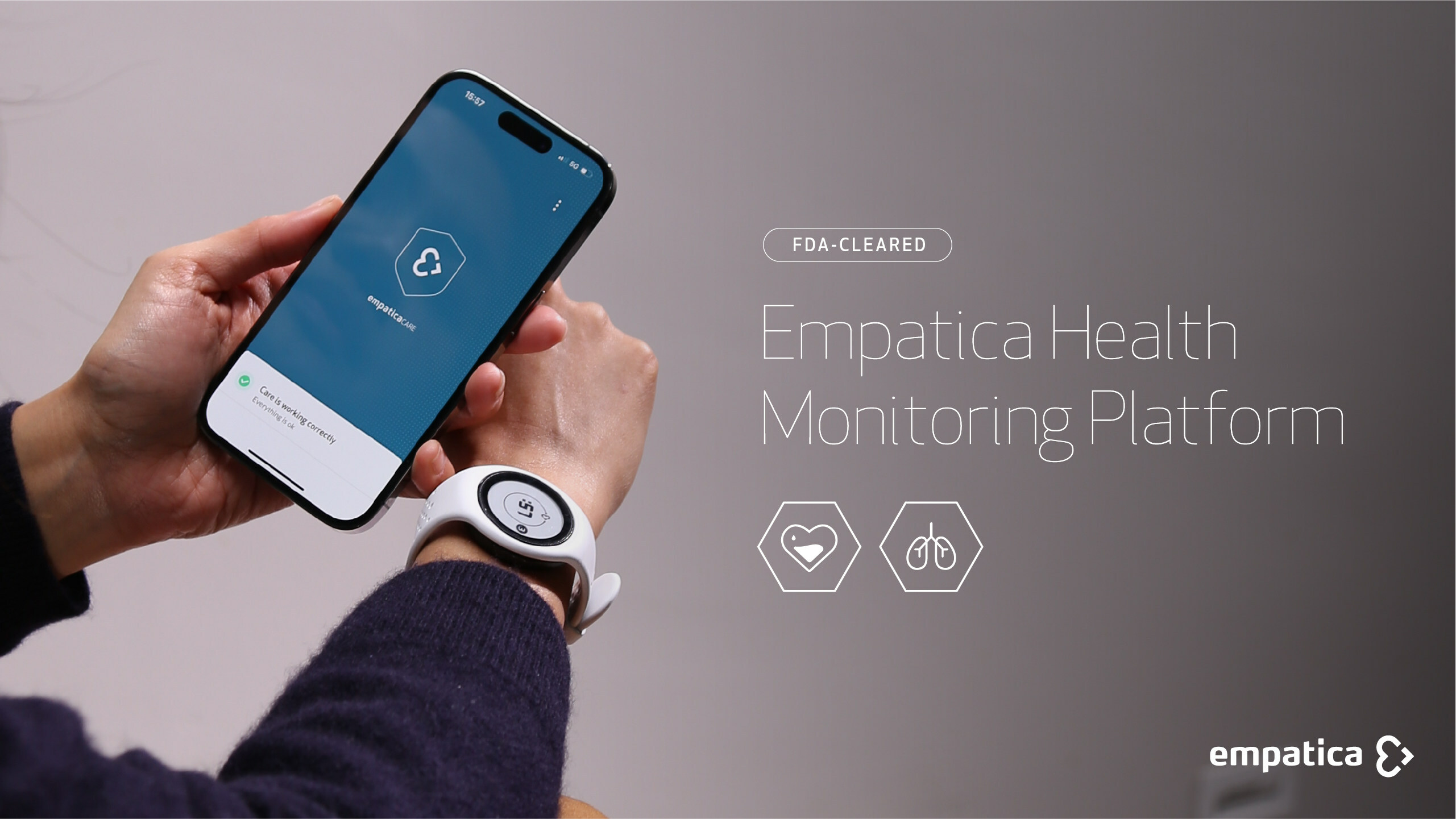
Empatica’s Cardiac Digital Biomarkers Granted Fresh FDA Clearance
By June Alluree Empatica a leading digital health and artificial intel

Michelle Yeoh and the Authorization of the Next Standard
The New Weight of Film

Snoop Dogg and Son Cordell broadus Introduce Death Row Games
By DaMarko Webster Snoop Dogg and his son, Cordell Broadus, have offic

LG Smart TVs Introduce Free Anime Onegai Channels in Latin America with Spanish Subtitles and Dubbing
LG Smart TVs Introduce Free Anime Channels in Latin America