

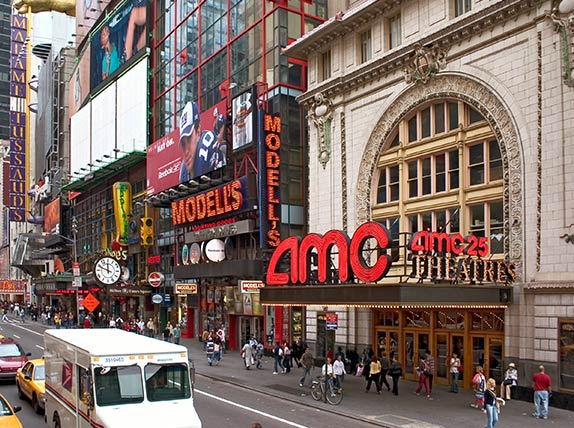
AMC’s Best Quarter in Its History Suggests the Future of Theatrical Exhibition Is More Resilient Than Many Predicted
By Warren Chance
For much of the past decade, the future of movie theaters was framed as a battle they could not win.
Streaming platforms expanded rapidly. Home entertainment systems became larger and more sophisticated. Studios experimented with simultaneous releases and shortened theatrical windows. Attendance declined, exhibitors accumulated debt, and the world’s largest theater chain became one of the industry’s most visible symbols of uncertainty. The prevailing assumption was that theatrical exhibition had entered a permanent decline because consumers no longer needed to leave home to watch premium entertainment.
AMC’s latest earnings challenge that assumption—not because they prove every problem has been solved, but because they reveal that the business itself has evolved.
AMC reported the strongest quarter in its 106-year history, including record quarterly revenue, record adjusted EBITDA and positive free cash flow. Those results followed a period when the company had publicly questioned its ability to continue operating and became the focal point of debates about whether movie theaters could survive the streaming era. Today, the same company is reporting the strongest financial quarter it has ever recorded.
That reversal deserves attention.
But the larger story is not AMC.
It is the changing economics of theatrical exhibition.
For decades, theaters generated value by controlling access.
If audiences wanted to see a new film, the theater was the only place to do it. Distribution itself created demand.
Streaming permanently changed that equation.
Access became abundant.
Consumers could watch thousands of films from their homes, often on the same devices they used for work, communication and everyday life. The competitive advantage of simply showing a movie largely disappeared.
Many concluded that theaters had therefore lost their purpose.
Instead, they found a new one.
The modern theater is no longer competing to be the first place people can watch a film.
It is competing to be the place where certain films become experiences.
That distinction changes everything.
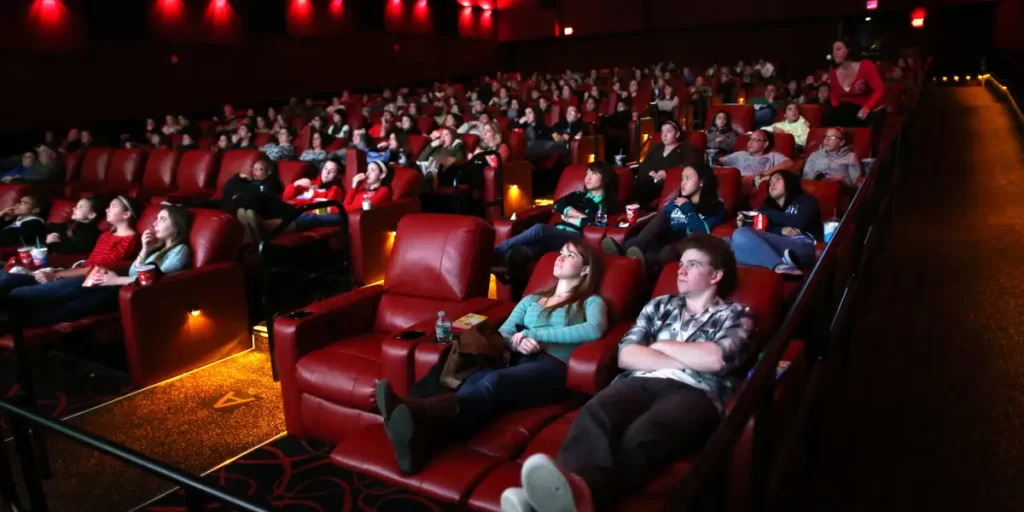
Premium large-format auditoriums continue attracting audiences willing to pay more for presentation that cannot be recreated at home. Luxury seating has transformed auditoriums into hospitality environments. Expanded food and beverage offerings generate higher revenue per guest. Loyalty memberships encourage repeat visitation. Fan screenings, filmmaker events and collectible merchandise extend the value of each release beyond the runtime of the film itself.
The business has quietly shifted from maximizing attendance alone to increasing the value of every visit.
That same evolution is occurring throughout entertainment.
Concerts have become immersive productions rather than performances alone.
Professional sports increasingly sell hospitality, premium experiences and destination weekends alongside competition.
Theme parks continue investing in environments that justify travel rather than simply adding attractions.
Consumers are demonstrating a consistent willingness to spend on experiences that cannot be downloaded, paused or replicated at home.
Theatrical exhibition increasingly belongs within that broader experience economy.
This helps explain why AMC’s quarter should not be viewed in isolation.
Cinemark has strengthened its financial position while delivering improved operating performance. IMAX continues reporting record global box office as premium formats account for an increasing share of ticket sales. Studios have renewed their commitment to exclusive theatrical windows for many of their largest releases because successful theatrical runs create cultural momentum that benefits every subsequent stage of a film’s commercial life. Together, these developments point toward an industry adapting rather than retreating.
Perhaps the greatest misconception of the streaming era was believing that consumers were choosing between theaters and streaming.
They were choosing between leaving home and staying home.
That is a much broader competitive landscape.
Movie theaters are competing with streaming platforms, social media, gaming, restaurants, concerts, sporting events and countless other ways people can spend an evening. Success therefore depends less on providing access to content and more on creating an experience compelling enough to justify time, travel and discretionary spending.
The strongest films increasingly do exactly that.
They become shared cultural events.
Audiences gather for opening weekends not simply to watch a movie but to participate in a moment. Premium formats sell out because scale, sound and communal viewing remain impossible to duplicate inside a living room. Studios benefit because theatrical releases generate conversation that extends into streaming, merchandising and global brand value.
The theater has become the beginning of a film’s cultural life rather than merely its first stop.
None of this suggests the industry’s challenges have disappeared.
AMC continues carrying significant debt. Box office performance still depends on a consistent pipeline of compelling films. Consumer habits will continue evolving alongside new technologies and new forms of entertainment.
Resilience should never be confused with certainty.
But it should be recognized when the evidence supports it.
Only a few years ago, AMC represented the industry’s greatest uncertainty.
Today, it represents one of its strongest signals of adaptation.
The question facing theatrical exhibition was never whether streaming would exist.
It was whether movie theaters could redefine the value of leaving home.
AMC’s historic quarter suggests that they have begun doing exactly that.
Related Posts
Jude Bellingham Joins Louis Vuitton as Newest “Friend of the House”
Jude Bellingham Is Louis Vuitton's Newest "Friend of the House".

Sandbourne Santa Monica Opens: A New Era of Coastal Luxury
Sandbourne Santa Monica Opens

TriNet Announces Donation to NAACP Supporting Black Business Owners and Entrepreneurs
By Lincoln Jones TriNet, a leading provider of comprehensive human res
Thirty Years Later, Target Is Preserving the Legacy of Jay-Z’s Reasonable Doubt
From Independent Release to National Retail

Tom Hardy Fights Through Chaos in Explosive New Trailer for Netflix’s Havoc
Hardy Goes Full Grit in Explosive Trailer for Netflix’s Havoc,

Janhvi Kapoor Fronts a New Chapter for New Balance in India
A New Balance in India