

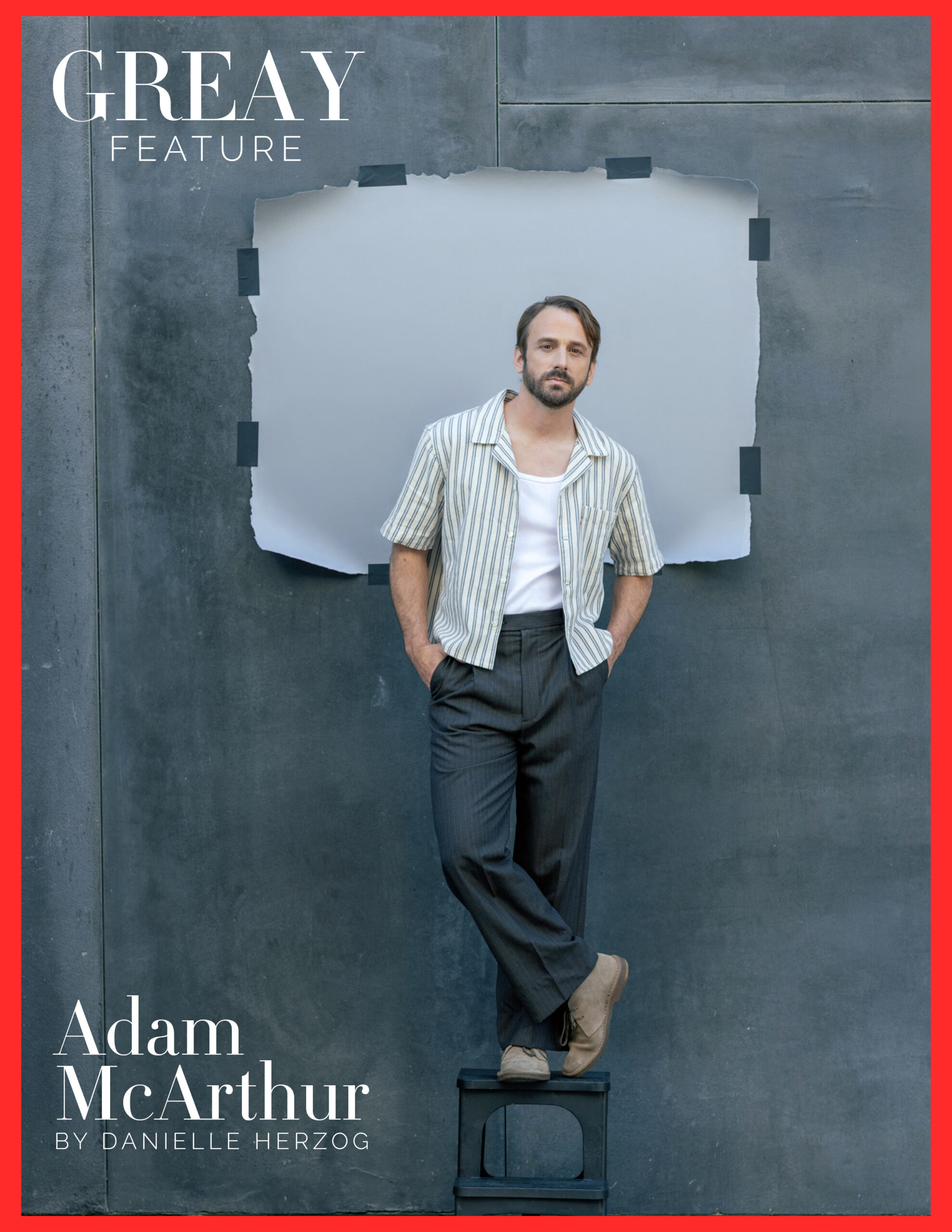
Adam McArthur Finding Humanity Inside Anime’s Biggest Battles
By Kyra Greene
In the modern era of global fandom, anime has quietly become one of the most powerful storytelling forces in popular culture. Its characters travel across languages, continents, and generations, carried not only by animation but by the voices that give them emotional gravity. Adam McArthur stands at the center of that invisible craft. As the English voice of Yuji Itadori in Jujutsu Kaisen and Reno Ichikawa in Kaiju No. 8, McArthur has helped shape two of the defining heroes of contemporary anime—characters whose power lies not only in spectacle, but in empathy, responsibility, and the moral weight of their choices. For McArthur, the work has never been about volume or recognition. It is about trust: stepping into stories that already carry meaning for millions and honoring the emotional truth that makes those characters feel human. In a medium where the performer is rarely seen, that responsibility demands a rare combination of instinct, restraint, and vulnerability.
You’ve led two of the most defining anime franchises of this generation with Jujutsu Kaisen and Kaiju No. 8. When you step back, what do those roles represent to you personally at this stage of your career?
Leading Jujutsu Kaisen and Kaiju No. 8 represents trust more than anything else. It is trust from the creators, from the fans, and from myself that I can carry stories that truly mean something to people. At this stage of my career, those roles feel like milestones that reflect growth, responsibility, and a deeper confidence in my instincts as an actor.
Yuji Itadori carries a rare emotional openness for a shōnen protagonist. How did you approach voicing someone whose strength is rooted as much in empathy and vulnerability as it is in physical power?
With Yuji Itadori, I leaned into honesty over toughness. His strength comes from how openly he feels the world around him, so I focused on keeping his emotions accessible and unguarded. Even in moments of power or rage, I wanted the audience to hear the kid who genuinely cares about others and is still figuring out who he is.
With Kaiju No. 8, the tone shifts—there’s grit, humor, and a sense of everyday heroism. What excited you most about stepping into that world, and how did Reno Ichikawa challenge you differently than previous roles?
Kaiju No. 8 excited me because it balances absurdity with grounded humanity. Playing Reno Ichikawa challenged me to be more restrained and observational. He is disciplined, driven, and often internal, which required trusting silence and subtlety in a way that is very different from more expressive roles.
You’ve successfully navigated both Western animation and anime dubbing—two spaces that often demand very different performance instincts. How has working across both shaped your understanding of voice acting as a craft?
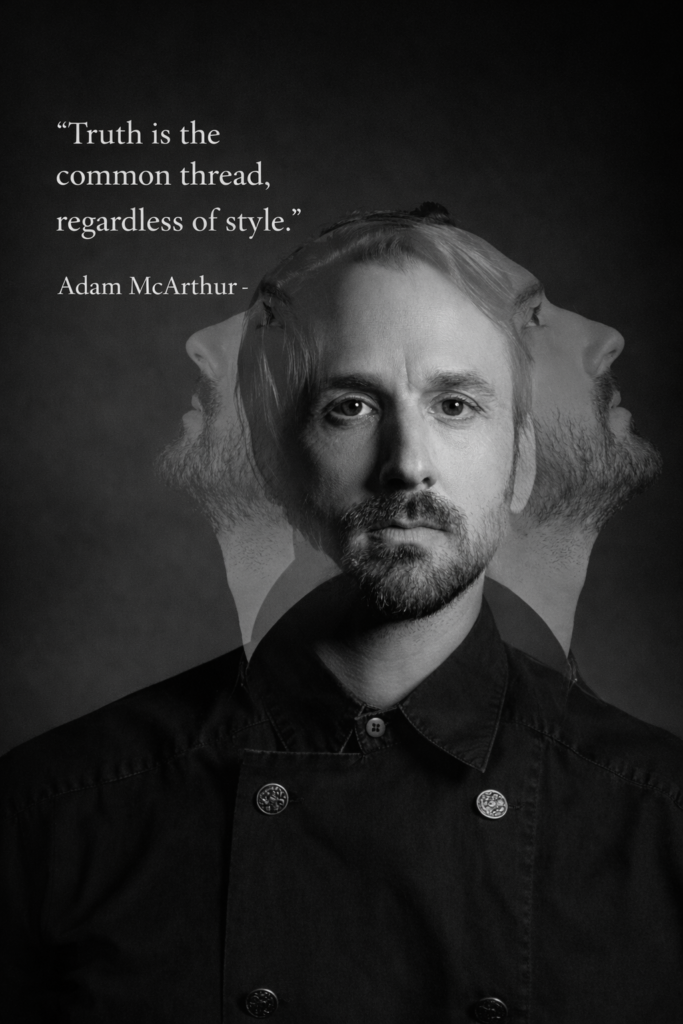
Working in both Western animation and anime dubbing has taught me adaptability. Western animation often invites broader performance choices and collaboration in the room, while anime demands precision, restraint, and emotional accuracy within very specific boundaries. Moving between them has sharpened my technique and reminded me that truth is the common thread, regardless of style.
Marco Diaz from Star vs. the Forces of Evil remains a defining character for many fans. How do you view that role now, years later, compared to the darker and more complex characters you’re voicing today?
Marco Diaz still feels incredibly personal to me. Looking back, he represents a sense of earnest optimism and growth that defined an earlier chapter of my life. Compared to the darker, more complex characters I voice now, Marco feels like the foundation that allowed me to explore heavier emotional terrain later on.
Anime fandom today is louder, faster, and more global than ever. How has the rise of social media and convention culture changed your relationship with audiences and the way you think about your work?
The growth of social media and convention culture has made audiences feel closer and more immediate. Fans engage with the work in real time and on a global scale, which is both humbling and energizing. It has made me more mindful of how deeply people connect to these characters and more grateful for the shared space we create around them.
Many of your characters exist at emotional crossroads—caught between duty, fear, and growth. Is that something you’re drawn to intentionally, or do you find those stories tend to find you?
I think those stories find me as much as I find them. I am naturally drawn to characters who are standing at emotional crossroads because that is where real transformation happens. Those moments of fear, doubt, and responsibility are where a performance feels most alive to me.
Voice acting is often invisible labor, yet performances like yours have become instantly recognizable. What do you wish people better understood about the preparation and emotional investment that goes into anime dubbing?
I wish people understood how much emotional preparation goes into anime dubbing. You are stepping into a character mid-journey, often recording intense scenes very quickly, and still need to access the correct emotional truth instantly. It requires vulnerability, stamina, and a deep respect for the original performance while still making it your own.
As anime increasingly influences mainstream fashion, music, and storytelling, how do you see your role within that cultural crossover—especially as someone who’s helped bring these characters to English-speaking audiences?
As anime continues to influence mainstream culture, I see my role as a bridge. Bringing these characters to English-speaking audiences is about preserving their emotional core while making them feel culturally immediate. Being part of that crossover is exciting because it means these stories are resonating far beyond their original borders.
Looking at your recent and upcoming projects, what themes or types of characters are you most excited to explore next that we haven’t fully seen from you yet?
I am most excited to explore characters who exist in moral gray areas, people who are not easily categorized as heroes or villains and who wrestle with the consequences of their choices. I am interested in roles that allow for quieter intensity and long-term emotional evolution.
You’ve built a career with real longevity in an industry known for quick turnover. What lessons—creative or personal—have been most essential in sustaining that momentum?
Longevity has come from patience and consistency, saying no when something does not feel right, staying curious, and treating every project with the same level of care, no matter its size. Personally, maintaining balance outside the booth has been essential to sustaining creative momentum.
When fans look back on this chapter of your career years from now, what do you hope they recognize about the way you approached these characters and the stories you chose to tell?
I hope fans recognize sincerity, that I approached each character with respect, curiosity, and a genuine desire to honor their story. More than anything, I hope they feel that I cared deeply about the people I was asked to bring to life and the journeys we shared together.
Years from now, fans may remember the battles, the humor, or the defining moments that shaped these characters, but what will endure is the sincerity behind the voice. Adam McArthur approaches his work with a quiet understanding that voice acting is not simply about matching movement to sound—it is about carrying the emotional weight of stories that audiences grow up with. In an industry that often moves at the speed of fandom, that kind of patience and care stands apart. And as anime continues to expand into the cultural mainstream—shaping fashion, music, and storytelling far beyond its original borders—performers like McArthur remain the unseen architects of that connection, building emotional bridges between worlds that millions of viewers will continue to cross long after the episode ends.
Photography Danielle Herzog @danielleherzogphoto
Grooming Myrlen Monge @Myrlenmonge
Words by Kyra Greene @noteasybingreen
Related Posts

Lights, Camera, Vacation! Coppola’s Latest Hotel is a Cinematic Dream Come True
Francis Ford Coppola Opens The All-Movie Hotel In Georgia
Nintendo and Sony Join Forces for Live-Action Adaptation of Legend of Zelda
Nintendo and Sony Join Forces
LA Comic Con 2024: A Must-Have Event for POp Culture World
LA Comic Con 2024 overview
Mutated Beasts and a Forbidden Island: Jurassic World Roars Back
The Dinosaurs Have Won—Now What?
POST COMMENT