
UPN Returns After 20 Years as Pluto TV Revives a Defining Era of Black Television
By DaMarko GianCarlo
Twenty years after UPN disappeared from broadcast television, the network’s familiar name has returned to the screen. Pluto TV has introduced UPN Sitcoms, a free streaming channel bringing together comedies that helped establish the network’s place in American television. For audiences who grew up watching Moesha, The Parkers, and Girlfriends, the return recalls a period when UPN provided a regular home for some of television’s most recognizable Black-led comedies. The network itself is not returning in its original form, but a meaningful part of its identity has found a new place in a television landscape that looks considerably different from the one it left behind in 2006.
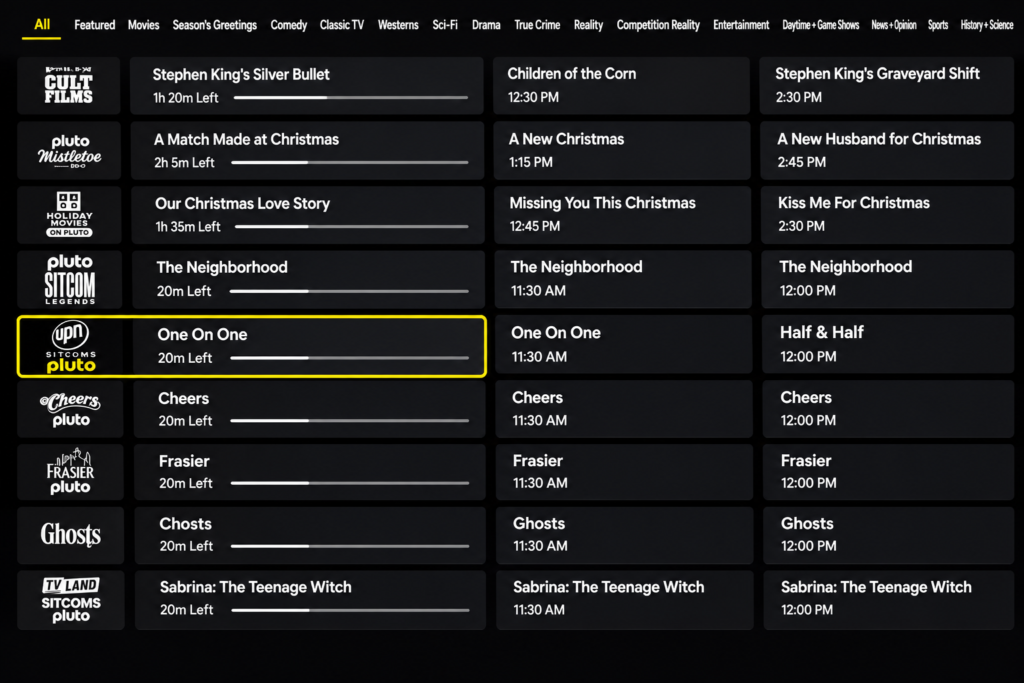
Pluto TV is embracing that history directly. Its official channel description opens with a simple declaration: “After 20 years, UPN is back.” The service invites viewers to revisit sitcoms associated with the original network, presenting them through a dedicated channel rather than leaving audiences to locate individual programs across different streaming libraries. Pluto TV’s programming guide identifies Moesha, The Parkers, and One on One among the channel’s offerings, while GREAY’s examination of the live television guide also documented Half & Half on its schedule. The familiar UPN logo appears alongside Pluto TV’s branding, reconnecting the network’s name with the programming that became an important part of its legacy.
UPN, short for United Paramount Network, began broadcasting on January 16, 1995, entering an American television business still dominated by established broadcast networks and local affiliates. Developed through a partnership involving Paramount Television and Chris-Craft Industries, the network initially offered a varied programming slate that included science fiction, drama, wrestling, and comedy. Star Trek: Voyager became one of its defining early programs, giving the new network an established entertainment franchise as it worked to build an audience in a competitive market.
Over time, UPN developed another identity that would become particularly important to its legacy. The network provided a national broadcast home for a substantial collection of Black television comedies, bringing stories about family, friendship, relationships, work, and everyday life into American households on a regular schedule. Those programs were not interchangeable, nor did they represent a single experience. Their significance came partly from the variety of characters and circumstances they placed on television during an era when opportunities for Black-led scripted series remained uneven across the major networks.
Moesha, which premiered in 1996 with Brandy Norwood in the title role, followed a teenager navigating family relationships, friendships, and the challenges of growing up. Its success helped establish one of UPN’s most recognizable television properties. The Parkers, which arrived in 1999, brought Mo’Nique and Countess Vaughn together as a mother and daughter attending college, building its comedy around their competing personalities and unconventional family dynamic. Girlfriends, which premiered in 2000, explored the professional ambitions, romantic relationships, and enduring friendships of four Black women, offering a perspective on adulthood that was both humorous and attentive to the complications of everyday relationships.
Other series, including One on One, Half & Half, and Malcolm & Eddie, contributed to a programming identity that extended beyond any single hit. Together, these shows gave UPN a recognizable presence in television comedy while providing sustained opportunities for performers, writers, and creative teams whose work would remain part of the cultural conversation long after their original broadcasts. Their characters were sometimes ambitious, sometimes uncertain, and frequently caught between personal expectations and the realities of family, friendship, or work. That range helped give the network a personality audiences could recognize without requiring every program to tell the same kind of story.
UPN was never exclusively a Black television network, and its programming extended well beyond sitcoms. Nevertheless, its commitment to Black-led comedy became one of its most enduring contributions to the medium. At a time when broadcast television remained a central part of American entertainment, the network offered a consistent destination for stories that reflected different experiences within Black life. Some programs centered on adolescence and family relationships, while others explored adulthood, professional independence, and the complicated friendships that accompany both. Their continued recognition speaks to the strength of the characters and performances, as well as the opportunities the network provided for those stories to reach national audiences.
UPN’s original broadcast operation came to an end in September 2006, following the announcement that CBS Corporation and Warner Bros. would discontinue UPN and The WB and establish a new network, The CW. Some programs continued under the new arrangement, including Girlfriends, but the UPN identity disappeared from the television schedule. The transition was part of a larger restructuring of American broadcasting, as network owners reconsidered how to reach younger audiences and compete in an increasingly fragmented entertainment market.
The closure also marked the end of a familiar viewing destination. Television schedules still shaped how audiences encountered their favorite programs, and networks carried identities that extended beyond individual series. Viewers knew where to find certain kinds of entertainment, often returning to the same channels throughout the week. UPN’s departure changed that arrangement, although the programs that had helped define the network would continue to circulate through other outlets.
Over the following two decades, UPN-era sitcoms remained available through various forms of syndication, home entertainment, and streaming. Their distribution changed as agreements moved programming between services, but the shows continued reaching audiences beyond their original broadcast runs. In 2020, Netflix began adding a collection of classic Black sitcoms to its American service, including Moesha, The Parkers, and Girlfriends. Those releases offered established viewers another opportunity to revisit the programs while introducing them to audiences who may have been too young to encounter their original broadcasts.
The network’s corporate identity also survived its broadcast closure. Federal trademark records examined by GREAY show that the UPN name remained registered after 2006. The United States Patent and Trademark Office identifies UPN, a Delaware general partnership, as the owner of the registered word mark, with Network Partner Inc. and PCI Network Partner II Inc. listed as constituent partners. The registration, originally issued in October 1996, was renewed in 2006 and again in 2016. As of November 18, 2026, the USPTO continues to list it as active.
The ownership history extends into federal corporate filings. Viacom acquired full ownership of UPN in 2000, and the network became part of CBS Corporation when Viacom separated its businesses in 2006. Subsequent Securities and Exchange Commission disclosures continued identifying UPN within the corporate structure that ultimately became Paramount. A subsidiary schedule filed by Paramount Skydance in 2026 lists UPN and several related entities, documenting the continued presence of the network’s corporate identity within the larger entertainment company. The records provide a clearer picture of how the UPN name remained part of the television business long after the original network stopped broadcasting.
That history gives the new Pluto TV channel an additional dimension. UPN’s return is not the creation of an entirely new television identity borrowing from the past. It is the reappearance of an established brand whose programming and corporate history have continued beyond the lifespan of the broadcast network itself. The original network has not resumed operations, and the new channel is not a replacement for The CW. Instead, the UPN name now identifies a dedicated collection of classic sitcoms within Pluto TV’s free, advertising-supported television service.
The timing also places the revival within a broader change in the streaming business. On September 23, 2026, Paramount announced a substantial transformation of Pluto TV, including a rebuilt viewing experience, an expanded programming library, and greater investment in licensed entertainment. The company reported a 63 percent year-over-year increase in investment in third-party licensed content, alongside 70 percent growth in monthly on-demand viewership during 2026. Among viewers ages 18 to 34, on-demand viewing hours increased 91 percent over the comparable period, according to Paramount.
Those figures illustrate the importance of established programming within Pluto TV’s broader business. While much of the streaming industry’s public attention has focused on original productions and exclusive releases, familiar television series remain an important part of how platforms attract and retain audiences. Programs with established characters and recognizable titles can continue finding viewers long after their original network runs, particularly when they are presented in ways that make them easy to discover.
Paramount’s announcement emphasized that appeal. Cindy Holland, Chairman of Direct-to-Consumer at Paramount Skydance, described the company’s approach as offering “a library of tried and tested fan favorite titles that people return to over and over again.” Her statement addressed Pluto TV’s broader programming strategy rather than the UPN channel specifically, but it provides useful context for understanding the value that familiar television libraries hold within the company’s streaming business.
For services operating without subscription fees, established programming offers a different proposition from the constant pursuit of new original productions. Free, advertising-supported streaming television allows audiences to watch curated channels without committing to another monthly payment, while advertising supports the distribution of the content. The format also restores some of the simplicity associated with traditional television. Viewers can select a channel and begin watching whatever is scheduled, rather than deciding on a particular episode before pressing play.
That experience is particularly well suited to sitcoms, many of which were originally developed for recurring broadcast schedules and later sustained through syndication. A viewer encountering The Parkers or Moesha on Pluto TV can watch an episode as part of a continuous lineup, much as earlier audiences encountered those programs through local television stations. The technology, business model, and viewing devices have changed, but the experience of spending time with familiar characters remains recognizable.
There is also an important distinction between preserving television history and making it available. An extensive programming library has limited cultural reach if audiences cannot easily find or watch its contents. By placing UPN’s name on a dedicated streaming channel, Pluto TV gives a collection of older sitcoms a recognizable destination. That presentation brings programs from different years of the network’s history together under an identity that audiences may remember, while making the collection accessible to viewers who never experienced UPN as a broadcast network.
The arrangement illustrates how the commercial life of television can extend far beyond its original release. Programs created for a particular network, audience, and advertising market can continue generating value as distribution technologies evolve. The same episodes that once supported a broadcast schedule can later become part of a subscription catalog, a digital purchase library, or a free streaming channel. Each new format changes the relationship between the programming, its distributors, and the audiences who encounter it.
For Black television comedy, that continued circulation has cultural significance alongside its commercial value. The programs associated with UPN presented different expressions of Black family life, friendship, professional ambition, and personal relationships at a particular moment in American television. They also provided sustained visibility for actors and creative professionals whose work helped shape the medium. Their continued availability allows those performances and stories to remain part of television’s present rather than existing solely as memories of its past.
The new UPN Sitcoms channel does not recreate everything the original network represented. Its emphasis on comedy leaves aside the science-fiction series, dramas, sports entertainment, and other programming that formed part of UPN’s eleven-year history. Nor does the return establish plans for new UPN productions or a broader revival of the original broadcast operation. What Pluto TV has introduced is more focused: a streaming destination that reconnects the network’s name with some of the television comedies most closely associated with its legacy.
For audiences discovering these sitcoms today, UPN may first be encountered as the name of a streaming channel rather than a network remembered from childhood. For those who watched the original broadcasts, the same name carries a different history. Both experiences now exist within a television environment where older programs can remain available alongside contemporary entertainment, allowing viewers to encounter the same stories at different points in their lives.
UPN went off the air in 2006, at a time when broadcast networks still played a central role in determining when and where audiences encountered their favorite programs. Twenty years later, its name has returned through a service that allows those same programs to reach viewers without a cable subscription or local broadcast affiliate. The network that once brought these sitcoms into American living rooms no longer exists in its original form, but the work it helped introduce has continued finding its place on television.
The return of UPN illustrates how a network’s cultural contribution can extend well beyond its years on the air. The broadcasting institution may disappear, its schedule may end, and its corporate structure may change, while the stories it carried continue moving between generations. With UPN Sitcoms now available on Pluto TV, a familiar name has returned to the screen, reconnecting a significant chapter of American television with audiences who remember it and those encountering it for the first time.
Related Posts
Walmart Goes Street Luxe With Exclusive Stadium Goods Collection
Sneakers Go Superstore
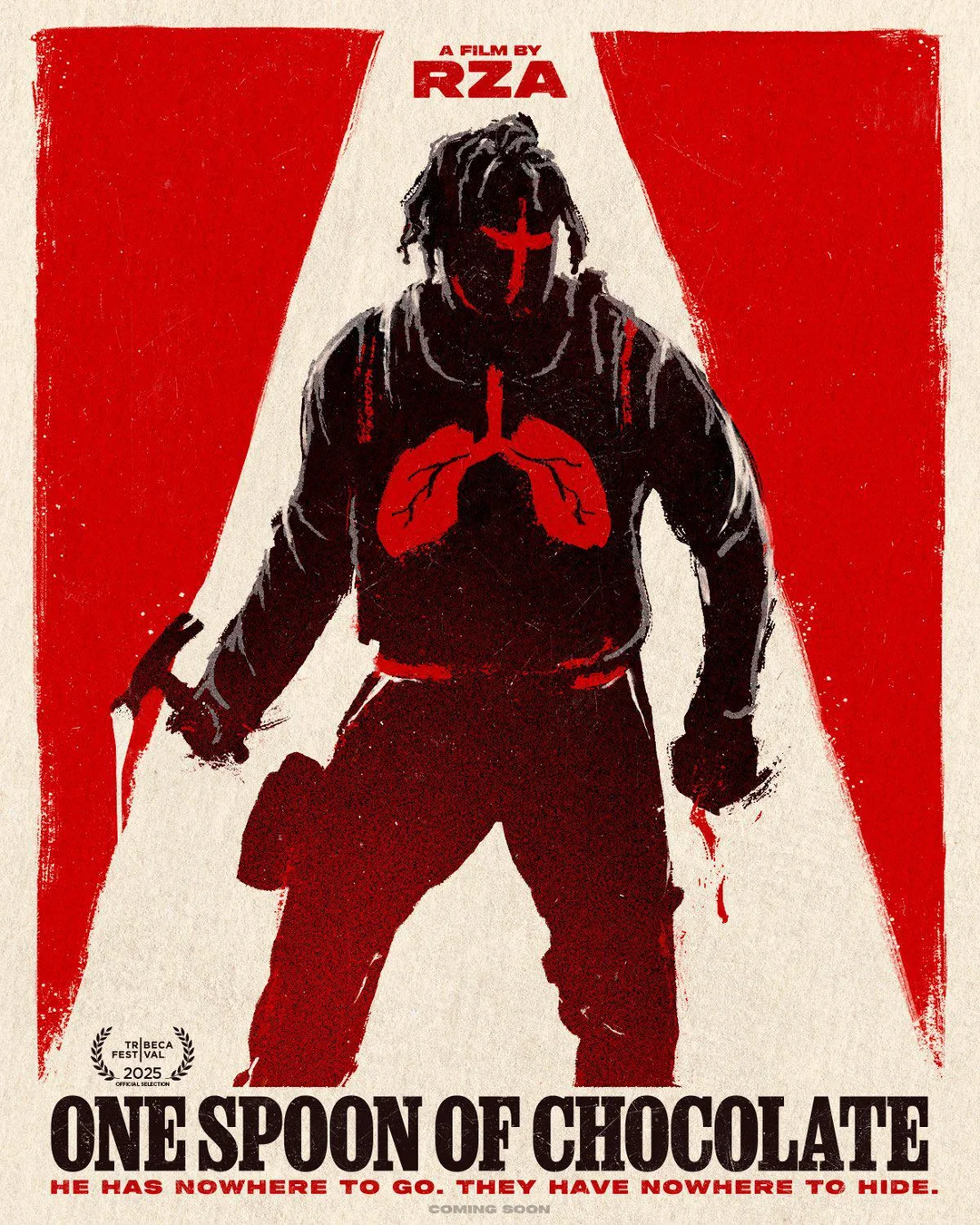
From Wu-Tang to Tribeca: RZA’s “One Spoon of Chocolate” Serves a Vicious Slice of Justice
Black Love, Vengeance, and a Small Town’s Dark Secret
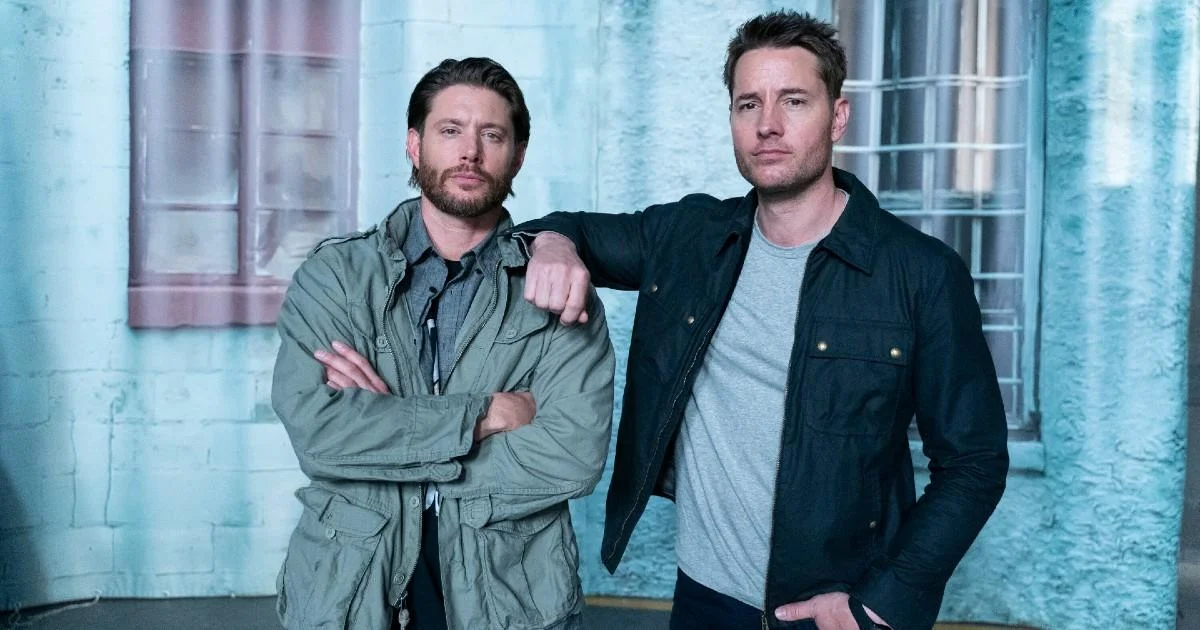
Jensen Ackles is set to join “Tracker” as the estranged brother of Justin Hartley’s character Colter Shaw
CBS announced Jensen Ackles will soon make a guest appearance on track

From Manhattan to Mayfair: “Only Murders in the Building” Heads to London in Season 6 Renewal
Murder, Mystery & Luxury

Kicking Tradition Forward: PUMA x KidSuper Celebrates Football’s Legacy in Style
Distressed, Dynamic, and Distinct

Urban Decay and Los Angeles Sparks Renew Sponsorship for 2024 WNBA Season
Urban Decay and Los Angeles Sparks Renew Sponsorship
POST COMMENT