

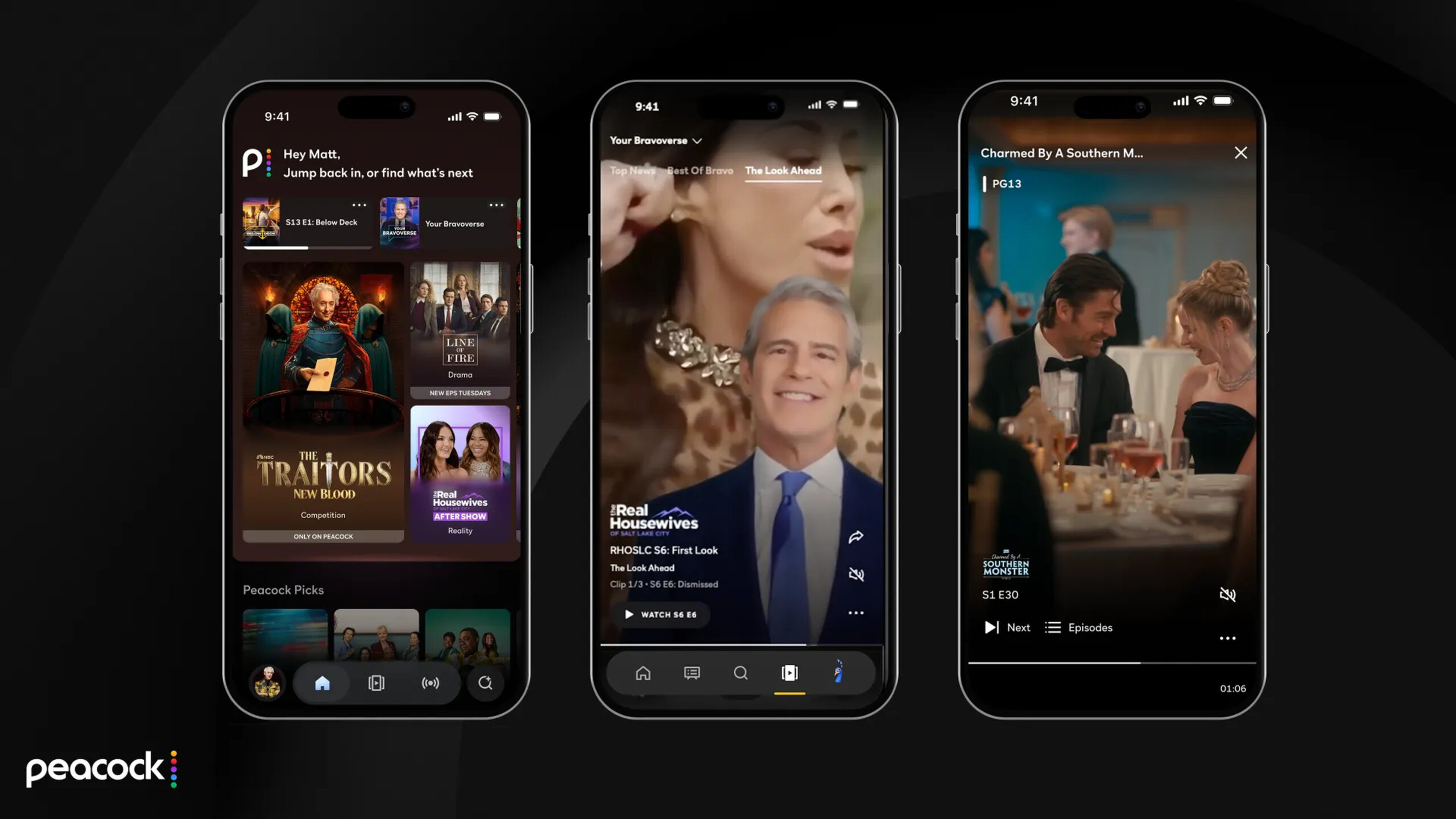
Peacock Is Rebuilding Its Mobile App to Compete for More of the Audience’s Time

By DaMarko Giancarlo
For much of the streaming era, entertainment companies have competed through programming libraries, exclusive productions, and subscriber growth. Netflix, Disney+, Peacock, and other platforms have built their businesses around a familiar relationship: audiences open an application, choose something to watch, and settle into a film, television series, or live event. The television remains central to that experience, even as streaming has made entertainment available almost anywhere. But the habits surrounding entertainment have changed. People move between screens throughout the day, sometimes spending an evening with a series and other times having only a few minutes to spare. NBCUniversal is now redesigning Peacock around that broader relationship with its audience.
On November 11, 2026, the company announced a substantial overhaul of Peacock’s mobile experience, bringing together vertical video, short-form serialized dramas, conversational artificial intelligence, interactive games, and new ways to explore established entertainment franchises. The initiative is designed to make Peacock useful beyond the moments when subscribers sit down to watch a traditional program. Jim Denney, NBCUniversal’s chief product officer for global streaming and NBCUniversal Media Group, described the company’s ambition as making Peacock “more than a place to watch,” a statement that reflects a larger effort to turn the service into an entertainment environment audiences might visit repeatedly throughout the day.
The distinction matters in a streaming business that has spent years measuring success through subscriber acquisition while confronting the equally important challenge of keeping those subscribers engaged. A compelling series can persuade someone to join a service, but maintaining that relationship requires more than a single program. Viewers must continue finding reasons to return, particularly when their attention is divided among streaming services, social platforms, gaming, and other forms of digital entertainment.
According to reporting by TheWrap, approximately 40 percent of Peacock’s 48 million subscribers regularly use the service on mobile devices. NBCUniversal executives also reported that subscribers who watch on both television and mobile typically generate twice the engagement of viewers who do not use both environments. Those figures help explain why the company sees an opportunity in expanding the mobile experience. Matt Strauss, chairman of NBCUniversal Media Group, identified the next competitive objective as determining “who can win another hour per user per month,” shifting the discussion from how many customers a service can attract to how much time those customers choose to spend with it.
That additional hour carries implications throughout the streaming business. More frequent visits can create opportunities for advertising, introduce viewers to programming they might otherwise overlook, and potentially strengthen subscriber retention. None of those outcomes is guaranteed by a redesigned application, but they provide a clear business rationale for NBCUniversal’s investment. The company is attempting to create more occasions for audiences to engage with Peacock, including moments that may not involve watching an entire episode or film.
One of the central features of the redesign is the introduction of Franchise Hubs, which bring related entertainment together around established NBCUniversal properties. Rather than treating individual programs as isolated selections within a large library, Peacock will organize experiences around franchises including Minions, The Traitors, Love Island USA, and One Chicago. These hubs are designed to connect episodes with podcasts, short-form clips, games, microdramas, and live experiences, allowing viewers to move between different forms of entertainment associated with something they already enjoy.
For someone following Love Island USA, the relationship with the program may extend beyond the latest episode. A memorable exchange, a conversation about the cast, or a related interactive experience can become another reason to engage with the franchise. Bringing those activities together within Peacock gives NBCUniversal an opportunity to maintain a more direct connection with audiences whose interest in its programming already extends beyond conventional viewing.
The redesign also addresses a familiar frustration of streaming: finding something to watch. Despite the enormous libraries available across major platforms, audiences can still spend considerable time moving through rows of recommendations before making a selection. NBCUniversal is introducing navigation features including Jump Back In, Trending Stack, and Direct Access to make familiar programming easier to revisit while giving viewers quicker routes toward new discoveries. John Jelley, NBCUniversal Media Group’s senior vice president of product and user experience, described the challenge by observing that “every streamer today is really a sea of sameness on the homepage,” pointing to an industry in which competing services often present entertainment through remarkably similar interfaces.
Peacock’s approach recognizes that viewers do not always arrive with the same intention. Someone opening the application on a television may be preparing to watch a two-hour film, while another person checking a phone during a commute may want a brief clip or an update from a favorite series. A sports fan following a live game might want statistics without leaving the broadcast. The redesigned experience is intended to accommodate those different circumstances, reducing the distance between what someone wants to do and how quickly the application allows them to do it.
Vertical video is central to that effort, although NBCUniversal’s investment in the format predates the November announcement. Peacock had already introduced vertical clips and experimented with mobile-first entertainment before expanding its strategy during 2026. In May, NBCUniversal announced additional microdrama programming, followed by the June debut of Bravo’s Campus Confidential, an original unscripted vertical microdrama. The company has also invested in mobile games and technology designed to adapt traditional programming to smartphone screens. November’s announcement builds on those developments, bringing previously separate experiments into a more comprehensive mobile strategy.
The expansion is particularly visible in live entertainment. NBCUniversal plans to extend vertical-video testing to The Voice simulcasts, NCAA basketball, and golf, using those experiences to inform a Dynamic Video Player capable of adapting between vertical and horizontal viewing as a device changes orientation. Planned NBA features will also allow viewers to access statistics and additional game information beneath the live feed, creating a viewing environment that takes advantage of the smartphone rather than simply reproducing a television broadcast on a smaller screen.
The technical challenge is significant because traditional television production is composed primarily for horizontal viewing. A basketball game, for example, involves movement across a wide court, while a vertical screen presents a much narrower field of vision. Making that experience useful requires more than reducing the dimensions of an existing broadcast. The relevant action must remain visible, and the presentation must adapt to the way people actually hold and use their devices. NBCUniversal’s previous experiments with vertical NBA coverage provide a foundation for that work, but the expanded features remain part of an evolving rollout.
The broader significance of vertical video is difficult to separate from the habits established by social platforms. TikTok, Instagram Reels, and YouTube Shorts have made short-form vertical entertainment a familiar part of everyday media consumption. Audiences have become accustomed to discovering something interesting, watching it immediately, and moving on without committing to a longer program. Peacock operates under a different business model, with professionally produced entertainment, established franchises, and a subscription relationship at its center. Yet NBCUniversal is recognizing that the way people interact with entertainment on smartphones has become an important consideration for streaming services as well.
Microdramas represent another expression of that changing relationship. Built around short serialized episodes, often lasting only a minute or two, the format allows audiences to follow a continuing story without committing to a conventional television runtime. Peacock’s growing investment includes Campus Confidential, Salon Confessionals, and additional acquired programming. According to TheWrap, NBCUniversal reported that some Peacock users are spending up to 30 minutes per session watching microdramas, with new acquired titles being introduced weekly.
That viewing behavior is notable because it demonstrates how brief individual episodes can accumulate into longer periods of engagement. A person may begin with the intention of watching only a few minutes and continue through several installments of a serialized story. The company-reported figures do not establish whether microdramas will improve long-term retention or profitability, but they provide a reason for NBCUniversal to continue exploring a format that differs considerably from traditional television production.
Artificial intelligence is also becoming part of Peacock’s approach to discovery. NBCUniversal is testing conversational search that allows subscribers to describe what they want to watch using a mood, theme, situation, or familiar title, then refine their requests through follow-up questions. Instead of requiring someone to know the name of a particular film or series, the system is intended to interpret a more natural description of the entertainment they are looking for.
The potential usefulness of that approach becomes clearer in ordinary situations. Someone looking for a lighthearted comedy after a difficult day may not have a particular title in mind. Another viewer might want a suspenseful series that can be completed over a weekend. Conversational discovery could help translate those preferences into relevant recommendations, although its effectiveness will depend on how accurately the technology understands requests and how well its suggestions reflect the programming available. NBCUniversal has begun testing the capability, but its impact on viewing behavior has not yet been established.
The company’s plans extend beyond programming and discovery. A Peacock membership program is currently in beta, with broader availability planned for 2027. NBCUniversal says the initiative will offer eligible subscribers rewards, benefits, and activities connected to the entertainment they enjoy. While the program remains in development, it introduces another way of thinking about the relationship between a streaming company and its customers. Instead of limiting that relationship to access in exchange for a monthly payment, NBCUniversal is exploring whether participation and loyalty can become additional parts of the experience.
Taken together, these investments suggest that Peacock is being developed around a wider understanding of engagement. The company is not abandoning traditional television, films, or live sports. Those remain essential reasons for audiences to subscribe. Instead, NBCUniversal is building additional experiences around that programming, giving subscribers more ways to interact with entertainment they already recognize and potentially discover something new.
The strategy has been taking shape for months. During an August 2026 discussion of Peacock’s direction, Strauss emphasized viewing frequency, engagement, and retention as important measures of the company’s relationship with subscribers. He also identified personalized experiences, vertical video, microdramas, games, and interactive formats as areas of investment. The November announcement gives those ambitions a more defined product roadmap, with a redesigned homepage and conversational AI search leading the phased rollout. Franchise Hubs and live video reframing are expected to follow in early 2027, while additional discovery features are planned for the first half of the year.
Not every announced capability is available to Peacock subscribers today, and the company’s ambitions should not be confused with demonstrated results. NBCUniversal has established the direction of its investment, identified products already being tested, and outlined additional features it intends to introduce. Whether those changes produce more frequent visits, longer viewing sessions, or stronger subscriber retention will become clearer as the rollout progresses.
What makes the development consequential is the way NBCUniversal is reconsidering the role of a streaming platform in everyday life. The original appeal of streaming was largely built around giving audiences greater control over what they watched and when they watched it. That freedom remains important, but the competition for attention now extends across moments that traditional television was never designed to occupy.
A viewer might open Peacock for a basketball game in the evening, return the following morning for a short clip, explore a related franchise during lunch, or use conversational search to find something to watch over the weekend. None of those interactions requires the same amount of time or attention, yet each gives the platform another opportunity to remain part of the viewer’s routine.
For NBCUniversal, keeping those experiences within Peacock could strengthen its direct relationship with audiences while creating new opportunities around its programming. For the streaming industry, the redesign illustrates a competitive landscape in which the size of a content library and the number of paying subscribers no longer tell the entire story. How often audiences return, how easily they discover something relevant, and whether a service fits naturally into different moments of their lives are becoming increasingly important considerations.
The next competition in streaming may not be decided entirely by what audiences choose to watch, but by which platforms give them a reason to return when they have only a few minutes to spare. NBCUniversal is betting that Peacock can become one of those destinations. Whether viewers make room for it in their daily routines will determine how far that ambition can go.
Related Posts

Accenture and Google Cloud Join Forces to Establish Global Generative AI Center of Excellence
In a groundbreaking collaboration, Accenture and Google Cloud have unv
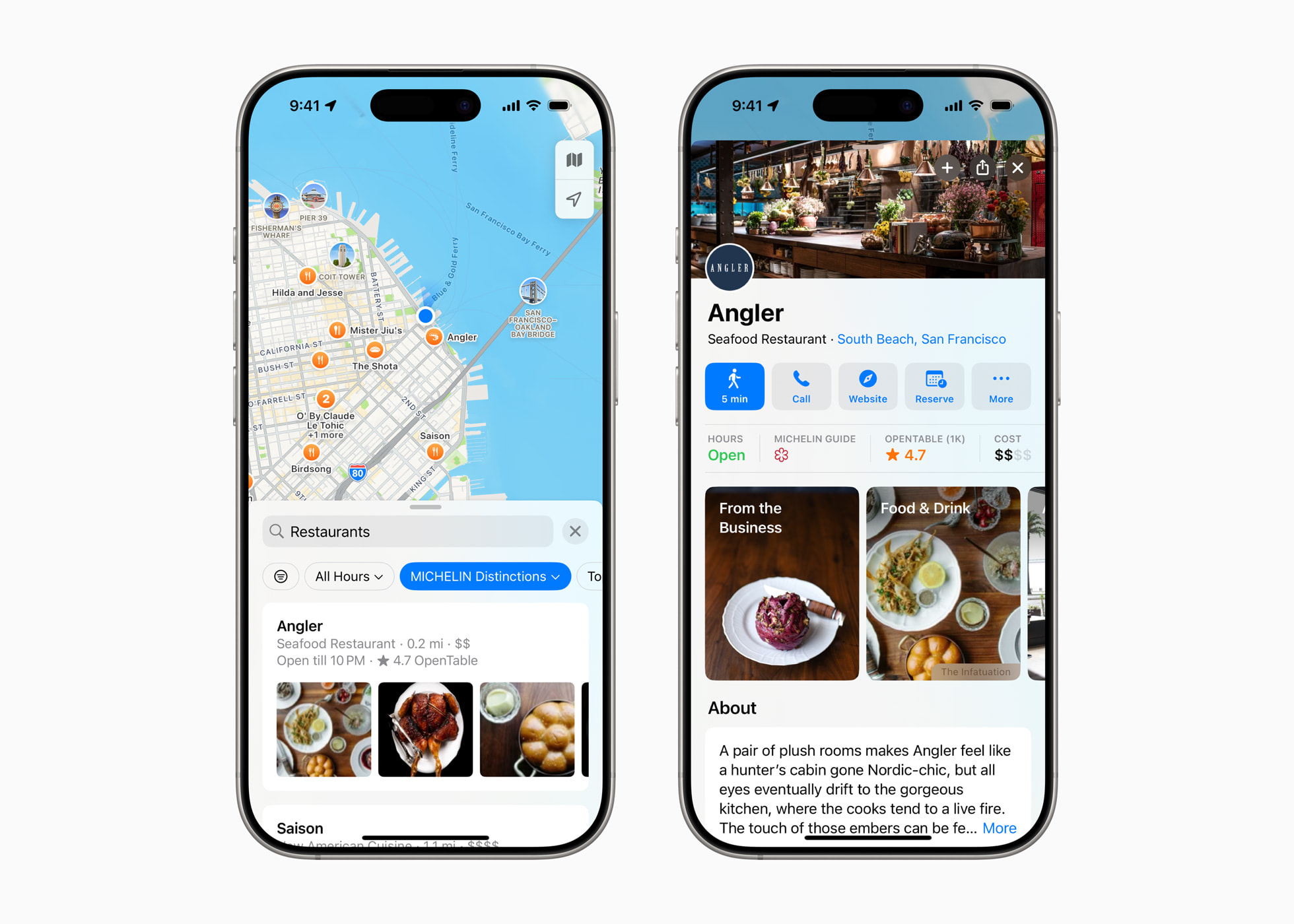
Plan Like a Pro: Apple Maps Adds MICHELIN Stars, Hotel Bookings, and Golf Digest Rankings
Apple Maps Just Got Smarter

Goldtouch: Leading the Charge in Ergonomic Desktop Technology
Goldtouch Launches Elite Adjustable Ergonomic Keyboard

SMART Unveils Innovative Inclusion Solution and Global Research to Support Neurodiverse Learners
SMART Unveils Innovative Inclusion Solution
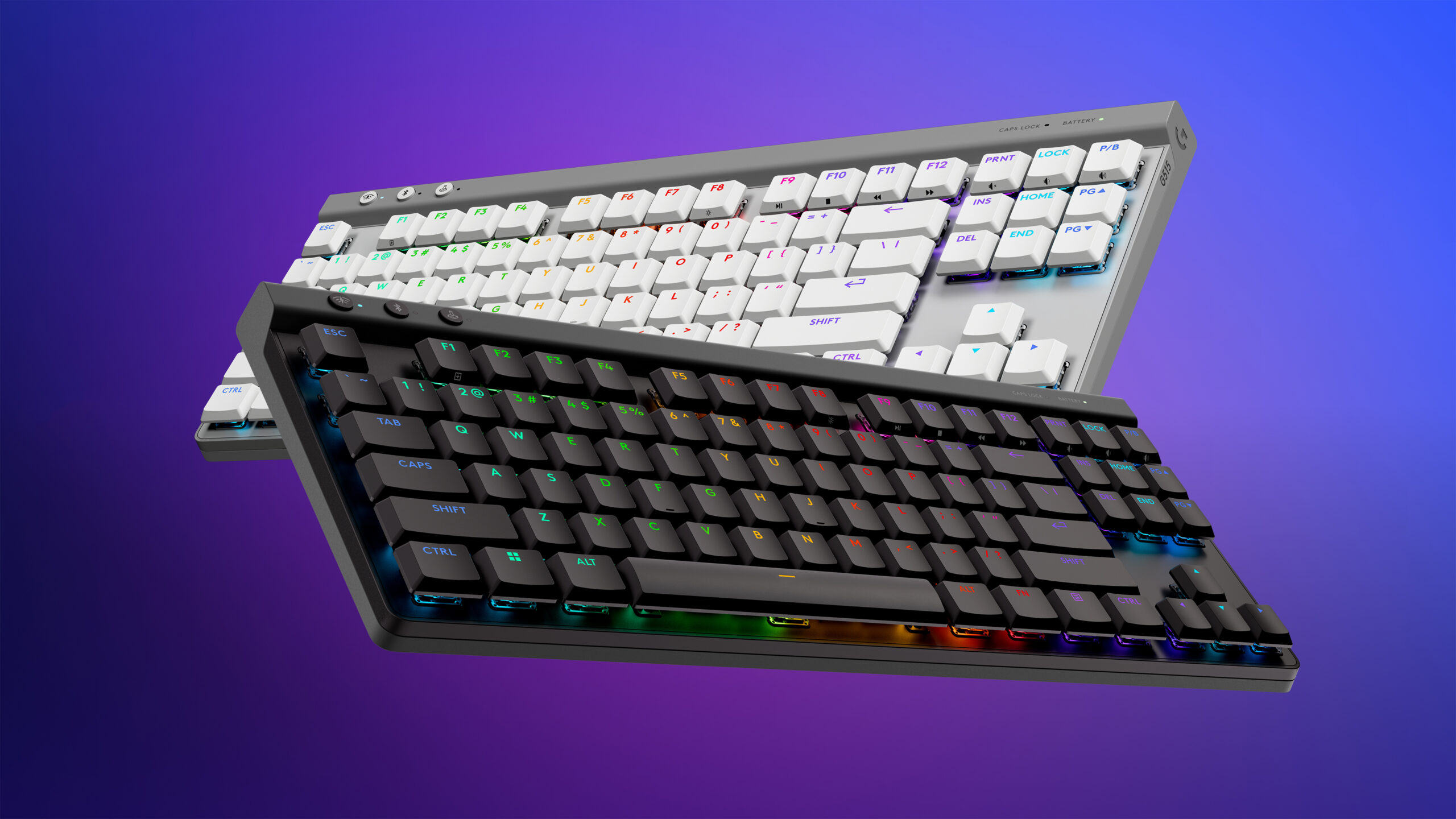
Logitech G515: Cutting-Edge Low-Profile Keyboard for Elite Gaming Performance
Logitech G515: Cutting-Edge Low-Profile Keyboard for Elite Gaming Perf
Reebok Embarks on Metaverse Exploration with Futureverse in Groundbreaking Partnership
Reebok has unveiled a strategic partnership with Futureverse, a promin
POST COMMENT