

Amazon Is Bringing Uber Eats Into the Prime Ecosystem

Brian K. Neal
Amazon has spent years turning Prime into something larger than a shipping subscription. What began as a promise of faster deliveries has expanded into entertainment, groceries, pharmacy services, and a collection of benefits designed to make the membership useful across everyday life. Now, the company is bringing Uber Eats into that ecosystem, placing restaurant delivery alongside the products and services customers already purchase through Amazon.
On November 5, 2026, Amazon and Uber announced a partnership allowing U.S. Prime members to order restaurant delivery directly through Amazon.com and the Amazon Shopping app. Eligible orders of $25 or more carry no delivery fee, and customers can browse participating restaurants, place orders, and pay using their existing Amazon credentials. No separate Uber application is required.
The arrangement connects Prime members with hundreds of thousands of restaurants across nearly 10,000 American cities and towns. It also marks a change in Amazon’s restaurant-delivery relationship, replacing the Grubhub benefit that had been part of Prime since 2022.
For Amazon, the agreement adds another service to an already expansive membership. For Uber Eats, it introduces another way to reach customers through one of the country’s most established shopping platforms.
But the more interesting development is not simply what Amazon is offering. It is where the customer relationship begins.
A person who opens Amazon to purchase household supplies can now use that same environment to order dinner. The restaurant prepares the food. Uber Eats supplies the delivery network. Amazon provides the shopping experience through which the transaction begins.
The companies do not need to merge their businesses to make that arrangement work. They can connect their existing operations around a customer who already has a reason to use one of their platforms.
Jamil Ghani, worldwide vice president of Amazon Prime, framed the announcement around the membership’s expanding utility, describing the new offering as a way of making dinner delivery easier. His remarks reinforce the company’s effort to make Prime useful beyond conventional retail purchases.
That distinction matters because Prime’s value increasingly depends on the range of activities it can accommodate. A subscription used primarily for shipping may be evaluated differently from one that also provides entertainment, grocery benefits, prescription services, and restaurant delivery.
Amazon is not announcing a separate Uber Eats subscription for Prime members. Instead, the new benefit is incorporated into the existing membership, which costs $14.99 per month or $139 annually in the United States.
The financial benefit comes with qualifications. The waived delivery fee applies to eligible restaurant orders of at least $25 placed through Amazon, while service fees, taxes, tips, and other applicable charges may remain. Prime members also receive introductory discounts of $20 on each of their first two qualifying orders during the initial 14-day promotional period.
Amazon estimates that eligible members could save more than $175 annually through delivery-fee waivers and promotional offers. That figure is based on the company’s ordering assumptions and comparisons with Uber Eats purchases made without an Uber One membership. It is not a guaranteed saving for every Prime subscriber.
The distinction is important. The partnership adds value to Prime, but it does not eliminate the broader costs associated with restaurant delivery.
For Uber Eats, the opportunity extends beyond offering another discount.
Delivery companies compete for restaurants, customers, and the frequency with which those customers place orders. Each additional point of access creates an opportunity to generate transactions, particularly when the service becomes available through a platform consumers already use.
Andrew Macdonald, Uber’s president and chief operating officer, described the partnership as an effort to connect its restaurant network with “new Prime fans.”
That ambition captures the business opportunity. Uber Eats can reach customers who begin their shopping experience on Amazon rather than opening a dedicated food-delivery application.
Whether those customers ultimately order more frequently, generate additional revenue, or shift spending away from competitors remains unknown. The companies have not disclosed the financial terms of their agreement or provided projections establishing how much additional business the partnership will produce.
What is verifiable is the expansion of Uber Eats’ distribution through Amazon’s retail environment.
The arrangement also represents another chapter in Amazon’s relationship with the restaurant-delivery industry.
In 2022, Amazon began offering Prime members a complimentary Grubhub+ trial. The companies expanded that relationship in 2024, making the membership benefit ongoing. Amazon also negotiated potential ownership interests in Grubhub through agreements involving its former parent company, Just Eat Takeaway.com.
That commercial relationship ended as the Uber Eats partnership began.
The change is significant because Amazon is continuing its restaurant-delivery strategy without operating a nationwide delivery network of its own. Instead, it is incorporating an established delivery provider into the Prime experience.
The new benefit is not identical to the previous Grubhub+ arrangement. The former offer included delivery-fee waivers on qualifying orders above $12 and reduced service fees. The Uber Eats benefit requires a $25 restaurant order and does not include Uber One membership benefits.
For customers, that difference may matter as much as the identity of the delivery provider. A larger restaurant selection or a more convenient ordering experience does not necessarily mean every order becomes less expensive.
The partnership arrives as competition across food delivery, grocery services, and retail continues to evolve.
DoorDash has proposed a $17 billion acquisition of Instacart, a transaction that, if completed, would combine major businesses operating across restaurant and grocery delivery. Other companies, including Walmart and Lyft, have also developed partnerships that connect food delivery with broader shopping or transportation services.
These arrangements differ in structure and purpose, but they reveal a shared commercial interest: connecting services that consumers might otherwise access separately.
The competition is no longer confined to which delivery application a customer opens when hungry. Retailers, transportation platforms, and membership programs are finding ways to make restaurant delivery accessible through their existing relationships with consumers.
That does not mean the delivery market has already been transformed by Amazon’s latest agreement. It means the methods through which companies compete for orders are expanding.
There are still questions about the economics.
How much additional business will Uber Eats receive from Amazon? Will Prime members order more frequently because restaurant delivery is available through the shopping app? Will the partnership attract customers who previously used Grubhub or DoorDash? And how will the two companies divide the costs and benefits of bringing those transactions together?
Those questions cannot be answered by the announcement alone.
What the agreement establishes is a change in how Amazon is positioning Prime and how Uber Eats can reach potential customers.
Amazon is adding another everyday service to a membership designed to remain relevant across different parts of a consumer’s life. Uber Eats is extending its restaurant-delivery network into an established shopping environment without requiring customers to begin on its own platform.
The companies already have other business relationships involving cloud computing, autonomous mobility, and Uber Eats integration with Alexa+. The new Prime benefit adds a particularly direct consumer-facing dimension to that relationship.
And its importance may ultimately be measured less by the announcement than by what customers do next.
If Prime members begin ordering dinner through Amazon regularly, the partnership could create another recurring interaction between the retailer and its subscribers. If the service remains an occasional convenience, its impact may be more limited.
Neither outcome should be presumed.
For now, Amazon has made a deliberate move to extend the usefulness of Prime, while Uber Eats has gained another distribution channel for its restaurant network.
The restaurant still prepares the meal. The delivery driver still brings it to the door. But the customer no longer has to begin the process inside a dedicated food-delivery application.
Amazon has given Prime members another reason to open its platform. Uber Eats has gained another place to meet them.
And the next phase of competition in food delivery may depend as much on where customers choose to begin an order as on who ultimately delivers it.
Related Posts
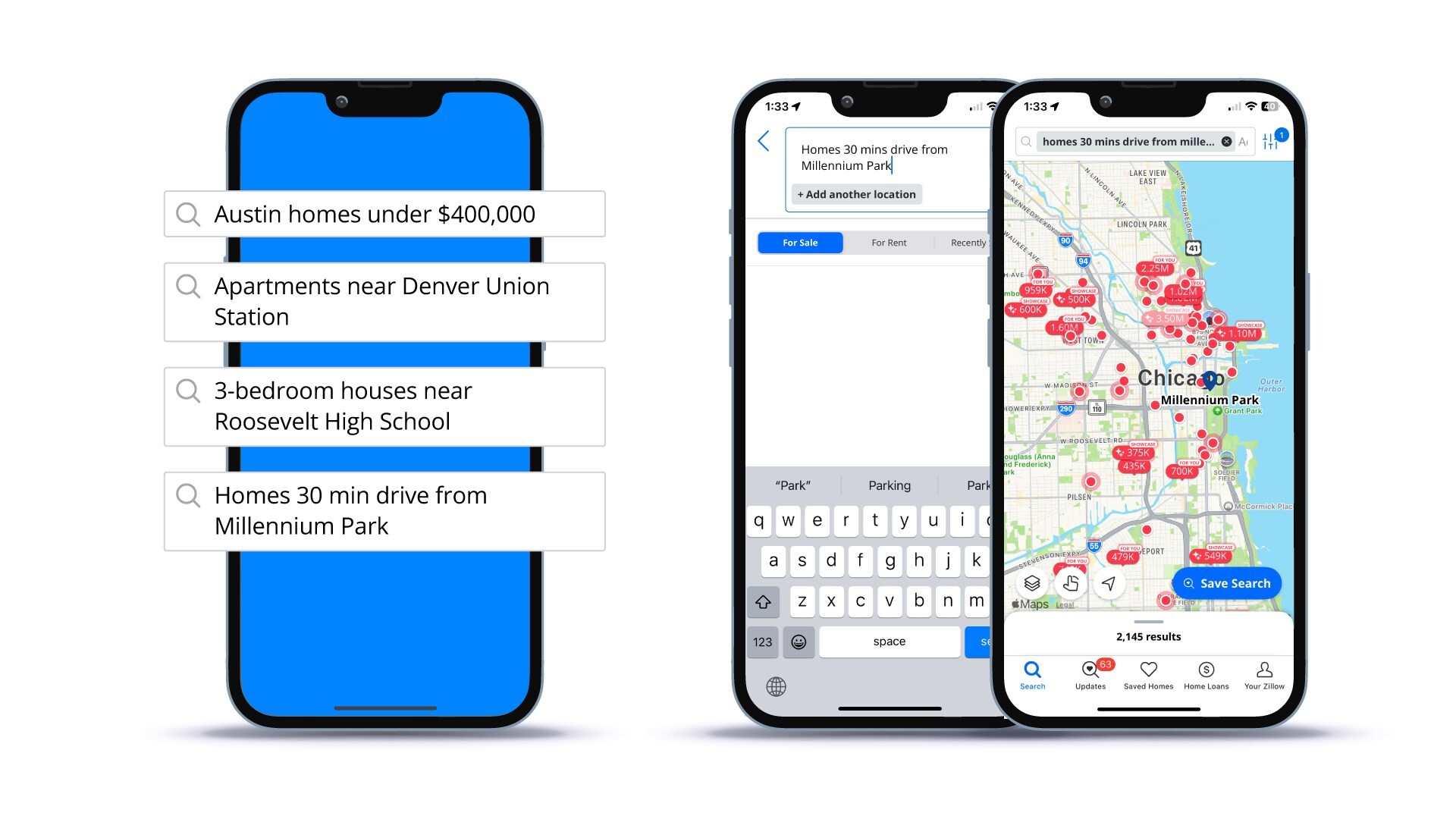
Zillow’s AI Search Upgrade Transforms How You Find Your Next Home
Zillow's AI-powered home search smarter with natural language features

Monster Hunter Stories 3 Soars Onto Next-Gen in 2026 With Twin Rathalos and Political Intrigue
Riders, Royals, and Rathalos

LG Turns Up the Culture: Radio+ Gets a Global Music Overhaul
LG Radio+ Just Leveled Up

Gamerji Expands Esports Tournament Platform to Southeast Asia
GAMERJI EXPANDS ESPORTS TOURNAMENT

Samsung unveils the Galaxy S24 Series Update, expanding options for Galaxy users
Samsung Announces Galaxy S24 Series Update

United Partners with SpaceX to Revolutionize Inflight Wi-Fi with Starlink
Inflight Wi-Fi Revolution Now Arriving: United Signs Starlink Deal.
POST COMMENT