

Young Roddo’s Music Video Opens a New Lane Between Roblox and the Music Industry
By DaMarko GianCarlo
For years, the music industry’s relationship with Roblox has largely followed a familiar direction. Artists enter the platform to perform virtual concerts, build branded experiences, sell digital merchandise or place their music in front of an enormous audience. The record exists. The campaign exists. Roblox becomes another place to extend it.
Young Roddo’s “Robux” changes that relationship in a small but potentially consequential way. This time, Roblox was not simply where an artist arrived to promote something made elsewhere. It became part of where the official music media itself was made.
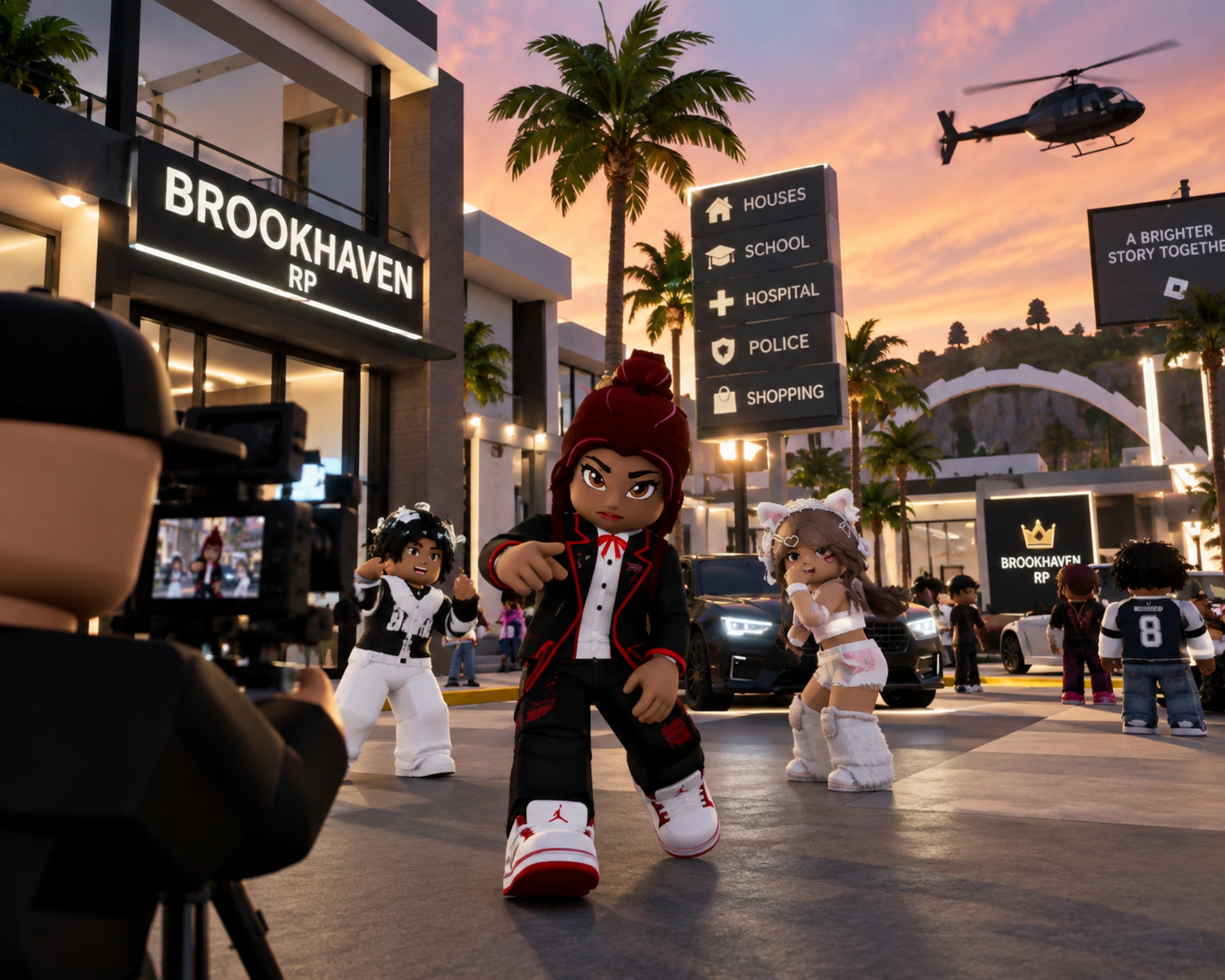
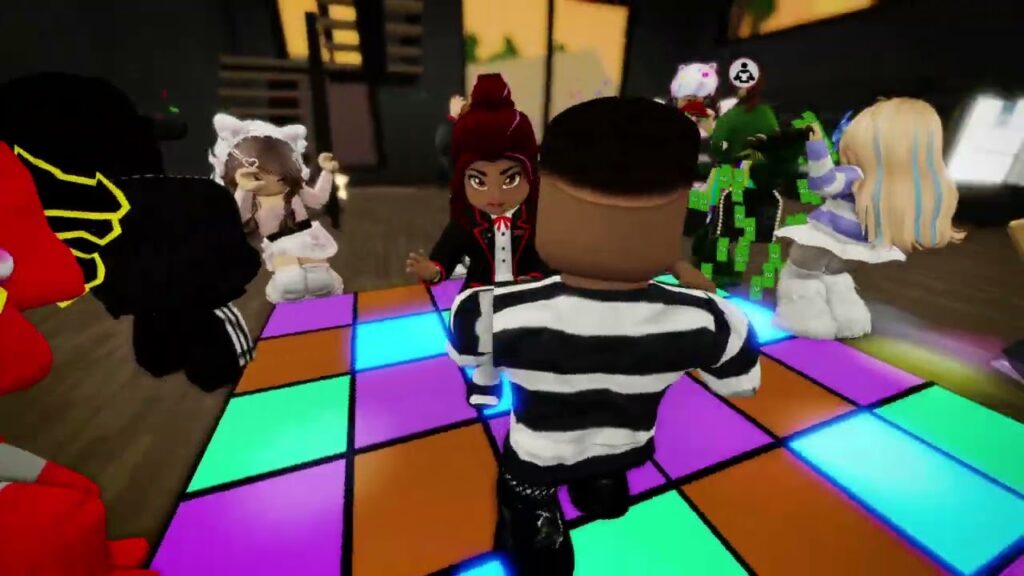
The nine-year-old Chicago artist filmed the official “Robux” music video inside Brookhaven, the massively popular Roblox experience operated by Voldex, through a collaboration involving EMPIRE, Roblox and Brookhaven. Roblox Head of Music Partnerships Jessica Meehan called it the “first official music video shot on the platform.” That wording is important. Music videos inspired by Roblox, fan-made videos and artist experiences inside Roblox existed long before Young Roddo arrived. Roblox has also spent years working with musicians. The first being claimed here is narrower: an artist’s official music video being shot on the Roblox platform as part of an official collaboration.
That distinction is what makes the project worth examining.
Roblox has already shown what happens when the music industry treats a gaming platform as a destination. Twenty One Pilots and Warner Music Group created an interactive concert experience on Roblox in 2021, allowing players to influence the setlist and participate in activities across the platform. Royal Blood performed during Roblox’s Bloxy Awards. Other artists have used virtual worlds to premiere music, perform, sell virtual goods and deepen their relationships with fans.
Those collaborations established an important idea: musicians do not have to wait for gaming audiences to leave games before reaching them.
Young Roddo introduces another possibility. What if the artist does not simply bring music into the world? What if the world becomes part of making the media around the music?
Brookhaven is particularly useful for understanding that shift. According to the announcement surrounding “Robux,” the experience had accumulated roughly 86 billion visits. More importantly, Young Roddo was not introduced to Brookhaven solely for a marketing campaign. EMPIRE COO Nima Etminan said Roddo regularly plays the experience himself. The record is called “Robux.” Its artist already participates in Roblox culture. Instead of constructing an artificial connection between a musician and a gaming audience, the collaboration followed behavior that already existed.
That changes the architecture.
Traditionally, a label and artist make a record, commission a music video, choose physical locations or build sets, release the finished work and then bring audiences to it. Roblox creates the possibility of several of those stages occupying the same environment. The virtual world can become the location. The players already living inside it can become participants. The resulting video can then leave Roblox and circulate through YouTube, social platforms and the rest of the internet.
The audience is no longer necessarily waiting at the end of the process. It can be inside the production itself.
EMPIRE says more than 540,000 players participated in the Brookhaven activation surrounding the shoot. That figure deserves careful language. Public information about the project does not provide enough independent platform data to establish whether 540,000 represents unique individuals, visits or another measurement of participation. It therefore should not be interpreted as 540,000 people simultaneously standing inside one virtual music-video set. What can be said is that participation was designed into the project rather than added after the video was completed.
And that is where Young Roddo’s video begins to look less like an isolated novelty and more like a demonstration of another business relationship.
Until now, a record label approaching Roblox could reasonably ask: How can this platform help us reach its audience?
After “Robux,” there is another question available:
What can we make here?
That is a meaningful difference.
Roblox has worlds. Those worlds have recognizable locations, communities and patterns of behavior. Operators such as Voldex have experiences with audiences that already return to them. Record labels have artists, music and intellectual property. Artists provide the cultural connection between those systems. When the relationship works naturally, a label does not necessarily have to build an entirely new virtual destination and convince people to visit it. It can potentially create within a world where the audience already spends its time.
Brookhaven itself is increasingly positioned for that kind of relationship. Its official partnership materials invite outside collaborators to build within its world and describe an audience of more than 140 million monthly players. That does not mean Brookhaven is about to become a virtual production studio for the record business. It does show that the architecture necessary for more collaborations already exists.
Roblox benefits from that evolution too.
A platform that once primarily hosted games has spent years expanding the ways culture can exist inside it. Music performances helped turn Roblox experiences into destinations. Brand partnerships turned virtual environments into commercial spaces. An official music video introduces another role: production environment.
That role is potentially more valuable than simply hosting another advertisement.
A piece of media created inside Roblox does not have to remain there. The finished video can travel to YouTube. Clips can circulate on TikTok and Instagram. Screenshots can become editorial images. The visual identity of a Roblox world can leave the platform attached to an artist and a record. Roblox becomes not only somewhere culture is consumed, but somewhere cultural material originates before being distributed elsewhere.
For the music industry, that creates another lane without requiring an old one to disappear.
Physical music-video production is not going away. Neither is YouTube. Roblox does not need to replace either for “Robux” to matter. A warehouse, mansion, street corner, soundstage or desert can remain a music-video location. Brookhaven can simply become another kind of location—one that happens to arrive with an existing population.
Young Roddo’s age makes that idea particularly revealing. At nine years old, his relationship with Roblox belongs to a generation for whom virtual environments do not necessarily need to be explained through the language of the “metaverse.” Roblox can simply be somewhere people play, socialize and create. For an artist who already understands that environment, making something there may eventually feel no more conceptually unusual than an earlier generation deciding to shoot a video on a basketball court or neighborhood block.
That is why the most important part of “Robux” is not ultimately the word first.
Firsts make good announcements. Systems matter when they can be repeated.
One music video does not prove that record labels will suddenly begin moving production into Roblox, and there is no reason to suggest they will. What Young Roddo, EMPIRE, Roblox and Brookhaven have demonstrated is more restrained—and potentially more important.
The option now exists.
The relationship between gaming platforms and musicians has already moved from placement to performance, from promotion to participation. “Robux” adds production to that progression. Roblox can offer the music industry more than access to the people inside its worlds. Those worlds themselves can become part of what the industry makes.
Young Roddo may be the artist attached to Roblox’s first official music-video claim, but the larger story is the door the collaboration leaves open behind him.
Music came to Roblox because the audience was already there. Now the music industry has evidence that it can create there with them.
Related Posts

YouTube Music now empowers users to craft AI-generated artwork for their playlists
By River James YouTube Music is introducing a range of new features ta
The Director Didn’t Leave the Film — He Stayed Inside It
A Film Now Has Versions — At the Same Time

BLOCKSMITH&Co. Collaborates with Tencent Cloud to Boost Web3 Services
By Alison Cullen BLOCKSMITH&Co has announced a collaborative partn

Opera Expands Access to Aria AI Assistant: Now Available Without Log-In for Desktop, Gaming, and Android Users
Opera makes Aria AI available without log-in


Coco Gauff and Coi Leray Unite as Trendsetting Ambassadors for Ray-Ban’s A.I.-Enhanced Smart Glasses
Tennis prodigy Coco Gauff and hip-hop sensation Coi Leray have been ch
POST COMMENT