

ESPN’s International Dance League Deal Shows That Professional Sports Are Built Beyond the Game
By DaMarko GianCarlo
For generations, the business of sports has often been explained through the athletes who compete on the field, the court, or the track. Championships are won by extraordinary performances, iconic moments become part of cultural memory, and media rights follow the competitions audiences care about most. ESPN’s agreement with the International Dance League (IDL) appears to fit comfortably within that tradition. Yet the significance of the announcement extends well beyond dance. It reveals a larger truth about how professional sports are actually created. The game may capture attention, but it has never been enough to build a lasting sports property.
Professional sports are built beyond the game.
That statement does not diminish the importance of competition. Without exceptional athletes, there is no league worth following. But history consistently shows that elite competition alone has never been sufficient to create enduring sports institutions. Around the world, countless activities feature extraordinary talent while remaining outside the professional sports economy. The difference is not simply the quality of the competition. It is the system constructed around it.
The world’s most valuable sports properties are not merely collections of games. They are organizations that transform competition into continuity. Teams create identity. Seasons establish rhythm. Standings provide context. Rivalries deepen emotional investment. Championships create legacy. Media rights expand distribution. Sponsorship fuels growth. Together, these elements build an ecosystem that audiences return to year after year.
That ecosystem is ultimately what broadcasters invest in.
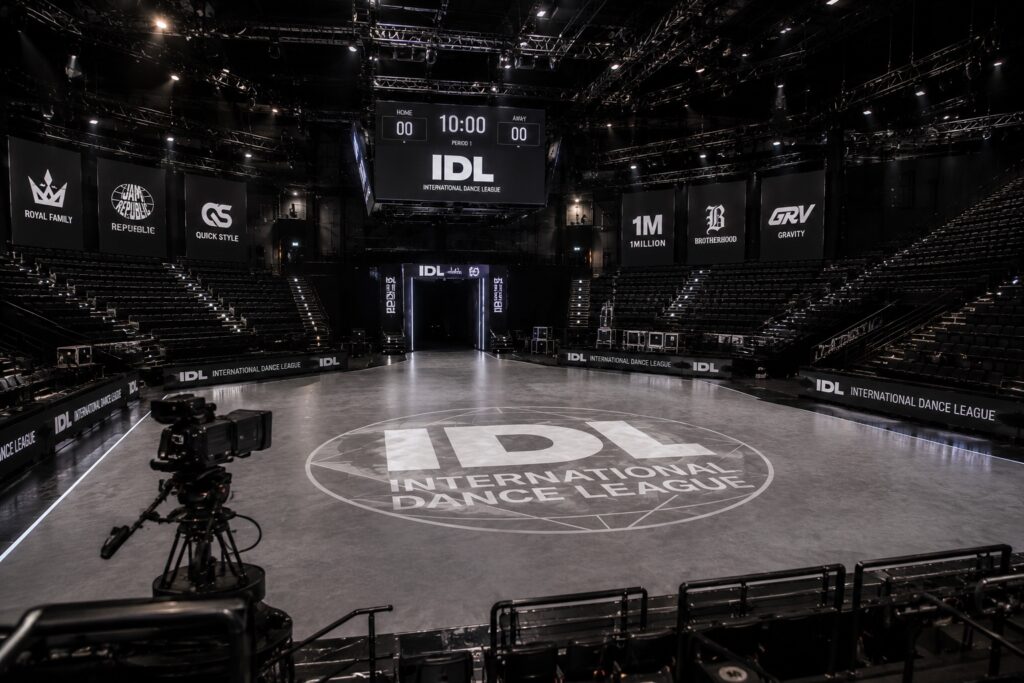
This is why ESPN’s agreement with the International Dance League deserves attention. The network is not simply broadcasting dance. It is investing in a league that is attempting to organize dance through the same structural principles that have defined professional sports for generations. Rather than presenting isolated performances, IDL is building permanent teams, seasonal competition, standings, playoffs, and championships. Those decisions are not creative details. They are institutional decisions.
That distinction matters because institutions behave differently than events.
Events generate attention.
Institutions generate continuity.
Continuity creates anticipation.
Anticipation creates habit.
Habit creates enduring media value.
Every major professional league follows this progression. Fans do not simply watch a championship. They follow an entire season. They anticipate schedules, debate rankings, support teams, discuss rivalries, and invest emotionally in outcomes that extend far beyond a single competition. The contest itself becomes one chapter within a much larger narrative.
That ongoing relationship—not the individual game—is what sports media monetizes.
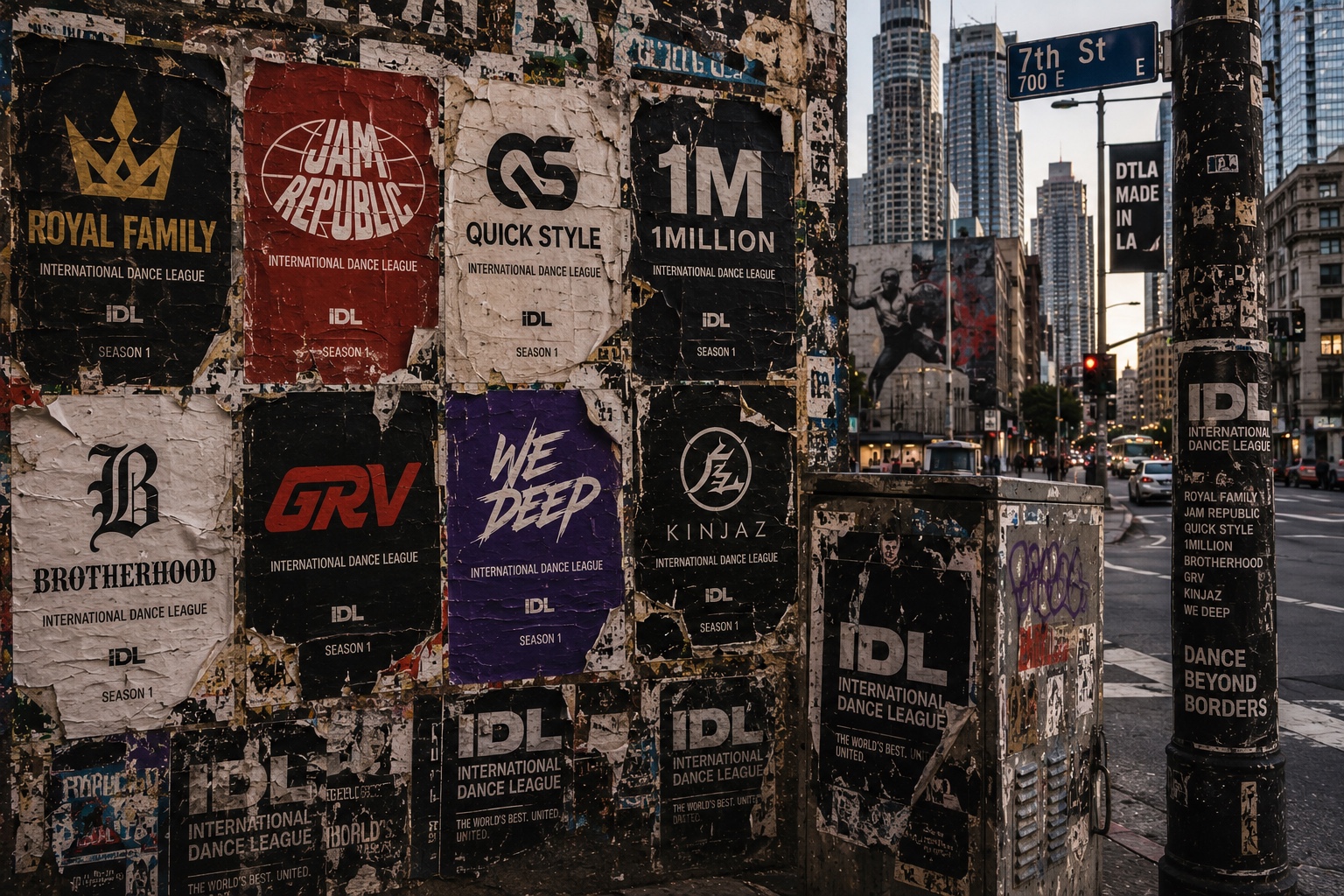
The International Dance League also enters the market with an advantage that reflects how modern sports are increasingly built. Rather than inventing anonymous franchises, the league is organized around internationally recognized organizations such as Royal Family, Jam Republic, Quick Style, and 1MILLION. These brands established global audiences through years of performance, choreography, competition, and digital media before joining the league. ESPN is not introducing viewers to unknown participants. It is recognizing communities that already exist.
That represents an important shift.
Historically, many professional leagues grew around geography. Cities came first, and team identities developed over time. Increasingly, however, digital platforms have allowed communities to form independently of place. Audiences now gather around creators, organizations, and shared cultural interests that often extend across national borders. In many cases, the community exists before the league.
The opportunity is no longer creating interest.
It is organizing interest.
That is precisely what the International Dance League is attempting to accomplish.
This also explains why IDL should not be confused with event-based dance properties such as So You Think You Can Dance, World of Dance, or Red Bull Dance Your Style. Those formats demonstrated that elite dance could attract substantial audiences and produce memorable performances. They proved there was demand for competitive dance.
IDL is testing something different.
It is testing whether dance can support the institutional framework that transforms recurring competition into a professional sports property.
That question extends well beyond dance.
Across the media landscape, broadcasters are increasingly evaluating competitions through a broader lens. The central question is no longer simply whether an activity fits a traditional definition of sport. It is whether the surrounding organization can produce the characteristics that make professional sports economically sustainable. Can it create identity? Can it sustain recurring engagement? Can it support long-term partnerships? Can it develop traditions that audiences willingly return to every season?
Those questions determine whether competition becomes an industry.
Viewed through that lens, ESPN’s agreement with the International Dance League is not merely an expansion of programming. It is an investment in institution building. The network is recognizing that the long-term value of professional sports has never rested exclusively on the competition itself. It has rested on the systems capable of transforming extraordinary performances into enduring cultural and commercial ecosystems.
Ultimately, this announcement is not about whether dance belongs on a sports network. It is about what separates a competition from a professional sport. Elite performance may inspire audiences, but institutions sustain them. The game introduces the possibility. The league creates the future.
ESPN’s investment in the International Dance League suggests that this principle remains as true today as it has throughout the history of modern sports. Professional sports are not built solely by what happens during competition. They are built by everything that allows that competition to endure long after the final performance ends.
Related Posts

Tillamook Unveils Decadent Chocolate Collection and High-Tech iScreen for National Chocolate Ice Cream Day
Tillamook Unveils Decadent Chocolate Collection

Samsonite’s collaboration with BOSS unveils a fresh campaign designed to take travelers on an extraordinary journey with its distinctive aluminum luggage capsule
BOSS and Samsonite have launched the exciting new "Departures" campaig

“Team Chipotle” Unveils Limited-Time Menu Featuring Favorite Orders of America’s Top Athletes
Chipotle brings back gold foil burritos in the U.S.
Netflix Unleashes Monster: The Ed Gein Story with Charlie Hunnam in Chilling Lead
Ryan Murphy’s Next Monster
Colman Domingo Takes on a Political Media Pundit Caught in a Deadly Conspiracy in Netflix’s The Madness
Colman Domingo Must Clear His Name in Trailer for Netflix’s ‘The M

Emerging Brazilian Soccer Talent Endrick Felipe Moreira de Sousa Joins Forces with New Balance in Major Collaboration
New Balance Football has recently inked a deal with the rising Brazil