

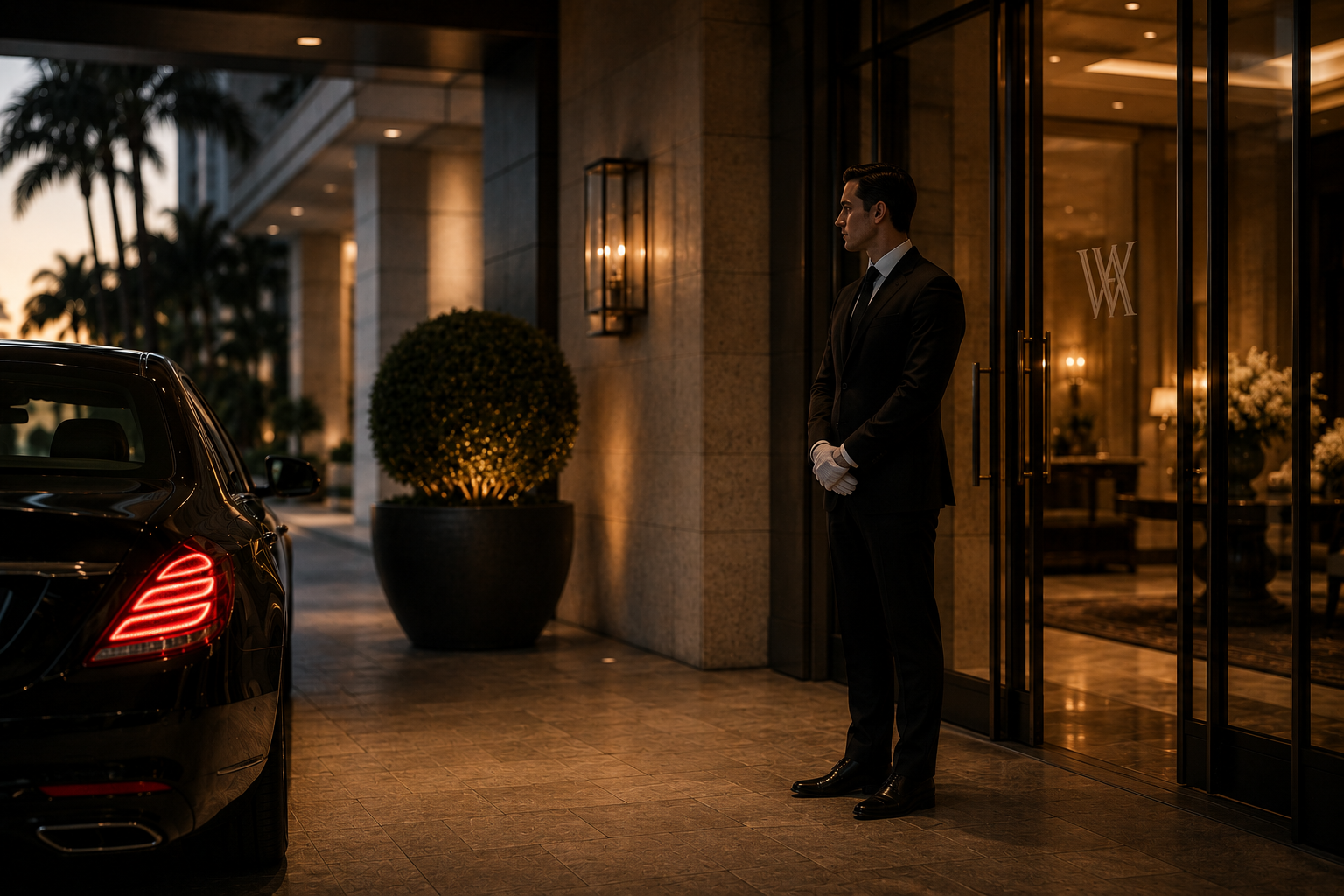
The Waldorf Astoria Miami Beach Isn’t Just Replacing the W—It’s Repositioning What Luxury Means

By Craig Lethar
Luxury has never been defined by buildings alone.
The world’s great hotels are remembered not simply because of where they stand, but because of what they represent. Their architecture may endure for decades, yet the meaning attached to those walls is constantly rewritten by changing generations of travelers. That is why the transformation of the W South Beach into the Waldorf Astoria Miami Beach deserves to be viewed as more than a renovation. It is a strategic repositioning of one of Miami Beach’s most valuable hospitality assets around a different philosophy of luxury.
The Atlantic Ocean remains unchanged.
South Beach remains one of the world’s most recognizable coastlines.
The property’s extraordinary location has not moved by a single inch.
Yet ownership believes the future value of this landmark can be strengthened by changing something far less tangible than its address.
Its promise.
When W Hotels emerged in the late 1990s, they helped redefine luxury for a new generation. Hotels became cultural destinations rather than simply accommodations. Lobbies evolved into gathering places. Restaurants became social stages. Music, nightlife, fashion, and celebrity transformed hospitality into an extension of entertainment itself.
Luxury became energetic.
It became visible.
It became something guests participated in as much as experienced.
Few hotels embodied that philosophy more successfully than the W South Beach. It reflected an era when being connected to the energy of a destination became part of the luxury experience itself.
The Waldorf Astoria represents a different idea.
For more than a century, the brand has built its reputation on timeless service, discretion, craftsmanship, and personalized hospitality. Rather than asking guests to become part of the scene, it seeks to create an environment where the experience feels thoughtfully orchestrated from beginning to end.
That distinction is more significant than a change of name.
It represents a shift in what ownership believes affluent travelers increasingly value.
This is not the repositioning of a struggling property. The W South Beach has long been one of Miami Beach’s defining luxury hotels. The decision to transform it into a Waldorf Astoria reflects confidence that the same real estate can create greater long-term value by expressing a different philosophy of hospitality.
That is not simply branding.
It is asset strategy.
In commercial real estate, location has always been considered the foundation of value. Yet trophy assets demonstrate something equally important: location creates opportunity, while positioning determines potential.
The ocean creates scarcity.
The brand creates meaning.
Meaning creates demand.
Demand creates pricing power.
Pricing power strengthens long-term value.
That chain begins long before a guest books a reservation.
Luxury hotels do not simply sell rooms.
They sell expectation.
The expectation that every detail has already been considered.
The expectation that service will feel effortless.
The expectation that time will be spent well.
That may be the greatest evolution occurring across luxury hospitality today.
As premium accommodations around the world continue to offer exceptional rooms, remarkable dining, wellness programs, and world-class design, those features increasingly become the baseline rather than the differentiator. What distinguishes one luxury brand from another is no longer simply what it provides.
It is how it makes people feel.
One brand promises excitement.
Another promises restoration.
One celebrates visibility.
Another celebrates intention.
Neither philosophy is inherently superior.
Each reflects the priorities of its generation.
Miami Beach has undergone a similar evolution.
Long associated with nightlife and entertainment, the city has expanded into a global destination for luxury real estate, international investment, world-class dining, Art Basel, Formula 1, technology entrepreneurs, and travelers seeking experiences that extend beyond the energy of Ocean Drive. As the city has matured, its hospitality landscape has matured alongside it.
The Waldorf Astoria Miami Beach reflects that broader evolution.
Yet perhaps the deepest lesson extends beyond hospitality itself.
Every luxury purchase is ultimately a purchase of time.
A private jet does not simply shorten a journey. It returns hours.
A luxury residence does not merely provide space. It changes how life is experienced within it.
A great hotel has never truly sold a bed.
It has always sold the feeling that every moment between arrival and departure has been intentionally designed.
That is what transforms service into stewardship.
The quiet hallway.
The perfectly balanced lighting.
The carefully arranged flowers.
The absence of distraction.
None of those details exist to impress.
They exist to reassure.
They communicate something before a single word is spoken:
Everything has already been prepared for you.
That may be the most valuable expression of luxury in today’s world.
Not spectacle.
Not excess.
Not even exclusivity.
But the confidence that every anticipation has already been anticipated.
The Waldorf Astoria Miami Beach isn’t just replacing the W—it’s illustrating that the future of luxury hospitality will not be defined by who builds the most remarkable hotel.
It will be defined by who best understands that the greatest luxury any guest possesses is time—and who demonstrates the discipline to honor it before the guest ever arrives.
Related Posts
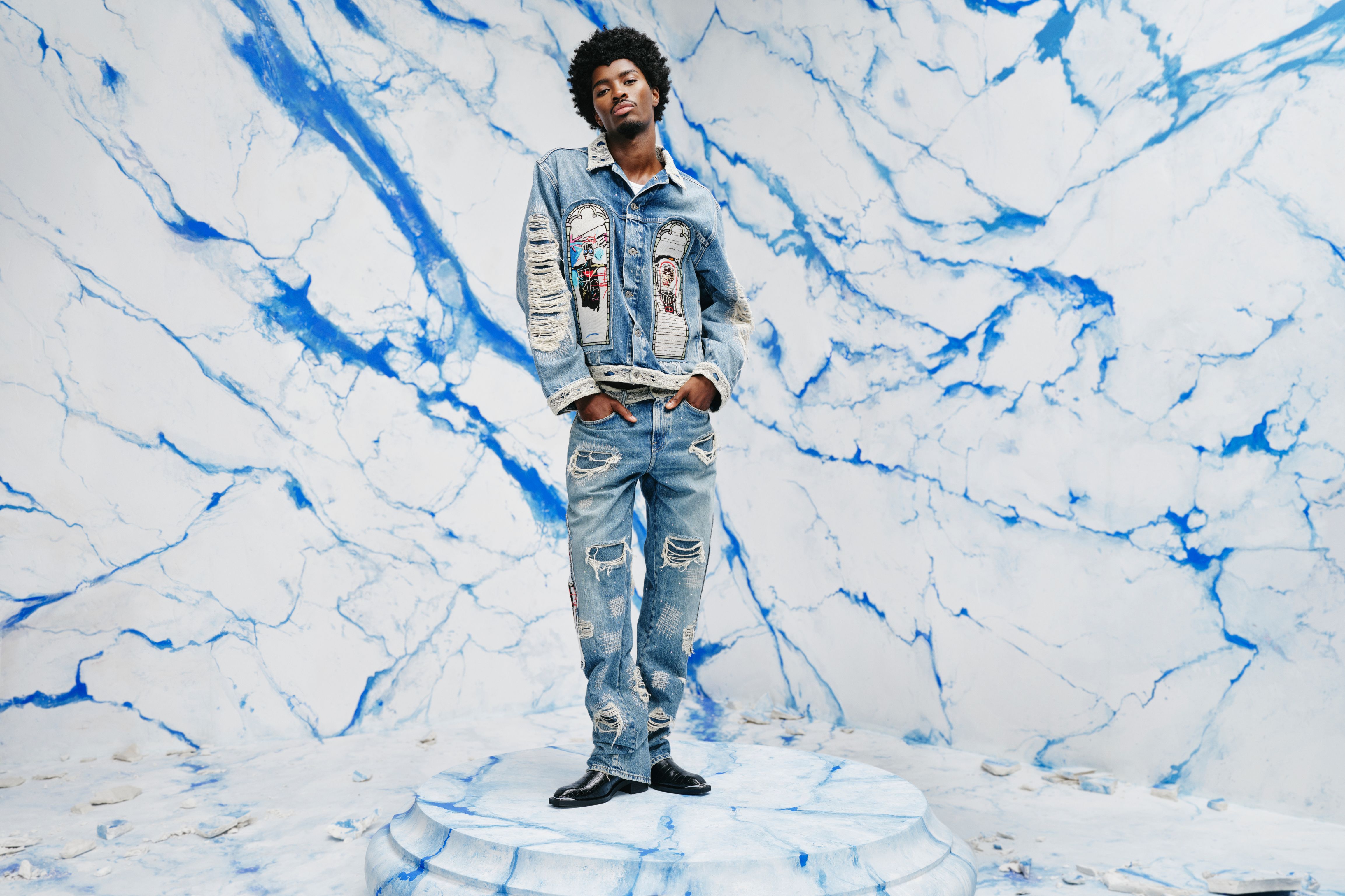
Where Fashion, Art, and Culture Unite: H&M, Ev Bravado, and Téla D’Amore Collaborate on a Collection Featuring Jean-Michel Basquiat’s Works
H&M, Ev Bravado, and Téla D'Amore Collaborate

Jude Bellingham: The New Face of EA Sports FC 25
Jude Bellingham Is the ‘EA SPORTS FC 25’ Cover Star.
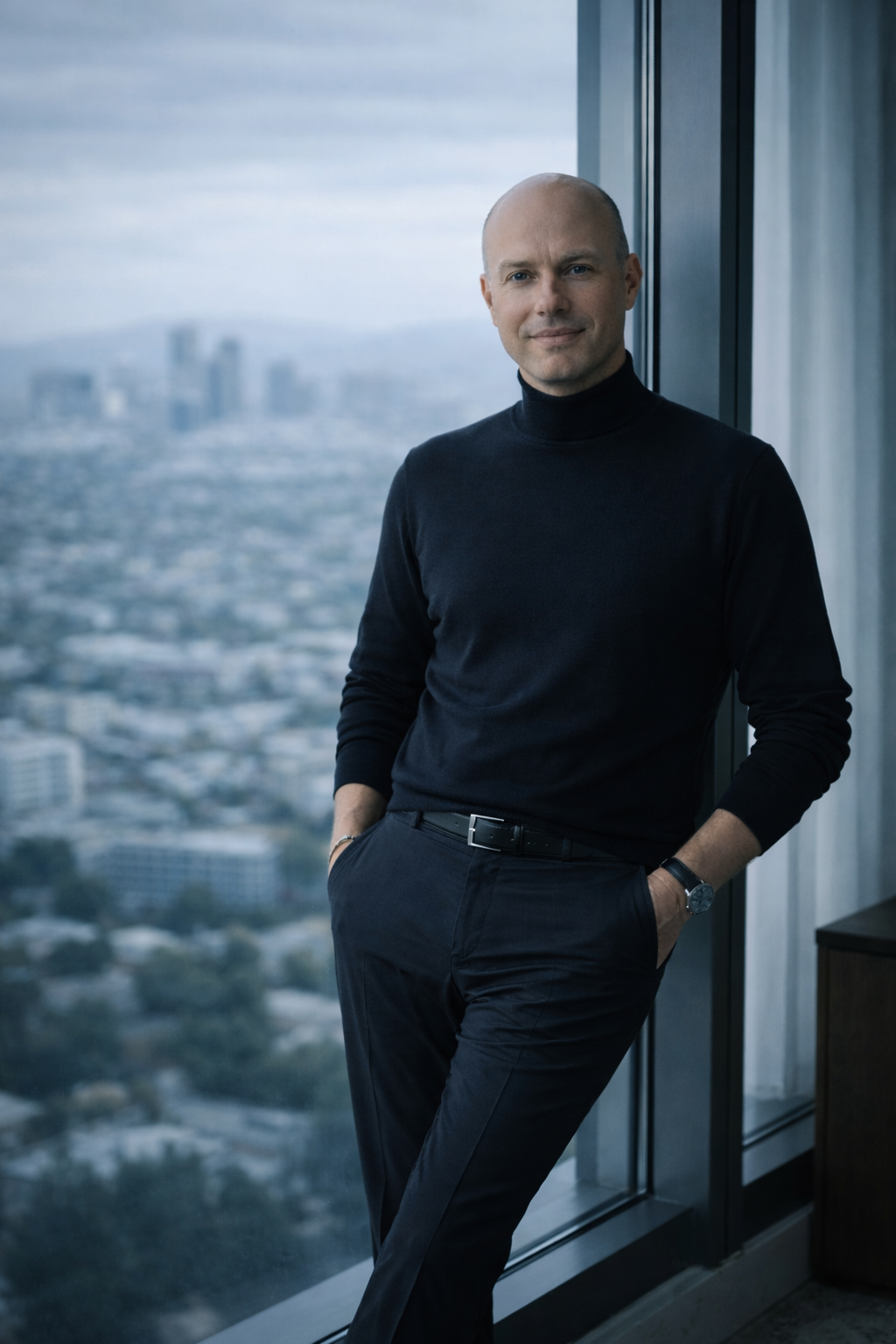
AI Just Hired Hollywood
The migration from computation to collaboration.
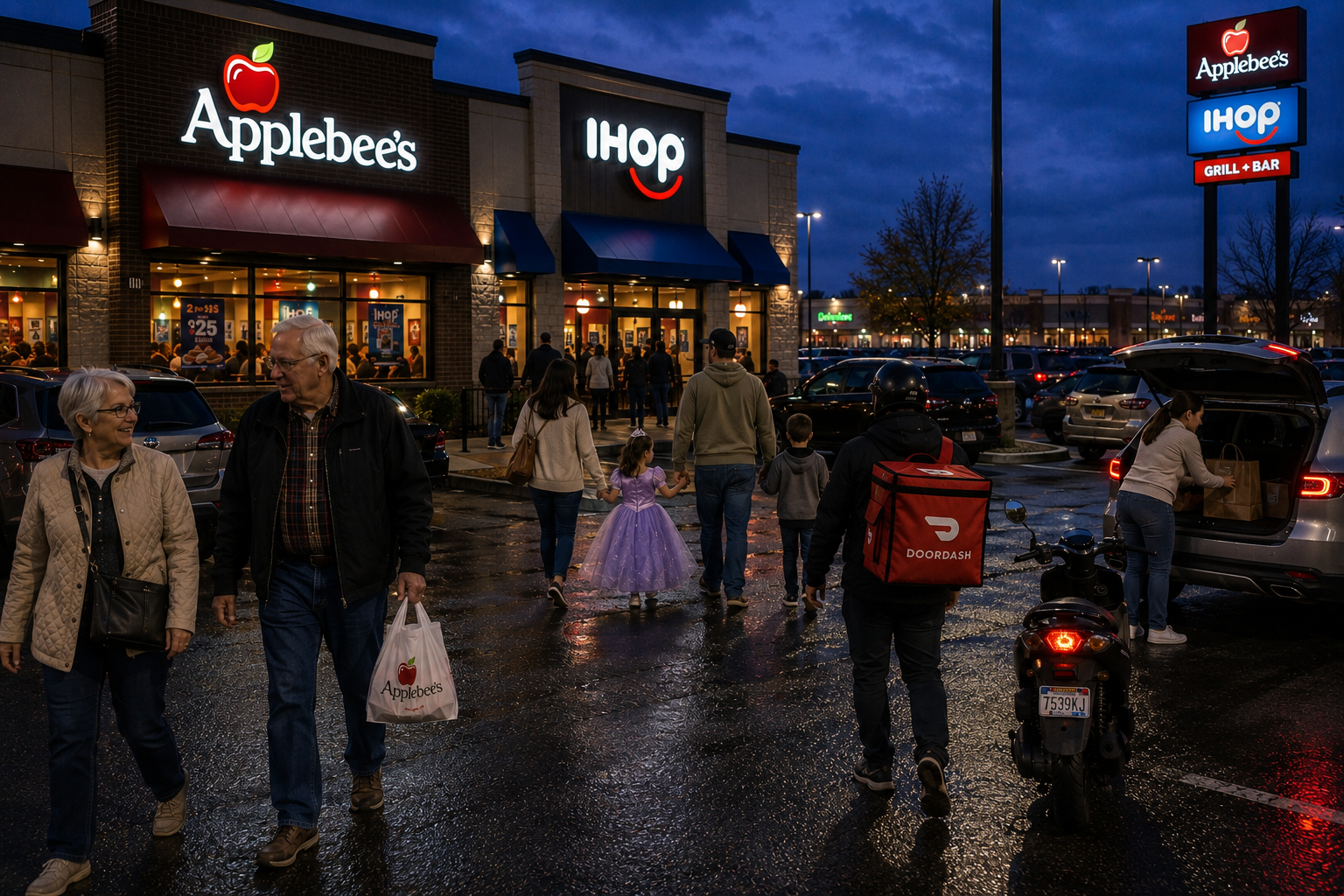
Applebee’s and IHOP Are Turning Restaurants Into Platforms
One Destination, Many Occasions

Netflix Unleashes Devil May Cry on April 3: A Stylish Anime Adaptation with High Expectations
Capcom and Netflix introduce Devil May Cry
Paradise Returns: Sterling K. Brown Ignites Season 2 in Explosive New Trailer
Nothing Stays Buried