

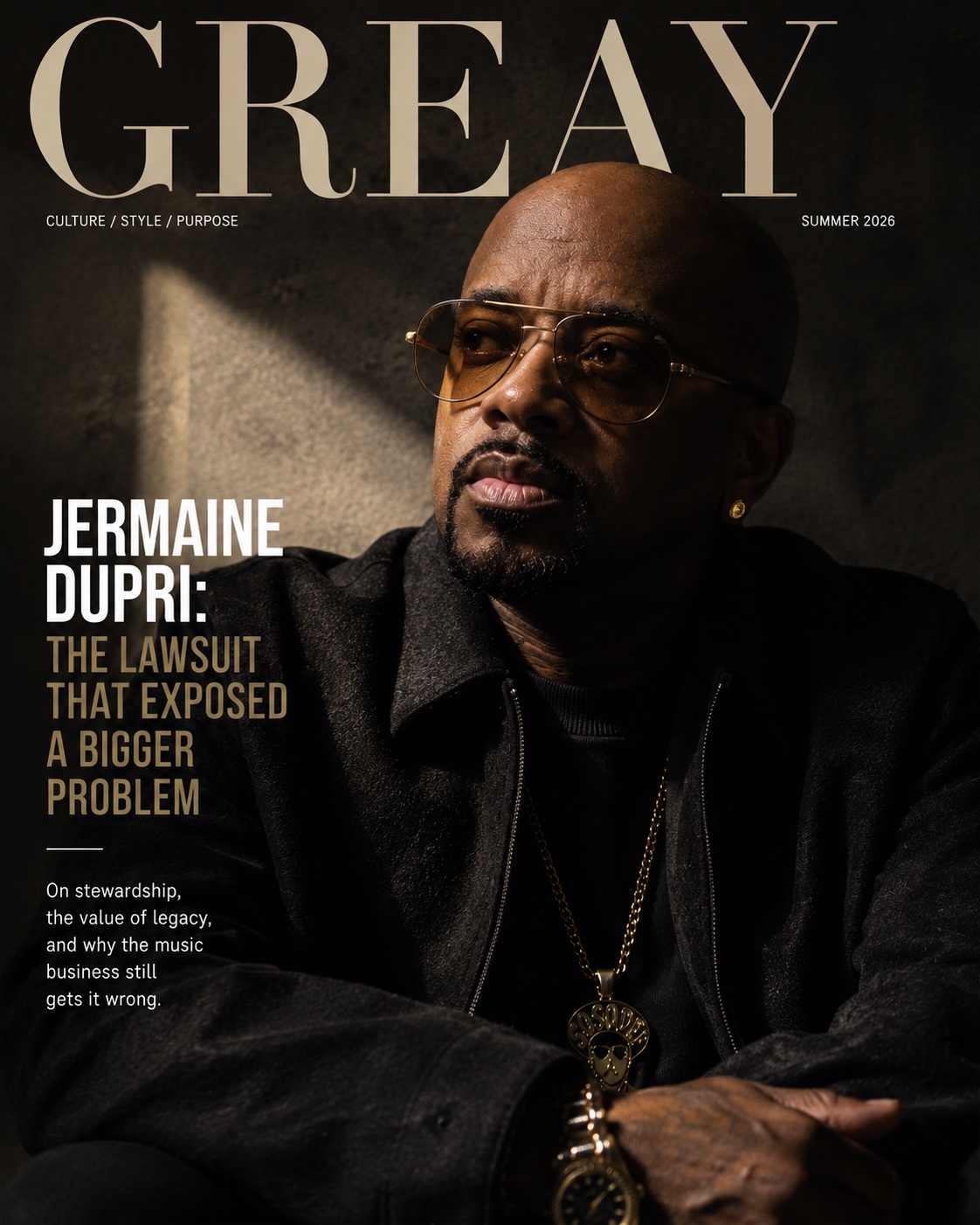
Jermaine Dupri: The Lawsuit That Exposed a Bigger Problem
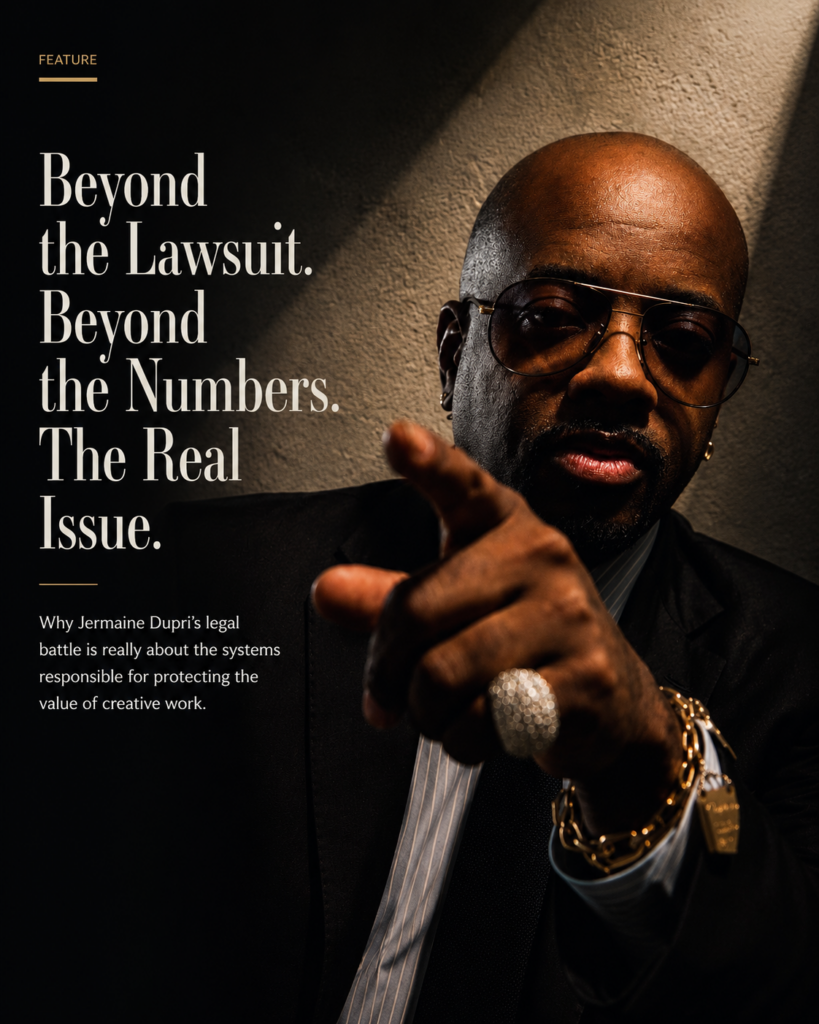
By DaMarko GianCarlo
When news broke that Jermaine Dupri had filed an $18 million lawsuit over unpaid royalties, it was easy to treat it as another music-business dispute. Headlines naturally gravitate toward numbers, defendants, and legal filings. But if that is all we see, we miss the reason this story resonates far beyond one artist or one company. Jermaine Dupri’s lawsuit is compelling not because it is a lawsuit. It is compelling because it asks a question that reaches into the foundation of the modern music business: Who is responsible for protecting the value of a lifetime of creation?
For more than three decades, Jermaine Dupri has helped shape the soundtrack of modern culture. Long before streaming platforms, social media, or playlists transformed how music is discovered, he was building careers, producing records, developing artists, and creating a sound that became inseparable from Atlanta’s rise as a global music capital. Through So So Def Recordings, he didn’t simply release songs. He helped create an ecosystem that launched and elevated artists whose music became woven into everyday life.
His work spans generations because it was never confined to a single era. Whether producing for Usher, Mariah Carey, Bow Wow, Xscape, Kris Kross, Jagged Edge, Da Brat, or collaborating across hip-hop and R&B, Jermaine Dupri has consistently adapted without losing his identity. That ability to remain creatively relevant while the business around him continually changes is one of the rarest accomplishments in entertainment.
That is why this lawsuit feels different.
It is not the story of someone trying to reclaim relevance.
It is the story of someone who never stopped creating.
We often celebrate the moment a song is released. We celebrate the chart position, the award, the viral moment, the tour, the platinum plaque. Yet the music business does not end when a record leaves the studio. In many ways, another business begins entirely. Royalties must be tracked. Licenses must be honored. Agreements must be interpreted. Catalogs must be maintained. Accounting systems must continue working long after the applause has faded.
That is where Jermaine Dupri’s lawsuit forces us to look.
The public often imagines music as inspiration. The industry knows it is also infrastructure.
Those are two different worlds.
One creates culture.
The other is responsible for preserving its value.
The uncomfortable reality is that artists frequently become experts in one while having to trust others with the second. The songs that define our lives eventually become assets, line items, statements, audits, and accounting practices. The same records that once filled arenas and family reunions eventually live inside databases that most listeners will never see.
Jermaine Dupri’s lawsuit reminds us that these two worlds are inseparable.
Creating music and accounting for music are two different businesses.
The first depends on imagination.
The second depends on stewardship.
When either one fails, the consequences extend far beyond a balance sheet.
Perhaps that is why this moment has resonated with so many people inside the creative community. Whether the artist is a songwriter, producer, filmmaker, photographer, author, or designer, the underlying question feels familiar. How do you protect work that continues generating value decades after it was created? And who bears the responsibility for ensuring that value is measured accurately?
These questions are becoming even more urgent as catalogs become some of the most valuable assets in entertainment. Music is no longer consumed once and forgotten. It lives forever. Songs move from radio to CDs, from downloads to streaming, from playlists to film soundtracks, from commercials to social media. Every technological shift creates new opportunities—but it also creates new layers of complexity in tracking how creative work is used and compensated.
Jermaine Dupri’s career sits at the center of that transformation.
He has lived through nearly every major evolution of the modern music business. He has created in the age of physical sales, watched digital downloads reshape the industry, adapted to streaming, embraced new platforms, and continued producing for a new generation. Few creators possess that perspective because few have remained both culturally relevant and professionally active for this long.
That longevity changes how we should read this lawsuit.
It stops being about one disagreement.
It becomes a reflection on an industry still learning how to care for the very work that gives it value.
There is another reason this story matters.
Jermaine Dupri has never been defined by nostalgia. While many legendary producers are remembered primarily for what they accomplished, he continues to invest in what comes next. He develops talent. He produces new music. He creates opportunities. His career has always been future-facing, even while his catalog continues to shape the past.
That is why reducing this moment to a courtroom headline feels incomplete.
The lawsuit may dominate today’s news cycle.
But the larger story is about stewardship.
It is about what happens after a song becomes part of someone’s childhood, someone’s first dance, someone’s graduation, someone’s road trip, or someone’s memory.
Those songs never stop working.
Neither should the systems designed to protect them.
Ultimately, Jermaine Dupri’s lawsuit asks us to reconsider what we owe the people who have given us the soundtrack of our lives. Not simply applause. Not simply awards. But confidence that the structures surrounding creative work are as enduring as the work itself.
Because if one of music’s most accomplished producers is still asking questions about how creative value is accounted for after three decades of shaping culture, then perhaps the biggest story was never the lawsuit at all.
Perhaps the biggest story is the system it revealed.
Related Posts
Kitty Pryde and Emma Frost Guide New Mutants in ‘Exceptional X-Men’ Trailer
Kitty Pryde and Emma Frost Guide the Next Generation of Mutantkind.

Dua Lipa Brings Literary Heat to Spotify with ‘Service95 Book Club’ Video Podcast
From Pop Charts to Book Smarts

Chameleon Unveils Upcoming Cold-Brew Coffee Varieties Inspired by Girl Scout Cookie™ Flavors
Chameleon Organic Coffee®, renowned for its consciously crafted bottl
Vas Saranga Believes Every Story Begins With Understanding People
Vas reflects on storytelling, observation, and the enduring value of e

Grigor Dimitrov Signs Multi-Year Footwear Partnership with adidas
Adidas and tennis star Grigor Dimitrov team up.
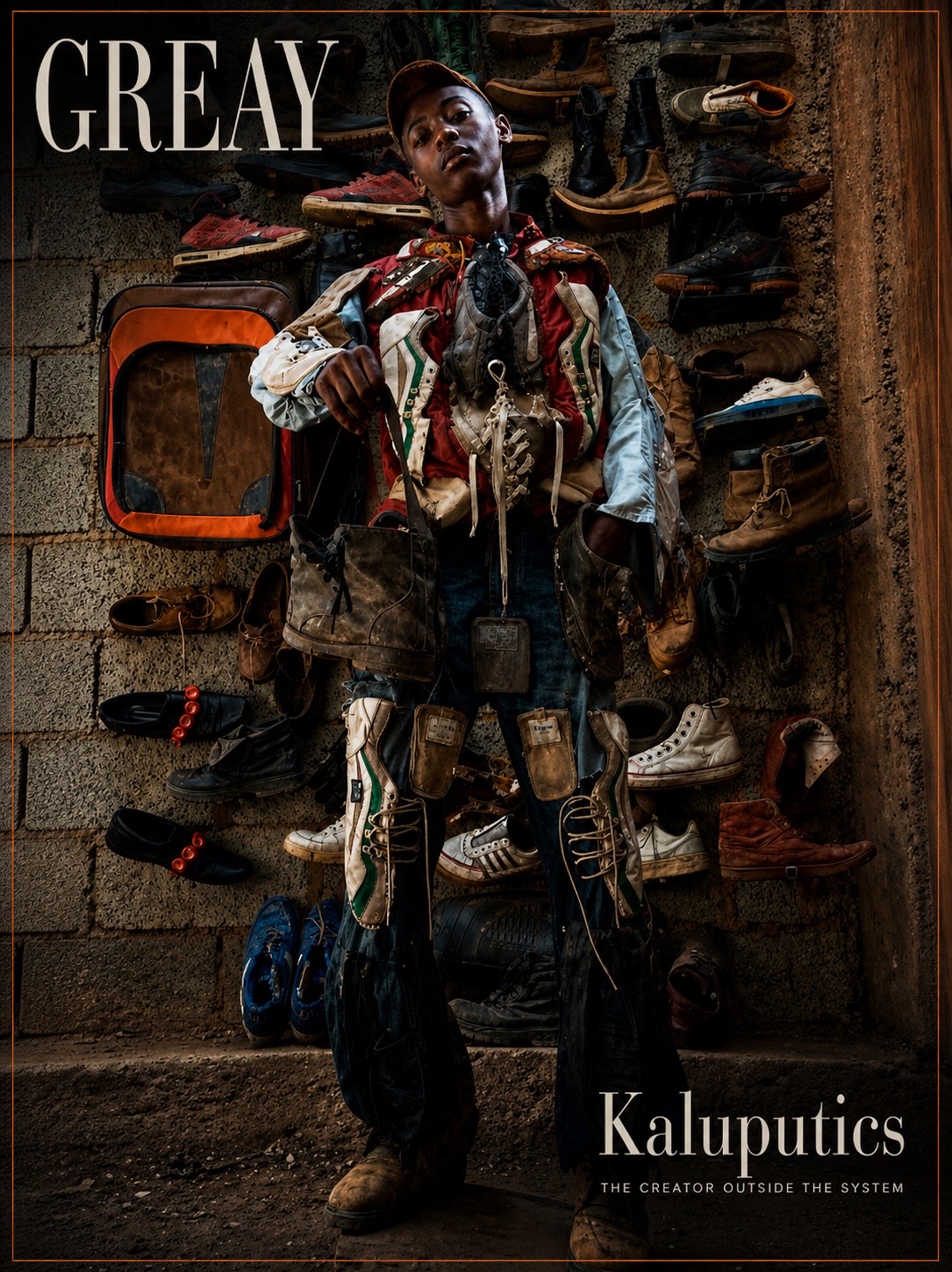
Kaluputics Wasn’t Discovered—He Was Already Complete
Completion No Longer Requires Permission