

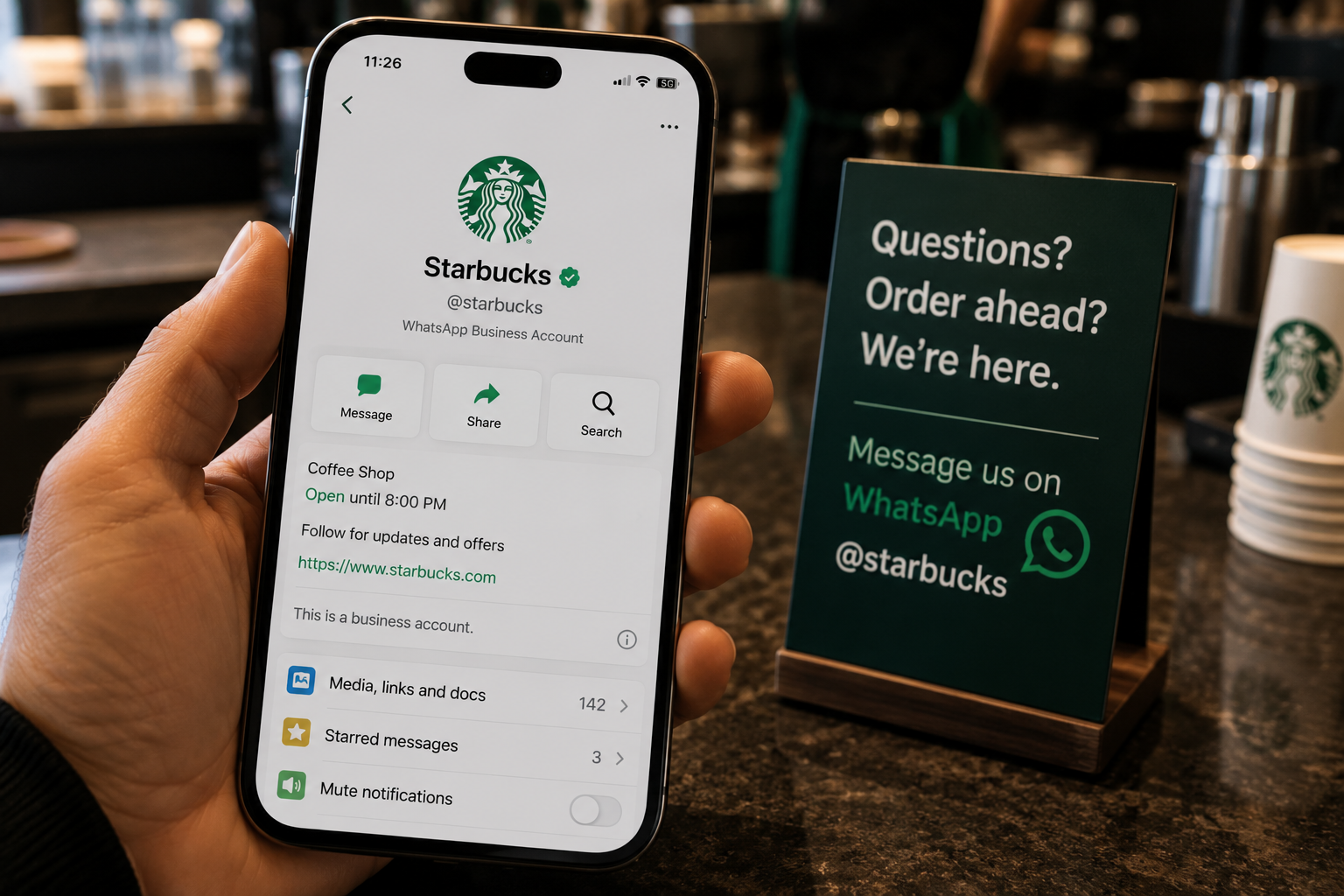
WhatsApp Usernames Bring Meta’s Identity Strategy Into Focus
By Gregory Tillman
Every era of communication creates a new way to reach people.
Letters relied on mailing addresses. Telephones introduced phone numbers. The internet normalized email addresses. Social media transformed usernames into public identities. Messaging, however, remained one of the last major digital experiences still anchored to the telephone network.
WhatsApp’s introduction of usernames signals that this is beginning to change.
At first glance, the feature appears to be about privacy. Users can start conversations without immediately sharing a personal phone number, while creators, businesses, and organizations gain an easier way to be found. Those are meaningful improvements, but they are not the most significant part of the story.
The larger shift is that messaging is becoming addressable in the same way the rest of the internet already is.
For years, Meta’s ecosystem has organized identity differently across its products. Instagram revolves around usernames. Facebook centers on profiles. Threads extends recognizable identities into public conversation. WhatsApp remained the exception, relying primarily on phone numbers before a conversation could begin.
Usernames begin closing that gap.
That does not mean Meta is turning its apps into one product. Instagram is still built for discovery. Facebook remains centered on communities and relationships. Threads captures public conversation. WhatsApp continues to focus on private communication.
What changes is the consistency of how people and businesses can be reached across those experiences.
That distinction matters because communication has become part of the customer experience. A person might discover a brand on Instagram, research it online, ask a question through WhatsApp, and walk into a physical store later that afternoon. The conversation no longer begins at the counter. It begins wherever the customer chooses to reach out.
Businesses increasingly compete on the quality of those interactions.
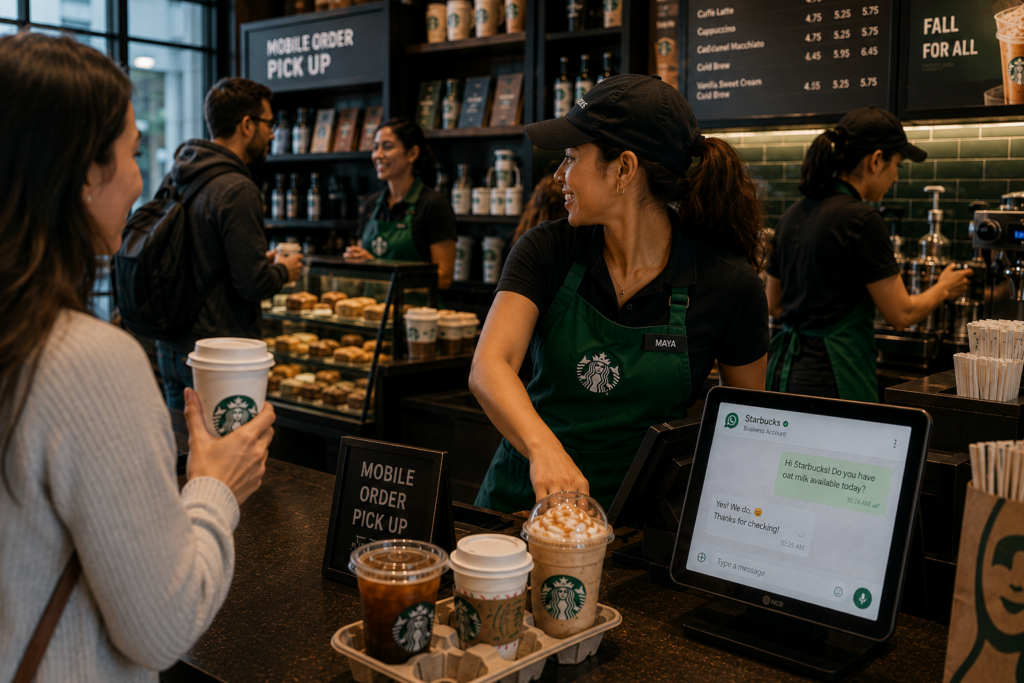
A hotel can answer a late-night question before a guest arrives. A retailer can confirm inventory before someone makes the trip. A coffee shop can respond to a customer without requiring a phone call. Messaging becomes another operational touchpoint rather than a separate service altogether.
This is where WhatsApp’s username system becomes more important than it first appears.
The feature is not simply giving people a different way to identify themselves. It is giving businesses a public address that feels native to digital communication. The phone number remains essential for registration and security, but it no longer has to be the primary destination customers remember.
Infrastructure becomes powerful when people stop thinking about it.
Customers won’t visit Starbucks because it uses WhatsApp. They’ll visit because getting an answer feels effortless. They won’t think about usernames as a technical feature. They’ll simply expect businesses to be reachable wherever they already communicate.
That is how meaningful infrastructure changes occur. They don’t ask people to adopt entirely new behaviors. They quietly improve the ones that already exist.
WhatsApp’s usernames are one of those changes. They don’t redefine messaging overnight. They make communication more consistent across Meta’s ecosystem while giving businesses another way to meet customers where they already are. Over time, the feature may become so ordinary that people forget it was ever new.
History suggests that’s exactly what successful infrastructure is supposed to do.
Related Posts

The Jellicle Ball Was Never the Metaphor — It Was the System
Visibility and Judgment, Collapsing Into One Moment

Henry Cavill Joins Live-Action ‘Voltron’: A New Frontier for Mecha Anime on Amazon mgm
Form feet and legs; form arms and body; and I'll form the head.

Paramount Unveils First Trailer for “Star Trek: Section 31” Starring Michelle yeoh
Michelle Yeoh Returns as Philippa Georgiou in ‘Star Trek: Section 31
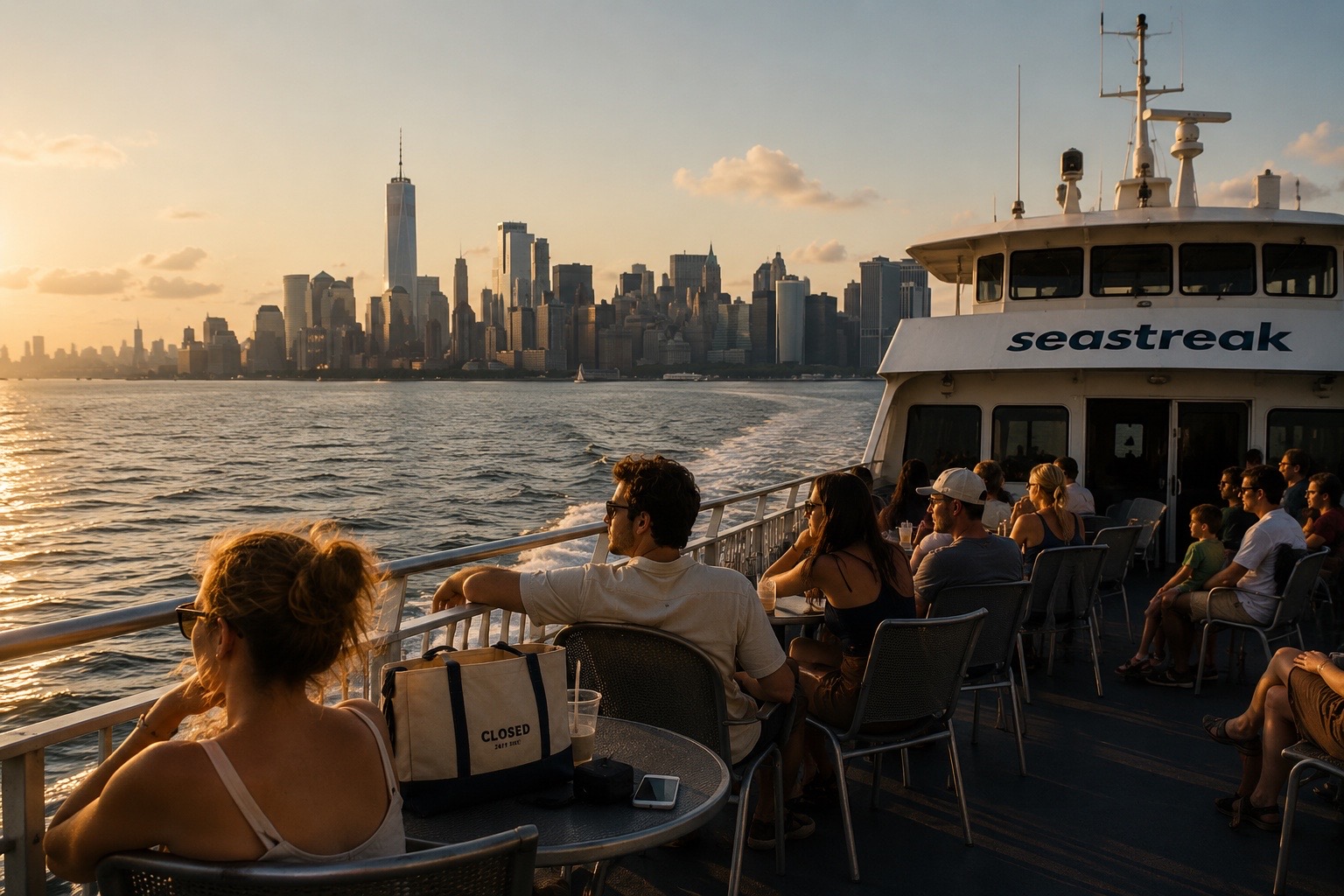
Seastreak’s New York to Jersey Shore Ferry Might Change Summer Travel
From Gridlock to Open Water
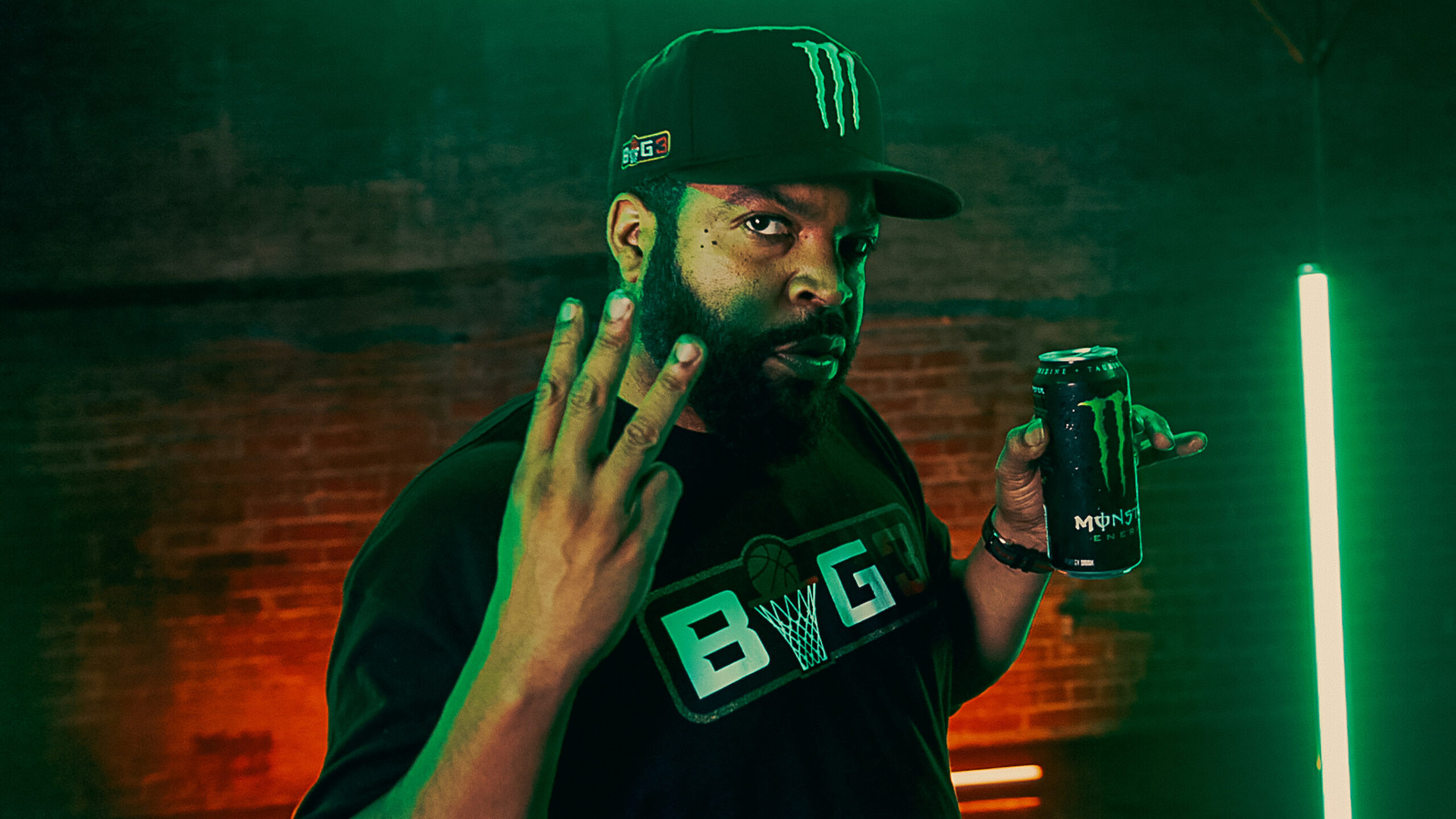
Monster Energy Returns as the Official Energy Drink Partner of the BIG3
MONSTER ENERGY BACK AS THE OFFICIAL ENERGY DRINK OF THE BIG3

Gatorade Named Official Sports Beverage Partner of Wrexham AFC, Co-Owned by Rob McElhenney and Ryan Reynolds
Gatorade Named Official Sports Beverage Partner of Wrexham AFC.