


Instagram Is Expanding Beyond Social Media Into a Viewing Platform

By DaMarko GianCarlo
For years, the technology industry has framed competition as a battle between platforms.
Instagram versus TikTok.
Instagram versus YouTube.
Instagram versus streaming services.
But recent reports that Instagram is testing longform episodic storytelling and television distribution suggest the company may be pursuing a different objective altogether.
The question is no longer whether Instagram can attract an audience.
It already has one.
In many ways, Instagram has become one of the internet’s most powerful communication layers. People exchange messages through DMs, share Stories throughout the day, follow celebrities, discover brands, and maintain relationships through the platform. In some cases, people are more likely to ask for an Instagram handle than a phone number.
That level of integration is difficult to overstate.
Most media companies spend billions of dollars trying to acquire attention.
Instagram already possesses it.
What the company appears to be exploring now is how to hold that attention for longer periods of time.
This is what makes recent experiments with episodic storytelling so significant. The development is not simply about creating another video format. It represents an attempt to transform existing habits into deeper viewing behavior.
Traditional streaming services face a constant challenge: convincing audiences to open the application.
Instagram begins from the opposite position.
The application is already open.
The audience is already present.
The habit already exists.
Viewed through that lens, Instagram’s move into longer-form content starts to look less like an effort to compete with television and more like an effort to expand what happens inside an environment people already visit every day.
The opportunity becomes even more apparent when considering how modern audiences consume media.
Television remains on in millions of homes, but increasingly it shares attention with a second screen. Viewers watch games while scrolling Instagram. They follow award shows while checking Stories. They watch a series while responding to DMs.
The television may occupy the room.
The phone often occupies the attention.
That dynamic creates a powerful advantage.
Instagram does not necessarily need to convince audiences to abandon other forms of entertainment. It only needs to capture a greater share of the attention that is already flowing through the platform.
This is why the company’s experiments with structured storytelling deserve attention.
If audiences are willing to watch creators through recurring episodes, follow serialized narratives, and spend more time inside the platform, Instagram begins to evolve from a social network into something broader.
Not a television network.
Not a streaming service.
A viewing platform.
The distinction matters.
Streaming services were built around content and then searched for audiences.
Instagram built the audience first and is now exploring new forms of content.
That reversal may prove to be one of the most important advantages in modern media.
Whether episodic storytelling succeeds remains an open question. Whether viewers will embrace longer sessions is still unknown.
What is clear is that Instagram is testing the boundaries of what the platform can become.
The company already owns a daily habit.
Now it appears to be asking how much more of the day it can occupy.
Related Posts

Playboi Carti Enters the Fortnite Multiverse as the Game’s First-Ever Music Blitz Boss
From Stage to Battle Royale

Game Time, Prime Time: SGA, Reese & Melo Lead NBA 2K26’s Bold Era
Game Time, Prime Time
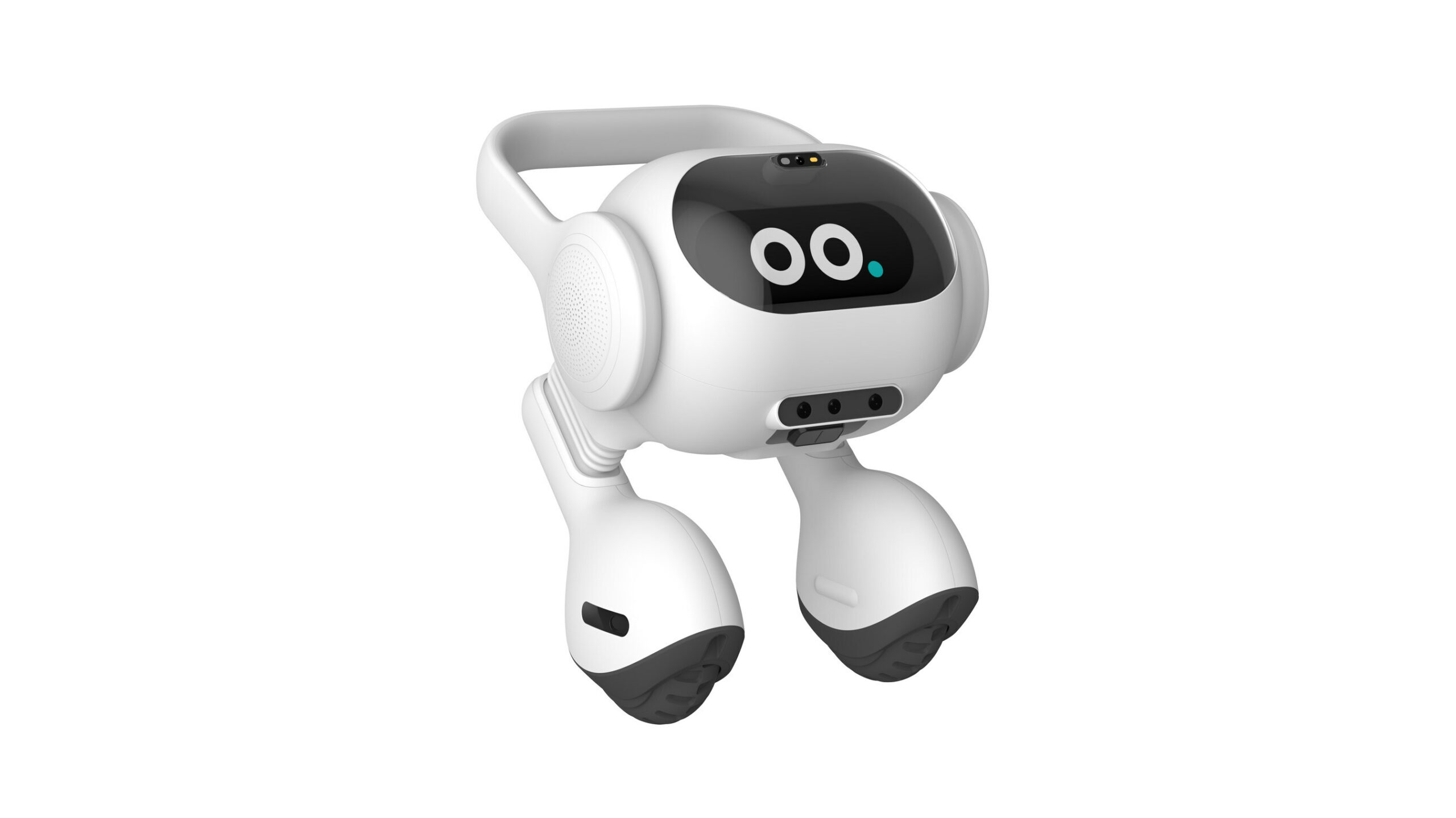
LG Introduces the Era of ‘Zero Labor Home’ through its Smart Home AI Agent
LG is set to introduce artificial intelligence (AI) for smart homes.
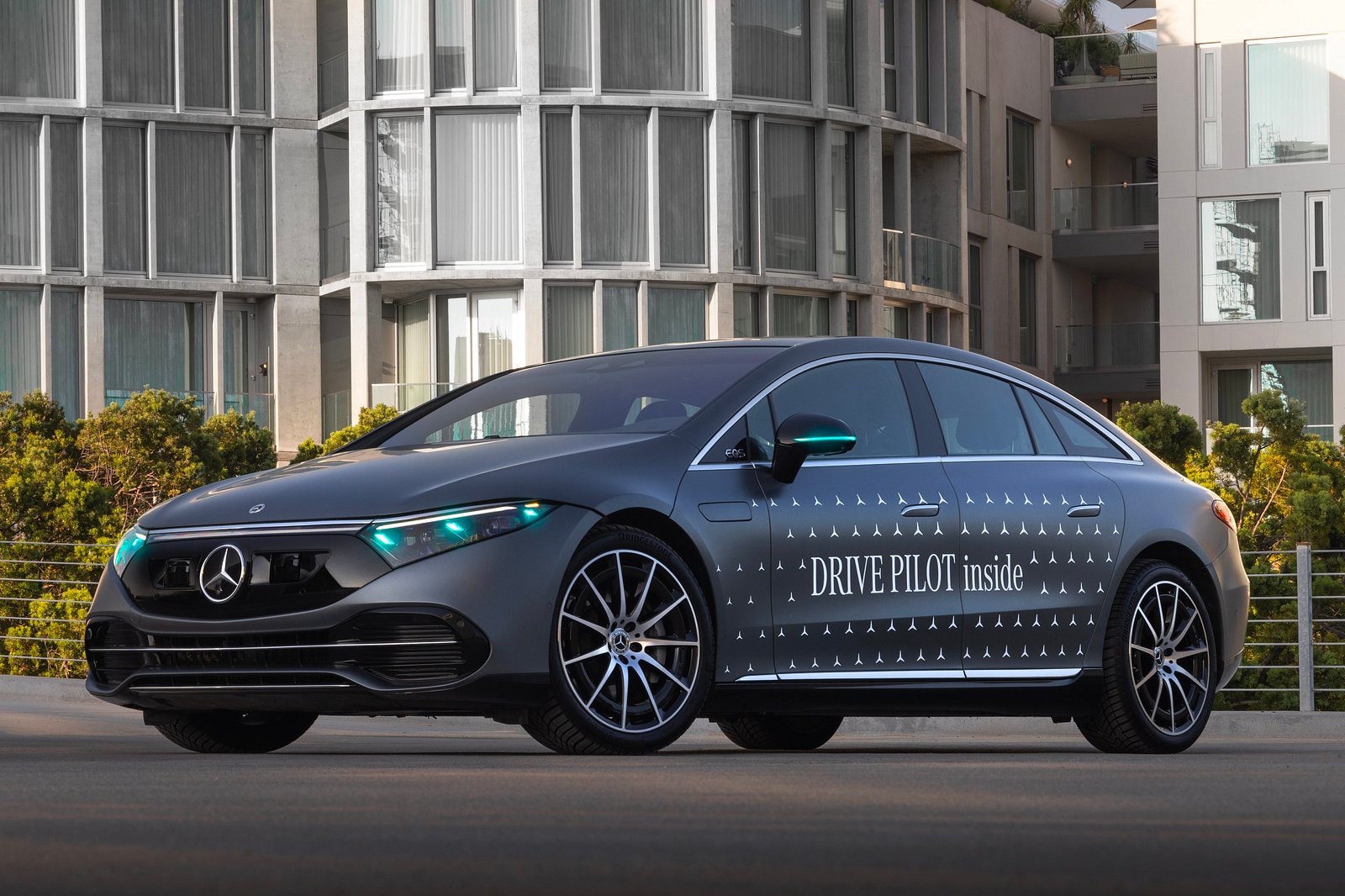
Mercedes-Benz Pioneers Automated Driving with Groundbreaking Exterior Marker turquoise-colored Lights Approval
Mercedes-Benz has emerged as the trailblazer in the automotive industr

LG’s 3-in-1 Lifestyle Gadget: HD Projector, Mood Lighting, and Bluetooth Speaker in One
LG Unveils Groundbreaking Innovations Ahead of CES 2025.