

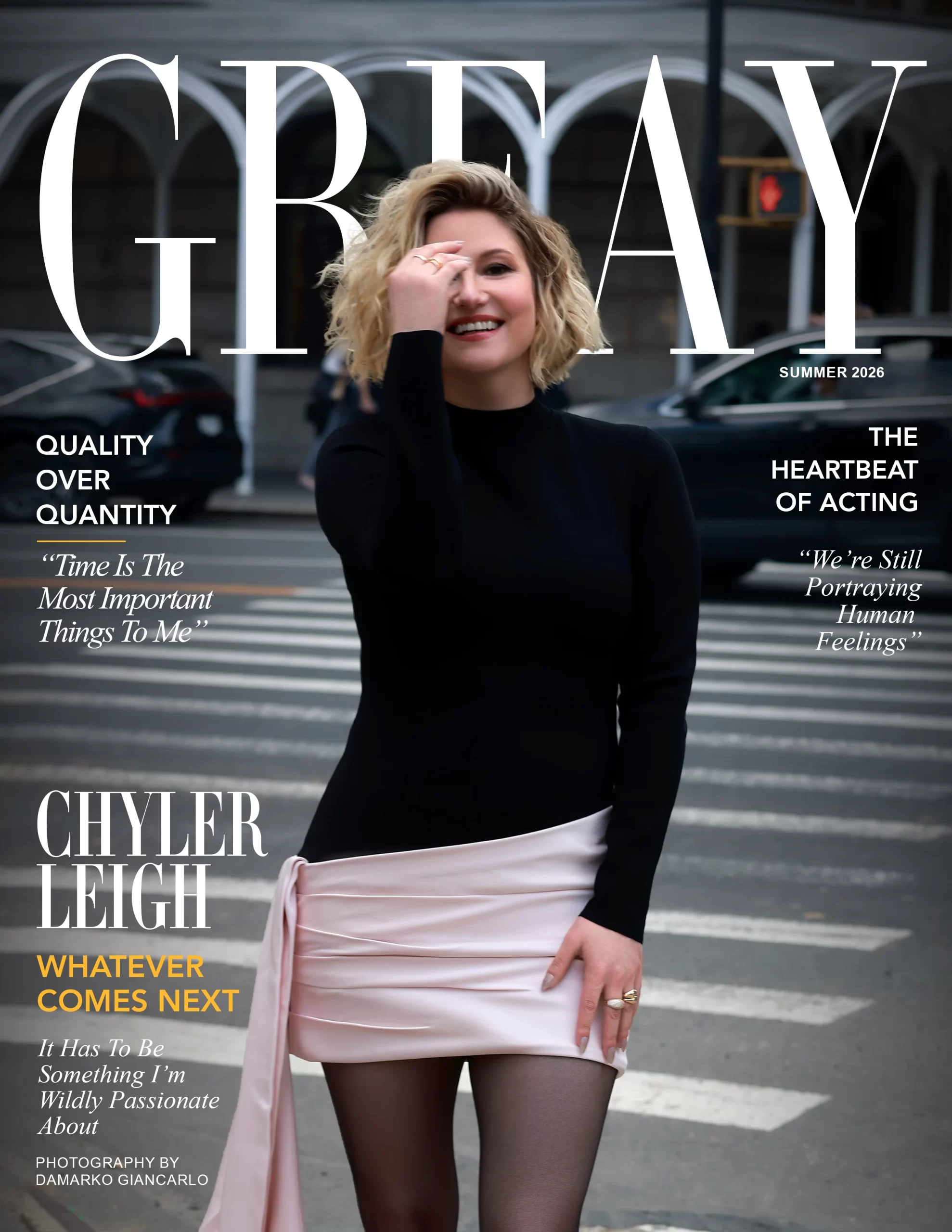
Chyler Leigh Is Choosing Whatever Comes Next With Purpose
Every creative career begins the same way.
You say yes.
Yes to the audition. Yes to the opportunity. Yes to the role that might lead to another role. Early success is built on momentum because momentum creates possibility. The work chooses you long before you have the luxury of choosing the work.
If a career lasts long enough, however, something begins to change.
Success stops asking whether you can keep moving.
It begins asking whether you know where you’re going.
Listening to Chyler Leigh, it becomes clear that this is the chapter she has entered.
After more than two decades of building one of television’s most enduring careers, Leigh rarely speaks about achievement in the way many actors do. She doesn’t measure success by visibility, longevity, or even the scale of a project. Instead, every answer returns to something far less glamorous and far more difficult to protect: time, family, emotional honesty, and the responsibility that comes with telling stories people trust.
Those ideas are not separate.
They are her definition of success.
That becomes immediately apparent when the conversation turns toward the pace of her career. While the entertainment industry often rewards constant visibility, Leigh quietly challenges the assumption that more work automatically means better work. “Time is the most important thing to me. It’s always quality over quantity,” she says. The sentence lands with unusual clarity because she isn’t speaking about productivity. She is speaking about stewardship. Every project requires time, and time is ultimately the one resource no artist ever earns back.
It is why her choices feel increasingly deliberate.
It is also why her career no longer reads as a sequence of roles.
It reads as a sequence of values.
Looking back at Grey’s Anatomy, Leigh remembers arriving on set as a young actor overwhelmed by the opportunity itself. Audience attachment came later—and not immediately with affection. She laughs recalling that “Lexie was not liked very much in the beginning,” before vulnerability gradually reshaped how viewers understood the character.
There is something revealing about that memory.
The performances people carry with them rarely succeed because they arrive perfectly.
They succeed because they become truthful.
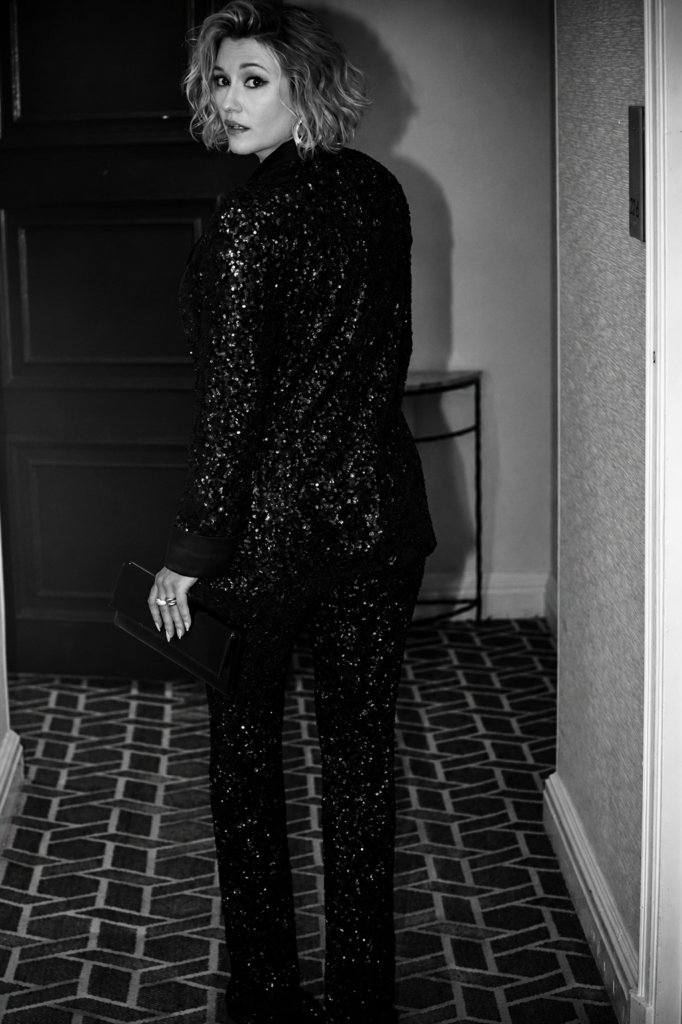
That same commitment to truth shaped Alex Danvers’ coming-out story in Supergirl. Leigh explains that she and Greg Berlanti “wanted the approach to feel as genuine and raw as possible,” understanding that audiences would remember authenticity long after they forgot headlines or ratings.
Notice what isn’t driving either decision.
Not popularity.
Not visibility.
Trust.
When Leigh speaks about The Way Home, that pattern becomes impossible to ignore. Asked about a series built around grief, family, and time travel, she doesn’t begin with genre or mythology. She begins with humanity. “The heartbeat of acting is storytelling,” she says, because “the actual circumstances don’t always matter. The way the character responds does.”
Suddenly her entire career makes sense.
The hospital.
The superhero.
The family drama.
Different worlds.
The same question.
What does it mean to remain human when life becomes extraordinary?
That question also explains why Leigh is drawn toward restraint instead of spectacle. While audiences often celebrate emotional release, she believes “sometimes it’s harder to watch someone try not to cry in deeply emotional moments than it is to watch the tears fall.” Real emotion isn’t always loud. More often, it lives in hesitation, silence, and the quiet effort to keep moving forward.
It is an observation about acting.
It is also an observation about life.
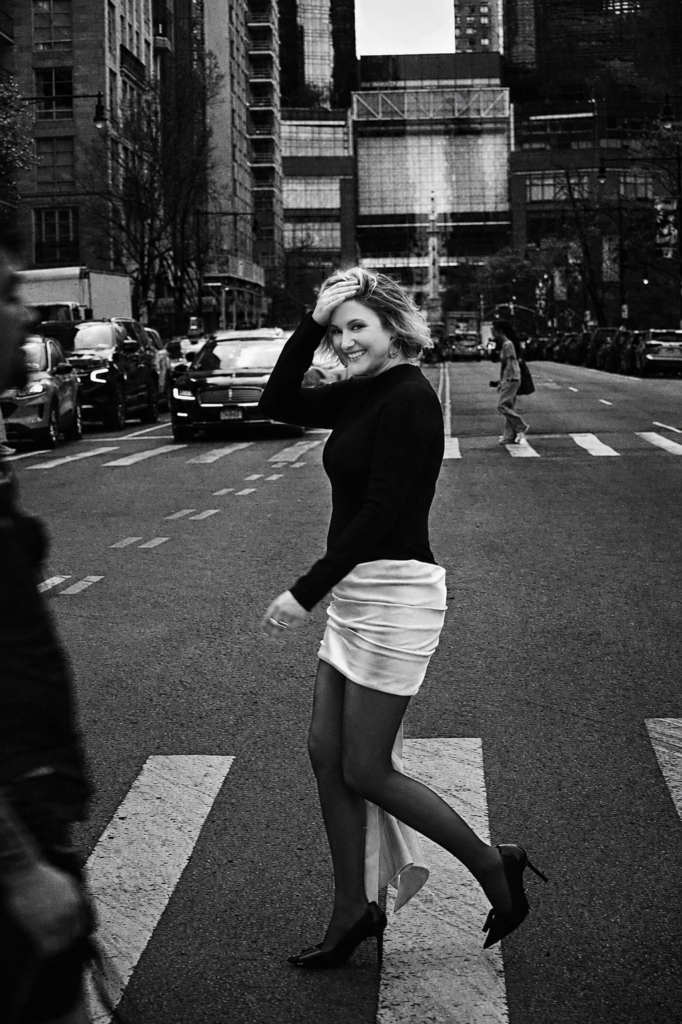
Perhaps that is why directing and producing feel like such natural extensions of her career. They are not departures from storytelling but deeper commitments to it. Helping shape a story before the camera begins rolling simply expands the responsibility she has always felt once it does.
By the end of our conversation, one realization becomes difficult to ignore.
Chyler Leigh no longer chooses projects because they advance her career.
She chooses them because they reflect her values.
That is a profound difference.

Asked about the future, she doesn’t speak first about ambition, legacy, or professional goals. Instead, she says she wants “whatever my next project is something I am wildly passionate about.” Read in isolation, it sounds like thoughtful career advice. Read after everything that came before it, it becomes something much larger.
It becomes a definition of creative freedom.
Early in a career, freedom looks like opportunity.
Later, freedom begins to look like discernment.
The ability to wait.
The confidence to decline.
The discipline to protect what matters before deciding what comes next.
Perhaps that is what Whatever Comes Next has meant all along.
Not another role.
Not another milestone.
But the rare freedom to let your values choose your work instead of letting your work define your values.
Chyler Leigh hasn’t simply built a career that has endured.
She has built one that still knows exactly what it is waiting for.
Photography DaMarko GianCarlo @damarkogiancarlo
Words Kyra Greene @noteasybeingreen
Hair Gita Bass @GitaBass
Make Up Christopher Naselli @cnaselli
Wardrobe @Gabriel Langbrunner
Producers The Greay Firm @Greayfirm & Firstsight International @firstsight.intl
Location Essex House Hotel CP South NYC
1 Comment
Comments are closed.
Related Posts
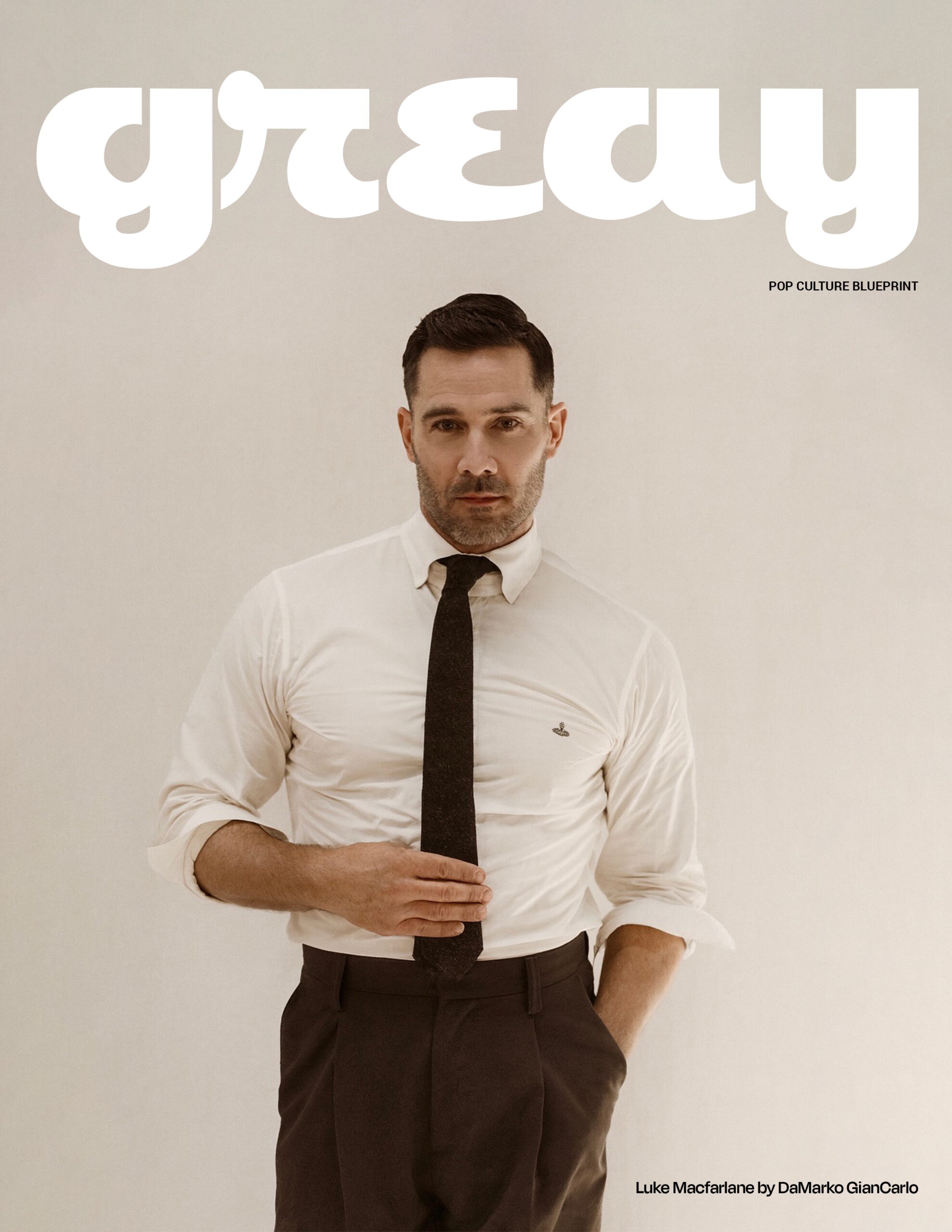
From War Zones to Hallmark Romance: Luke Macfarlane’s Relentless Range
Bochco, Bros, and Beyond
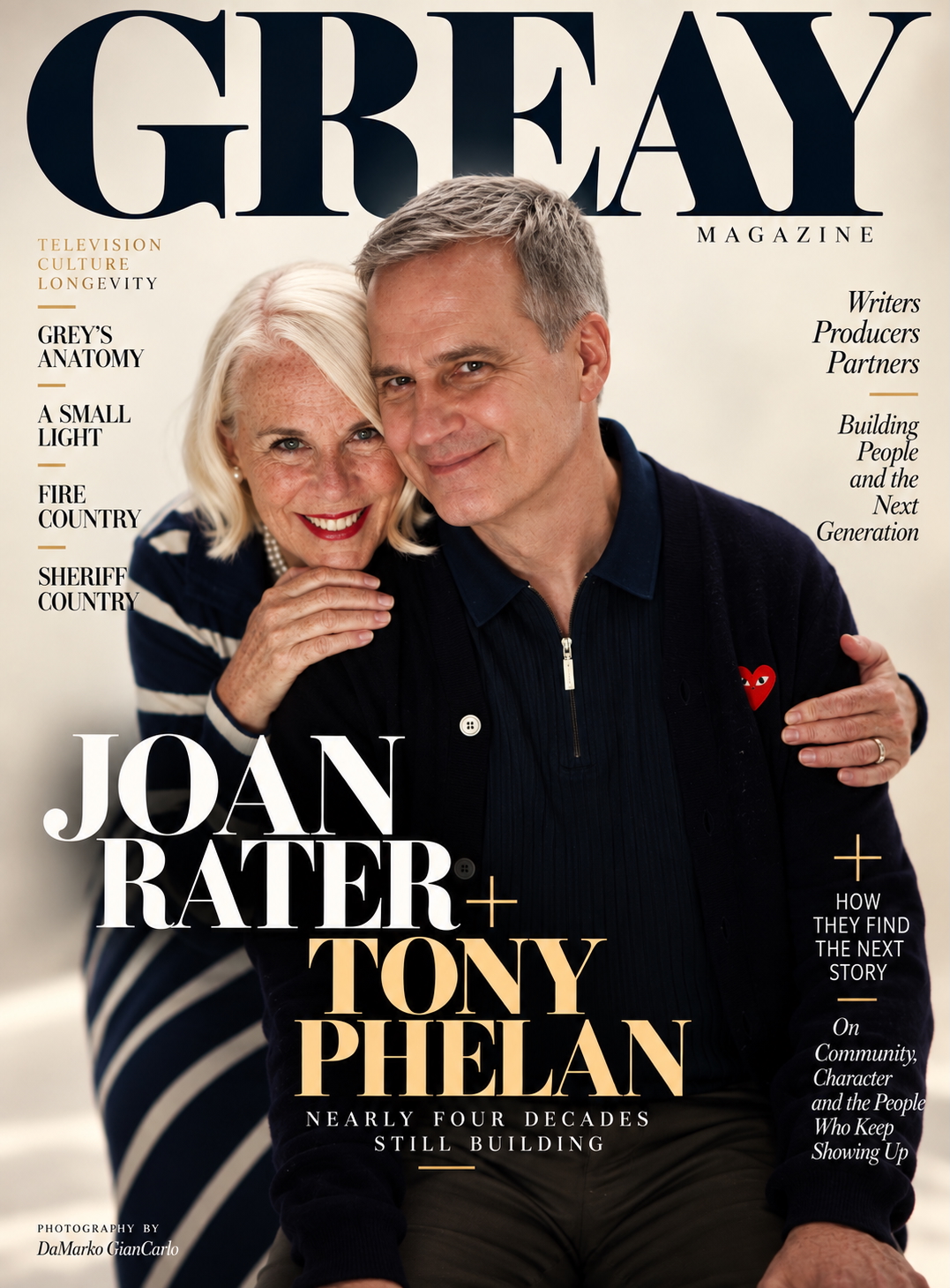
Joan Rater and Tony Phelan Are Still Asking What Comes Next
Two People, One Long Conversation
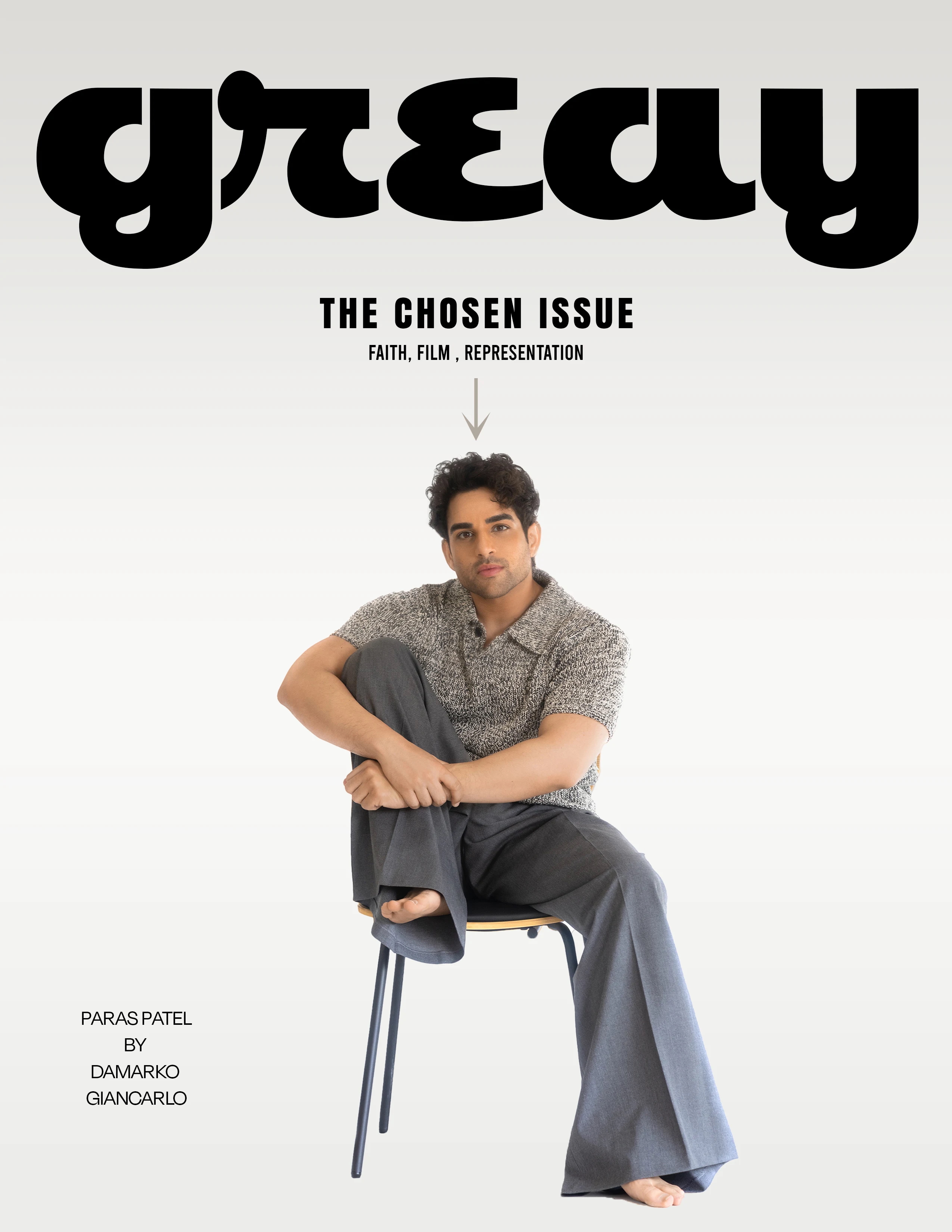
Chosen to Lead: Paras Patel on Faith, Representation, and Season 5’s Emotional Journey
Charting New Territory
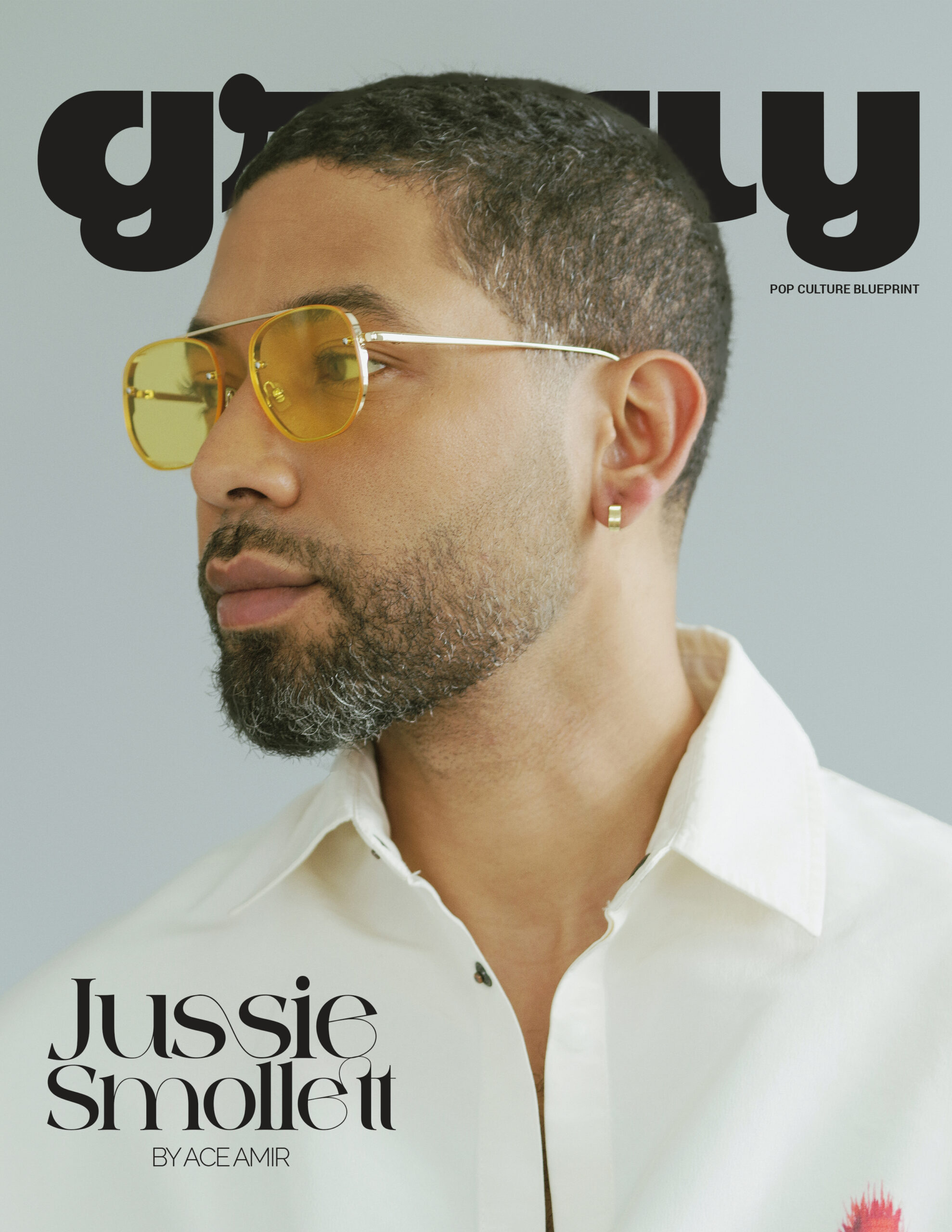
London Solitude, Global Voice: The Reinvention of Jussie Smollett
Break Out, Break Free

The Industry Wants Symbols : Ludi Lin Keeps Choosing Humanity
Before the Fireball, There’s the Heart
Alesha
This of why I love Chyler! Keep staying true to yourself!