

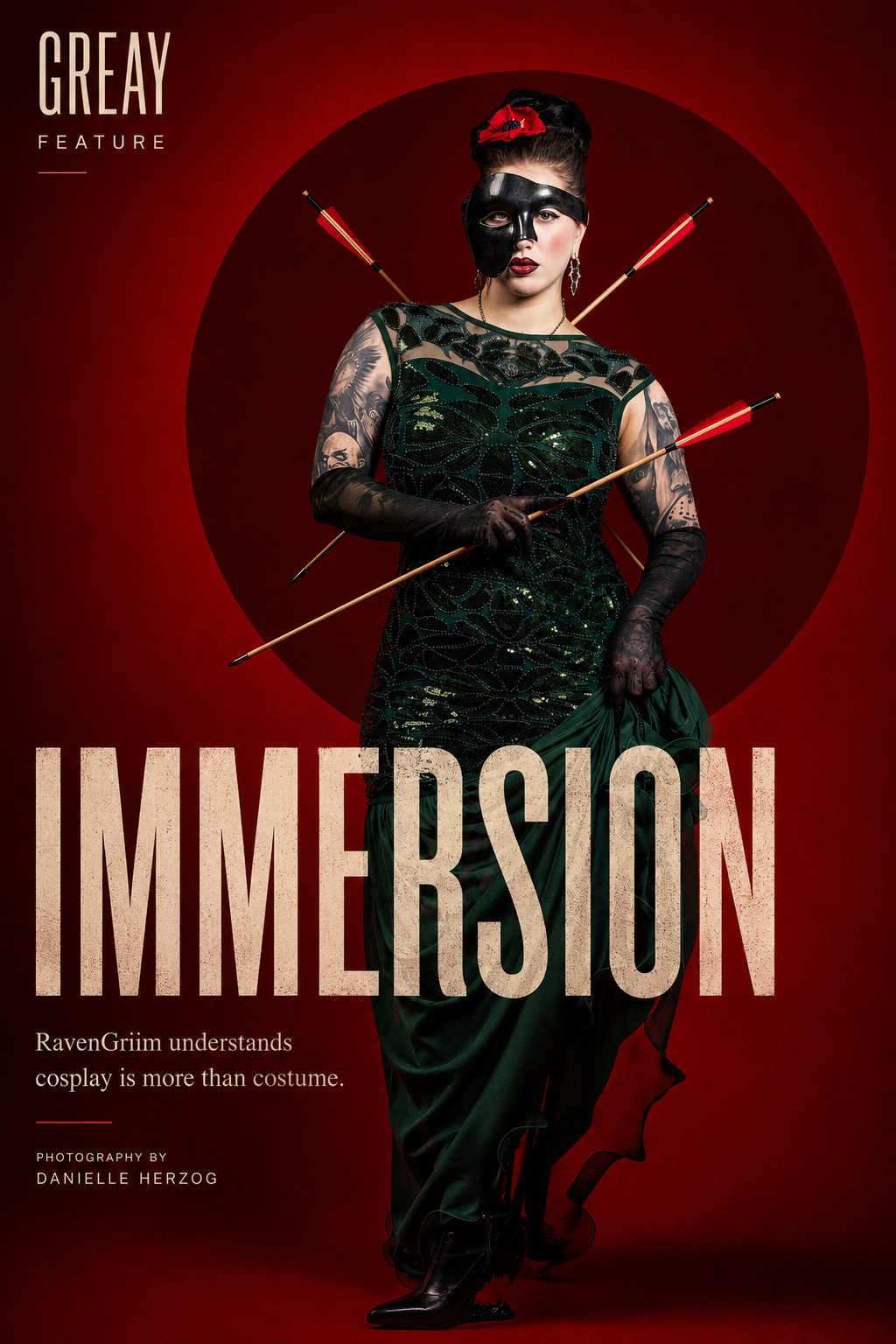
Ravengriim and the Architecture of Identity
By Kyra Greene
Cosplay has long been misunderstood as imitation—a surface-level exercise in accuracy, fandom, and visual spectacle. But beneath the wigs, armor builds, makeup transformations, and cinematic photography sits something far more revealing: identity translated through construction.
That is what creators like Ravengriim expose.
Not because the work is loud, but because it is intentional.
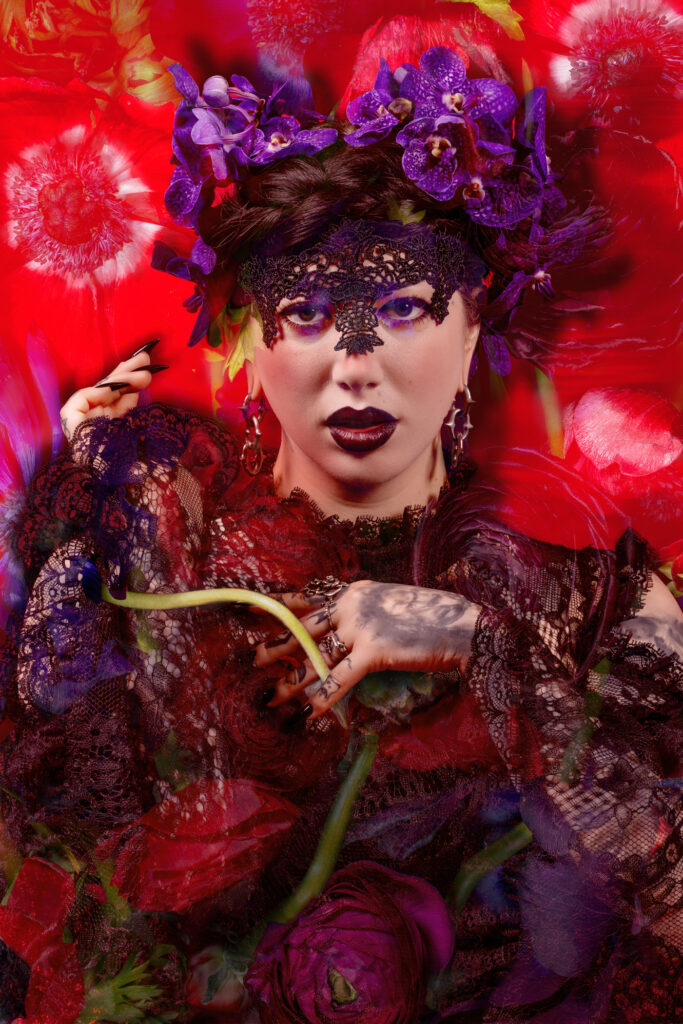
What defines her approach is not simply aesthetic accuracy. It is emotional alignment. The characters come first—not as costumes, but as connections. Before the lighting setups, before the environment construction, before the performance itself, there has to be recognition. As Ravengriim explains, “Definitely the character and my connection to them! I love cosplaying characters I admire or identify with…”
That distinction quietly changes everything.
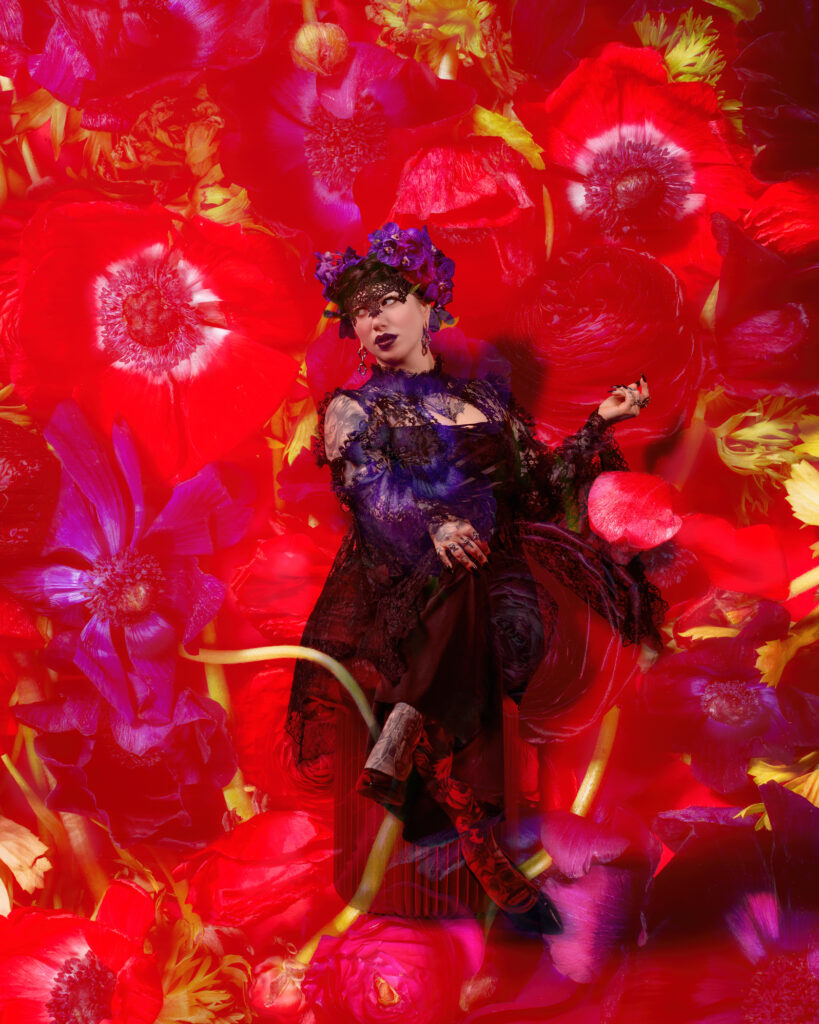
Because the modern cosplay creator is no longer operating inside a niche internet subculture. They now exist at the intersection of fashion design, performance art, digital storytelling, photography, branding, editing, and community architecture all at once. What once lived primarily inside convention spaces now exists inside a permanent visual economy where creators are expected to function simultaneously as artists, production teams, strategists, and personalities.
And yet, the most compelling creators are rarely the ones chasing visibility the hardest.
They are the ones building from conviction.
Ravengriim’s process reflects that shift clearly. Her work does not begin with trend forecasting or algorithmic optimization. It begins with immersion. Every project moves through multiple layers simultaneously—character interpretation, costume decisions, visual atmosphere, location planning, performance choices, and narrative framing. The final image may appear effortless, but the system behind it is anything but. She describes the process as “doing many jobs at once,” adding that “it is incredibly rewarding when everything comes to life.”
That sentence says more about the modern creator economy than most business reports do.
Because what audiences consume as “content” is often operational infrastructure hidden behind personality. The independent creator today is no longer just making art—they are managing production, strategy, editing, marketing, scheduling, branding, and audience relationships simultaneously. The labor that traditional entertainment systems once distributed across entire departments has now collapsed into individuals. Ravengriim acknowledges that reality directly, saying, “There is infinitely more to being a creator than pressing record on your phone.”
And importantly, audiences are beginning to notice the difference between creators who build from passion and creators who build purely from momentum.
That tension sits underneath almost every modern internet ecosystem. Platforms reward repetition. Algorithms reward familiarity. Visibility rewards trend participation. Entire creative industries now quietly incentivize imitation at scale.
Ravengriim openly resists that pressure. She states plainly, “I do not cosplay characters I do not like or know anything about, because that takes the passion out of it.”
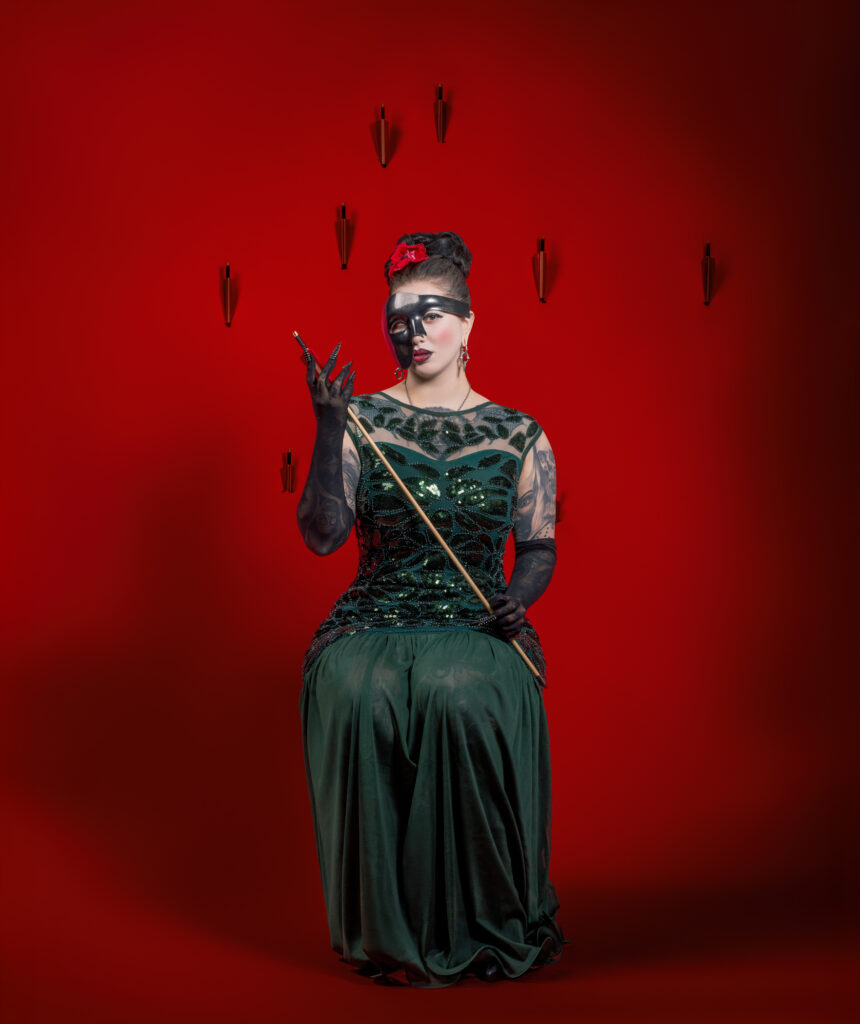
That line matters because it extends beyond cosplay entirely.
It speaks to a larger cultural divide emerging across digital creativity itself: authenticity versus optimization. One creates temporary engagement. The other creates trust. And increasingly, audiences can feel the difference immediately.
What makes Ravengriim’s work resonate is not perfection—it is commitment. Even the way she speaks about craftsmanship reflects someone treating the process as continual evolution rather than performance alone. Sewing, building, technical construction, acting, atmosphere—none of it is presented as effortless mastery. The learning itself becomes part of the identity. She describes the reward not as instant success, but as “finally finish a piece, or even just get something right after trying over and over again.”
That persistence is what separates visual aesthetics from authorship.
Because cosplay, at its highest level, is not simply replication. It is interpretation through labor. The creator is not only recreating a character—they are negotiating between fidelity and self-expression, between mythology and personality, between audience expectation and personal resonance.
And in Ravengriim’s case, that process expands into full environmental immersion. She speaks about bringing entire worlds to life, especially through group cosplay and atmosphere-driven storytelling, explaining that “it is always more fun to fully immerse yourself in the character’s world.”
That is why cosplay continues evolving instead of fading.
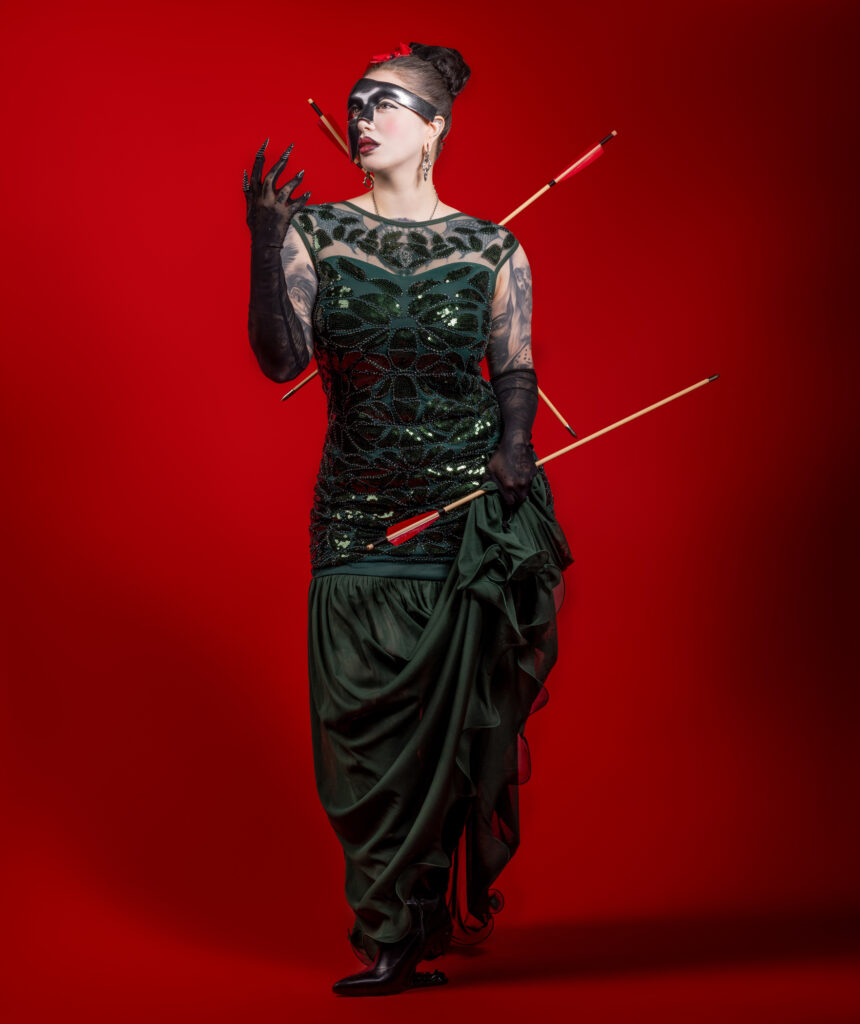
It has become something larger than fandom.
It now intersects with gaming culture, creator economies, streaming ecosystems, performance, fashion imagery, and identity presentation online. The future creator is increasingly multidisciplinary by default. Designer. Performer. Editor. Storyteller. Production company. Community architect.
All compressed into one visible identity.
And despite the scale of that pressure, Ravengriim still protects something many creators lose as systems grow around them: humanity.
Not polished humanity. Real humanity.
She notes, “I like to post imperfect moments and bloopers for that reason.”
That may be the most revealing line in the entire conversation.
Because digital culture increasingly rewards perfection while simultaneously starving audiences of sincerity. The creators who endure will likely not be the ones who appear the most flawless. They will be the ones who remain emotionally recognizable beneath the construction.
Ravengriim may resist defining exactly what she does. But the work already defines it clearly enough.
This is not just costume design.
Not just fandom.
Not just internet performance.
It is identity construction in public.
And creators like Ravengriim are helping shape what that looks like for the next era of digital culture.
Photography Danielle Herzog @danielleherzogphoto
Makeup Myrlen Monge @myrlenmonge
Related Posts
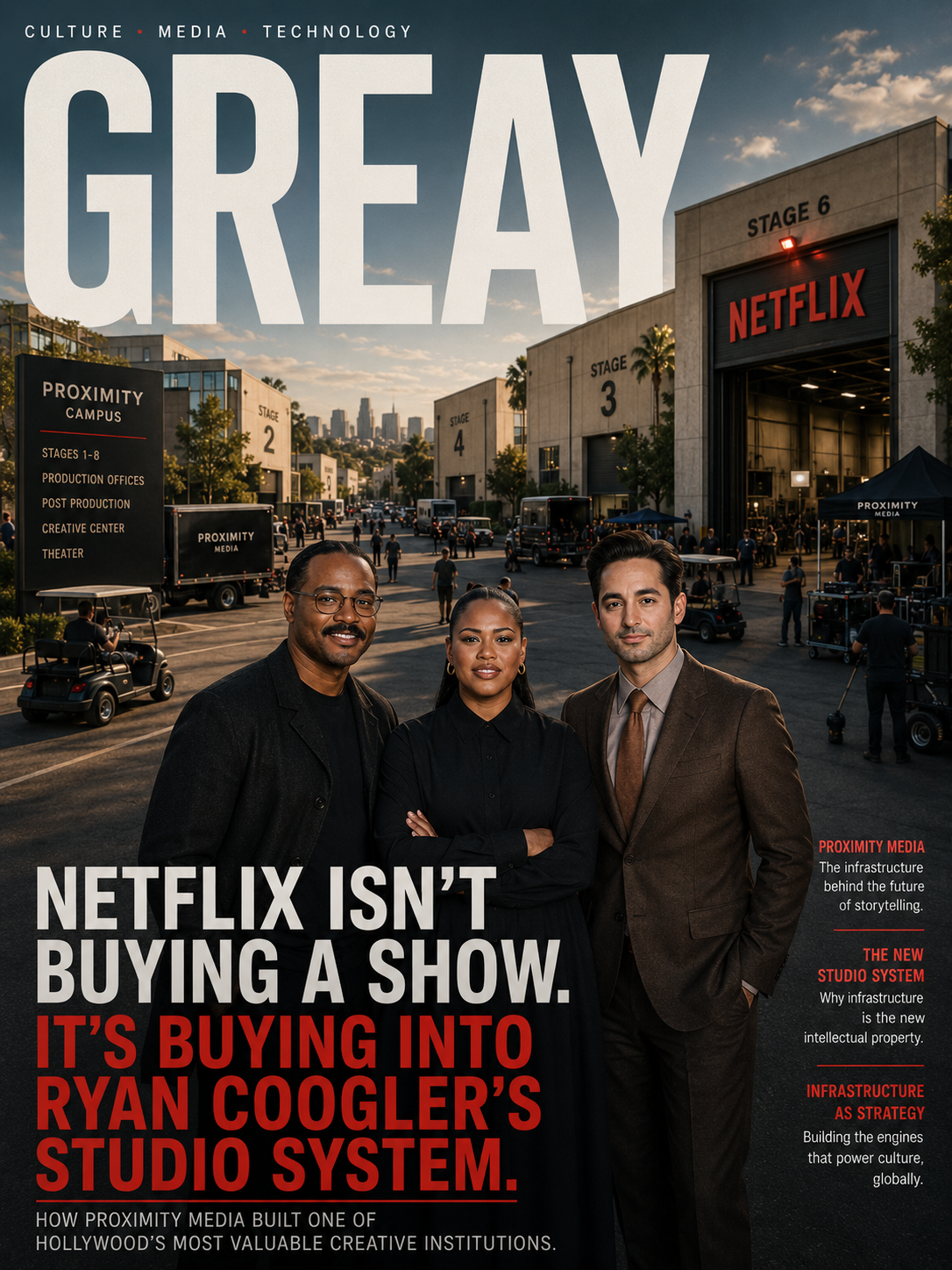
Netflix Isn’t Buying a Show: It’s Buying Into Ryan Coogler’s Studio System
Movies are the output. Infrastructure is the asset.

Kansas City Chiefs Launch “Back-to-Back Greatness” Campaign to Celebrate Consecutive Super Bowl Wins
Kansas City Chiefs Launch "Back-to-Back Greatness"

Drake Unveils NOCTA Basketball Campaign Featuring Kevin Durant
Drake Unveils NOCTA Basketball Campaign
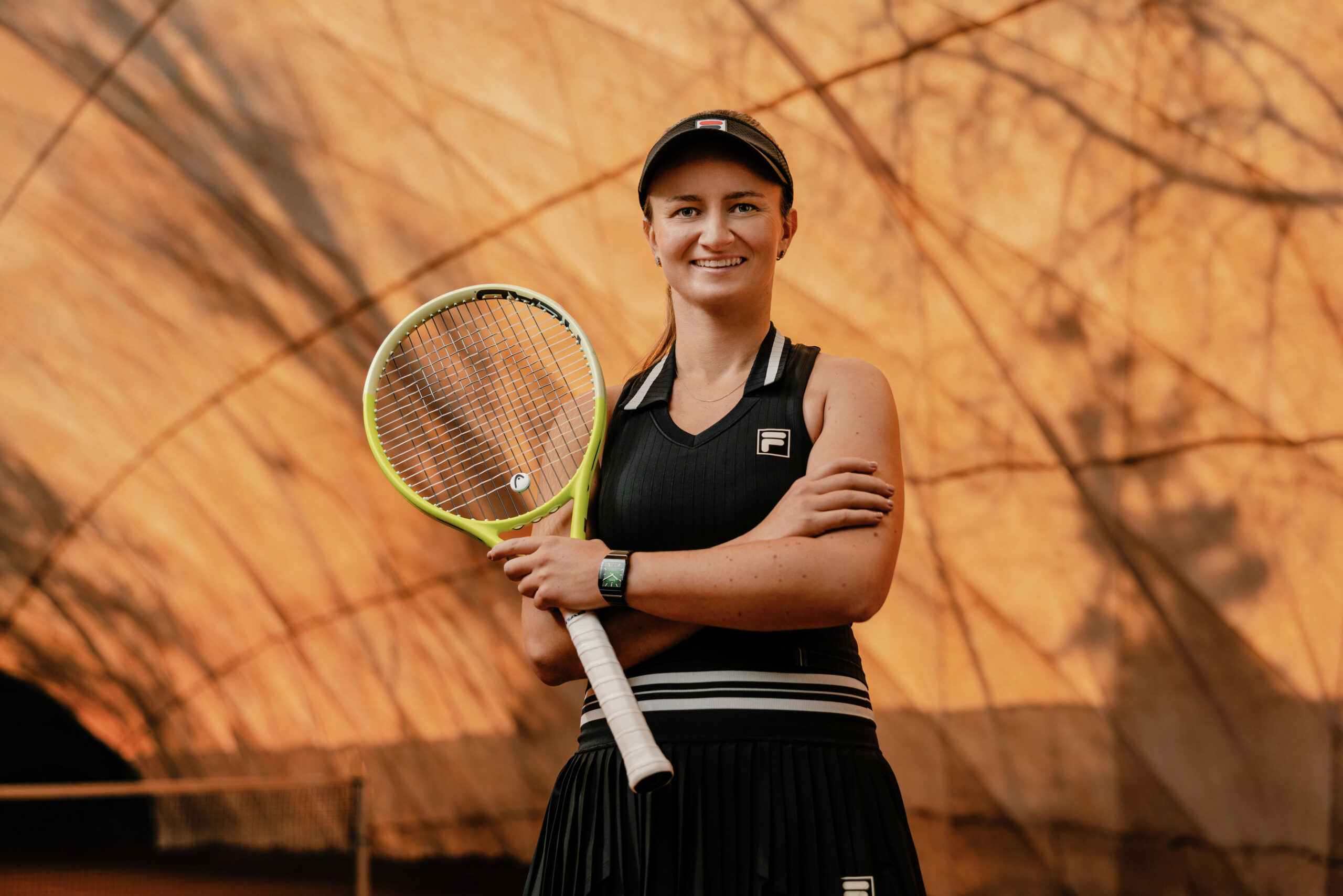
Barbora Krejčiková Joins Rado as a Brand Ambassador, Embodying Excellence in Tennis and Design
Rado Signs Wimbledon Champion Barbora Krejčiková.
Dior and A24 Are Taking Their Partnership Off Screen
More Than a Placement
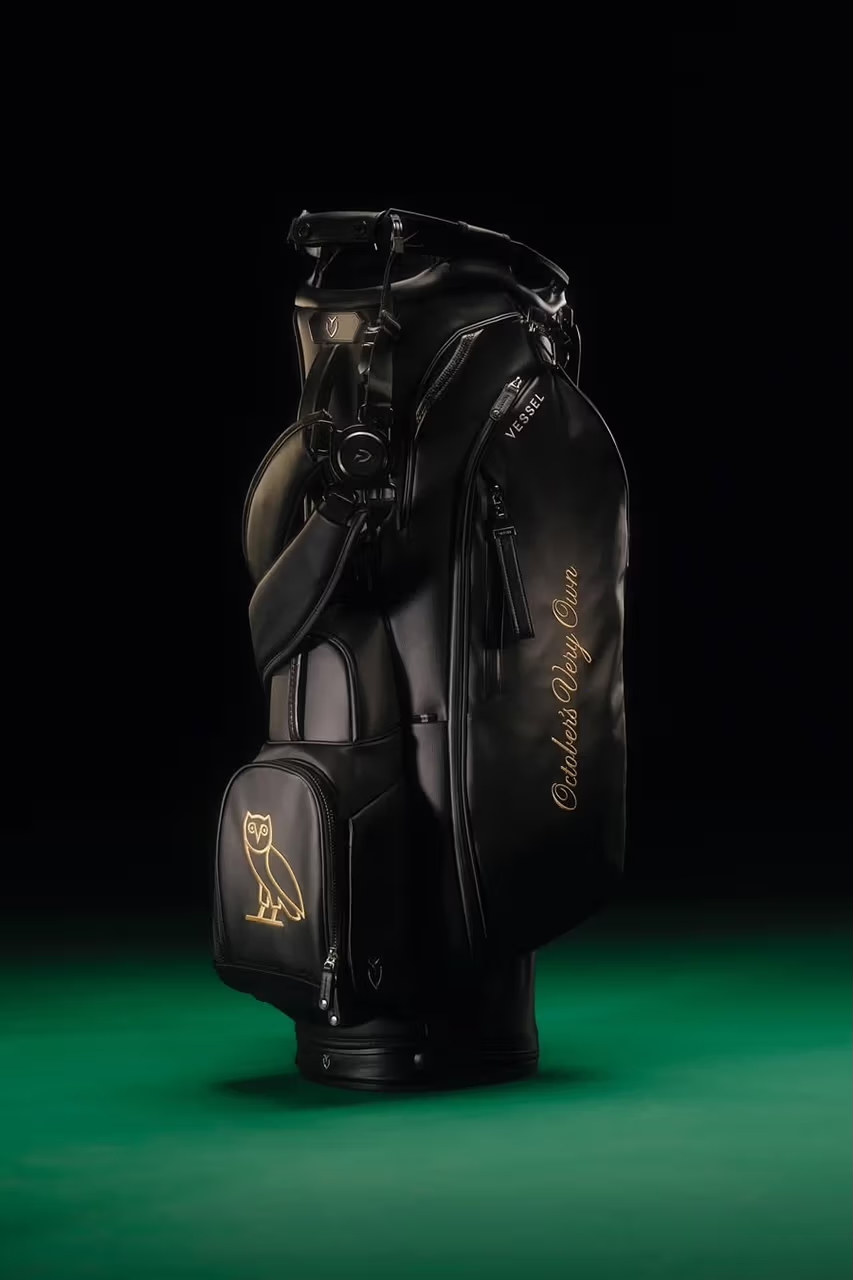
Drake’s OVO Hits the Fairway: Streetwear Swagger Meets Callaway Precision
By Jayson Echo Drake’s OVO has officially taken its talents to the f