

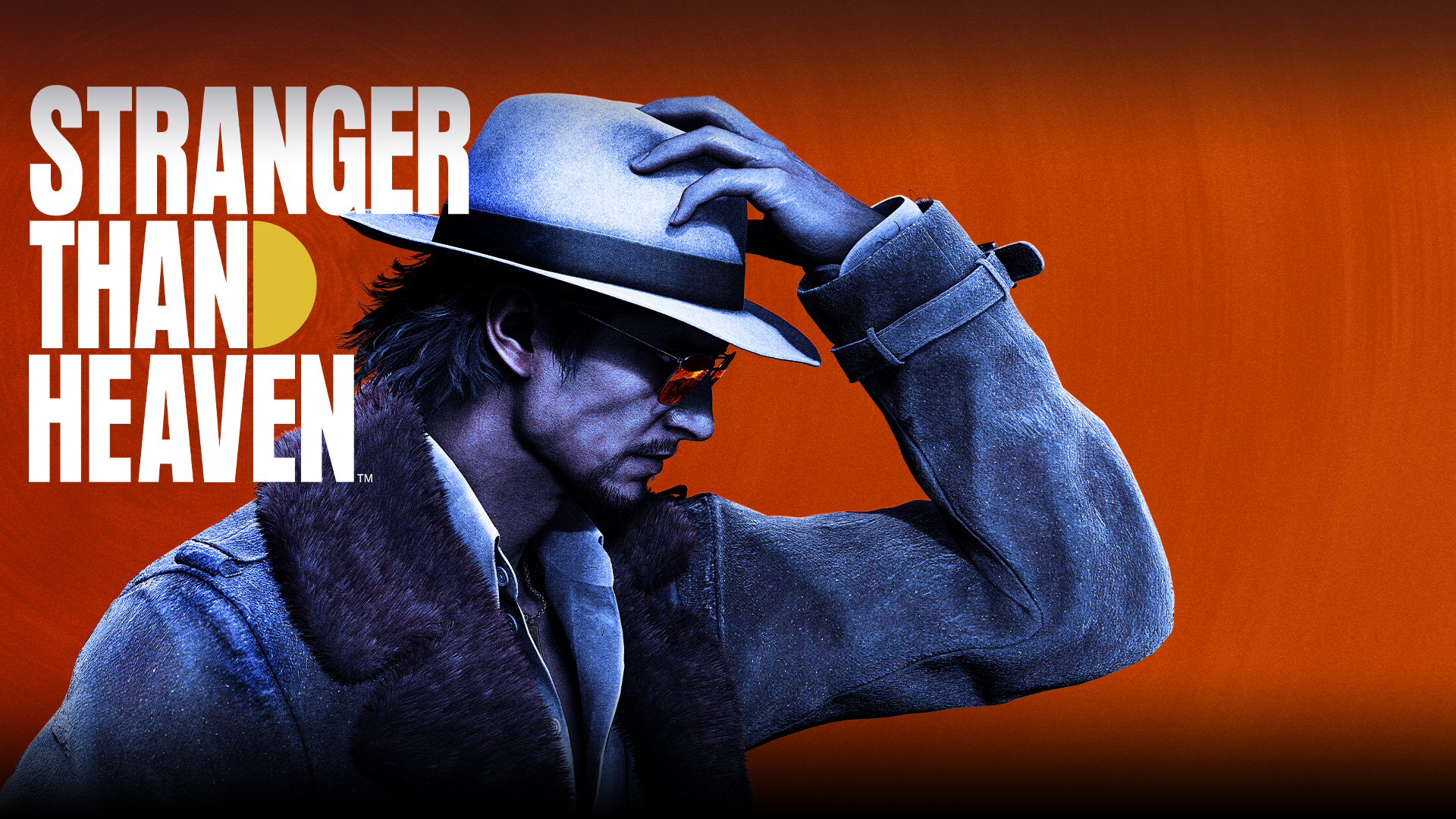
Tupac’s Appearance in Stranger Than Heaven Isn’t the Surprise—The Reaction Is
By Brian k. Neal
When news broke that Tupac would appear in Stranger Than Heaven, the internet reacted almost immediately.
Not because a famous artist had entered a video game.
Not because the technology seemed impossible.
Because people wanted answers.
Was AI involved?
Did the estate approve it?
How was the character created?
Would the portrayal feel authentic?
The questions appeared within minutes.
What makes those questions interesting is not what they reveal about Tupac. It is what they reveal about the audience.
For much of the digital era, technology itself was the story. Every breakthrough arrived with a sense of amazement. New visual effects, new gaming engines, and new forms of digital recreation all generated the same reaction: people wanted to know what was possible.
Today, that curiosity has changed.
Most audiences already assume that technology can recreate a face, reproduce a voice, or place a cultural icon inside a new environment. The capability is no longer surprising.
The credibility is.
That distinction may explain why the conversation surrounding Stranger Than Heaven moved so quickly beyond the game itself.
People were not debating whether a digital Tupac could exist.
They were debating whether they trusted the process that brought him there.
That shift represents something larger than a single announcement.
It represents a change in how audiences consume media.
As technology becomes increasingly capable of creating convincing simulations, people spend less time questioning what they are seeing and more time questioning how it was made.
The modern audience investigates.
It verifies.
It examines.
The public wants to know who approved the decision, who benefits from it, and whether the result honors the person being represented.
In many ways, audiences have become active participants in determining authenticity.
That role once belonged almost entirely to studios, record labels, publishers, and broadcasters.
Today, consumers conduct their own evaluation.
The reaction becomes part of the story.
The arrival of Tupac in Stranger Than Heaven demonstrates this evolution perfectly.
The announcement generated attention.
The response generated conversation.
One created awareness.
The other revealed where culture currently stands.
The most interesting aspect of this moment is not that technology has reached a point where such a recreation is possible.
Most people already assumed that.
The interesting part is how quickly audiences shifted their focus toward trust.
Trust in the creators.
Trust in the process.
Trust in the intention behind the decision.
As artificial intelligence, digital recreation, and synthetic media continue to expand across entertainment, those questions will likely become more common.
Technology is becoming increasingly capable of creating almost anything.
The public response to Stranger Than Heaven suggests that audiences are no longer judging what technology can do.
They are judging whether they believe it.
And in the years ahead, that may become the most important distinction of all.
Related Posts
EA Hits the Brakes on F1 26—and Accelerates Toward a Franchise Reboot
EA’s Strategic Pit Stop

Microsoft Brings Copilot AI to macOS with a Dedicated App
US, UK and Canada will receive it first.

NFL and Sony Forge New Technology Partnership
NFL and Sony Team Up: A New Era of Football Technology.

BetMGM and Inspired Entertainment Launch MGM Bonus City, Revolutionary Hybrid Dealer® Game
By Brad Jerkins BetMGM, a leading iGaming and sports betting 

Leica Redefines Smartphone Photography with the LUX Grip for iPhone
Enhance Your iPhone Photography With the Leica LUX Grip

LG Sound Suite Reimagines Home Audio With Flexible Dolby Atmos Immersion
From Soundbar to Cinema