

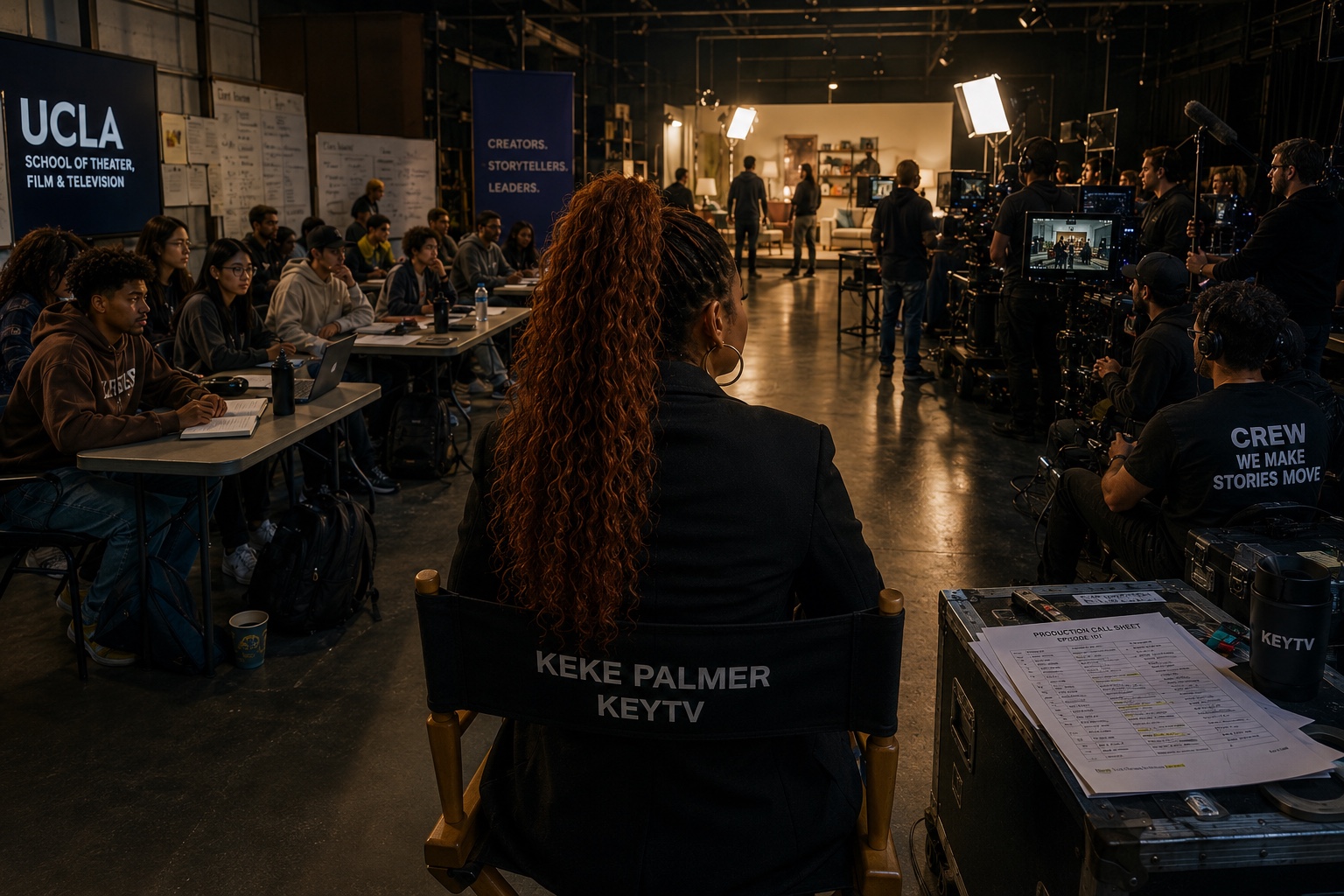
Keke Palmer Is Building More Than a Platform. She’s Building a Pathway With UCLA
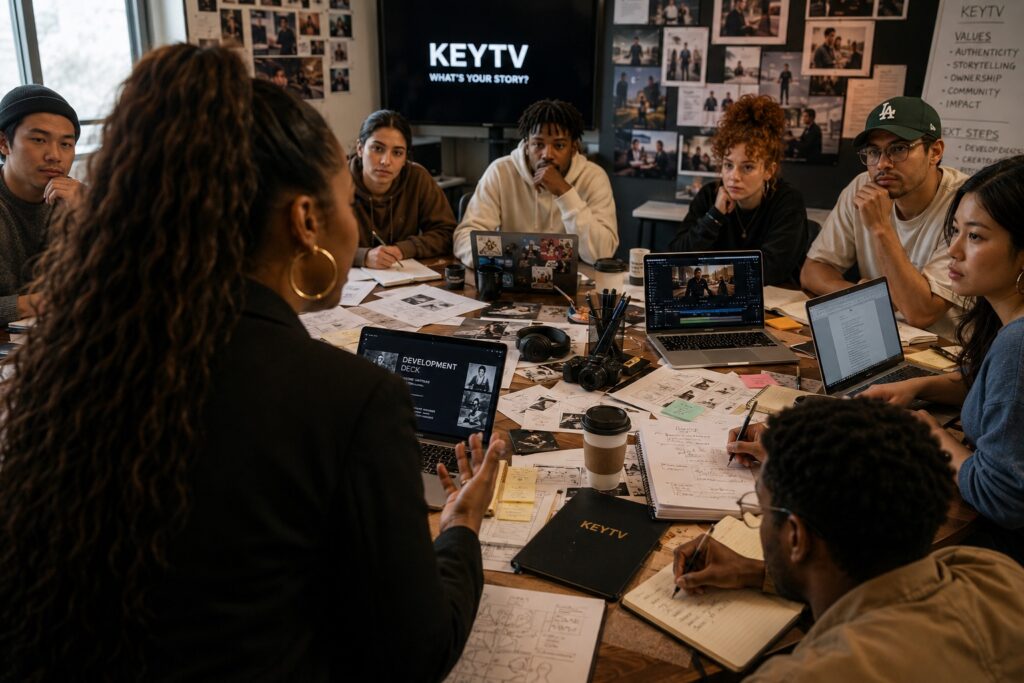
DaMarko GianCarlo
For generations, the entertainment industry has operated on a simple premise: talent gets discovered. The challenge, of course, is getting close enough to be seen.
While technology has made it easier than ever to create, it has not necessarily made it easier to build a career. Millions of people can upload a video, publish a script, launch a podcast, or share a short film. What remains difficult is understanding how creative work moves from an idea into a sustainable profession.
That is what makes Keke Palmer’s new Artist-in-Residence partnership with UCLA feel larger than a traditional university residency.
At a time when the creator economy is flooded with platforms promising visibility, Palmer is investing in something different. Through her work with KeyTV and now UCLA, she is helping build a bridge between education and industry—between aspiring creators and the professional systems that determine whether ideas ultimately reach an audience.
The distinction matters.
For years, conversations around creative success have focused on exposure. Get noticed. Go viral. Build a following. Grow an audience.
Yet many creators eventually discover that attention alone does not answer the questions that matter most. How do projects get financed? How are teams assembled? How is intellectual property protected? How do creators maintain ownership of their work? How do careers survive long after a single moment of visibility?
Those questions sit at the center of today’s entertainment business.
The modern creator is rarely just one thing. A filmmaker may also be a marketer. A writer may also be a producer. An actor may also be a founder. Creative careers increasingly require an understanding of both artistry and infrastructure.
Palmer’s career reflects that evolution.
Over the years, she has moved seamlessly between acting, producing, hosting, music, entrepreneurship, and digital media. Rather than waiting for the industry to create opportunities for her, she repeatedly expanded the definition of what her career could become. KeyTV emerged from that mindset, creating a platform designed to elevate emerging voices while giving creators more control over their work and visibility.
The UCLA partnership feels like the next logical step.
Not because it places Palmer inside a classroom, but because it places students closer to the realities of the business they hope to enter. The initiative acknowledges something many creative programs are beginning to recognize: education and industry can no longer exist as separate worlds.
Students do not simply need inspiration.
They need context.
They need access.
They need practical understanding of how projects are developed, distributed, marketed, and sustained.
In many ways, the most successful creators today are no longer defined solely by what they make. They are defined by what they make possible for others.
That may ultimately be the most compelling aspect of Palmer’s partnership with UCLA. It is not centered on celebrity. It is centered on opportunity. The goal is not simply to encourage emerging talent, but to help equip it.
The future of entertainment may not belong to the people who create the most content. It may belong to the people who create the most pathways.
With UCLA and KeyTV, Keke Palmer is betting that access, ownership, and mentorship will matter just as much as exposure. And in an industry built on opening doors, that may be one of the most valuable investments a creator can make.
Related Posts

THE LUXURY COLLECTION DEBUTS IN GERMANY WITH THE OPENING OF KOENIGSHOF, A LUXURY COLLECTION HOTEL, MUNICH
THE LUXURY COLLECTION DEBUTS IN GERMANY

Gatorade Water Makes a Splash Nationwide, Diving into a Fresh Category
Gatorade has launched its first unflavored water, Gatorade Water, expa

Colman Domingo Takes on a Political Media Pundit Caught in a Deadly Conspiracy in Netflix’s The Madness
Colman Domingo Must Clear His Name in Trailer for Netflix’s ‘The M
YouTube Is Building the Prestige Layer of the Creator Economy
Hollywood’s old hierarchy is beginning to collapse.
Zara and Willy Chavarria Don’t Collaborate—They Align
Where Meaning Meets Distribution

Bang & Olufsen Names Charles Leclerc as Global Brand ambassador
Bang & Olufsen announces Charles Leclerc as Global Brand Ambassador