


Martha Stewart Isn’t Building an AI App—She’s Building Domestic Infrastructure

By Alexis Greene
For decades, Martha Stewart has been described as a lifestyle entrepreneur, television personality, publisher, and businesswoman. None of those descriptions are wrong. But they may miss the thing she was actually building all along.
Systems.
Long before Silicon Valley became obsessed with optimization, Stewart was teaching millions of people how to create order from complexity. Her books, magazines, television programs, and products were never simply about decorating a table or planting a garden. They were about creating repeatable processes that made everyday life run more smoothly.
A holiday meal was a system.
A garden was a system.
A household was a system.
The details changed, but the philosophy remained the same: preparation creates freedom.
That is what makes her involvement with AI startup Hint feel less surprising than it first appears.
Most conversations about artificial intelligence focus on what AI can create. Images. Emails. Presentations. Summaries. Content. Yet those capabilities represent only one possible future. Another future is emerging quietly in the background—one where AI is not used to generate things but to manage them.
Hint sits much closer to that future.
The company is focused on helping homeowners organize and maintain the countless responsibilities that come with managing a home. Warranties. Maintenance schedules. Service records. Seasonal upkeep. Household planning. The kinds of tasks that rarely make headlines but consume attention every day.
In many ways, it is attempting to turn domestic knowledge into operational intelligence.
That idea aligns almost perfectly with the career Martha Stewart has spent decades building.
The image most people have of Stewart is often aesthetic. Beautiful homes. Fresh flowers. Perfectly arranged tables. But aesthetics were always the outcome. The real work happened underneath. Calendars, checklists, routines, preparation, planning, and maintenance created the results people admired.
The beauty was visible.
The system was invisible.
Artificial intelligence is beginning to follow the same path.
The most valuable AI products of the next decade may not be the ones that demand constant interaction. They may be the ones that disappear into the background entirely. Instead of asking users to think harder, they will help them think less. Instead of creating more decisions, they will remove friction from existing ones.
That shift could fundamentally change how people think about their homes.
For generations, a house was viewed primarily as a physical asset. Today, it is increasingly becoming an operational environment. Utilities, maintenance schedules, appliances, landscaping, insurance, repairs, and environmental factors all generate information that must be managed. The complexity grows as homes become smarter, more connected, and more expensive to maintain.
What homeowners increasingly need is not more information.
They need coordination.
That is why this story feels larger than a startup announcement.
It represents a broader movement in which expertise becomes infrastructure.
Healthcare expertise becomes platforms.
Financial expertise becomes software.
Educational expertise becomes adaptive systems.
And now domestic expertise is beginning to become operational technology.
For decades, Martha Stewart taught people how to run a home.
The next chapter may be teaching a home how to run itself.
That possibility says as much about the future of artificial intelligence as it does about Martha Stewart. The companies that define the next era may not be the ones building the smartest models. They may be the ones that embed trusted expertise into the environments people depend on every day.
Because the future of AI may not be about having better conversations.
It may be about creating better systems.
Related Posts

Govee Introduces New Dune-Inspired TV Backlight Packaging in Collaboration with Warner Bros. Pictures and Legendary Pictures, Marking the Arrival of Dune: Part Two
Govee Introduces New Dune-Inspired TV Backlight

HyAxiom Unveils Groundbreaking Green Hydrogen Solutions for the First Time, Featuring High-Efficiency PEM Electrolyzer and Premier PureCell® Model 400 Fuel Cell
HyAxiom Unveils Groundbreaking Green Hydrogen Solution
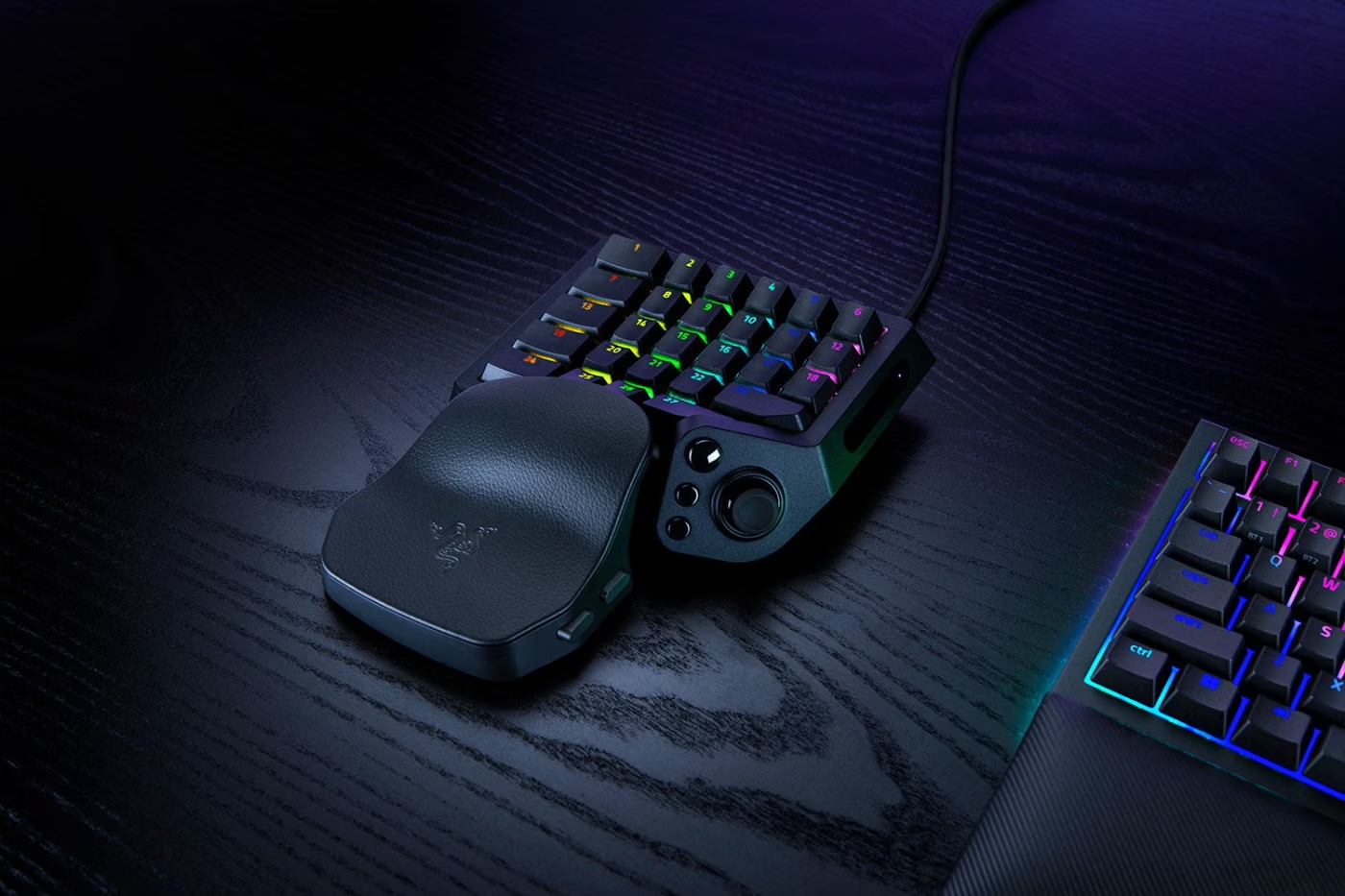
Razer’s New Tartarus V2 Pro Blurs the Line Between Keyboard and Controller
More Control in One Hand

SMART Unveils Innovative Inclusion Solution and Global Research to Support Neurodiverse Learners
SMART Unveils Innovative Inclusion Solution
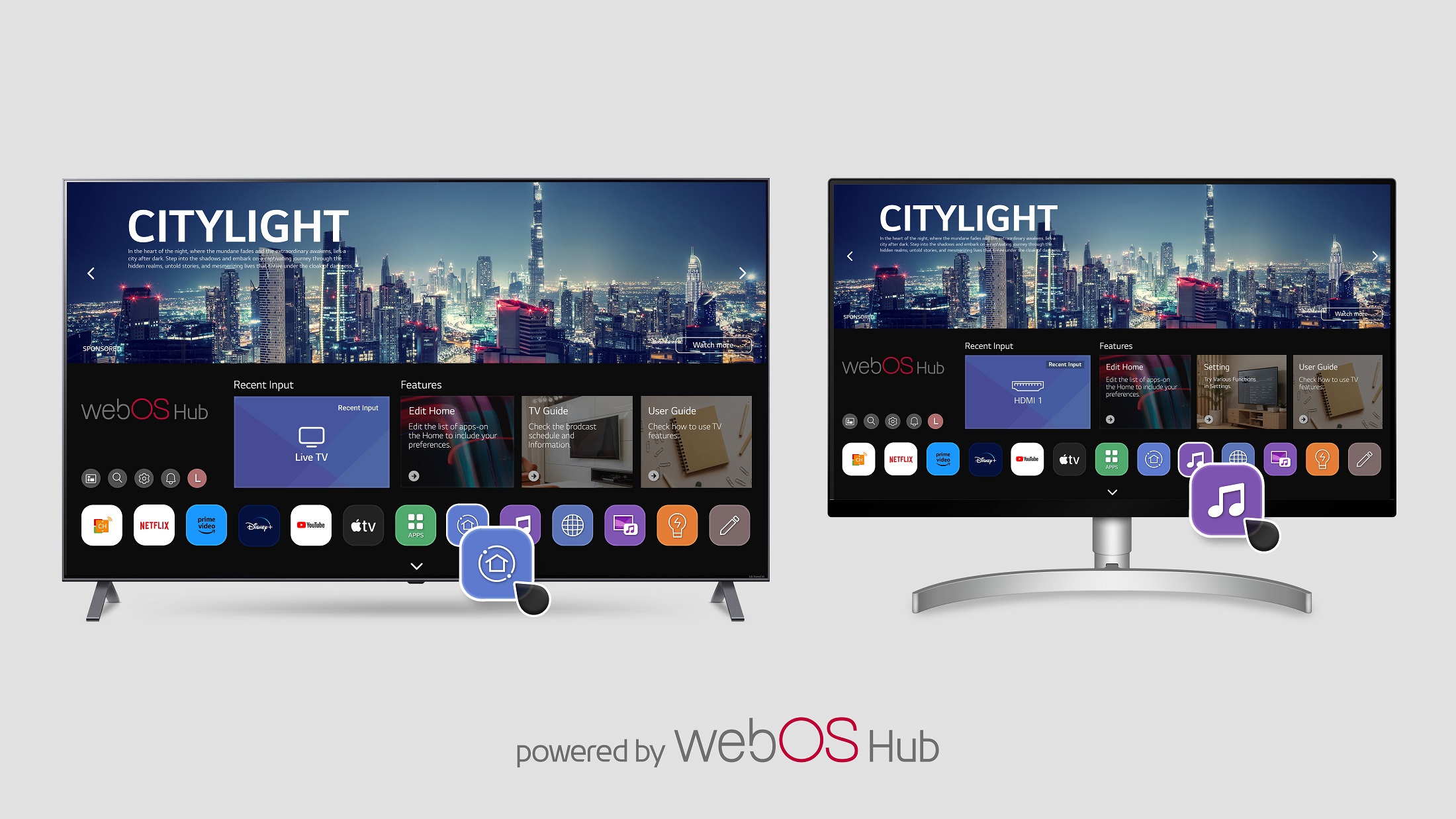
LG Broadens Its Platform Portfolio with the Launch of webOS Hub 2.0S
LG Broadens Its Platform Portfolio with the Launch of webOS Hub 2.0S
Otermans Institute Unveils Inaugural AI-Powered Course, Revolutionizing Education
Otermans Institute (OI) has made significant strides in reshaping the