

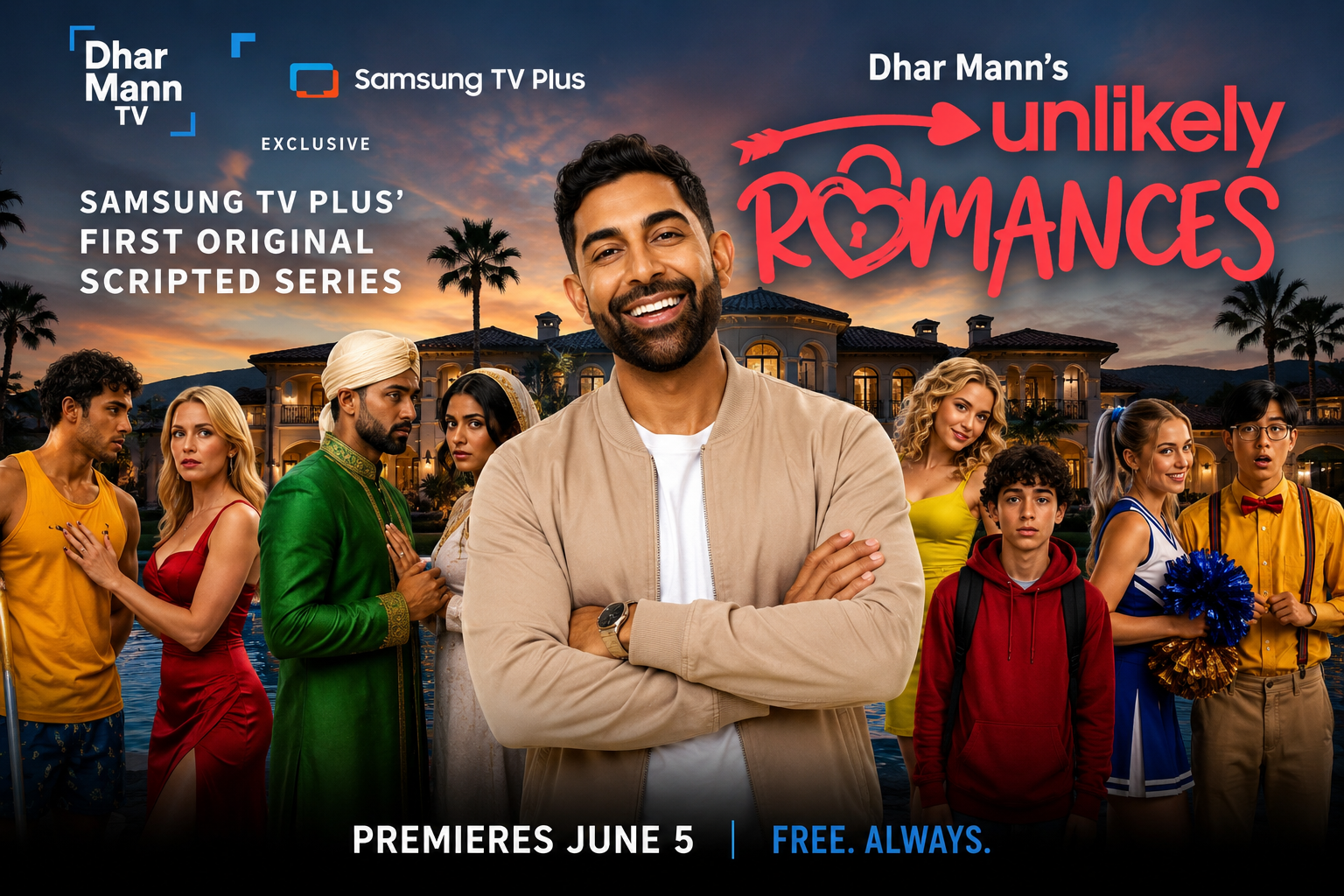
Samsung TV Plus Isn’t Just Streaming Anymore — Dhar Mann Is Up First
By Chane Simms
For years, most people didn’t even realize Samsung TV Plus was competing in television.
It existed more like background infrastructure than a cultural destination.
The free channels already built into the television.
The app people stumbled into while switching inputs.
Passive viewing.
Ambient entertainment.
A feature hidden inside the operating system itself.
But infrastructure changes once it starts developing identity.
That is what makes Dhar Mann becoming the face of Samsung TV Plus’s first original scripted series far more important than it initially sounds.
Because this is not simply:
“a creator gets a TV show.”
It is a platform announcing that creator-native storytelling may now be central to the future of television infrastructure.
And Samsung choosing Dhar Mann first feels extremely intentional.
Traditional Hollywood spent years underestimating creator ecosystems because the work often looked emotionally direct, algorithmically optimized, and structurally repetitive compared to prestige television.
But underneath that simplicity was something the entertainment industry increasingly needs:
behavioral understanding.
Dhar Mann spent years learning how audiences actually consume content in real time.
Not theoretically.
Not through delayed ratings reports.
Not through executive assumptions.
Directly.
He learned:
- emotional pacing
- retention behavior
- repeat viewing patterns
- algorithmic discovery
- emotional payoff timing
- family-safe engagement
- audience familiarity loops
at massive scale.
Traditional television historically built around premieres.
Creators built around habit.
That distinction matters enormously in the FAST era.
Because platforms like Samsung TV Plus are not trying to recreate HBO.
They are trying to own continuous viewing behavior.
And Samsung holds a strategic advantage many people still do not fully understand:
the company already owns the hardware pathway into the room.
That changes everything.
Netflix had to convince audiences to open an app.
Samsung TV Plus already lives inside millions of televisions before the viewer even decides what to watch.
Which means the real strategy increasingly looks like this:
Sell the television.
Control the interface.
Control discovery.
Control passive viewing.
Introduce original programming.
Build loyalty directly into the operating system.
That is no longer simply streaming.
That is ecosystem construction.
And consumer behavior is quietly moving in that direction again.
Subscription exhaustion has reshaped the market.
Audiences are overwhelmed by stacked monthly services, fragmented interfaces, and endless entertainment decisions.
FAST platforms succeed because they reduce friction.
They feel immediate.
Accessible.
Ambient.
Easy to leave on.
That may sound small, but habit is one of the most powerful forces in media infrastructure.
Which is exactly why Dhar Mann makes sense here.
His content ecosystem has never primarily operated around exclusivity or prestige. It operates around emotional accessibility.
The caption attached to the announcement reveals the philosophy clearly.
“When I started making videos in 2018, I just wanted to tell stories that made people feel seen.”
That sentence matters more than people realize.
Because FAST viewing behavior increasingly resembles emotional comfort behavior:
- familiar storytelling
- recognizable pacing
- low-friction emotional engagement
- repeatable watchability
In many ways, platforms no longer simply want content.
They want emotional reliability.
And creators spent years mastering that while Hollywood was still debating whether creator-native storytelling was “real television.”
Now the walls separating:
creator,
network,
platform,
studio,
and distributor
are collapsing together.
Even the marketing language surrounding the series reflects that transition.
It does not read like traditional studio publicity copy.
It reads personal.
Direct.
Conversational.
Emotionally transparent.
That is creator-era language entering television infrastructure.
Which may ultimately become the larger story here.
Not that Dhar Mann entered television.
But that television infrastructure is beginning to rebuild itself around creator-native audience systems.
Samsung TV Plus choosing Dhar Mann first signals that the industry may finally understand something creators learned years ago:
viewing behavior is no longer controlled only by programming.
It is controlled by familiarity, accessibility, emotional repetition, and embedded distribution pathways.
The television war is no longer just about who has the best shows.
It is increasingly about who owns the easiest relationship with the audience.
Related Posts

Dyson Unveils OnTrac: Its First-Ever Audio-Only Headphones
Dyson Announces OnTrac, Its Debut Audio-Only Headphones.
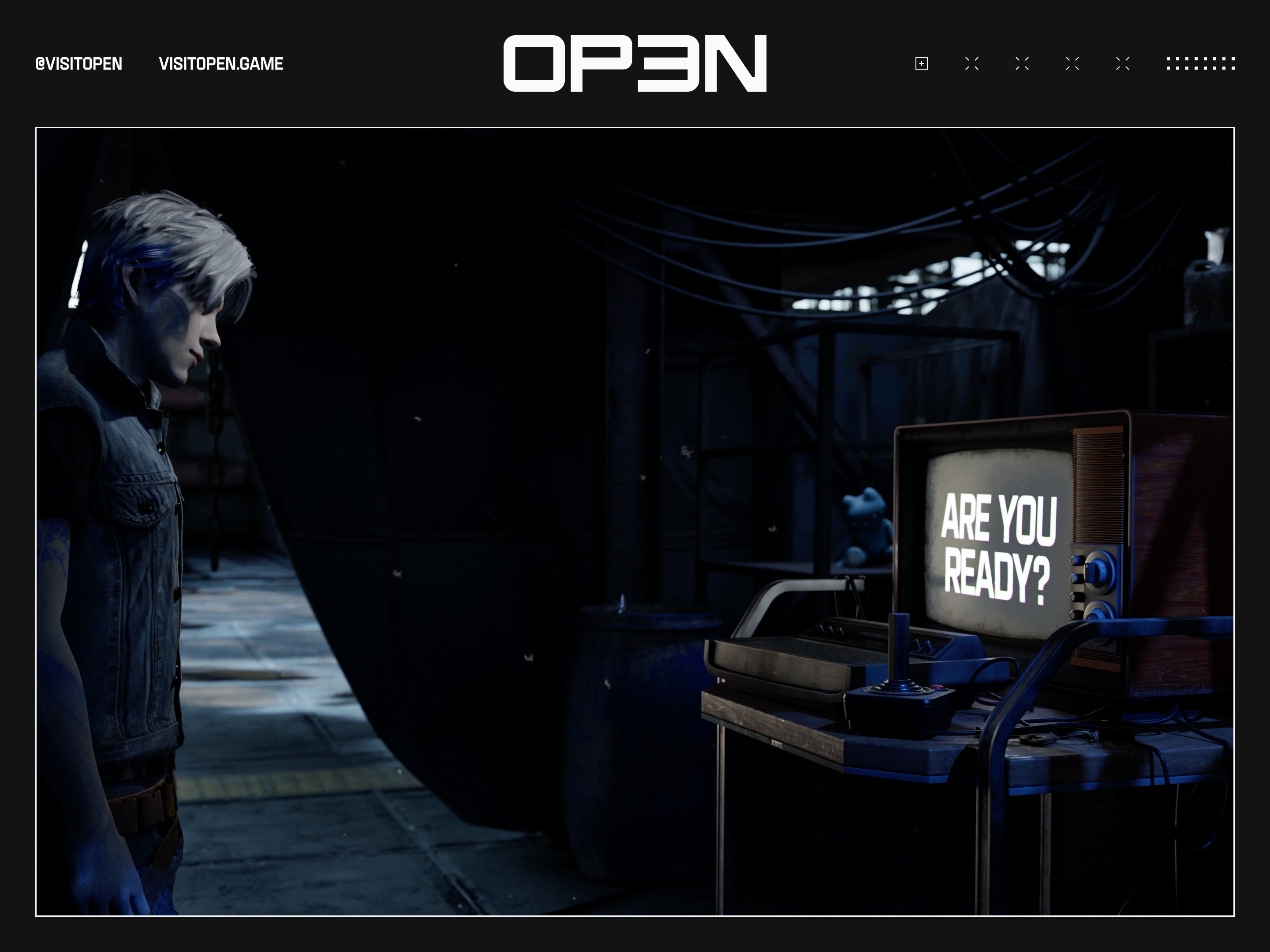
Introducing “OPEN”: A Multi-Genre Metaverse Battle Royale Experience in Development for PC and Current Gen Platforms
Readyverse Studios, in collaboration with Walker Labs, has unveiled OP
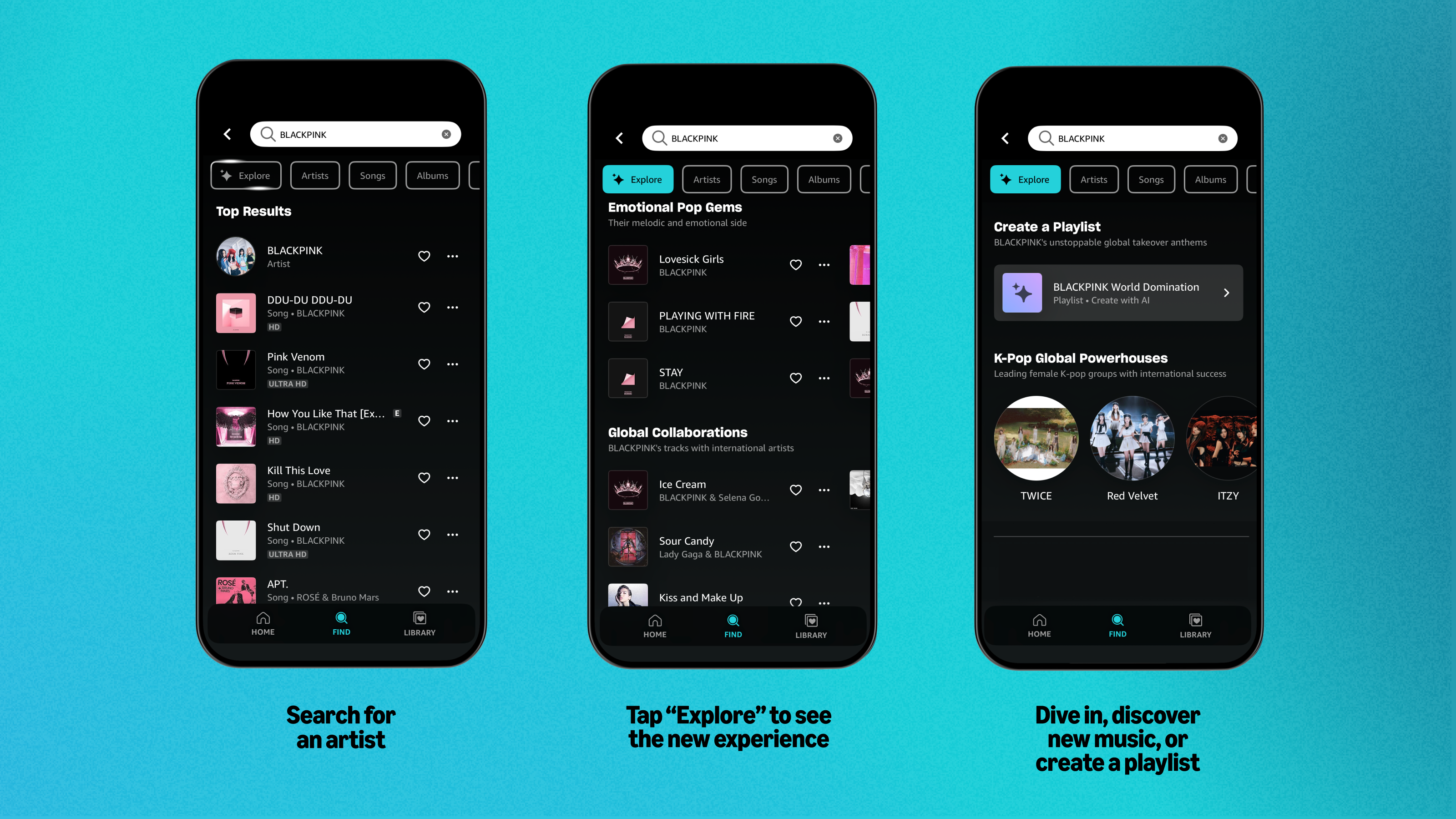
Amazon Music’s New AI Search Is Changing the Way You Discover Music
Your Next Favorite Song? AI’s Already Found It
instagram Reels Are Coming to TV — And the Living Room Is the Next Social Frontier
Instagram Wants Your Couch Time
UltData Introduces Latest Capability: Retrieving Deleted Instagram Data
Tenorshare UltData emerges as a beacon of hope with its latest update

Unveiling the Galaxy Book4 Series: A New Standard of Intelligence and Power in the Galaxy Book Lineup
Samsung Electronics Co., Ltd. has unveiled its most advanced PC lineup