

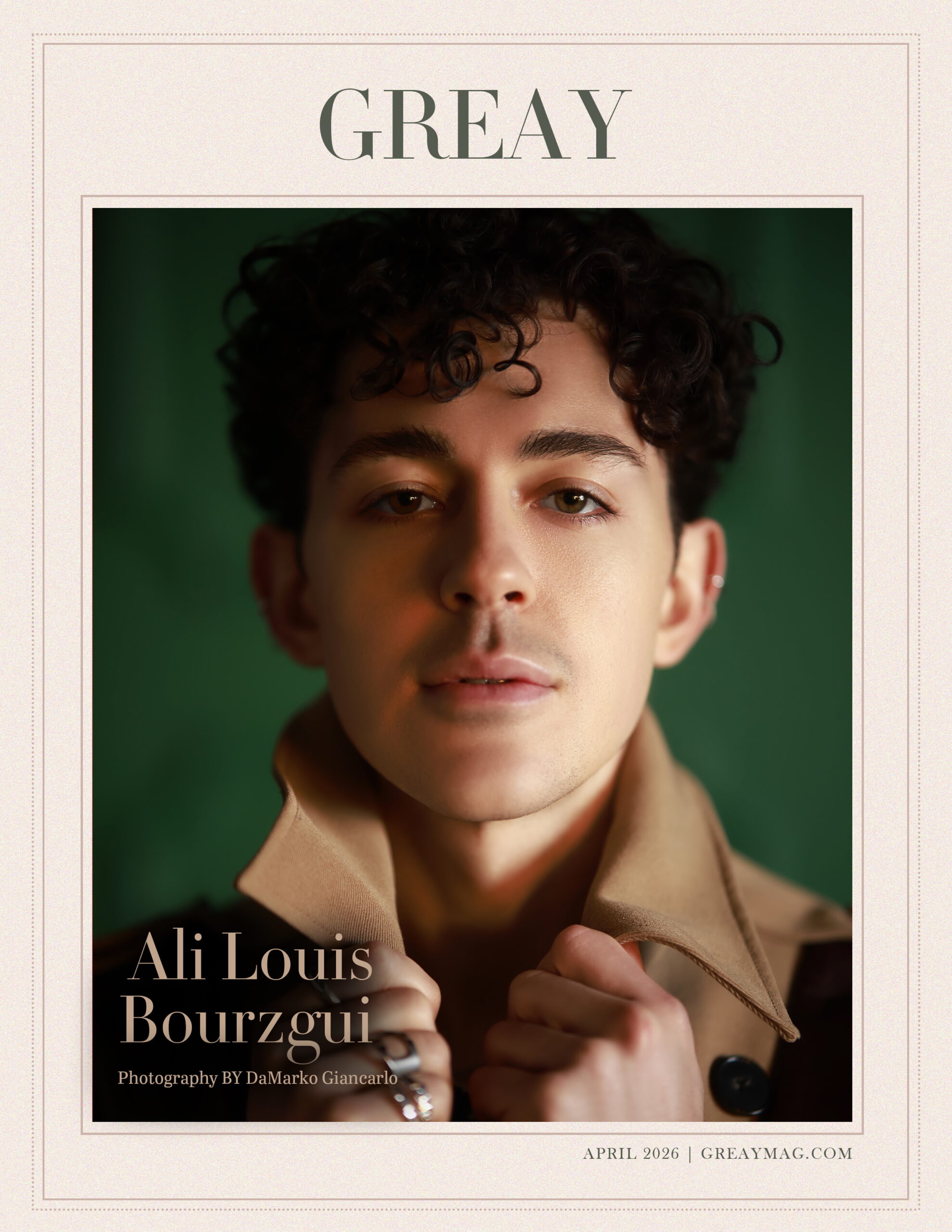
Ali Louis Bourzgui, Night After Night
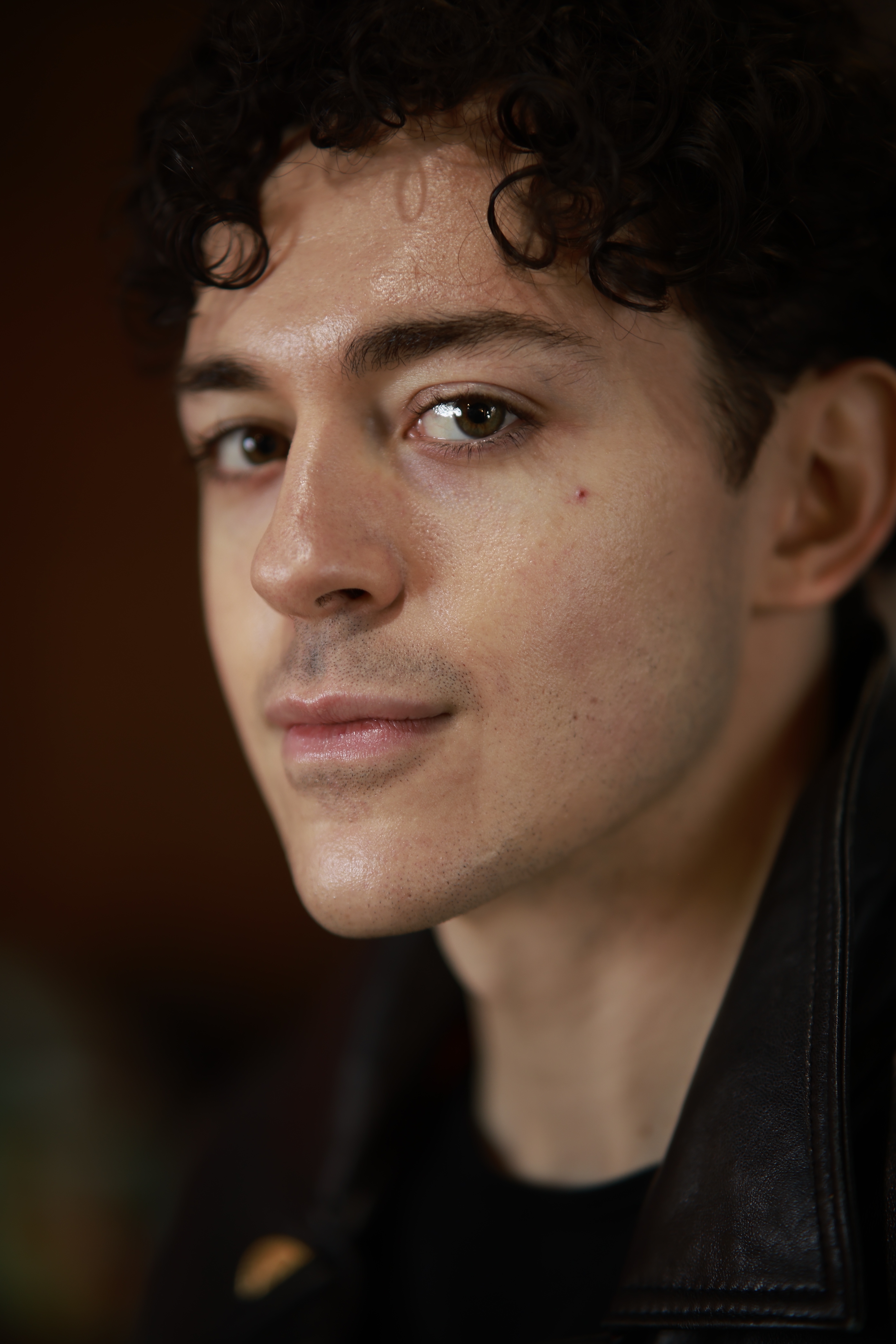
Broadway isn’t built on moments—it’s built on repetition. The quiet discipline of showing up night after night, long after the applause fades and the adrenaline settles. For Ali Louis Bourzgui, stepping onto that stage isn’t about being seen—it’s about being present. Eight shows a week asks for more than performance. It asks for care, for endurance, for a kind of honesty that can’t be edited or replayed.
There’s a certain humility that comes with understanding where you are. Broadway carries a history that can feel overwhelming if you let it, but Bourzgui approaches it with perspective. “There’s so much history in this tradition of New York theatre making,” he says. “Seeing everything that the community is creating is wildly inspiring.” What comes through isn’t pressure—it’s gratitude. A sense that he’s stepping into something larger than himself, and doing so with intention.

That sense of perspective isn’t new for Bourzgui. Having stepped into iconic roles like the lead in The Who’s Tommy and Orpheus in Hadestown, he understands what it means to inherit something beloved—and find his own way inside it.
The rhythm of theatre reshapes you. Eight shows a week becomes its own kind of language—one built on discipline, repetition, and trust. There’s sacrifice in that, but there’s also a return. “You give a part of yourself over to the role,” he explains, “but at the same time the show gives you back gifts for this level of discipline.” Over time, that exchange becomes part of the work itself—a deeper awareness of the body, a sharper understanding of what it means to take care of yourself in order to show up fully.
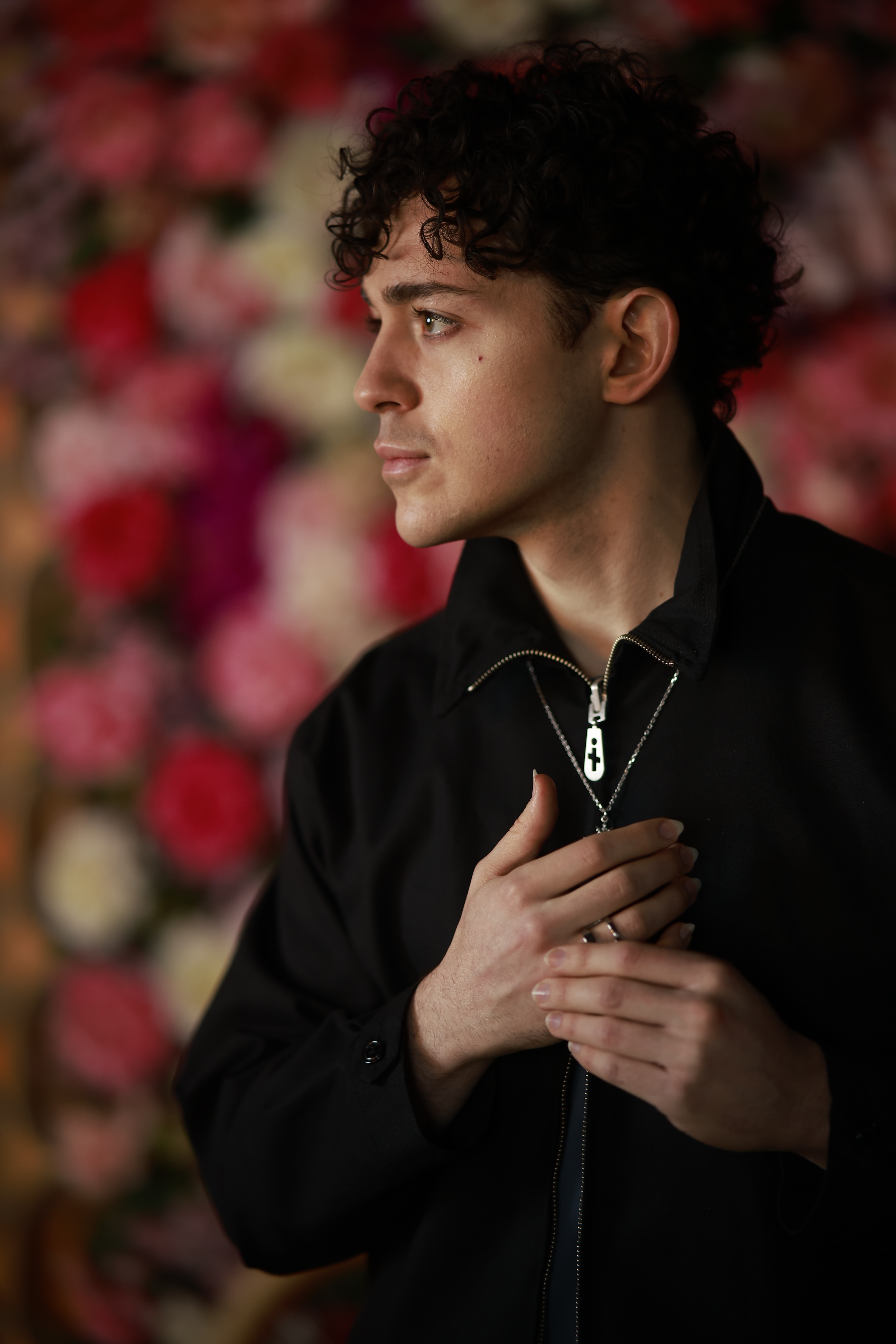
As The Lost Boys builds momentum ahead of its April 25 opening, that rhythm is already taking hold. Previews carry their own energy—alive, responsive, slightly unpredictable. The room shifts night to night, and the work adjusts with it. It’s where performance becomes conversation.
Live theatre leaves no room to hide. There’s no edit, no reset, no second take waiting behind the curtain. What happens in the room belongs entirely to that moment. Bourzgui leans into that uncertainty. “Live theatre is a form of magic,” he says. “It invites us to care and to feel.” Night after night, the performance shifts—subtle, almost imperceptible—but always shaped by the audience in front of him. That’s the exchange. That’s what keeps it alive.
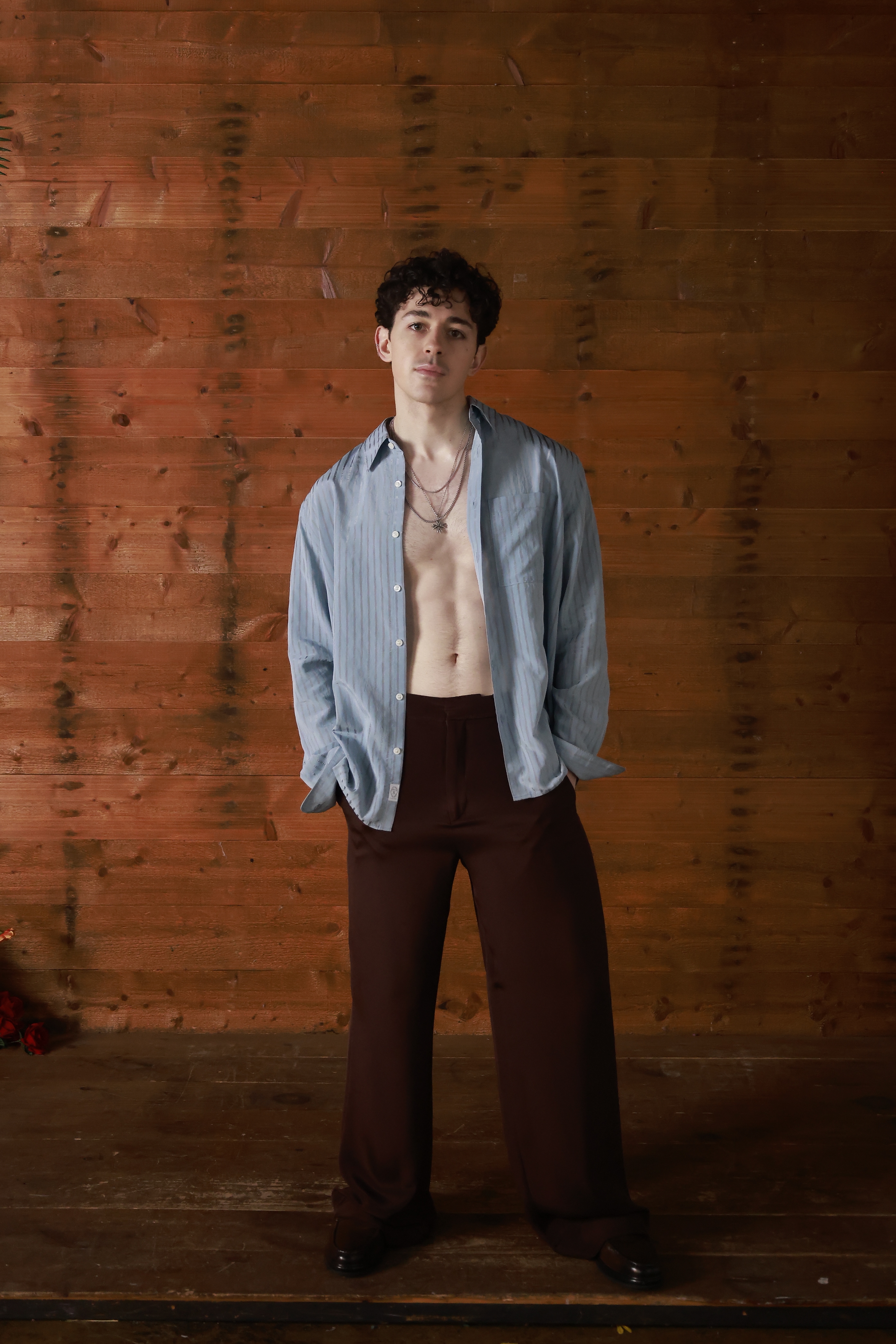
In The Lost Boys, stepping into the antagonist offered something deeper. Not just a shift in tone, but a shift in perspective. “You can’t play a villain as innately evil—you have to find the vulnerability in them,” he says. And that’s where the character begins to take shape. Not as a symbol of darkness, but as someone driven by something familiar: the need to belong, the fear of being alone, the quiet unraveling that happens when those needs go unmet.
What makes his performance compelling isn’t unpredictability for its own sake—it’s the tension between control and vulnerability. “I never want the audience to know what to expect or how they should feel,” he explains. The character moves between charisma and danger, never settling fully into one or the other. It keeps the audience engaged, but more importantly, it keeps the performance grounded in something real.
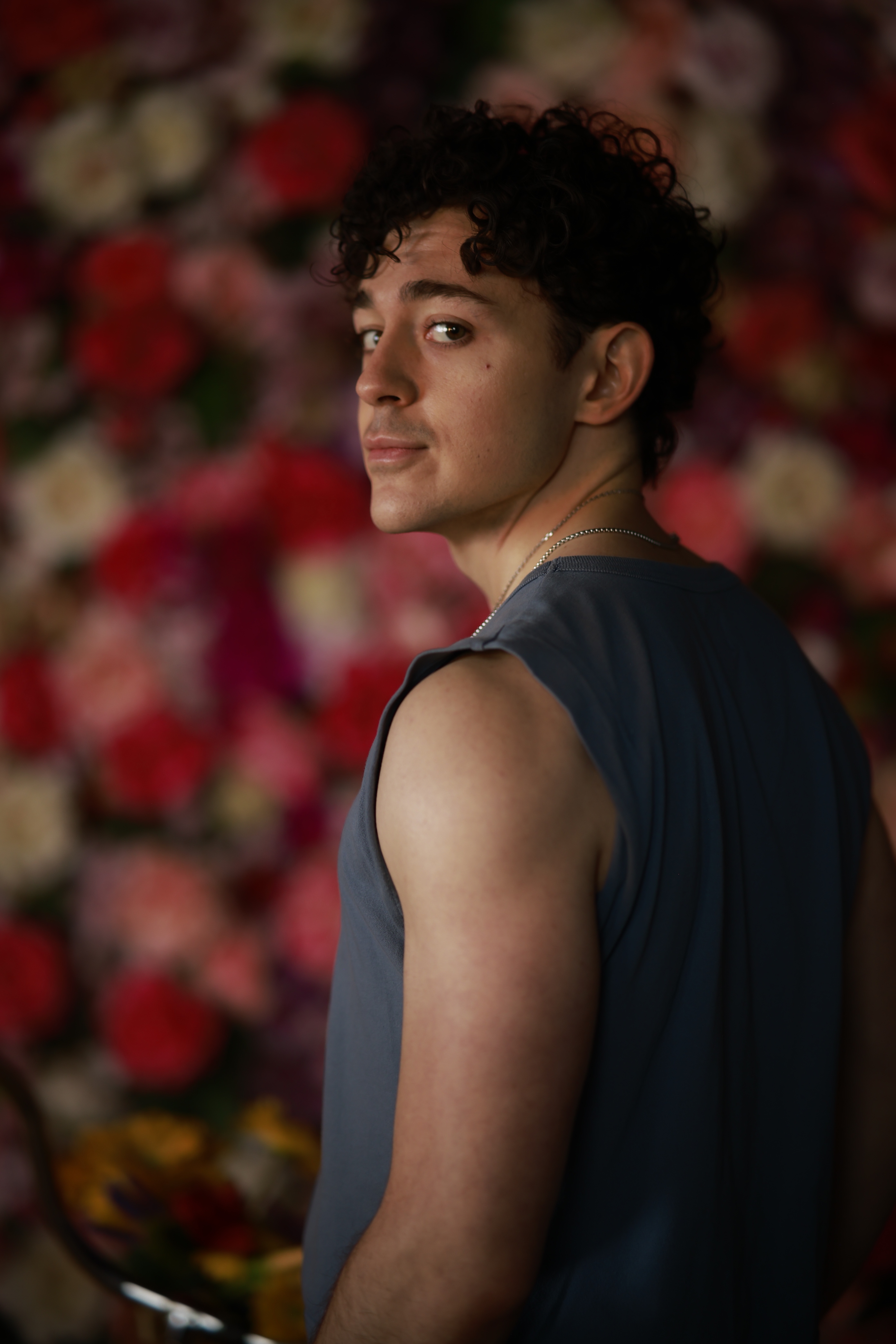
That same sense of care extends beyond the role. When Bourzgui talks about legacy, it isn’t framed in scale or visibility. It’s framed in community. “To me performance is all about community,” he says. “I want my art to always be rooted in humanitarianism and activism.” It’s a perspective that feels steady, intentional, and deeply personal.
And maybe that’s what stays with you.
When the curtain falls, what lingers isn’t just the spectacle—it’s the feeling of having shared something real. A laugh, a moment of tension, a quiet recognition between strangers sitting side by side. “I hope people have had a genuinely fun time… and a new sense of commitment to how they show up for their friends and family,” he says.
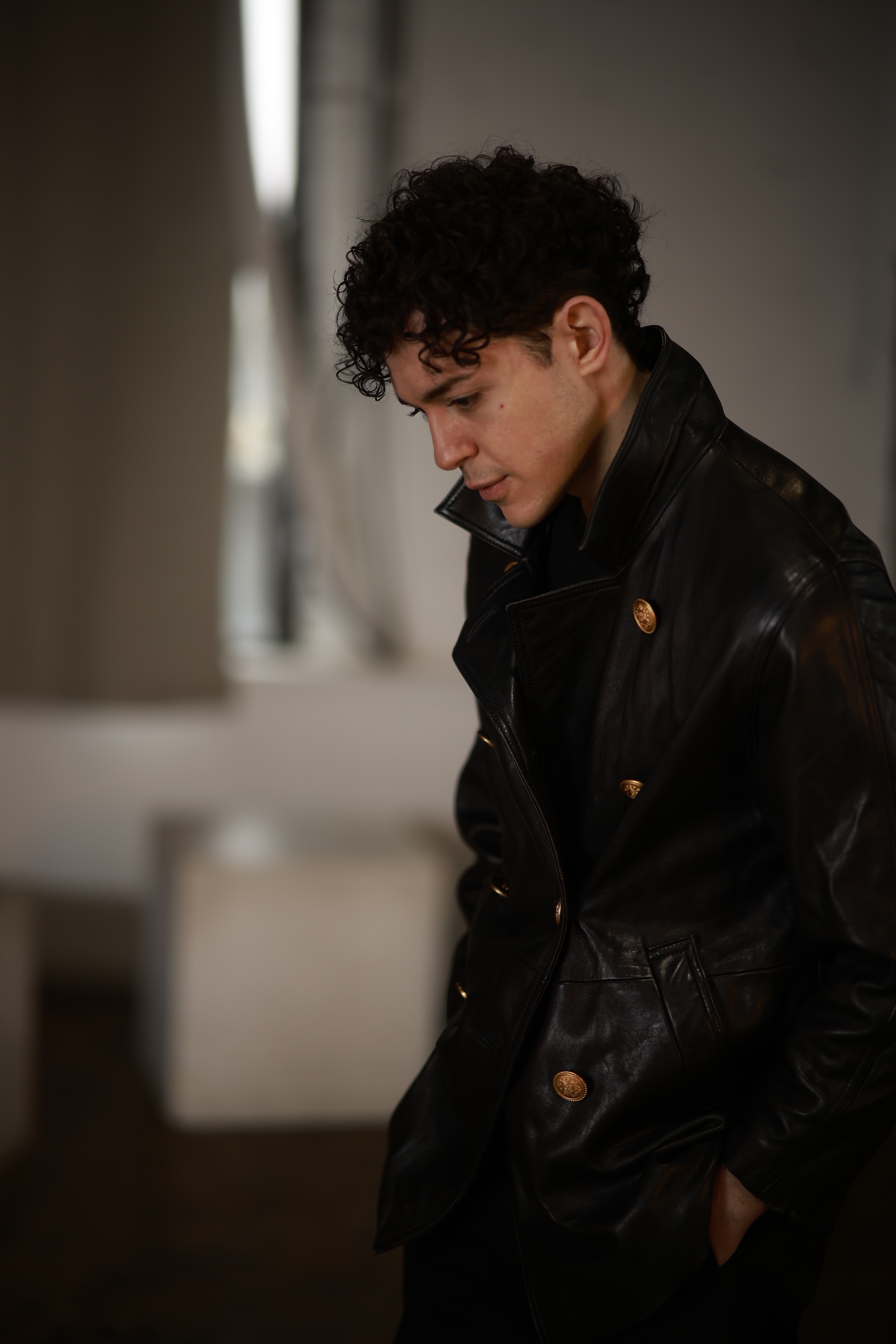
Bourzgui carries that responsibility with intention. Not to be perfect, but to be present. And in a world that moves quickly past most things, there’s something powerful about someone willing to stay in the moment just a little longer—and invite everyone else to do the same.
Photography DaMarko Giancarlo @damarkoGiancarlo
Words By Kyra Greene @noteasybeingreen
Wardrobe By Dolly Pratt Lanvin @dolly.lanvin
Grooming By Steven Harris @harrisstevenb
Produced By The Greay Firm @greayfirm & First Sight International LLC @firstsight.intl
Related Posts

Chyler Leigh Is Choosing Whatever Comes Next With Purpose
The Freedom to Choose What Matters
London Solitude, Global Voice: The Reinvention of Jussie Smollett
Break Out, Break Free

Jim Rash Knows the Truth Doesn’t Have to Be Literal
Comedy, Grief and the Freedom to Put Yourself Into the Work
David Del Rio from Broadway to Courtroom
David Del Rio a man with many talents.
Cody Christian: From Small-Town Roots to Hollywood Stardom, A Journey of Resilience and Authenticity
No one puts Cody in a corner .