

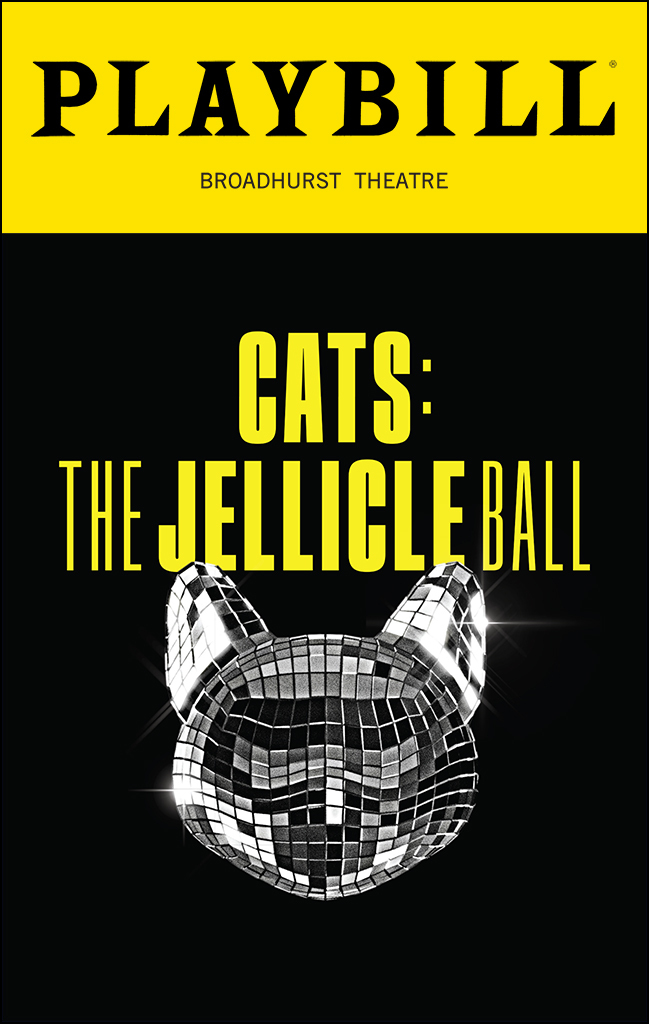
The Jellicle Ball Was Never the Metaphor — It Was the System
By Kyra Greene
There is a tendency, when culture catches up to itself, to call the moment progress.
To say that Cats—and specifically the Jellicle Ball—has become important to queer culture is to misunderstand what is actually happening. The instinct is to frame it as representation. As inclusion. As Broadway finally opening its doors to something that once lived outside of it.
But that reading is too small.
Because the Jellicle Ball does not mirror Ballroom culture. It operates on the same system.
A gathering.
A chosen family.
A ritualized night of performance.
Individuals stepping forward, presenting identity not as fact, but as construction.
A community that sees, judges, affirms, rejects, and ultimately decides who transcends.
That is not influence. That is structure.
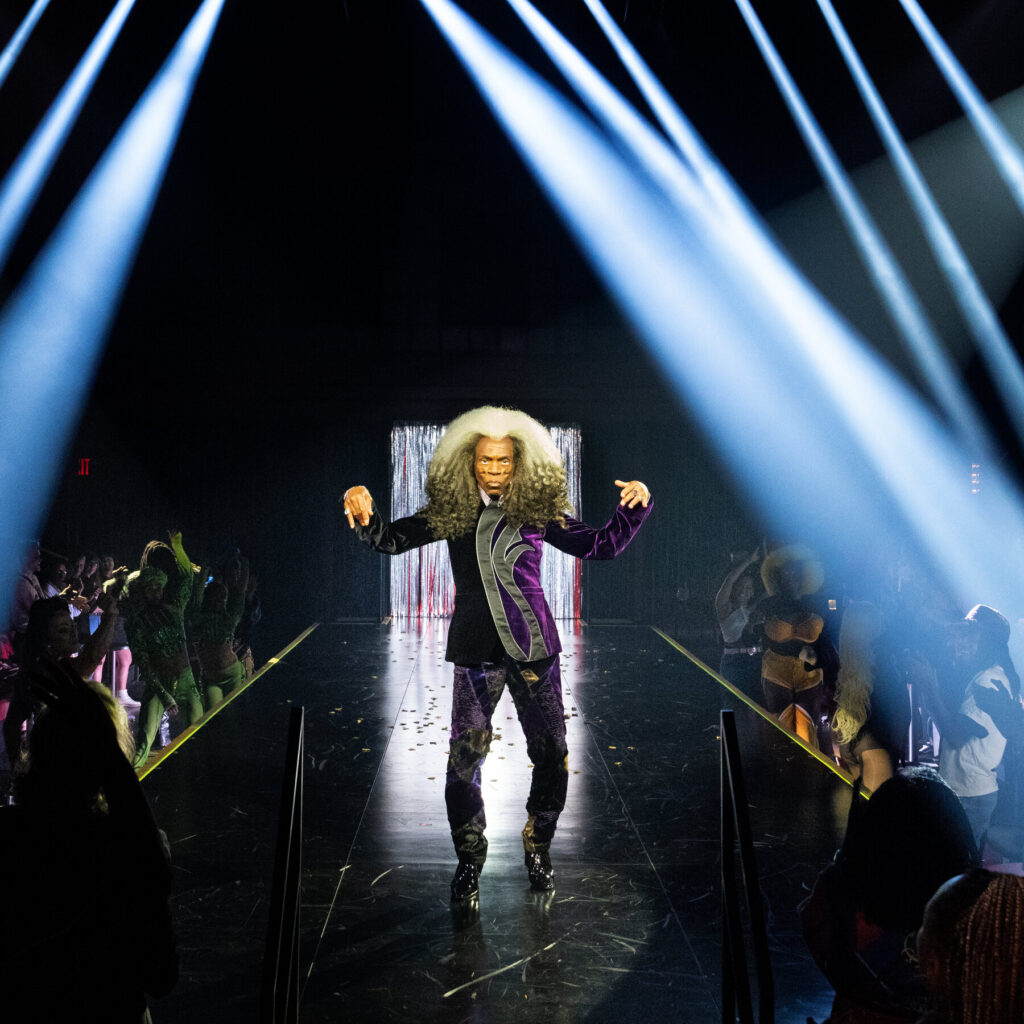
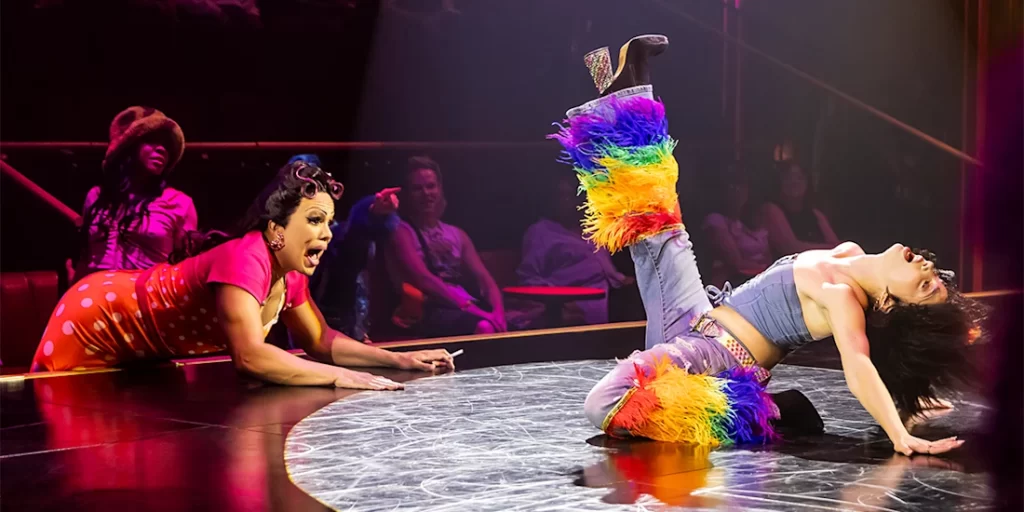
To step into the Jellicle Ball is to understand, physically, what it means to be seen and evaluated at the same time—visibility and judgment collapsing into a single moment, a sensation that has always existed at the core of ballroom.
Long before ballroom was legible to mainstream audiences—before Paris Is Burning translated its language, before Pose gave it narrative form—Cats staged a version of that same ritual on one of the most institutional platforms in the world. Not as documentation, but as spectacle. Not as survival, but as theater.
And that difference matters.
Ballroom was built as infrastructure—for people who needed to construct identity, safety, and belonging in the absence of institutional recognition. It is a system born from necessity. The performance is not decoration. It is function.
The Jellicle Ball, by contrast, was always allowed to be seen. But it was not fully understood.
So what we are witnessing now is not a Broadway show becoming queer. It is a culture developing the literacy to recognize the system it has been watching for decades.
The categories align.
The movement language aligns.
The emotional architecture aligns.
What was once read as abstraction now reads as specificity.
This is why the moment feels charged. Not because something new has been introduced, but because something familiar has finally been named.
There is a deeper tension underneath it.
Authorship versus timing.
Ballroom did not need Broadway to exist. It built its own stage, its own rules, its own hierarchies of value. But Broadway—historically—did not have the language to acknowledge that system without flattening it into aesthetic.
Now, that gap is closing.
Not perfectly. Not cleanly. But visibly.
And when an institution begins to reflect a system it did not originate, the question is no longer whether it is inclusive. The question is whether it understands what it is holding.
Because systems carry weight.
The Jellicle Ball is no longer just a theatrical device. It reads, now, as a cultural mechanism—one that has always existed in parallel to a real-world counterpart that operated without the benefit of stage lights or critical framing.
That parallel is what gives the moment its gravity.
Not visibility alone.
Recognition.
Related Posts
Mugler Unveils Inside the Dream: A Documentary Exploring the French Fashion House’s 50th Anniversary
INSIDE THE DREAM: MUGLER, THE NEW DOCUMENTARY

Jacquemus and Four Seasons Unite for the First Time at The Ocean Club, A Four Seasons Resort, Bahamas
Jacquemus and Four Seasons Unite for the First Time at The Ocean Club

Target Is Rebuilding Its Creative Direction With Isaac Mizrahi
The future of retail may depend as much on creativity as commerce

Steven Bartlett and Authentic Are Building a System to Turn Creators Into Companies
The New Creator Economy Begins After the Follow

The Weeknd and Blue Bottle Debut Two Fresh Ethiopian Single Origin Coffees
The Weeknd continues to expand his collaboration with Australian coffe

SKIMS Designated Official Underwear Sponsor for the NBA, WNBA, and USA Basketball
By DaMarko GianCarlo The National Basketball Association (NBA) and SKI