

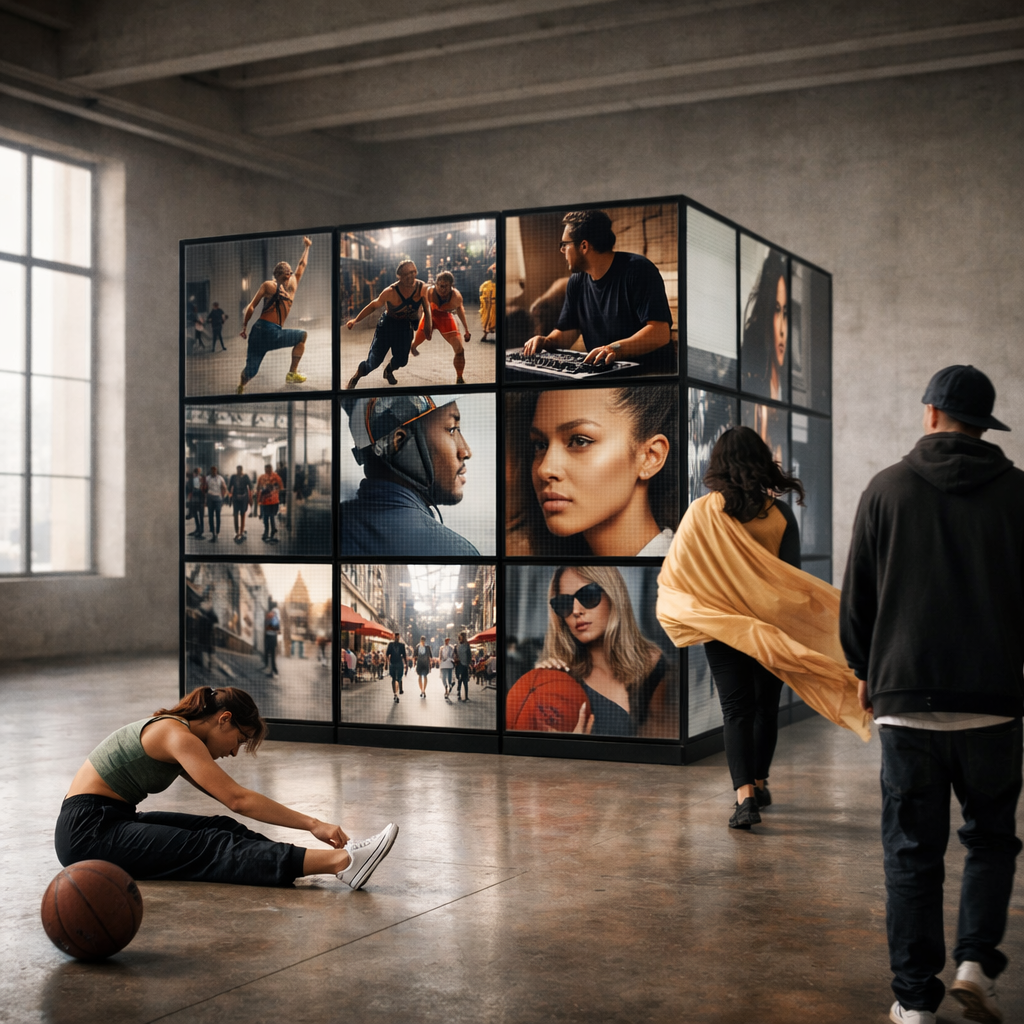
Culture Is No Longer the Target — It’s the Infrastructure Brands Are Trying to Control
By Sandro Limone
There was a time when brands approached culture with a kind of respectful distance. They watched, waited, and when the moment felt right, they stepped in—carefully aligning themselves with whatever felt alive. Music scenes, streetwear movements, local energy. Culture was something you tapped into, not something you tried to hold.
That era is over.
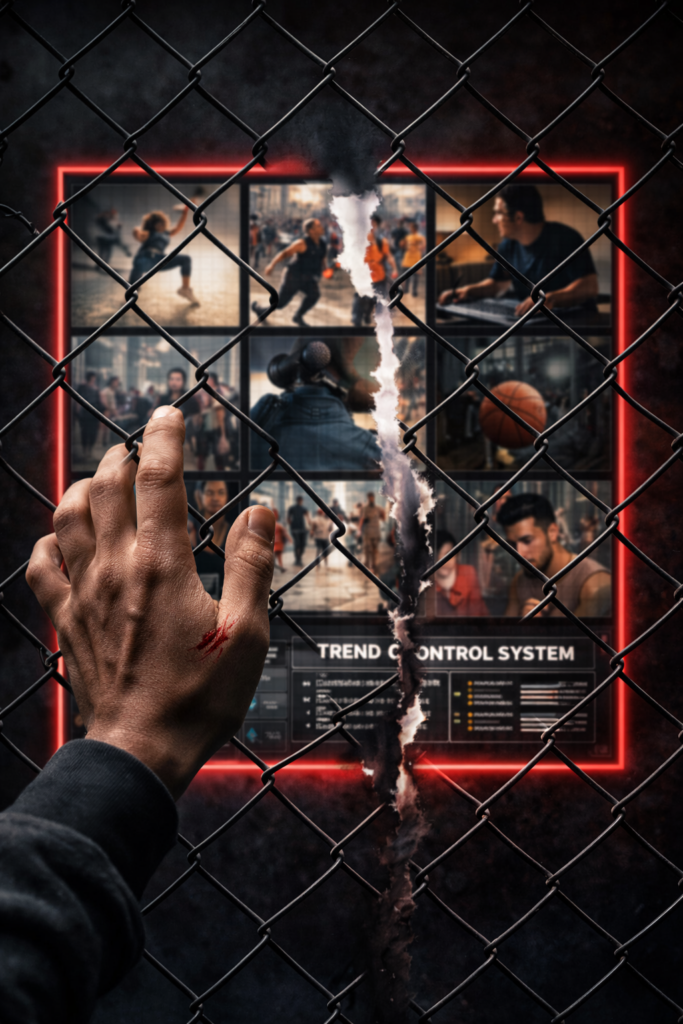
What we are watching now is a shift in posture. Brands are no longer satisfied with proximity. They are no longer content reacting to what already exists. Increasingly, they are building systems designed to sit beneath culture itself—frameworks that don’t just participate in moments, but attempt to organize how those moments are created, distributed, and sustained.
This is the difference between influence and infrastructure.
Influence is fleeting. It belongs to timing, to instinct, to people. Infrastructure is enduring. It is built to last, to scale, to repeat. And what brands have realized—quietly, but with precision—is that if you can position yourself as infrastructure, you don’t have to chase culture anymore. Culture begins to move through you.
You can see it in the language. “Culture-first” has become the dominant narrative across industries, but the phrase itself is a kind of misdirection. It suggests humility, participation, alignment. What it often masks is something far more ambitious: the desire to define the environment in which culture operates.
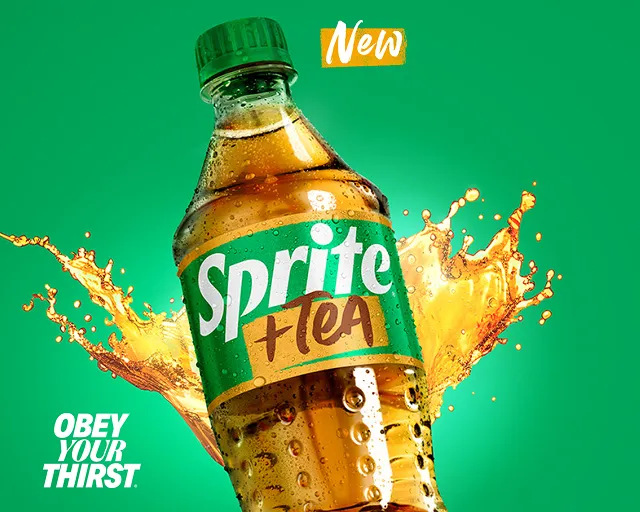
Sprite’s recent global repositioning makes that shift visible in real time. Framed around a unified platform, the brand is aligning itself with music, basketball, fashion, and food—not as isolated touchpoints, but as a coordinated system deployed across markets. The ambition isn’t just to participate in culture, but to establish a consistent definition of what “fresh” means wherever the brand appears.
This is no longer adjacency. It’s architecture.
And that is where the tension begins to surface.
Because culture, in its purest form, has never been stable. It is built on contradiction, on friction, on communities that evolve faster than any centralized system can track. It thrives in pockets, in edges, in places that resist being named too quickly or too cleanly.
Culture only works because it can’t be controlled.
The moment it is, it stops being culture and becomes programming.
This is the line brands are now approaching, whether they acknowledge it or not.
To build infrastructure around culture is to believe that something inherently fluid can be shaped into something repeatable. That meaning can be maintained at scale. That authenticity can survive coordination. It is a belief rooted in systems thinking—clean, efficient, global.
But culture does not behave like a system. It behaves like weather.
It shifts without permission. It rejects what feels imposed. It moves toward what feels real, even if that reality is messy or undefined. And the more tightly it is structured, the faster it looks for exits.
This is not to say brands will fail in this pursuit. In many ways, they are already succeeding. They have resources, distribution, and the ability to amplify signals at a level culture alone cannot. They can create gravitational pull. They can build ecosystems that feel, at least temporarily, like the center.
But there is a difference between hosting culture and holding it.
The next phase of brand power will not be determined by who participates the loudest, or even who builds the most sophisticated systems. It will be determined by who understands the limits of control—who knows how to create space without closing it, how to support movement without freezing it in place.
Because the paradox is unavoidable:
The more a brand tries to control culture, the more it risks draining the very energy it is trying to harness.
And in that moment, what remains may still look like culture—but it will behave like programming. Predictable. Repeatable. And ultimately, forgettable.
Related Posts

LeBron James Is Building His Next Audience Before Basketball Ends
The audience is learning to follow him somewhere new
Deadpool Crashes Gotham: Marvel & DC Unleash a Wild Crossover Decades in the Making
The Bat, The Merc, and the Multiverse
The Best of Bourbon: ‘The Best Man’ Stars Craft Sable, Celebrating Brotherhood in Every Sip
Artists Behind "The Best Man" Introduce Sable
Mugler Unveils Inside the Dream: A Documentary Exploring the French Fashion House’s 50th Anniversary
INSIDE THE DREAM: MUGLER, THE NEW DOCUMENTARY
Sippin’ the Culture: Sprite + Tea Hits Shelves with Hip-Hop Swing
By Benjamin Webster Sprite is brewing something fresh for summer with

Zibby Allen: Acting in the Space Between Feeling and Form
Performing the Unspoken