

The Uberization of the Camera
By Zayne Trule
For most of the modern media era, photography functioned like a commission. A publication or brand identified a moment worth documenting, assembled a photographer and small production team, and produced images that would circulate through magazines, campaigns, and cultural memory. The process had friction, planning, and intention. Even in the digital era, the structure largely held: photography remained an assignment.
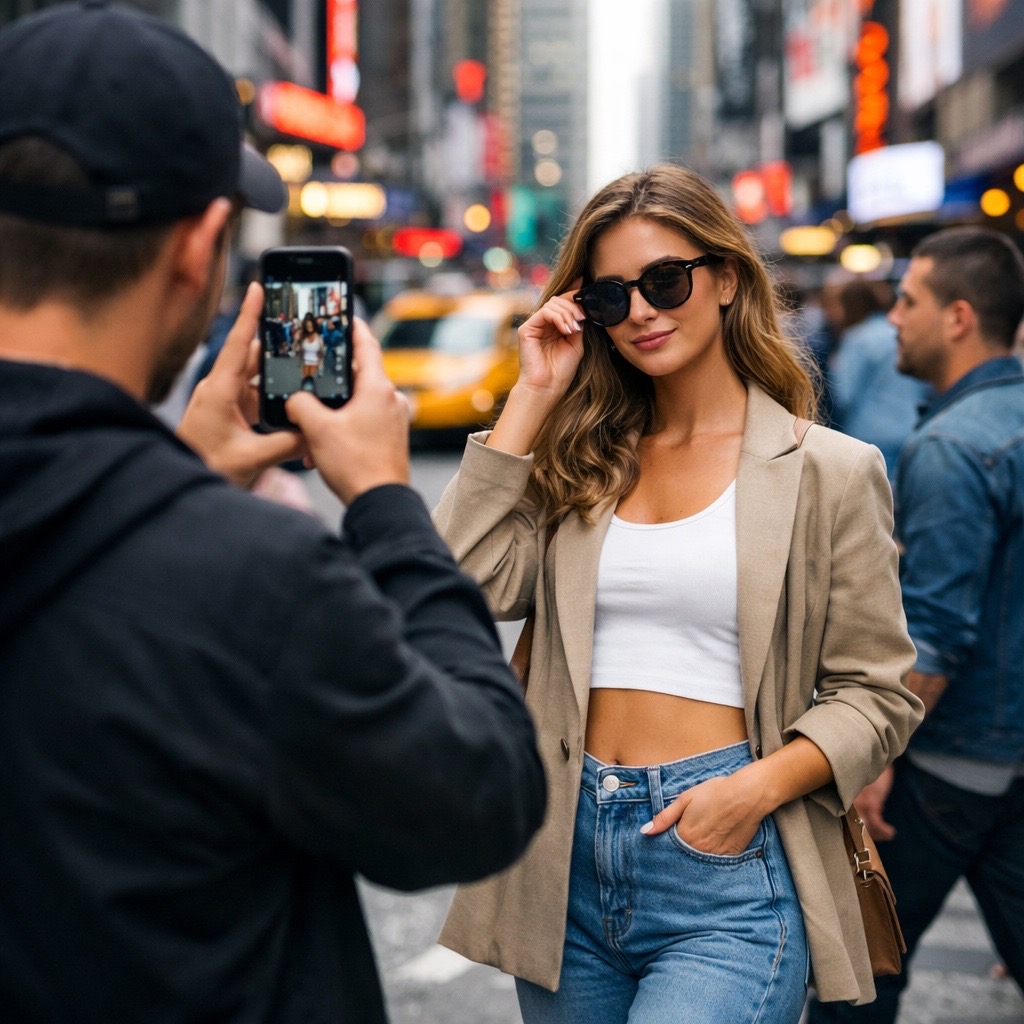
But a new class of platforms is beginning to reframe the act of image-making entirely. Apps like Social Agent allow users to summon a photographer the same way they might summon a ride through Uber. Within minutes, a nearby creator can arrive, capture photos or video, and deliver content optimized for social platforms. The premise is simple: if the modern internet requires constant visual output, production must become instant.
What these platforms are really doing is translating the logic of the gig economy into the visual culture industry. Just as transportation, food delivery, and hospitality were reorganized into on-demand services by companies like Uber, DoorDash, and Airbnb, photography is being recoded as a utility. Instead of commissioning an image, users request a creator. The camera becomes less a craft instrument and more a node in a distributed network of content production.
The timing of this shift is not accidental. Social media platforms now reward velocity as much as originality. Brands, influencers, restaurants, musicians, and even small businesses operate in a perpetual demand cycle where visual content must appear daily to remain visible within algorithmic feeds. Under those conditions, the traditional production cycle—concept, schedule, shoot, edit, publish—begins to feel slow. On-demand creator networks promise to compress that cycle into hours.
In that sense, apps like Social Agent are not merely tools for hiring photographers. They are early infrastructure for a new production model where visual culture is generated continuously and locally. Instead of flying a photographer across the country for a campaign, the platform simply deploys whoever is geographically closest to the moment. The logic mirrors other gig-economy services: proximity, speed, and availability become the governing metrics.
Yet the rise of this infrastructure also clarifies an important divide inside the photography industry itself. On-demand creator networks thrive in environments where the image functions primarily as content—something designed to be consumed quickly, shared rapidly, and replaced tomorrow. Restaurants need images for tonight’s special. Influencers need clips for tomorrow’s reel. Brands need a steady drip of posts to feed the algorithm.
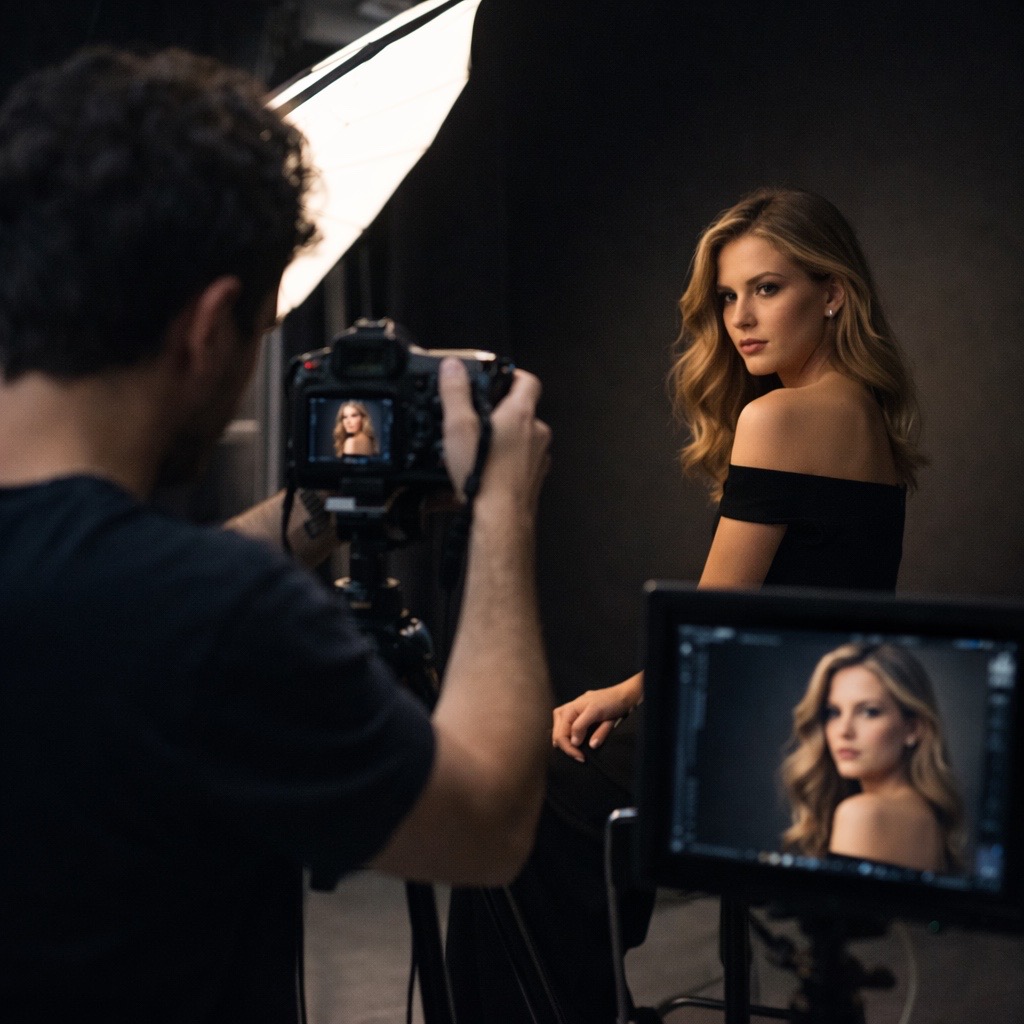
Editorial photography operates differently. Its purpose is not simply to produce content but to create authorship. Magazine portraits, campaign images, and documentary work are designed to outlive the moment that produced them. They rely on the photographer’s point of view, lighting decisions, composition, and emotional interpretation of the subject. That kind of image cannot be summoned as easily as a car ride, because its value lies precisely in the intentionality of its creation.
What platforms like Social Agent ultimately reveal is that the photography economy is splitting into two parallel systems. One system treats images as infrastructure—fast, distributed, and optimized for the endless appetite of social feeds. The other treats images as cultural artifacts—authored, considered, and built to endure beyond the algorithmic moment.
Both systems will continue to grow, but they answer different needs. Infrastructure photography feeds the present. Author photography shapes how the present will eventually be remembered.
The arrival of on-demand creator networks therefore marks a subtle but significant milestone in the evolution of media production. For the first time, the act of image-making is beginning to resemble a utility service: something that can be requested, delivered, and replaced at the speed of the internet itself.
The camera, once the instrument of a single photographer’s perspective, is quietly becoming part of a larger network. And in that networked system, culture is not simply documented—it is produced continuously, everywhere, and on demand.
Related Posts
RZA Enters Hollywood’s Next Chamber
From Shaolin to the Silver Screen

Resident Evil™ 2 Returns on December 10, 2024, for Apple’s Latest Devices
Resident Evil™ 2 Reawakens for Apple Devices.
Why Art Basel’s Parent Company, MCH Group, Is Investing in Jupiter Festival
The next chapter of media begins with who gathers in the room
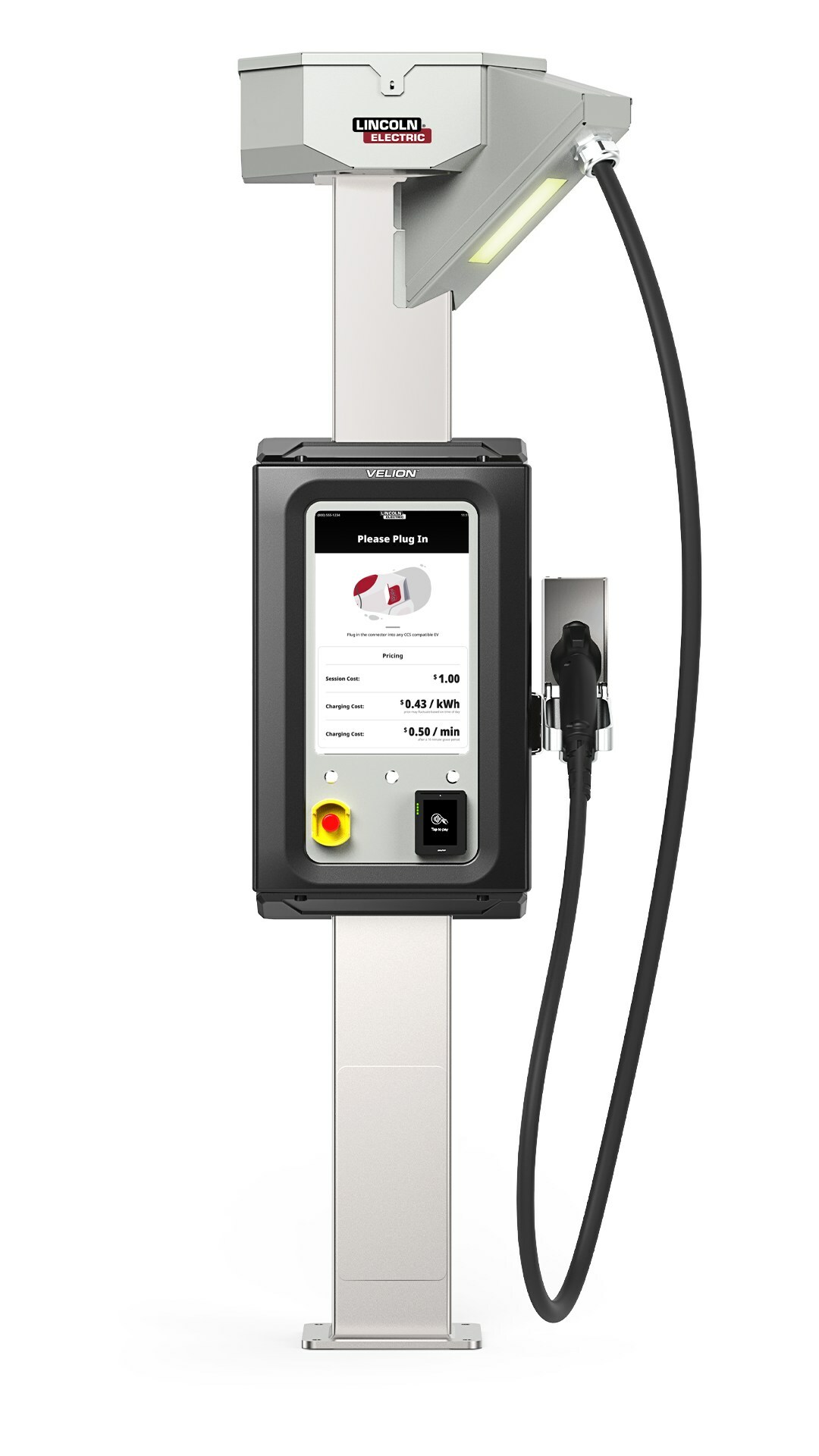
Lincoln Electric Introduces Velion™ DC Fast Charger, Setting New Standards for Electric Vehicle Charging
Lincoln Electric Holdings, Inc. unveils the Velion™ DC Fast Charger
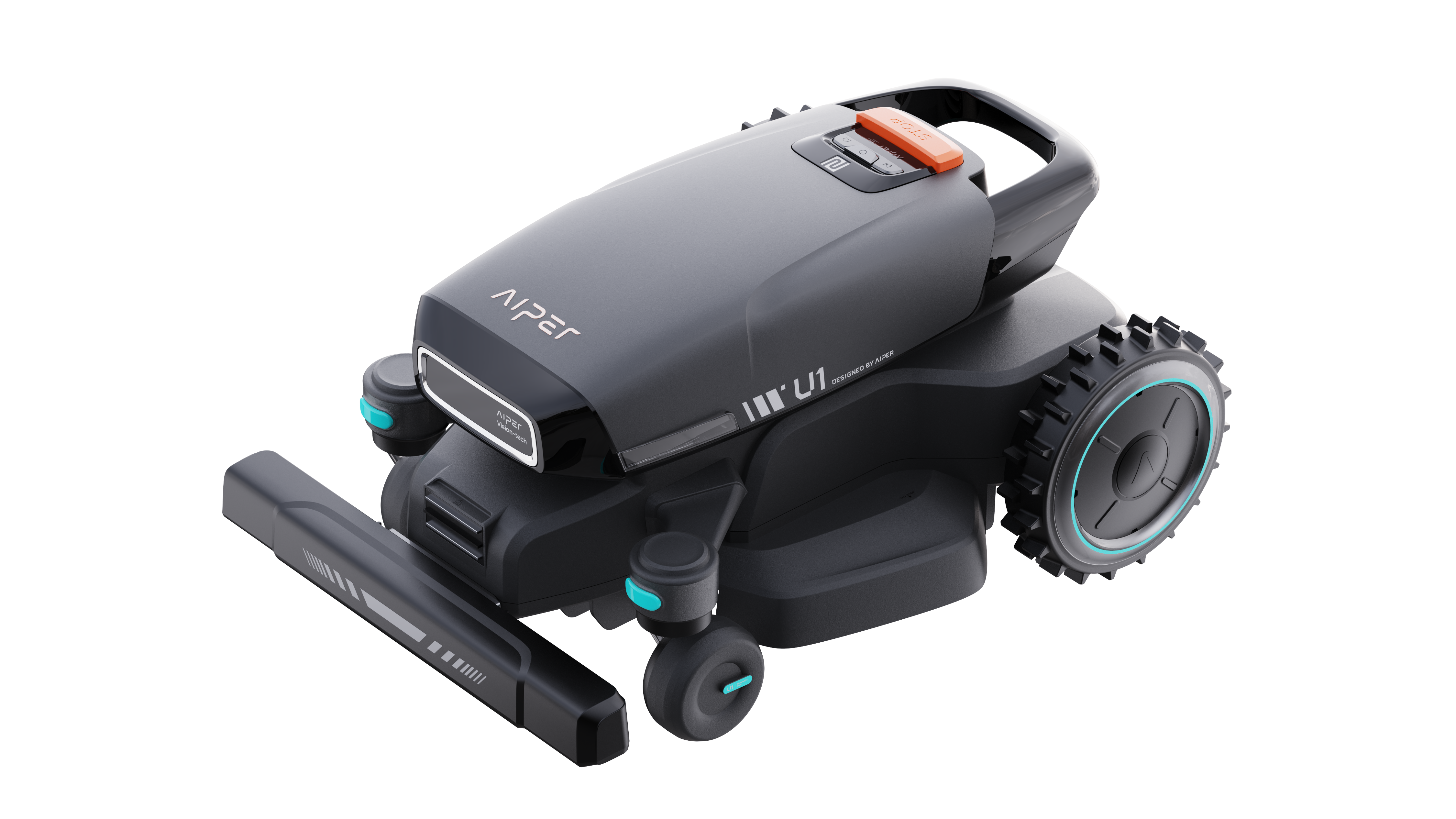
Aiper Transforms the Landscape of Smart Yard Solutions with the Introduction of its Inaugural Robotic Lawn Mower at ces 2024
Aiper a prominent player in smart-yard robotic solutions.
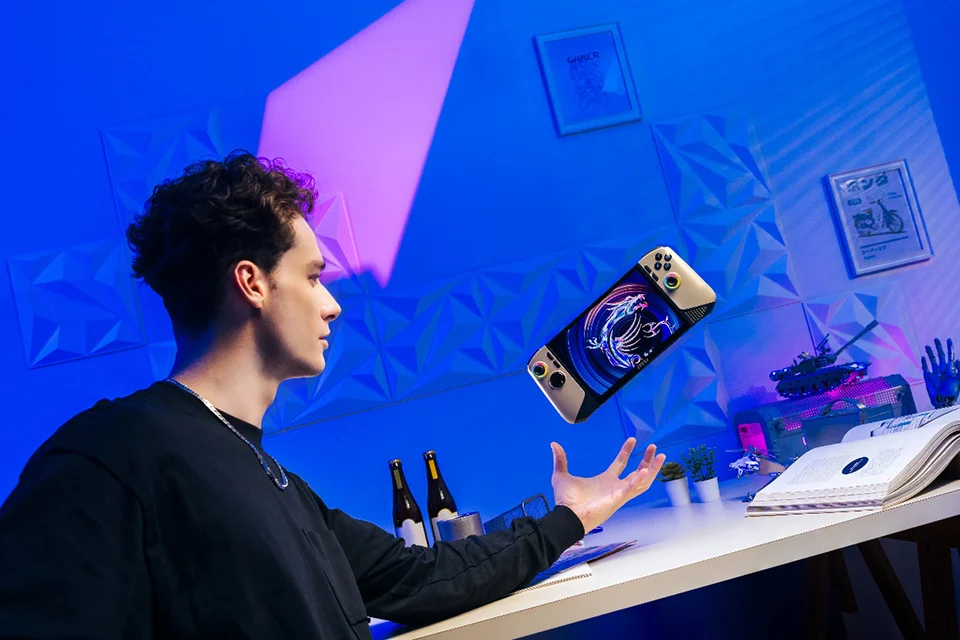
MSI Claw 8 AI: Redefining Portable Computing with Power and Precision
A New Era of Efficiency: Intel® Core™ Ultra 7 Processor.