

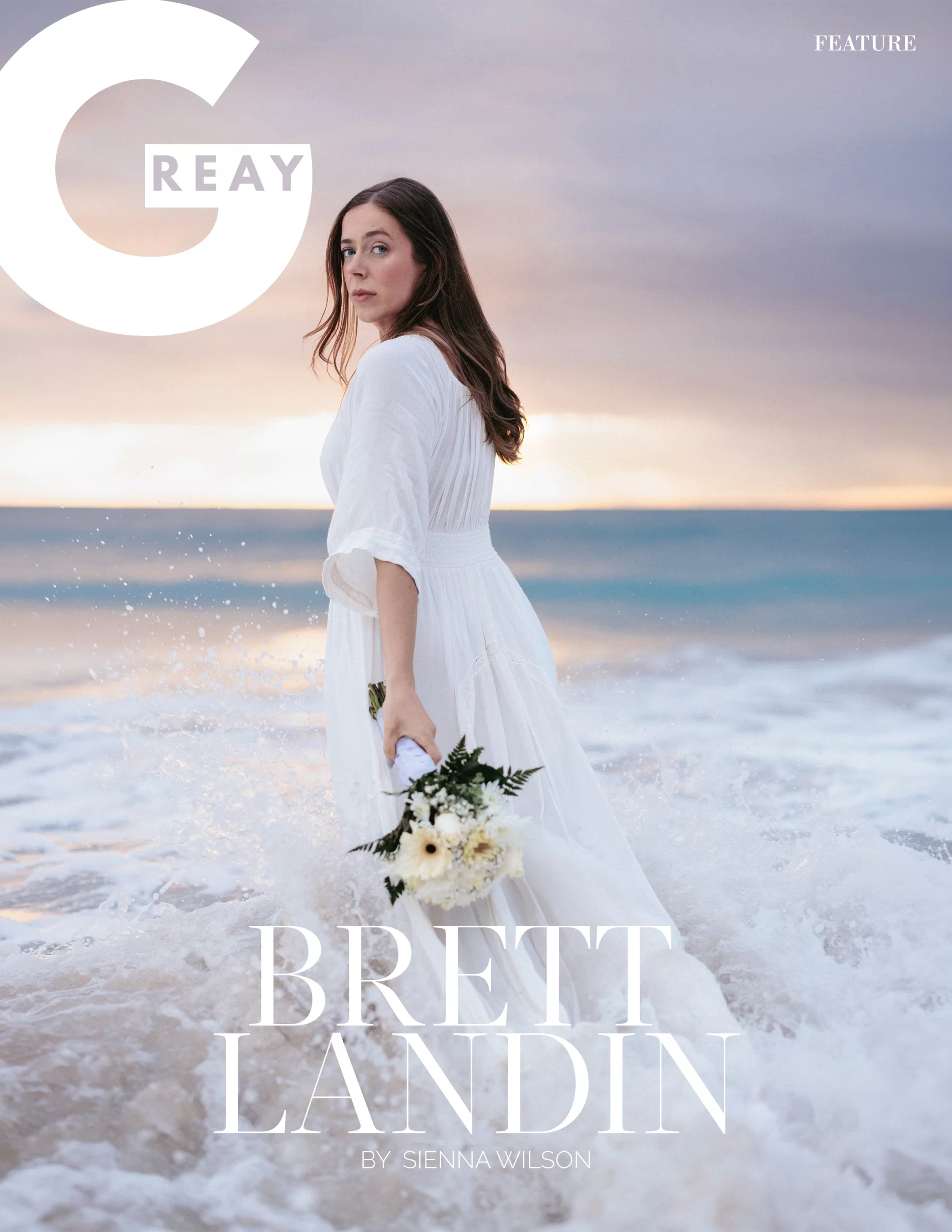
Brett Landin The Company We Keep, The People We Outgrow
By Kyra Greene
The release of Maid of Honor does not announce itself with spectacle. It arrives quieter than that — like a door reopening to a room you thought you’d already left. In this GREAY conversation, Brett Landin speaks less about release strategy and more about emotional sequencing: the friendships that fall away without explosion, the grief that lingers without villain, the discipline of contributing to country music rather than preserving it. What emerges is an artist uninterested in velocity and deeply committed to coherence — someone writing not against a genre, but toward emotional specificity, toward durability, toward the long arc of becoming.
Maid of Honor feels less like a release and more like a moment of reckoning. What personal or emotional line did you have to cross to write this song honestly — and what did you refuse to soften, even if it made the record harder to sit with? The emotional line I had to cross was admitting that not all relationships are meant to grow with you — even the ones you were certain would.
Maid of Honor came from realizing that some of the people I thought would stand beside me in life’s pivotal moments simply aren’t there anymore. And that’s not always because of some dramatic fallout. Sometimes it’s distance. Sometimes it’s growth. Sometimes it’s timing.
In your mid-twenties, you start to feel that shift more clearly. Making new friends is hard. Maintaining friendships with people you may have quietly outgrown can be even harder. There’s grief in both.
What I refused to soften was that grief — and the insecurity that comes with it. The question of, “Was it me?” The discomfort of recognizing that you can love someone deeply and still no longer fit into each other’s lives.
But the song isn’t only about loss. It’s also about the quiet beauty of new faces becoming meaningful. Of realizing that someone you’ve known for a short time can show up in ways that feel foundational. Growing up doesn’t always mean growing apart — sometimes it means growing toward different people.
This song reflects exactly where I am. It’s less about blame and more about transition. And I didn’t want to resolve it neatly, because in real life, it doesn’t resolve neatly.
Country music is often treated as heritage. When did you realize you weren’t trying to preserve the genre, but move inside it? I grew up loving country music because it told the truth. It told stories that meant something and allowed people to feel represented in their experiences — not because it followed unspoken rules about what is or isn’t “allowed” to be country.
That essence can sometimes get lost in today’s soundscape. That’s why I stay aligned with what matters to me: authentic, welcoming, honest storytelling that makes people feel a sense of belonging and safety within the music.
At some point, I realized I wasn’t interested in recreating a sound. I was interested in participating in the lineage of storytelling. Moving inside the genre means respecting its roots and the cultures that shaped it, while allowing my lived experience to inform how it sounds now.
I don’t feel responsible for preserving country music. I feel responsible for contributing to it honestly.
Your songwriting prioritizes narrative over noise. In an era that rewards scale, what made you choose durability instead? I don’t know that it ever felt like a strategic choice as much as an instinctual one. Story is what made me fall in love with music in the first place. The songs that stayed with me weren’t always the loudest or the biggest — they were the ones that felt like someone had put language to something I hadn’t been able to articulate yet. That’s what I’m always seeking to create.
We’re in a moment where scale is visible. Numbers are visible. Virality is visible. But durability is quieter. It shows up years later when someone says, “I still come back to this song.” That matters more to me than a spike.
I think I’ve always been more interested in writing something that can age well — something rooted enough to still feel true when the trend cycle has moved on. If a song can sit beside someone in different seasons of their life and still resonate, that feels like real success to me.
I’m not against growth or reach — I just don’t want to sacrifice depth for it. I’d rather build slowly and honestly than quickly and forgettably.
Much of modern country is engineered for radio velocity. Who or what are you writing against when you sit down with a song? I’m not writing against anyone as much as I’m writing toward something.
Toward emotional specificity. Toward lived detail. Toward quiet truths that don’t always fit neatly into three obvious hooks. I’m drawn to the moments that feel small but carry weight — the ones that linger.
Some feelings aren’t immediate. Some take time to understand, and even longer to admit. I want the song to unfold the way real emotion does — gradually and without rushing the listener toward a conclusion.
Independence is often framed as limitation. For you, how has it functioned as creative control? From the outside, independence can look like limitation — fewer resources, slower growth. In some ways, that’s true. But for me, in this season, it means alignment.
Every decision — who I write with, how a song is produced, when it’s released — is rooted in intention rather than urgency. There’s no pressure to chase a sound that isn’t mine or dilute a lyric to make it more marketable.
It’s also allowed me to build my team deliberately. The collaborators I work with believe in the stories, not just the metrics. That changes the energy in the room.
Independence doesn’t mean isolation. It means choosing the direction. And that autonomy has allowed the music to remain honest — even if the path isn’t always the fastest.
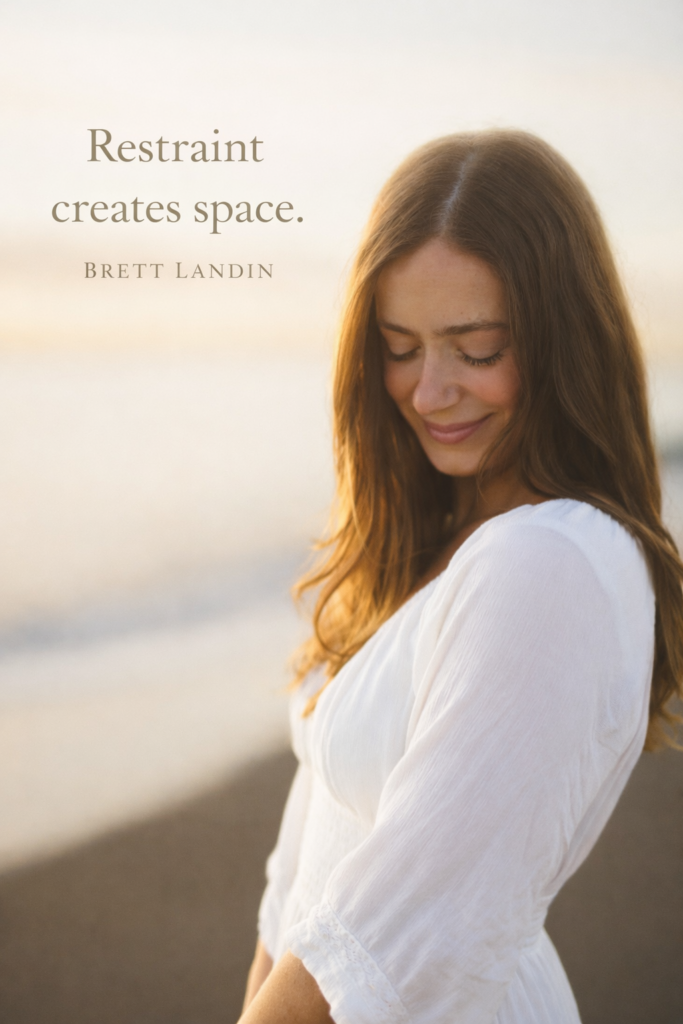
There is restraint in your work, emotionally and sonically. What do you believe restraint allows a listener to feel that maximalism does not? I think restraint creates space.
When everything is pushed to the edge emotionally or sonically, the listener is told exactly what to feel and when to feel it. There’s less room to enter the song on their own terms.
Restraint allows tension to exist. It lets a lyric sit without immediately resolving it. It allows silence to do some of the work. Especially on this project, I wanted listeners to place themselves within the stories rather than feel like outsiders observing them.
When something isn’t over-delivered, the listener has to lean in. They participate. They bring their own history and interpretation into it.
Maximalism can be powerful. But restraint feels intimate. It trusts the listener — and that trust creates deeper connection.
Country music has always been rooted in labor, geography, and consequence. What parts of your own experience feel non-negotiable in your writing?
I can understand why people describe country music as rooted in labor, geography, and consequence — historically, that has been true. But I also think that framing can feel dated, and at times isolating or divisive, as if the genre is only valid within a narrow scope of lived experience.
For me, what’s non-negotiable is emotional transparency.
Place has shaped me. Texas is part of me. So are California and New York and everywhere I have traveled. The contrast of experience without a doubt informs how I write. But geography alone doesn’t define something as “country music.” What feels essential in the genre is that something is at stake.
I’m not interested in writing songs where nothing changes. The shifts are what matter to me — who grows with you, who falls away, what you discover about yourself in the process. Navigating identity, transition, and evolving relationships are experiences I return to because they remain real and unresolved.
That’s the throughline in this project. The interior landscapes — attachment, loss, growth, becoming — feel more defining than any external marker.
When someone encounters my work, I hope they don’t feel they need a specific background to belong in it. I hope they recognize something lived and honest.
Visibility can arrive before understanding. How do you recognize the difference between being heard and being understood?
Being heard is someone streaming the song. Being understood is someone saying, “I thought I was the only one.”
Understanding shows up in the messages that reference a specific lyric. It shows up in quiet conversations after shows. It’s slower. Deeper, and something that I really value in a fundamental way. Visibility is external and often one-sided. To me, creating this music is giving people the permission to relate to the songs and to me, and I welcome them in that. Understanding is relational.
Do you think the current music ecosystem asks artists to explain themselves too quickly? How do you protect space for ambiguity? There is pressure now to explain everything immediately — especially online. To summarize the meaning, define the backstory, package the emotion neatly.
You see it constantly — people demanding insight into every facet of someone’s identity, as if proximity through social media entitles them to total access. There’s an expectation that if you share your art, you owe a full emotional breakdown of it.
But art doesn’t need to be that neatly packaged.
A song can mean one thing when you write it and something entirely different to the person listening. That’s part of the magic. If I over-explain it, I risk shrinking it.
I’ll share where it came from, but I won’t close the door on what it might mean to someone else. Ambiguity isn’t vagueness — it’s invitation.
When you imagine the long arc of your career, what feels more important: recognition or coherence, and why? Coherence. 1000%.
Recognition can be loud and temporary. Coherence means that ten years from now, the work still makes sense together. That the thread is visible. That the values are consistent. That people know what I stood for and what I valued as an artist.
I want someone to look back and see a body of work that feels intentional, rooted, and emotionally honest — not scattered by trend.
For me, this has never been about anything other than a promise: to be vulnerable, to share stories, and to create space. What a privilege it is to get to do that.
If someone encountered your music ten years from now, removed from this moment, what do you hope they would understand about the world you were writing from? I hope they would understand that this was a season of becoming.
That I was writing from a place of growth — friendships changing, identity expanding, geography shifting. That I cared deeply about storytelling and about connection. That I wasn’t chasing noise; I was chasing meaning.
Even in uncertainty, there was warmth. Even in hurt and fragmented memories, there was movement toward healing.
That’s the world this music comes from — one where things change, but connection still matters.
If Maid of Honor feels like a reckoning, it is not because Brett Landin dramatizes loss. It is because she refuses to resolve it prematurely. What she protects — through restraint, independence, and refusal to over-explain — is the space where listeners insert their own unfinished stories. In a cultural moment that rewards acceleration and exposure, Landin builds slowly, choosing coherence over recognition and intimacy over scale. Ten years from now, removed from this cycle and this moment, the work will still read clearly: this was a season of transition, and she did not flinch from it.
Photography By Sienna Wilson @bysiennawilson
Related Posts

FanDuel’s “Kick of Destiny 3” Brings Peyton and Eli Manning Head-to-Head in a Super Bowl Sunday Showdown
Peyton and Eli Manning Head-to-Head Super Bowl Sunday
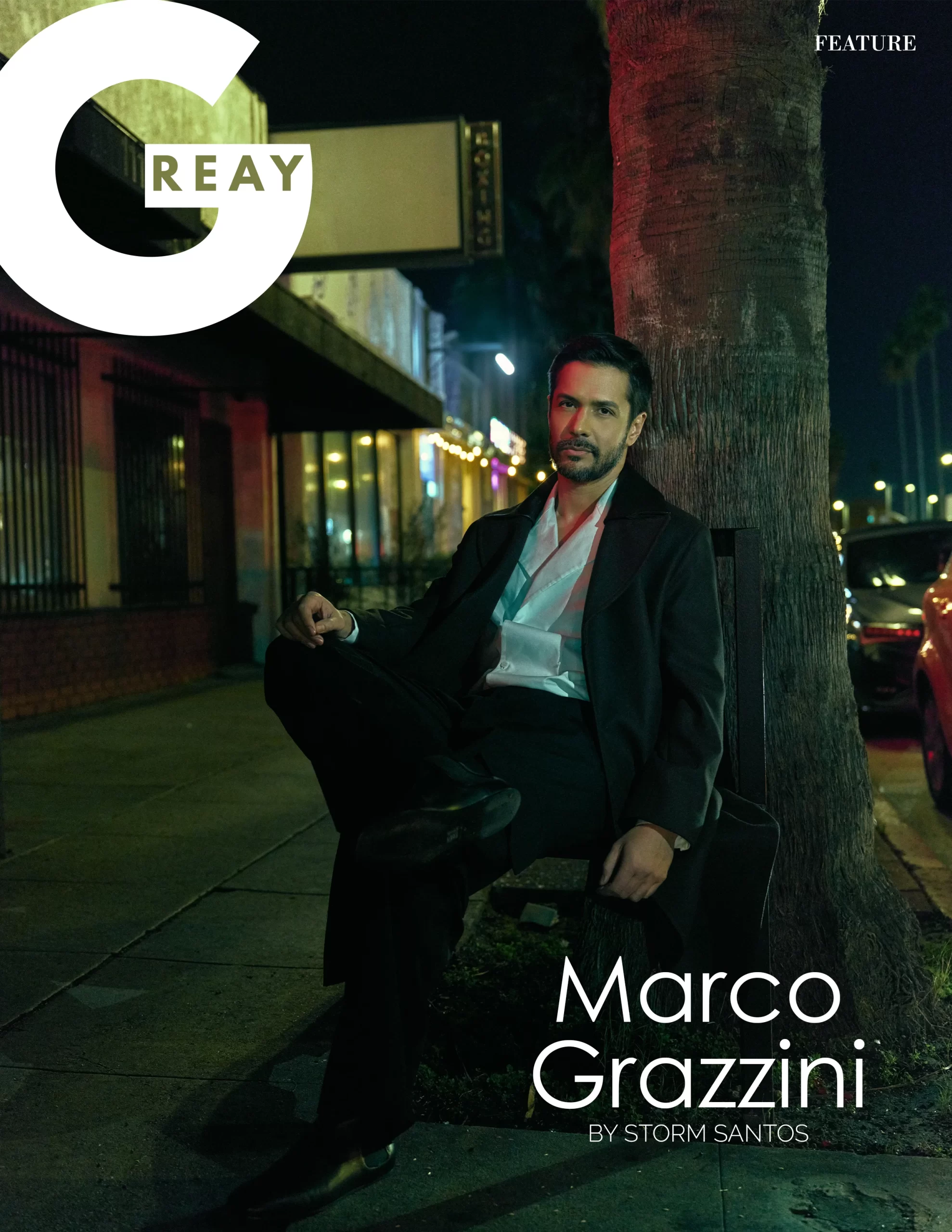
Marco Grazzini: The Discipline of Restraint
Behavior, Not Speeches
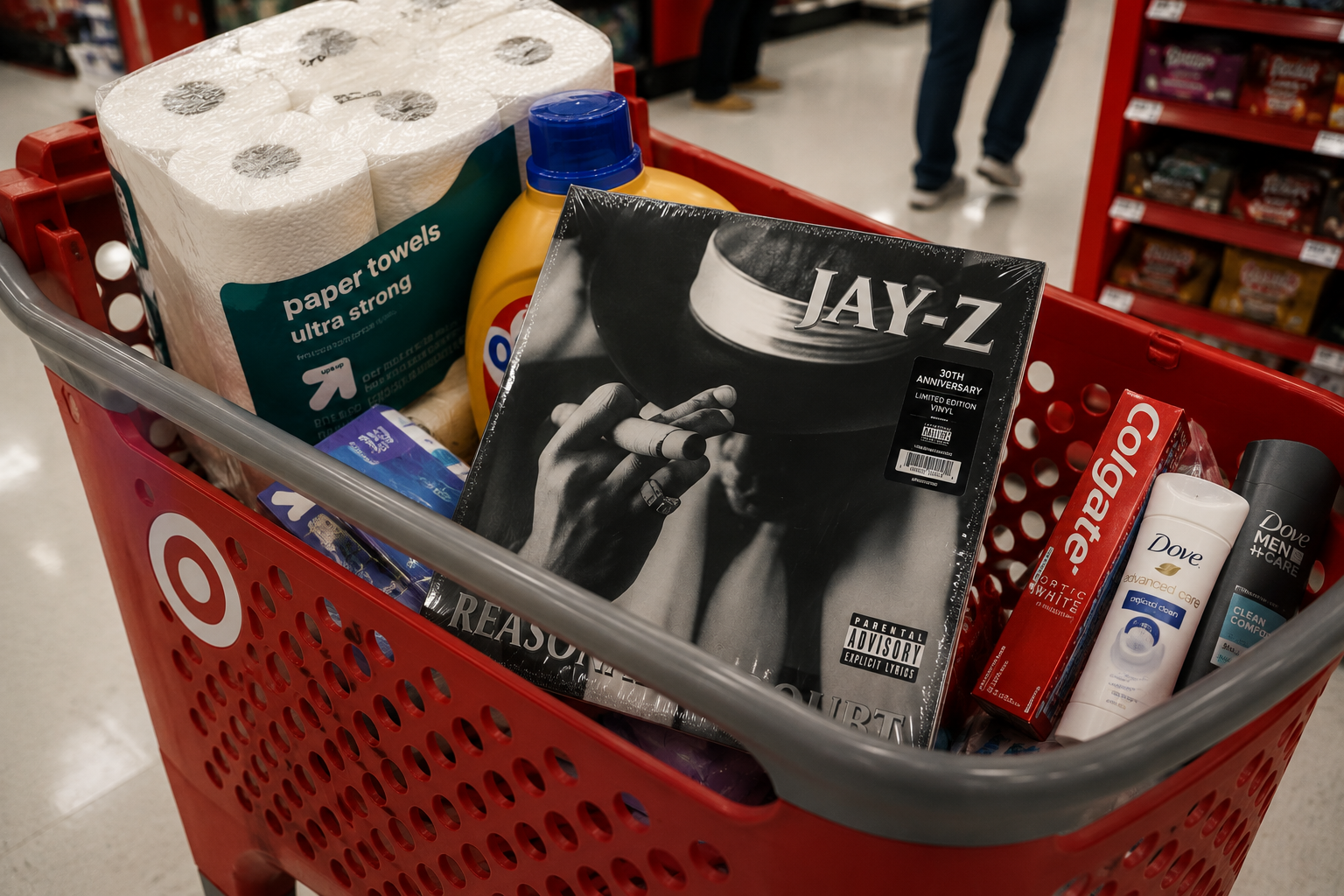
Thirty Years Later, Target Is Preserving the Legacy of Jay-Z’s Reasonable Doubt
From Independent Release to National Retail

Gridiron Greatness Meets Lifestyle Legacy—Josh Allen’s Stylish Leap to New Balance
From Firebaugh to Footwear
Bad Bunny and the End of Cultural Permission
Authority Travels Differently Now
Travis Scott’s Paramount Deal Shows Hollywood Is Expanding Where Intellectual Property Begins
The business of building creative worlds