

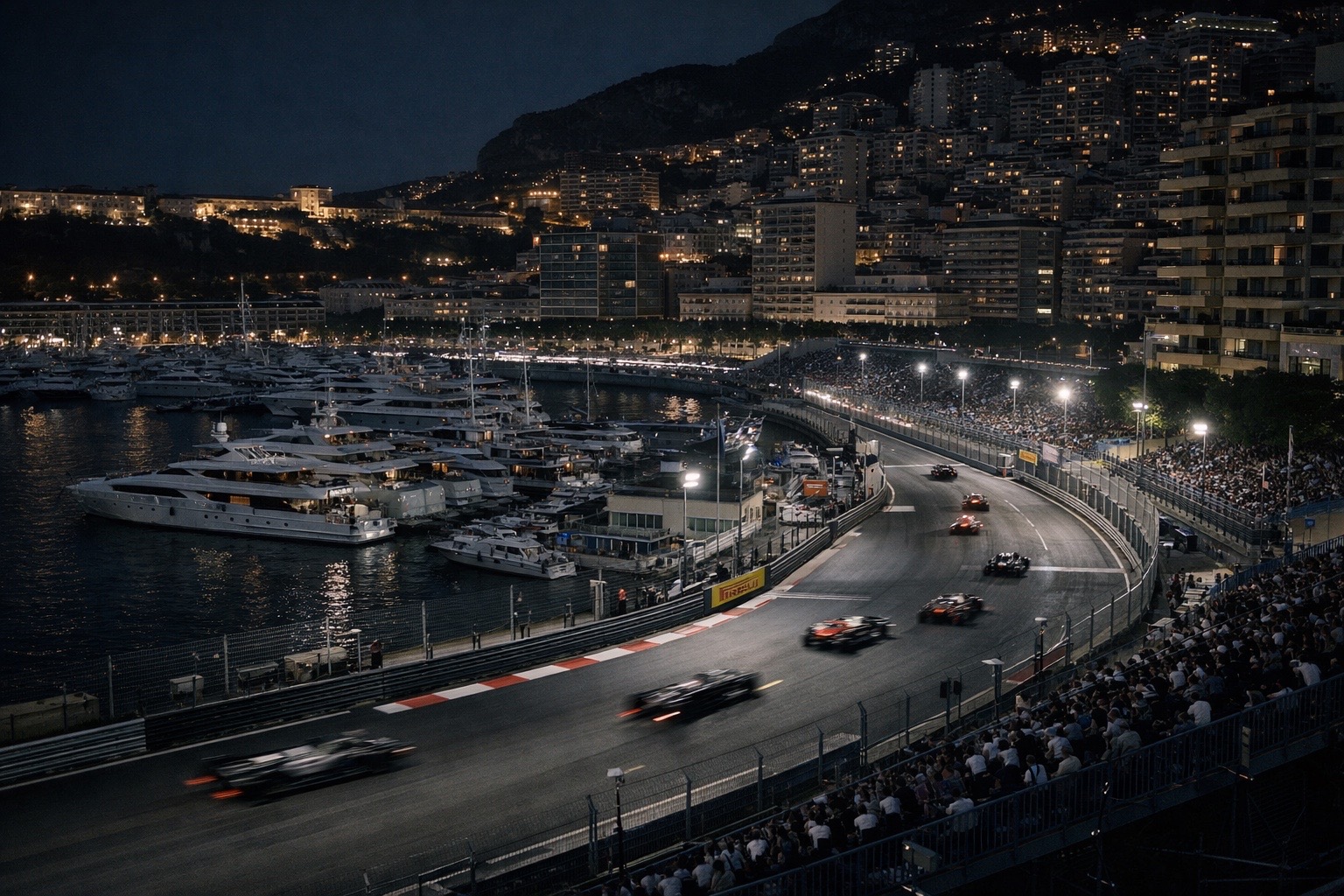
Apple Just Turned Formula 1 Into Event Cinema
By Jerico Myers
The living room is no longer enough.
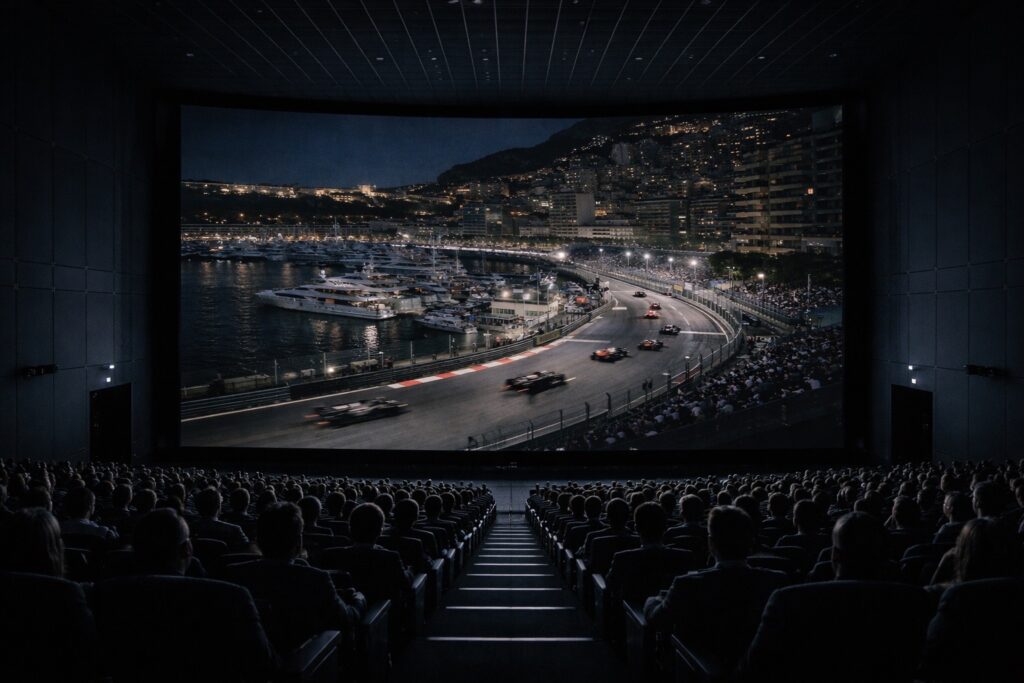
In 2026, Apple TV+ will bring select Formula 1 races into IMAX theaters across the United States — live. Not delayed. Not repackaged. Not prestige-edited after the fact. Live engines, live overtakes, live tension, projected across seventy feet of calibrated spectacle.
On the surface, this reads like a clever distribution experiment. In reality, it is a reframing of ritual.
For a decade, streaming taught audiences that intimacy was power. Prestige collapsed into the living room. The cinematic became personal. The spectacle became portable. Entire award seasons were flattened into couches and coffee tables. The value proposition was convenience — access anywhere, instantly.
Apple is now testing the inverse proposition: what happens when you re-escalate scale?
When you take a sport engineered for velocity, gloss, and architectural environments and place it inside a theatrical room designed for immersion, you are not simply enlarging the image. You are reintroducing ceremony. An IMAX theater is built for collective sensation. Engines don’t hum; they reverberate. A final-lap pass is no longer a quiet living room moment — it becomes a synchronized intake of breath across hundreds of bodies.
That shift matters. Because this is not about racing. It is about experience hierarchy.
Apple Inc. does not need to own theaters to influence theatrical culture. It owns the feed. It owns the subscription gateway. It owns the hardware ecosystem through which most viewers will discover the event. By partnering with IMAX rather than acquiring exhibition outright, Apple demonstrates a more modern form of control: ecosystem orchestration instead of asset accumulation.
The move is quietly strategic. Premiumization is the throughline. The standard stream is still available at home. But the IMAX room introduces a tier. It transforms passive viewing into ticketed attendance. It creates a reason to leave the house for something that has lived comfortably inside it.
In that sense, Formula 1 is the perfect vehicle. The sport has always operated adjacent to cinema. Night races glow like production design. Monaco looks staged. Silverstone carries heritage gravitas. The paddock already flirts with fashion, celebrity, and luxury hospitality. Formula 1 is engineered spectacle. Apple simply recognized that the sport’s scale was underutilized inside a 55-inch frame.
Bringing F1 into IMAX does something subtle: it restores awe. In a culture saturated with content, awe has become rare. Screens have miniaturized the extraordinary into scrollable fragments. By repositioning a live race as event cinema, Apple reintroduces magnitude. It recalibrates perception.
It is also a data play. Theater attendance is measurable. Premium ticketing layers new revenue behavior onto an existing subscription funnel. But beyond metrics, this signals a broader migration happening in entertainment. Content moved downstream to devices; now experience is moving upstream to spaces.
Streaming disrupted theaters. Now streaming is experimenting with them.
This is not nostalgia for the old studio system. It is not Apple trying to cosplay as a traditional distributor. It is something more precise: experiential expansion. The company is expanding presence. It is testing whether communal spectacle can coexist with — and even enhance — subscription culture.
If successful, the implications stretch beyond racing. Live finales. Global concerts. Awards broadcasts. Product unveilings. Political moments. The architecture of distribution becomes fluid. The room becomes part of the product.
The most important detail here is tone. Apple is not branding this as revolutionary. There is no cinematic manifesto. No grand cultural declaration. The move is quiet. Controlled. Iterative. That is often how power signals operate.
Formula 1 in IMAX is not a stunt. It is a probe.
Can tech stage scale without abandoning intimacy? Can streaming command physical rooms after teaching audiences they do not need them? Can premium spectacle reassert itself inside a convenience-driven era?
By turning a race into event cinema, Apple reframes the act of watching as participation. It reminds us that certain moments are designed to be felt at amplitude.
The race is still on the track. But the real acceleration is happening in distribution.
And in a culture that has grown accustomed to experiencing everything alone, the return of communal awe may be the boldest move of all.
Related Posts
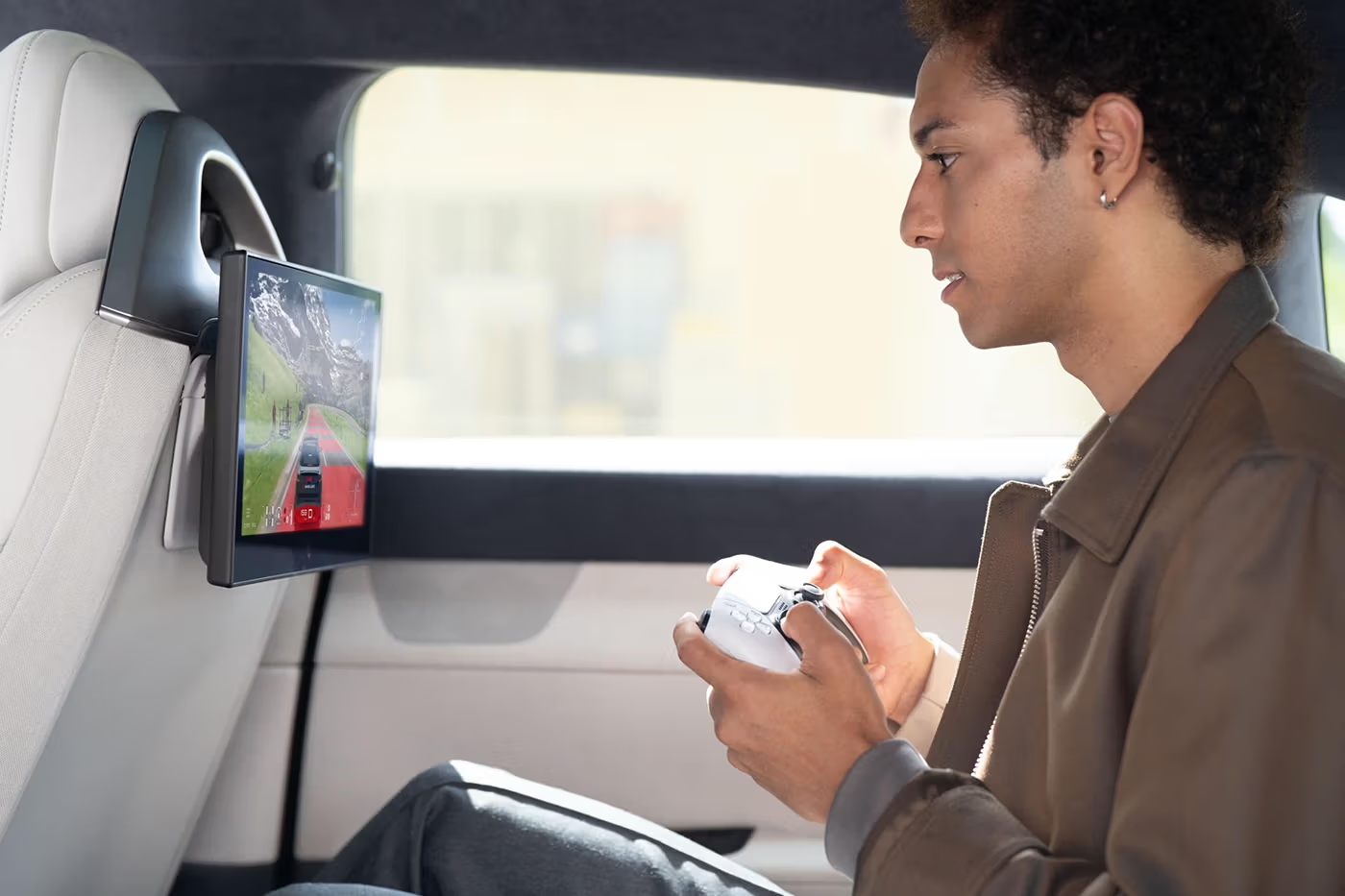
When the Drive Becomes the Console: AFEELA Reimagines PlayStation on the Road
AFEELA Turns Downtime Into Playtime

Audigo Unveils Wireless Mobile Studio with Multi-Microphone Recording Capability
By DaMarko Webster Audigo, the innovator behind the compact, wireless

Opera GX Browser AI Receives Major Feature Upgrade
Opera GX browser AI gets new features
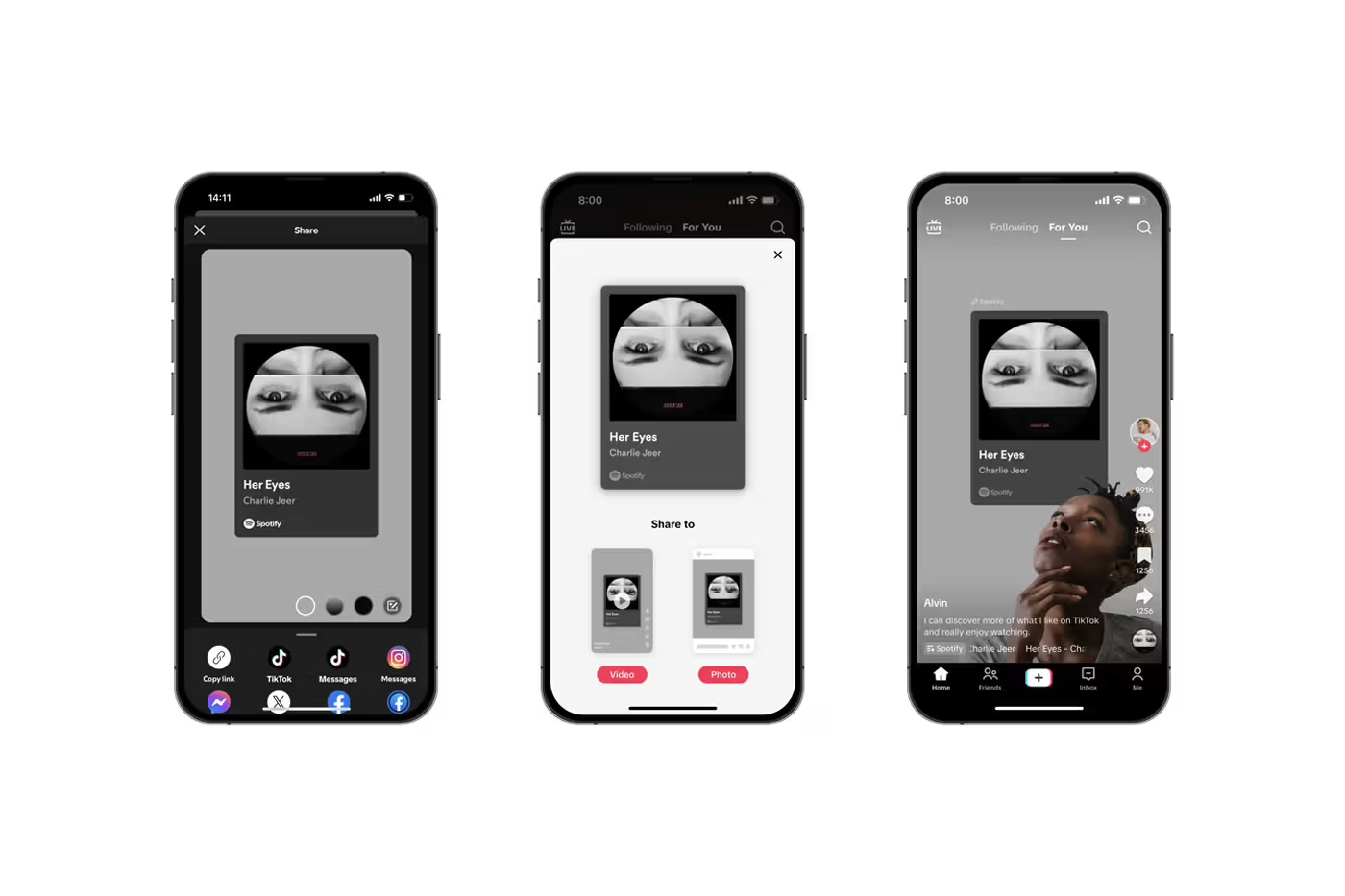
TikTok Expands Audio Sharing: New ‘Share to TikTok’ Feature Brings Music, Podcasts, and Audiobooks to the Platform
TikTok’s New Feature Lets You Share Music From Spotify and Apple Mus
YouTube Explores AI Chatbot Integration Beneath Videos
YouTube Explores AI Chatbot

LG Brings 6K Clarity and Thunderbolt 5 Speed to the Creative Workspace
Pixel Precision