

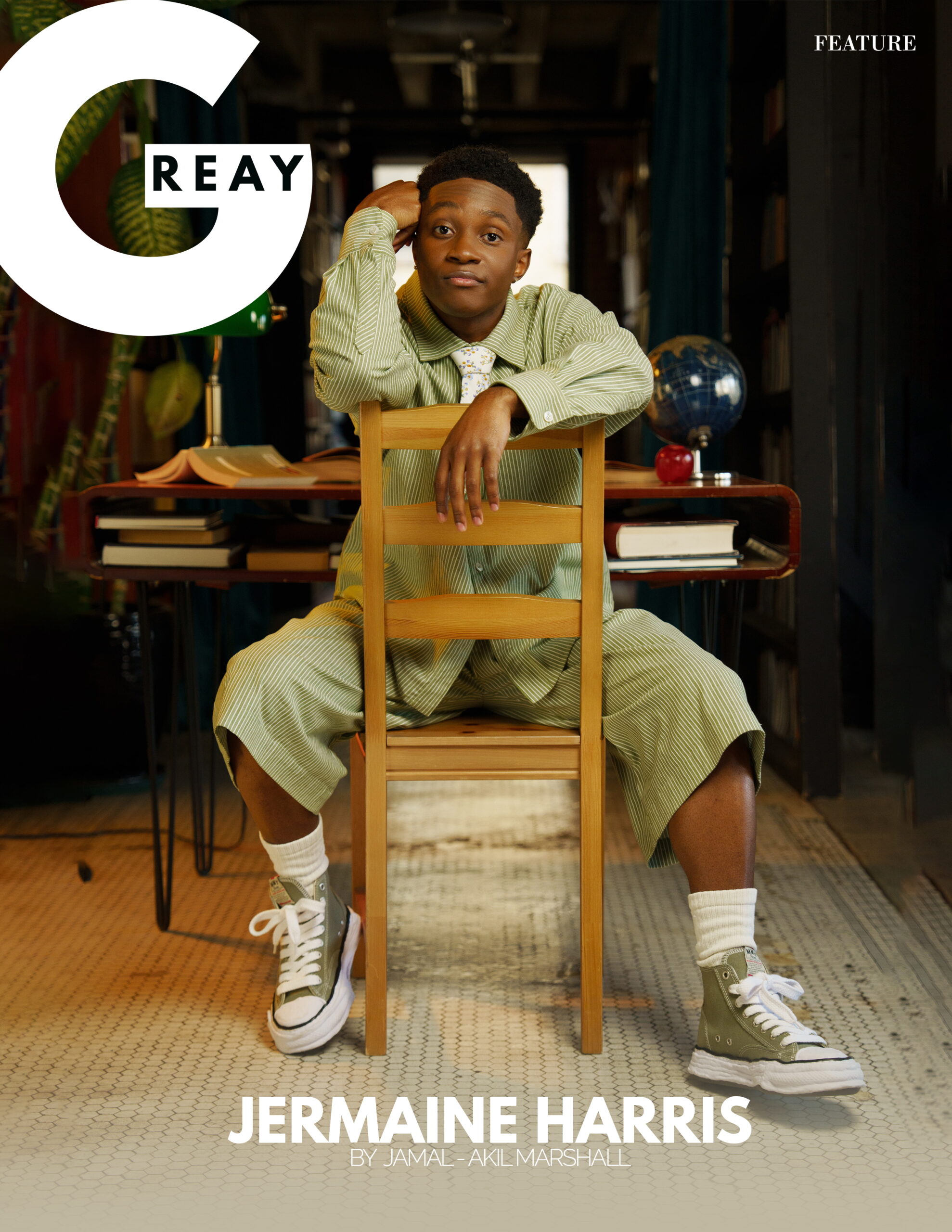
Jermaine Harris Is Building Longevity
Words By Kyra Greene
There’s something deceptively familiar about Jermaine Harris on screen. In Tyler Perry’s universe, where humor often arrives wrapped in family dysfunction and generational truth, Harris has a way of grounding chaos in recognition. You feel like you’ve met him before — or someone like him — and that’s precisely the point. His performances don’t chase attention; they invite it.
As he steps into a new chapter — one that includes his first rated-R film and a deeper exploration of B.J. beyond Madea’s Destination Wedding — Harris is less interested in noise and more focused on intention. Our conversation traces that shift: from comedy as instinct, to responsibility as a young Black man on screen, to the resilience and empathy he now wants etched into his work.
When an audience meets you through a Tyler Perry film—where humor, family, and legacy are central—what part of you do you think they’re actually responding to, even if they don’t realize it yet?
J: The funny thing about these films is that you’re more than likely going to see yourself, or somebody you know in your life, within these crazy characters. And with that, I think that audiences are really responding to my sense of familiarity. I constantly get the “you remind me of __!” statement. To remind somebody of someone that made them laugh or brighten up their day is always a blessing. I think I’m very expressive and outspoken in real life and that sometimes shines through within the character of BJ.
Comedy is often mislabeled as “light.” What has working in comedy taught you about timing, emotional intelligence, and restraint that dramatic work sometimes doesn’t?
J: Comedy has always been present in my life. I look at it as the first language I truly knew. Because of this, a lot of things came naturally to me so I never really thought about the technical aspect of it until I was older. You look at situations or scenes differently through a comedic lens. When attacking drama, I feel that you don’t have as many freedoms to explore a character’s physicality or delivery as much as you do in comedy. To understand how to make someone laugh is a powerful thing, because in doing so, you also have to understand people. You have to understand their sadnesses, their triggers that make them angry, why they do certain things, and even the things that confuse them too. Comedy can turn a thing you once cried about into something you’re busting your gut over. It can change perspectives just as well as drama, when done correctly.
You’ve moved between youth-driven television, studio films, and now a widely recognized franchise. At what point did acting stop feeling like opportunity and start feeling like responsibility?
J: For me the importance of opportunity and responsibility was always a blend. I grew up knowing that eventually my journey would inspire some little boy or girl to achieve their dreams, but it was more of a distant thought, really. I wasn’t fully conscious or aware of the responsibility aspect of my passions until I did the show Saturdays. That production really taught me the importance of not only community, but the responsibility I had of being shown in a positive light as a Black man on screen. Getting messages from people telling me how much the show meant to them and how it touched their hearts to see that amount of Black love and laughter on screen was huge to me. That lesson truly stuck with me and has bled into the decisions I make when attaching to projects.
How do you avoid being defined by the scale of a project—Disney, Netflix, Tyler Perry—and instead stay focused on the choice you’re making inside each role?
J: To me the most important thing when it comes to a project is how I play my part to my best ability. How am I assisting in telling this story the most truthful way possible? How do I bring to screen another interesting perspective that audiences want to follow? My love for storytelling really keeps me grounded in the reality of no matter how big or small the studio behind the project is, I want to tell a great story. Each character I am blessed to play, I am able to try something new. I believe if you are solely focused on the scale of a project or how big the studio is, you lose the magic in simply wanting to make something worth watching.
As your career grows, what emotional qualities do you want to handle with the most care in your performances?
J: First, resilience. I want to tackle characters that have a resilience about them. No matter what life is throwing at them, they find a way to see another day. Additionally, I would want to play a character who has a strong sense of self-awareness. As much as I love characters that also don’t fully know who they are yet in this world, I love a character that has a certainty about them too. Lastly, empathy. I would want to play a character who not only can understand others, but wants to. I feel like there are so many things that have desensitized us today and seeing empathy on screen is a powerful reminder that we have to try and understand each other.
Do you feel pressure right now to be legible to everyone, or are you more interested in being precise—even if that narrows the audience?
J: I think it is very important for me to be legible to an audience. To be recognized or trusted with a character is very critical to me. I truly want to gain the hearts and eyes of the audience. I do want to also still be precise in my body of work because I do think it allows me to grow as an actor. I love characters that aren’t like me at all. Sometimes the driving force within that is knowing that the story might not be for everyone, and I like that. But as of right now, I just want the audience to know that whenever they see me on their screens, they’re in for a good ride.
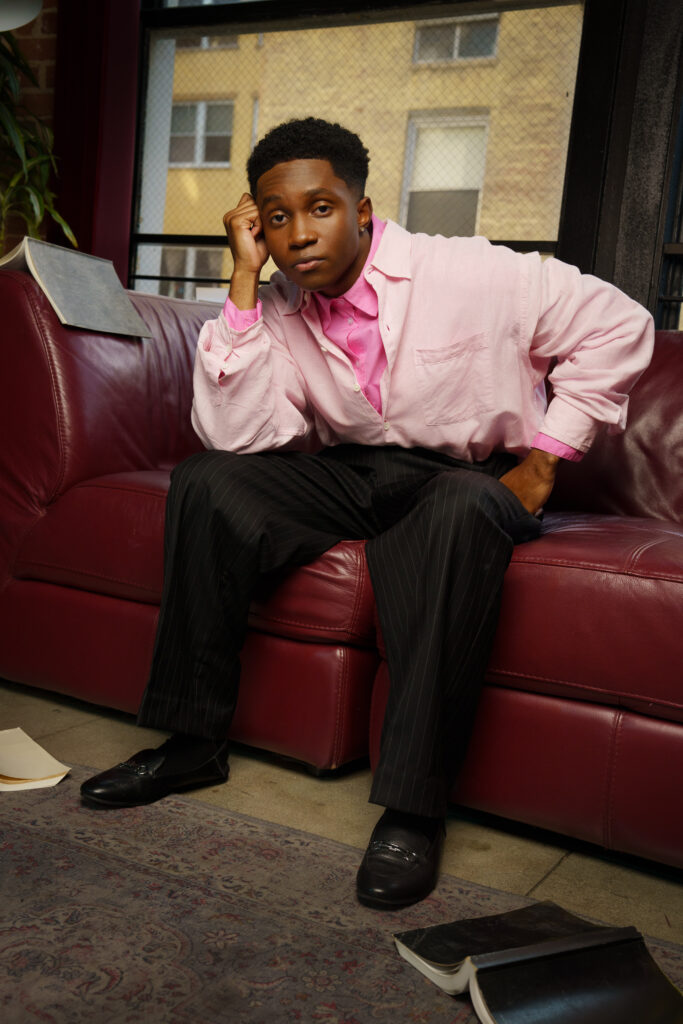
With another film arriving in early 2026, how conscious are you of this moment as a turning point rather than just another release?
J: Oh, I am very conscious about it. With this being my first rated R film, first lead, and second Netflix project under my belt, it’s definitely different. At this point in time, I’m also just taking things day by day, instead of everything all at once. It makes me enjoy the process even more.
When audiences meet you again in a new project so soon, what do you hope feels different this time—not louder, but more deliberate?
J: With this time around, I hope people feel like they’ve gotten a better understanding of the character, BJ, than in Madea’s Destination Wedding. I would hope his intention behind the things he says or does is clearer. Before, we would just see this kid who seriously needs to stop being babied. But this time around, I would want the audience to sympathize with how he views the world and what shaped him to have these views. So now when BJ does something, it’s funny but now more of an “of course BJ would do that” type of funny.
You entered this industry young. How has your definition of success shifted now that you’re closer to it than you once imagined?
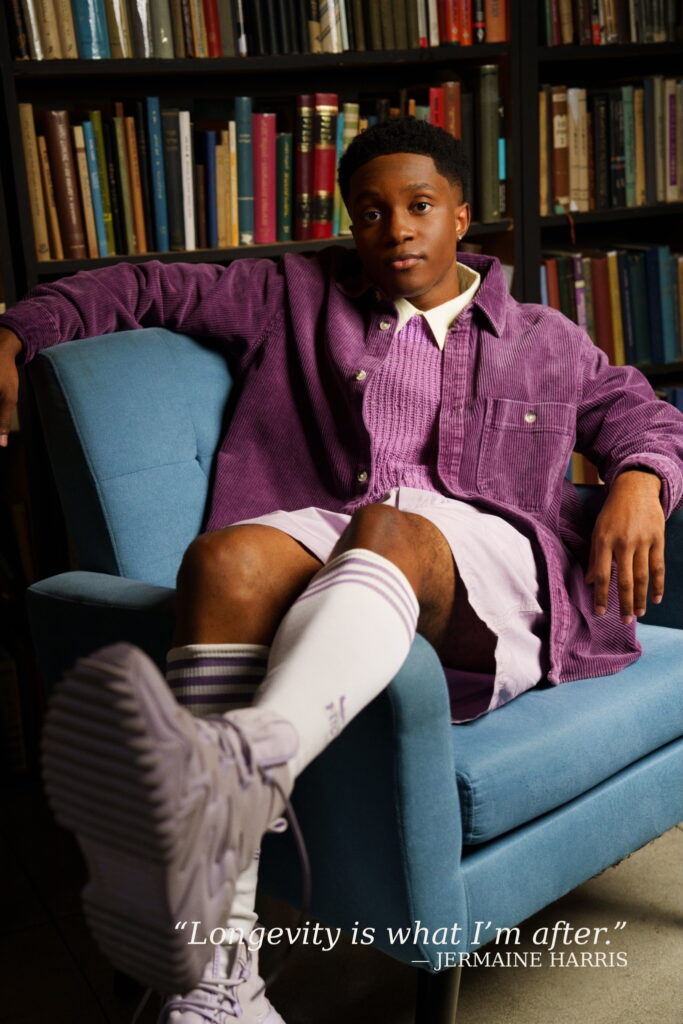
J: I’m sure for a lot of people, the image of success was the accolades or even the admiration and recognition from your peers within the creative space. For me, it was like that when I started. I just really wanted an Oscar or an Emmy because at the time it represented the sentiment of “okay, now you’re good enough to tell stories.” As I’ve gotten older and progressed within my career, my idea of success has drastically shifted. Success to me now is when I can do something and it resonates. When the story that I helped tell creates a life of its own. To be able to be a great example for those who are entering this space after me. Longevity is what I am after. For my work to touch hearts the way film and television have touched mine since I was a kid. Oh, and also maybe a shoutout in a rap song. Those are pretty cool, too.
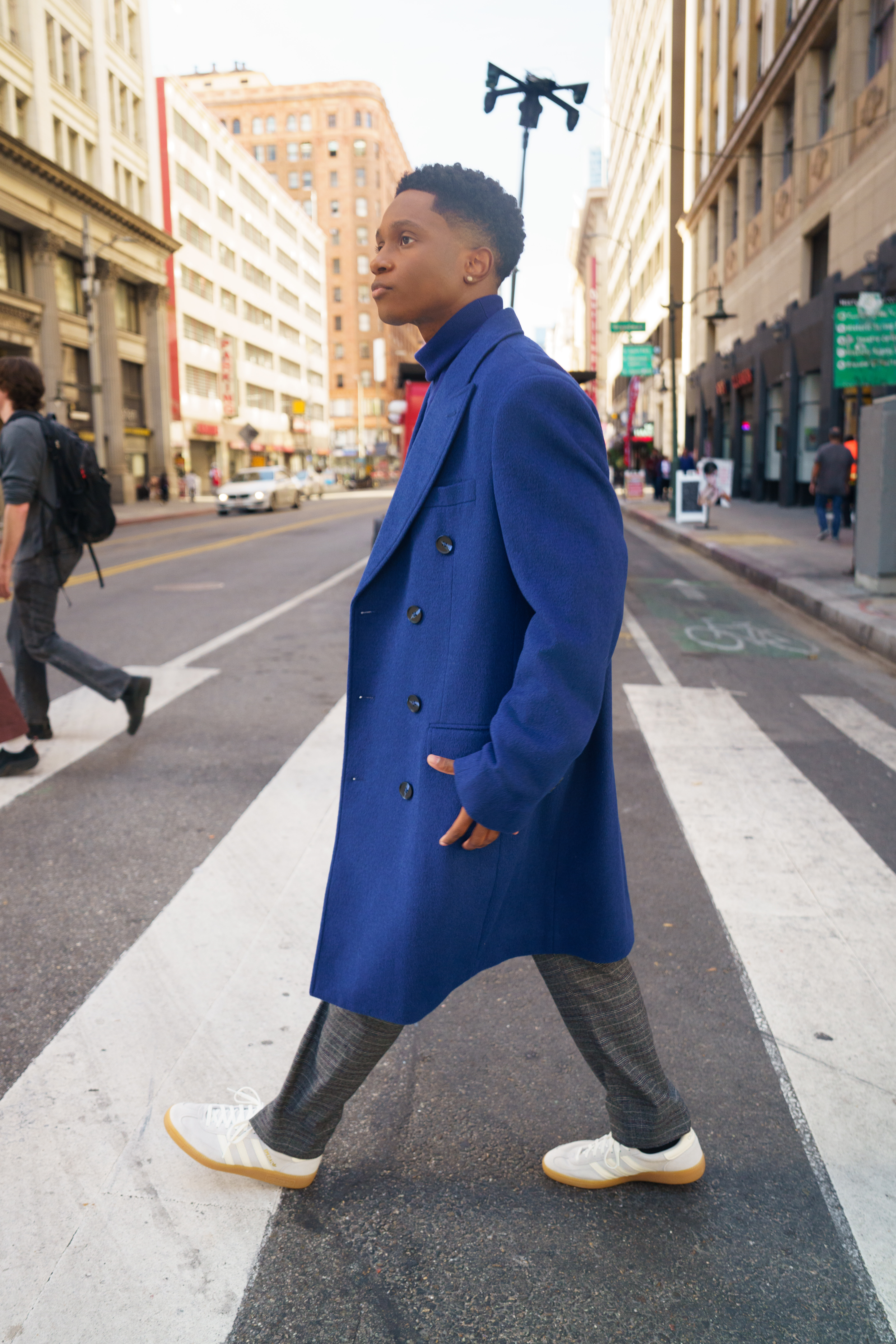
Five years from now, what do you hope a body of your work quietly communicates about your taste, your discipline, and your point of view?
J: Prayer and a relentless desire to be great. I would love for my work to be an example of what hard work and generations of prayers have come to. I would want the stories that I am telling to be something you can go back to, no matter the year you are in. Stories that can have you laugh, cry, question things, and look within. I would love to do that in multiple genres too, not just comedy. Five years from now, I just want to still be working and resonating with audiences, no matter the genre I’m in.
What emerges isn’t an actor chasing scale, but one studying stamina. Harris speaks about resilience, empathy, and self-awareness not as abstractions, but as traits he wants embedded into his work. Even his evolving definition of success — less accolade, more resonance — reflects a quiet recalibration from applause to impact.
If the next phase of his career feels different, it’s because he’s aware of the moment without being consumed by it. He wants longevity. He wants stories that outlive their release window. He wants characters whose humor lands not only as punchlines, but as perspective.
Five years from now, Harris hopes his body of work quietly speaks for itself. Right now, it already is.
Creative direction by Jamal Akil Marshall
Photography By Jamal Akil Marshall @jmlakl
Grooming Myrlen Monge @myrlemmonge
Wardrobe By Irina Van Verseveld @wonderzuzu
Wadrobe Asst Xiomara D’oyen @xixi.themermaid
Produced By Kyree L. frazier @firstsight.intl & Airoport Famous Creative Agency
Related Posts
Anissa Borrego Is in Her Comedy Era — And Stumble Is the Proof
Injury, Vulnerability, and Star Power
Alexie Olivo Is Learning That Success Means Choosing Her Own Direction
Choosing purpose over expectation
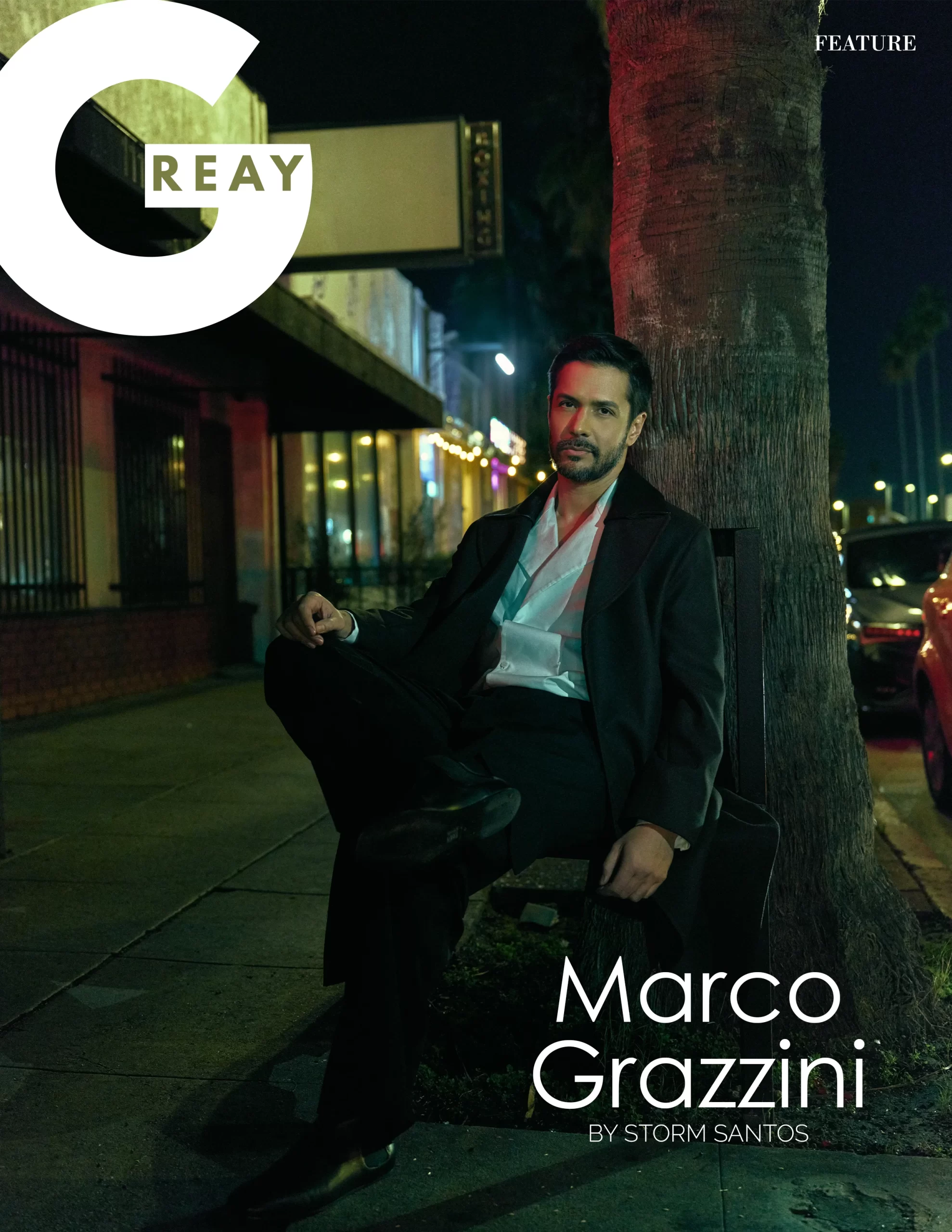
Marco Grazzini: The Discipline of Restraint
Behavior, Not Speeches
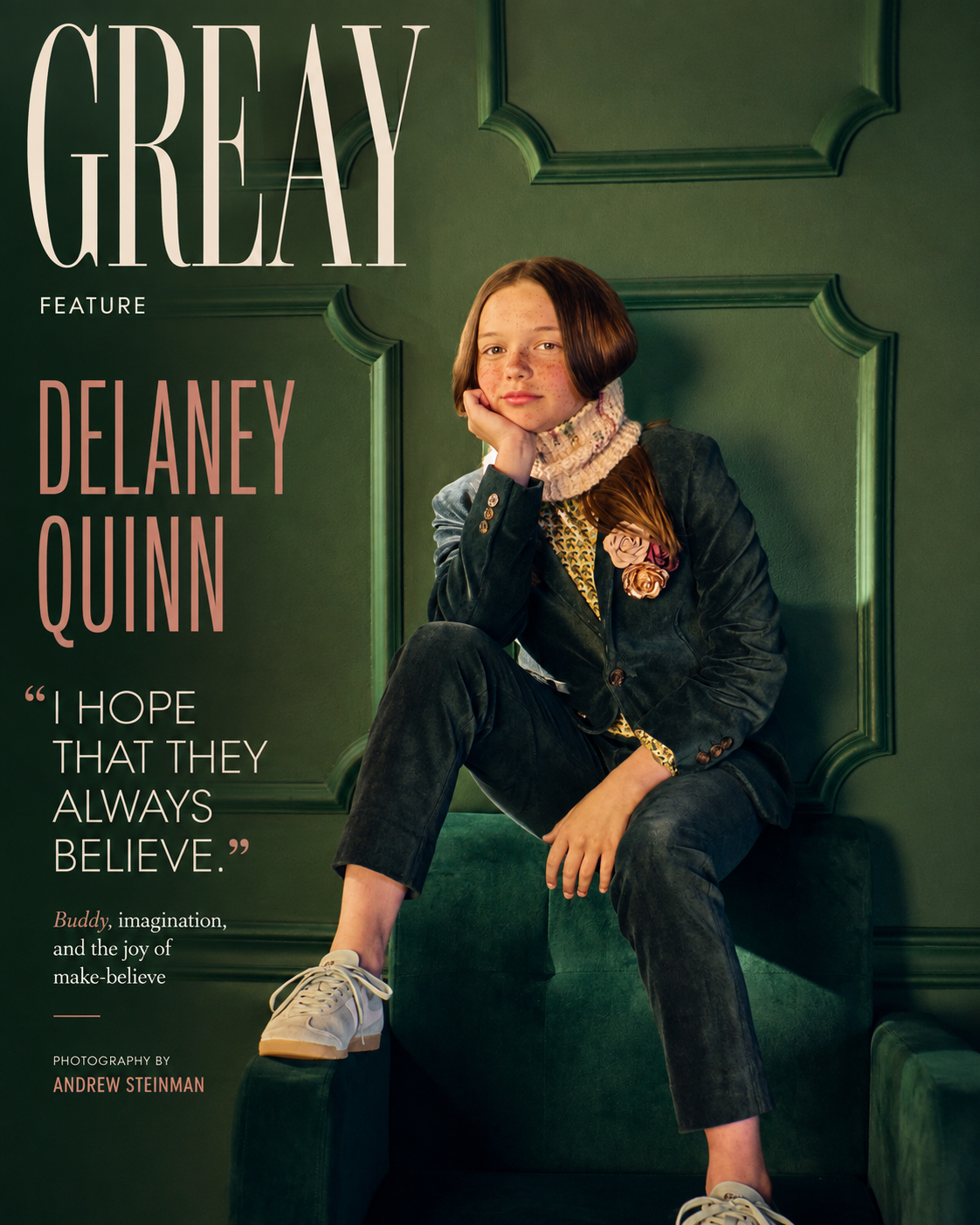
Delaney Quinn Is Growing Through the World of Buddy
The Work Can Still Be Play
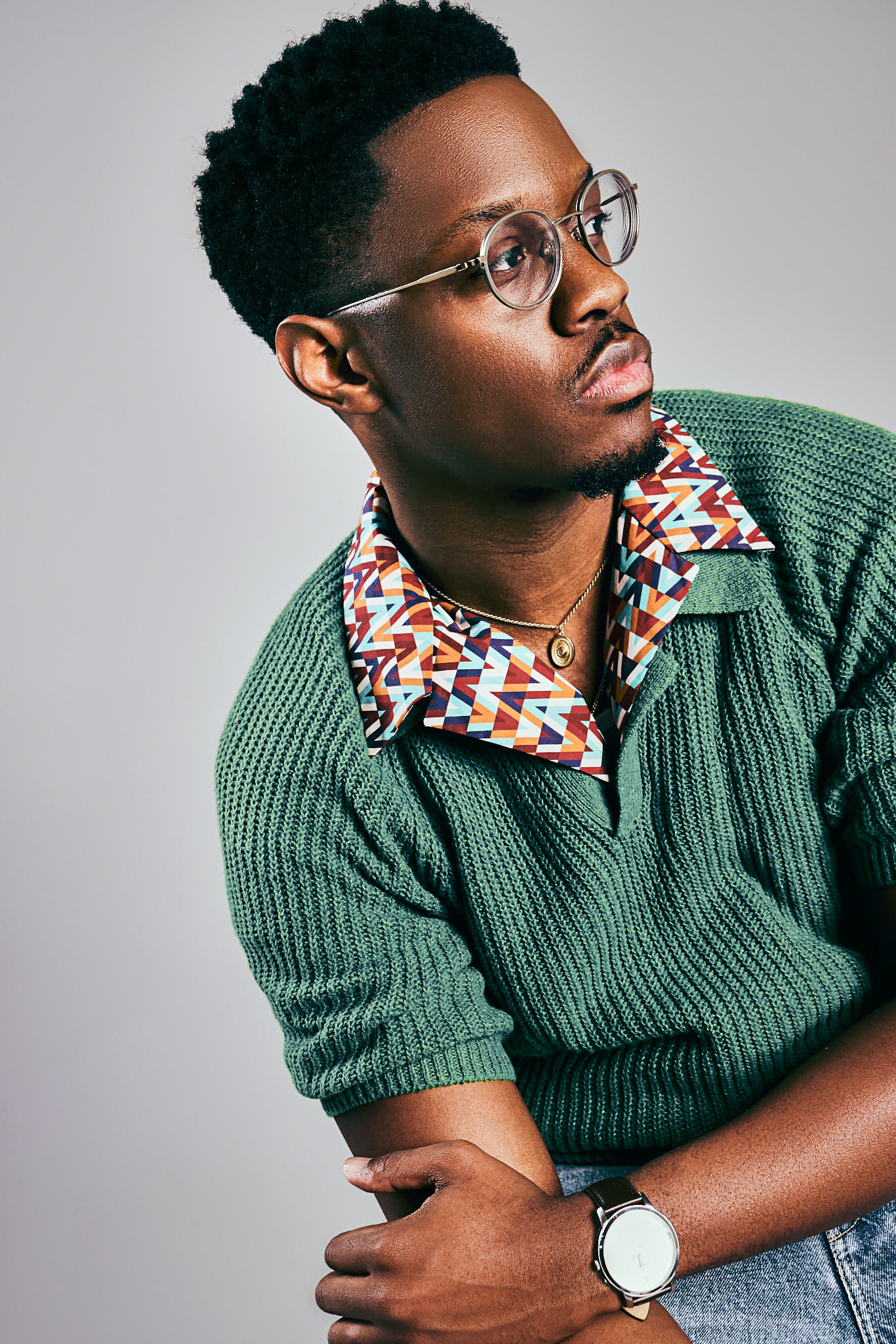
Owning the Booth: Gabe Kunda Talks Blade, Marvel, and Building a Voice Acting Legacy
Blood, Blades & Bass Notes
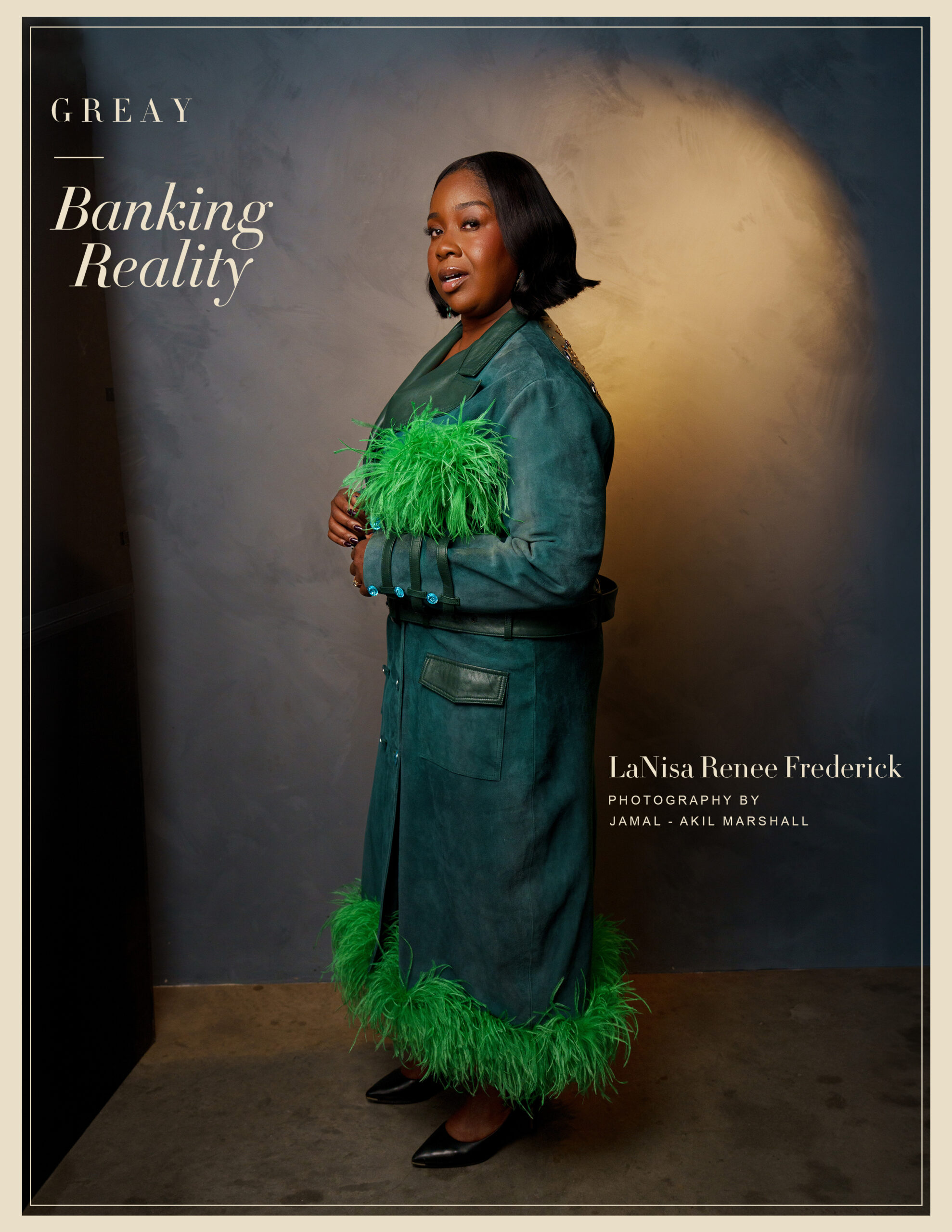
LaNisa Renee Frederick Is Interested in the Person Behind the Performance
Finding truth beneath the role