

When Power and Consequence Can No Longer Be Separated
By Kyra Greene
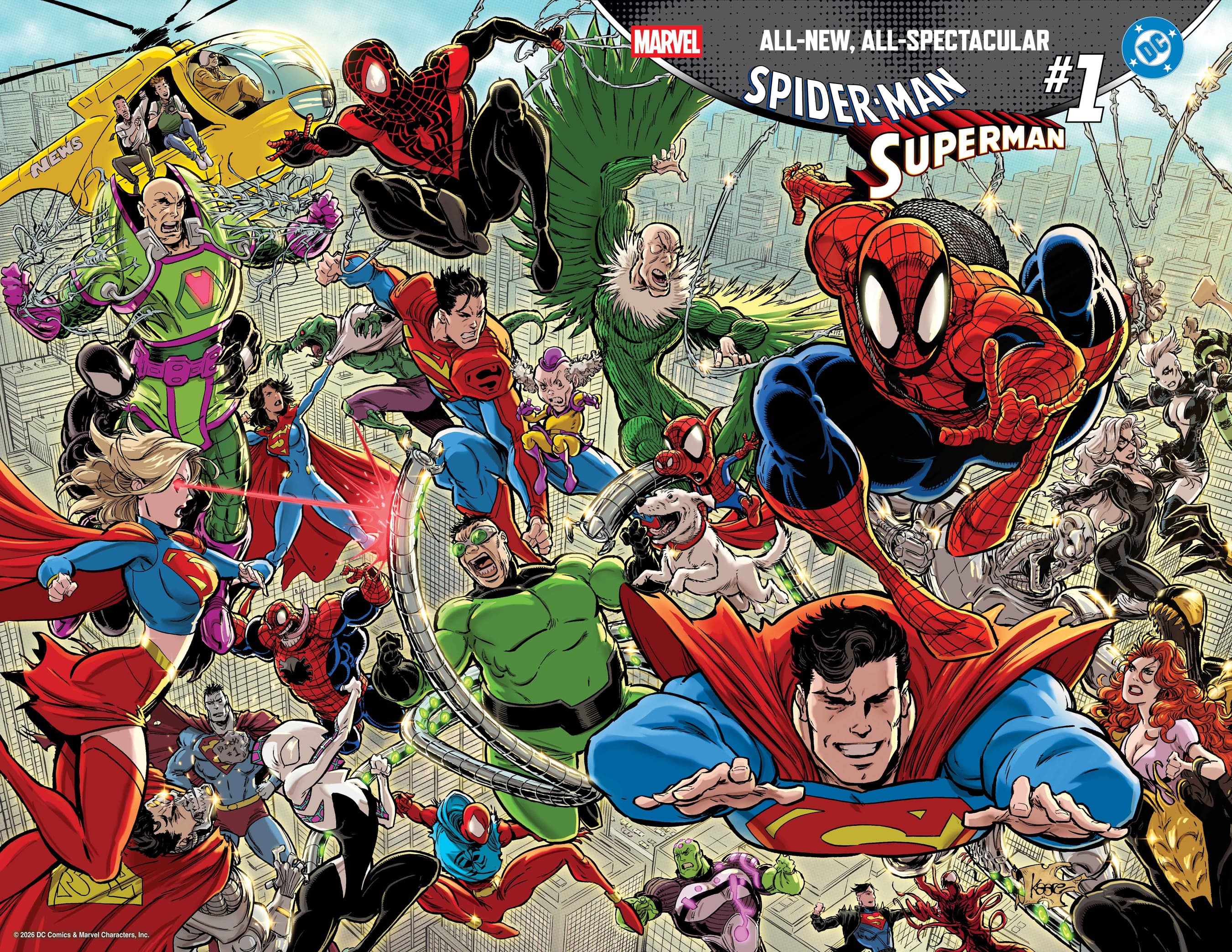
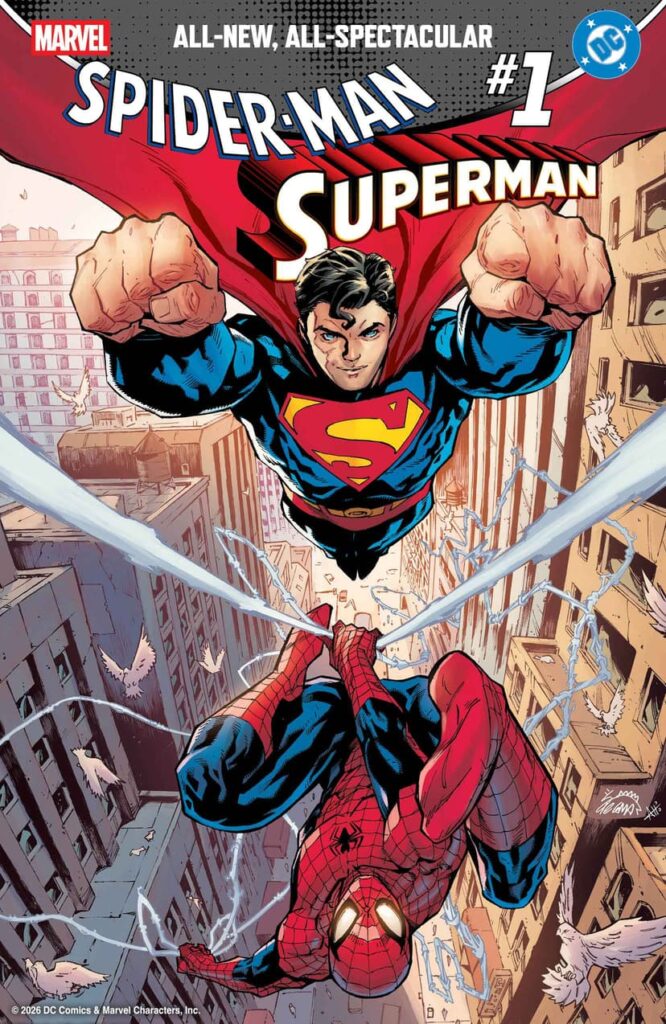
When Marvel Comics and DC Comics place Spider-Man and Superman in the same narrative space, the gesture is not novelty but necessity. These figures no longer function primarily as characters. They operate as moral architectures — systems designed to organize how power, responsibility, and consequence are understood at scale. When those systems are brought into alignment, culture is not indulging nostalgia; it is testing compatibility.
For decades, these mythologies were allowed to exist in parallel. Spider-Man carried power at human scale, where consequence arrives immediately and responsibility is felt physically — late rent, broken relationships, visible mistakes. Superman operated at mythic distance, where power is stabilized by certainty and consequence collapses into principle rather than experience. One is shaped by proximity. The other by altitude. Together, they offered culture two clean answers to the same question: what does it mean to be responsible when you can change outcomes?
The fact that these answers are now placed in conversation matters. Culture no longer appears satisfied keeping them separate.
This moment does not arrive in isolation. Authority across society has become diffuse, distributed, and harder to locate. Power is no longer concentrated in singular institutions or figures; it is networked, fragmented, and persistent. In that environment, the clean moral extremes these characters once represented begin to feel incomplete on their own. Idealism without proximity risks abstraction. Proximity without idealism risks collapse. Alignment becomes the experiment.
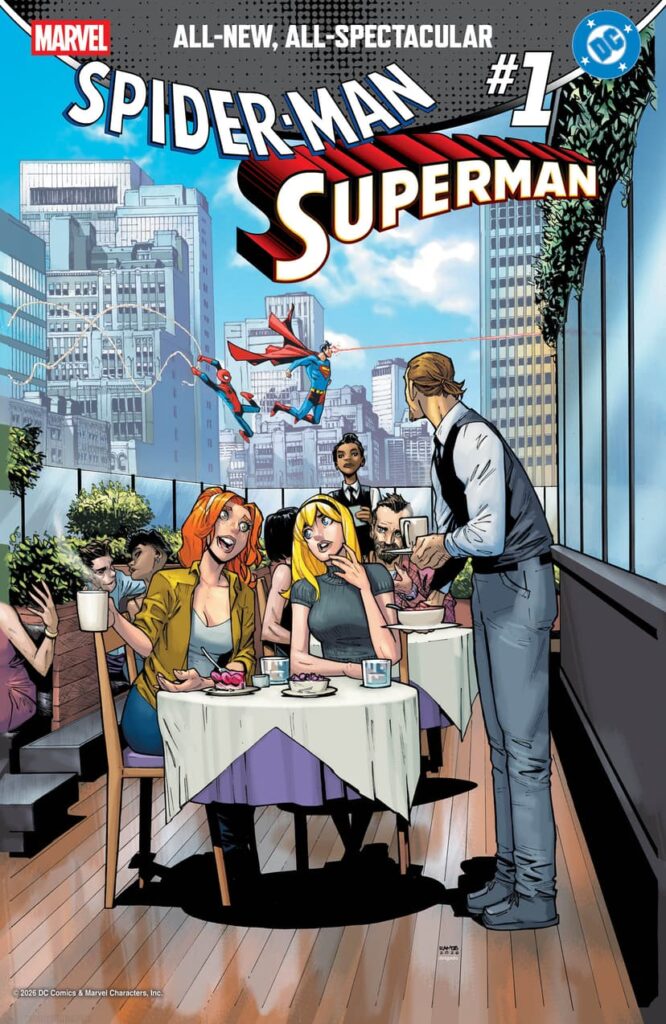
Comic books remain uniquely suited to host this kind of testing because they exist upstream of consequence. They are speculative without being distant, symbolic without being academic. Long before film, fashion, or politics absorb these recalibrations, comics rehearse them quietly, structurally, without the burden of consensus. They allow culture to feel its way forward without announcing that anything is changing.
This is why the crossover matters now. Not because it surprises readers, but because it reflects a deeper unwillingness to live inside singular moral frameworks. The world no longer rewards certainty alone, nor does it tolerate fragility without principle. The question culture is asking — and rehearsing — is whether responsibility can remain intact when power is everywhere and nowhere at once.
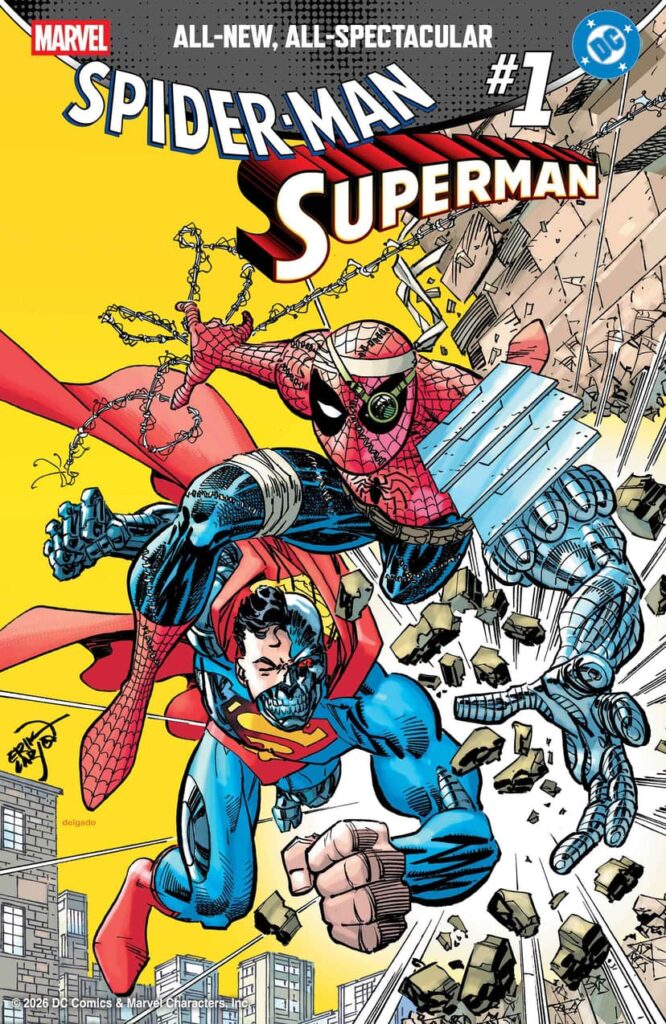
Seen this way, the issue is not a celebration of legacy but a response to pressure. These myths are being asked to do new work because the old configurations are no longer sufficient. Spider-Man’s constant negotiation with consequence and Superman’s refusal to surrender ethical clarity are no longer opposing forces. They are complementary tools in a culture searching for coherence.
This is why comic books persist as more than entertainment. They are where culture prototypes alignment before it commits to it elsewhere. When major myth systems converge on the page, it signals that separation is no longer functional. Something has shifted in how responsibility is imagined, and the stories are adjusting accordingly.
The crossover, then, is less an event than a measurement. A reading of cultural pressure rendered visible. An acknowledgment that the distance between power and consequence can no longer be absolute — and that heroism, like authority, must now carry both intimacy and scale at the same time.
Related Posts

Marco Grazzini: The Discipline of Restraint
Behavior, Not Speeches
Silent Hill f: A Haunting New Chapter Set in 1960s Japan
Konami reveals first trailer for Silent Hill f.

Delaney Quinn Is Growing Through the World of Buddy
The Work Can Still Be Play

Philadelphia Shows That Office Development Now Begins With Demand, Not Speculation
Why the next office tower now requires proof before construction

Lights, Camera, Vacation! Coppola’s Latest Hotel is a Cinematic Dream Come True
Francis Ford Coppola Opens The All-Movie Hotel In Georgia