
Evan Nikolas Fields: Breaking Through Without Breaking Form
By Kyra Greene
There are actors whose careers hinge on visibility, and others whose growth happens quietly—measured not by attention, but by the capacity to carry weight. With The Wayfinders, Evan Nikolas Fields steps into a new chapter defined less by arrival than by alignment. The shift is subtle but decisive: a movement from presence to responsibility, from individual moments to sustained authorship. In this conversation, Fields reflects on patience, restraint, and the internal recalibrations that shape an artist long before the industry takes notice.
With your journey now bringing you into a leading role as Flynn in The Wayfinders, how did stepping into that series force you to redefine who you thought you were as an actor—and the level of responsibility you were ready to carry?
Stepping into The Wayfinders forced me to trust within myself and my abilities. Carrying a character across an entire season made me realize I was ready for more responsibility—not just showing up for a scene, but committing to an arc from start to finish.
In moving from supporting and guest roles into a series lead, how has your relationship to preparation, presence on set, and creative leadership evolved?
Becoming a series lead made me more intentional about preparation. I’m thinking beyond individual scenes and focusing on the full arc of the character. On set, it taught me to be more present and collaborative, understanding that leadership comes from trust—in others and in yourself.
Fantasy storytelling asks actors to ground heightened worlds in emotional truth. What personal experiences or inner conflicts did you draw from to make Flynn feel human and lived-in rather than mythical?
I pulled from moments in my own life where I questioned myself or felt unsure of where I fit. Flynn’s fear of not being enough and his hesitation to step into leadership felt very real to me. Grounding him in those everyday doubts helped make him feel human, even in a fantasy world.
Looking back at your earlier work in film and television, can you trace a visible evolution in your performances, or does your growth feel more internal—something only you can fully recognize?
I think the growth is mostly internal. Over time, I’ve learned to listen more, overthink less, and fully commit. That internal shift naturally shows up in the performances.
Every actor encounters moments of uncertainty or near-misses. Was there a role, audition, or setback that quietly reshaped your confidence or clarified the kind of artist you wanted to become?
There were early auditions and near-misses that taught me not to take things personally. A lot of times, decisions come down to very specific needs for a project, and it’s not a reflection of your work. Learning to take each experience as a lesson and then move forward gave me more confidence.
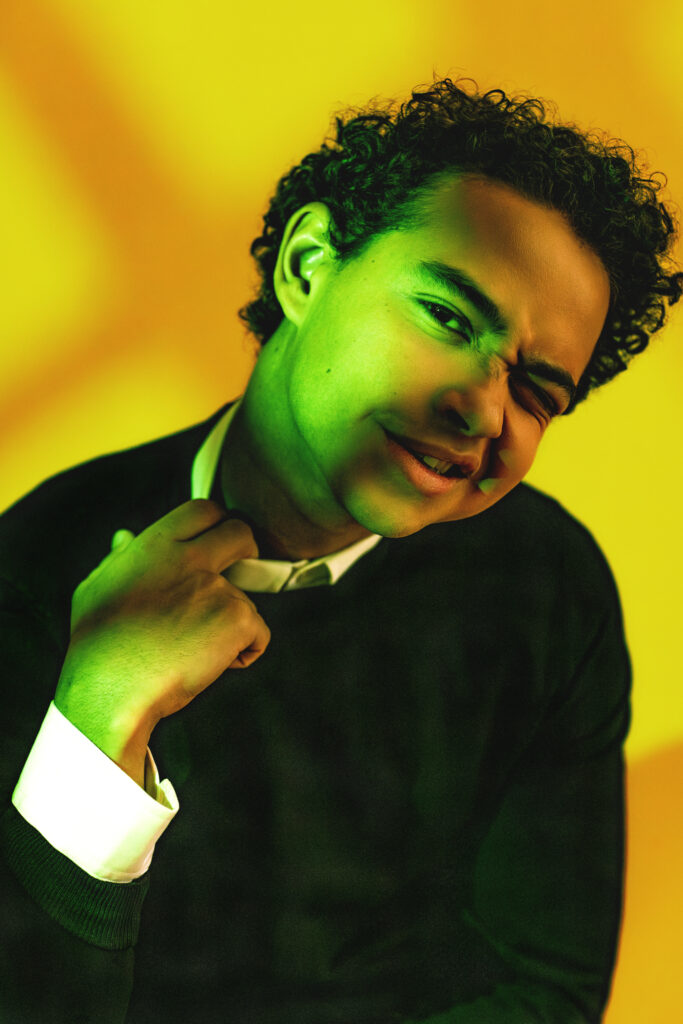
As your visibility grows, how do you protect your sense of self and creative integrity in an industry increasingly driven by metrics, algorithms, and constant public access?
I don’t really try to protect myself from it. I put my energy into perfecting my craft and doing the best work I can. That’s what matters most to me.
You’ve now experienced both momentum and patience in this industry. What’s a hard truth about “breaking through” that you wish you had understood earlier in your career?
There isn’t one big moment where everything changes. Breaking through is really about consistency and patience, even when it feels quiet. Progress is happening, even when you can’t see it yet.
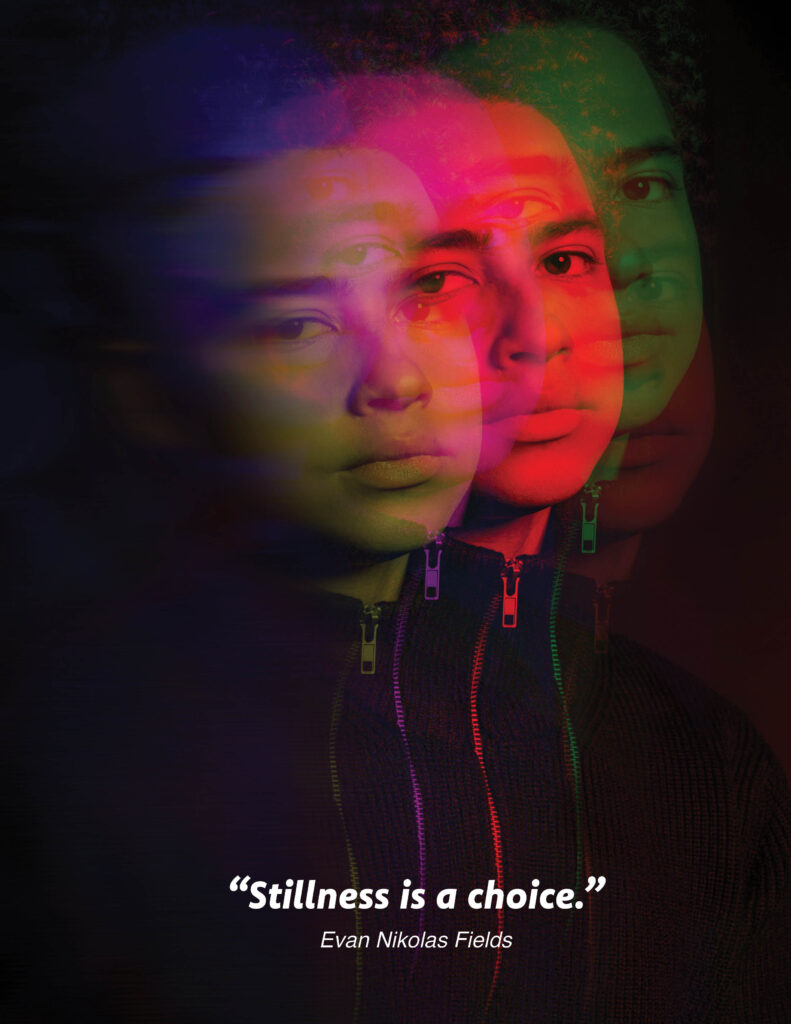
Range is often celebrated, but restraint can be just as powerful. How have you learned when to pull back—allowing stillness, silence, or vulnerability to carry a scene?
I’ve learned that you don’t always need to do more to make a moment land. Allowing stillness and vulnerability creates space for layers, so a scene can live in more than one note.
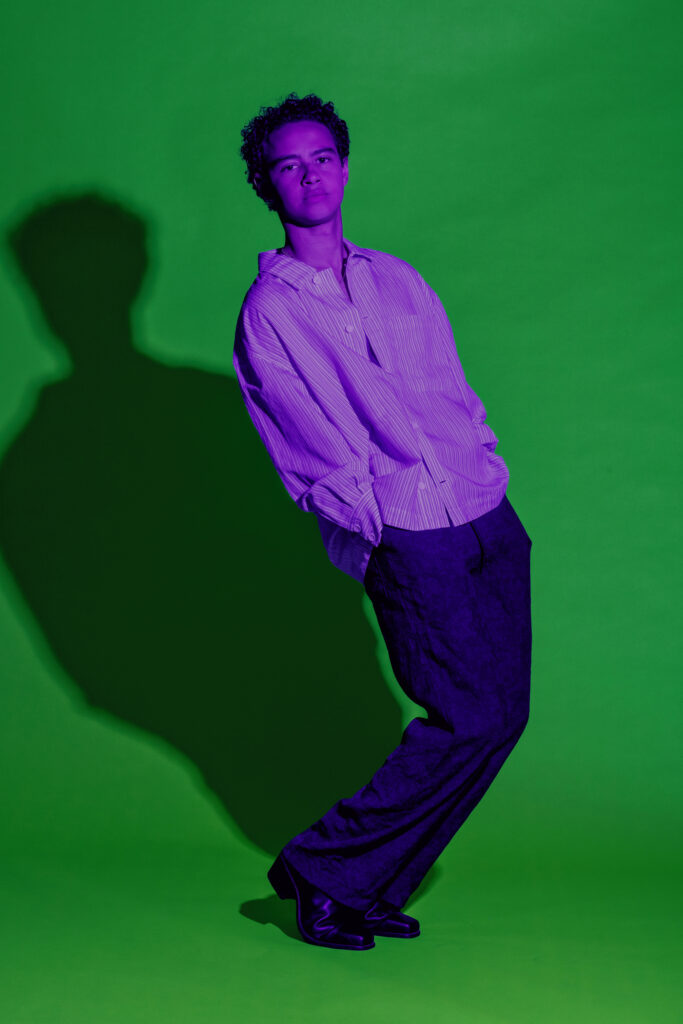
At this stage in your career, what types of stories or characters feel most urgent for you to explore—not because they’re popular, but because they challenge you emotionally or spiritually?
I’m really interested in characters who are considered “evil” on paper, because no one actually sees themselves that way. Finding the humanity behind those choices is what would excite and challenge me. On the story side, I’ve always wanted to be part of a heist film—Ocean’s Eleven is one of my favorite movies.
Years from now, when audiences look back on this chapter—The Wayfinders and everything surrounding it—what do you hope they recognize about the artist you were becoming at this moment?
I hope they see this as the moment I started trusting myself and committing fully to my work—a time of growth, curiosity, and stepping into who I was becoming as an artist.
Fields’ responses resist the language of arrival. Instead, they reveal an actor learning how to hold shape—how to let consistency, restraint, and patience do the work that noise never could. If The Wayfinders marks a turning point, it’s not because everything suddenly changed, but because something quietly aligned. This is not the sound of an artist announcing himself. It’s the sound of one settling into form.
Photography By Danielle Herzog @danielleherzogphoto
Creative Direction Danielle Herzog @itsdanielleherzog
Grooming By Myrlen Monge @myrlenmonge
Produced By Kyree L. Frazier @firstsight.intl & Airport Famous Agency
Related Posts

Zibby Allen: Acting in the Space Between Feeling and Form
Performing the Unspoken
LaNisa Renee Frederick Is Interested in the Person Behind the Performance
Finding truth beneath the role
The Evolution of Fashion in Sports: Athletes as Icons of Style and Influence
Evolution of sports
Women in Horror Are Expanding the Emotional Language of Fear
Why today's horror lingers long after the credits