


The Quiet Calculation: Pregnancy, Power, and the Cost of Womanhood in Sports
By Madison Moore
She is not injured. She is not declining. She is not unsure of her body. What she is doing, quietly, is calculating.
The timing of her contract. The length of her recovery. The fragility of sponsor loyalty. The way attention shifts when an athlete’s body changes from instrument to symbol. Pregnancy, for women in sports, is rarely framed as a personal milestone. It is treated as a professional inflection point, one that comes with unspoken consequences. No one forbids it. No one encourages it either.
This is not fear of motherhood. It is fear of cost.
For decades, the conversation around pregnancy in women’s sports has been misdirected. The narrative suggests physical fragility. That pregnancy permanently dulls speed, power, endurance. That the body, once changed, cannot be trusted again. But this myth persists less because it is true and more because it is convenient. Modern sports science has repeatedly demonstrated that pregnancy does not inherently diminish athletic capacity. In many cases, athletes return stronger, more efficient, more attuned to their bodies than before.
Yet belief lags behind evidence.
The real anxiety has never been physical. It has been economic.
Pregnancy exposes the quiet truth at the center of women’s sports: value is conditional. Contracts are built around uninterrupted availability. Sponsorships hinge on visibility. Absence, even temporary, is treated not as part of a career but as a disruption to it. Injury is framed as misfortune. Pregnancy, by contrast, is framed as choice, and choices, in professional sports, are judged.
The distinction matters. One absence is met with patience. The other with skepticism.
For years, athletes internalized this logic. They planned families around Olympic cycles. They delayed motherhood beyond medical ideal windows. They hid pregnancies until contracts were signed. Not because they doubted themselves, but because the industry had already communicated what pregnancy would mean: fewer guarantees, softer commitment, a shift in perception. To become a mother was to risk becoming negotiable.
And even when protections improved, the psychological residue remained.
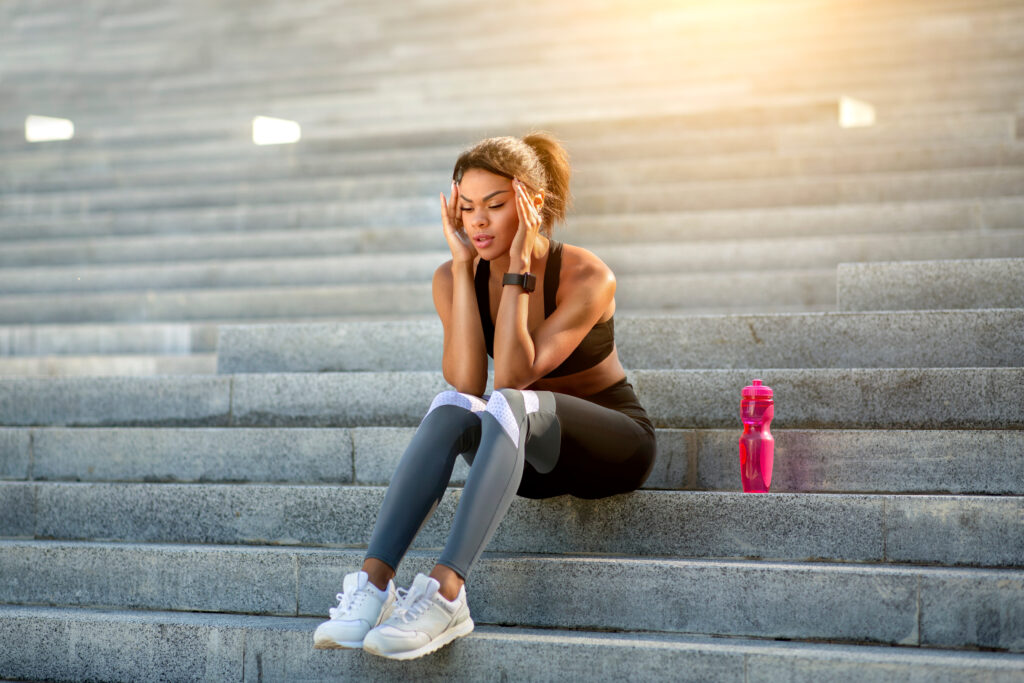
The calendar itself works against women. Careers peak early, especially in sports that prize speed, explosiveness, or youth-coded marketability. Time becomes leverage held by leagues and brands, not athletes. Lose a season, and a younger replacement is already warming up. Fall out of visibility, and relevance follows. In this environment, pregnancy is not simply nine months, it is missed opportunity, rewritten hierarchy, a bet against momentum.
The irony is stark. Men disappear from seasons due to injury and return to narratives of resilience. Women disappear due to pregnancy and return to narratives of inspiration. One frames dominance restored. The other frames survival achieved.
Infrastructure compounds the imbalance. Training facilities still assume bodies without children. Travel schedules ignore caregiving realities. Childcare, breastfeeding accommodations, and postpartum support are treated as private logistics rather than workplace necessities. The labor of maintaining a professional career and a family happens largely off-camera, unsupported, individualised.
What goes unseen is not just effort, but excellence.
Media, too, plays its part. Coverage often softens after pregnancy. The athlete becomes a “story” rather than a contender. She is admired, but subtly repositioned, less threatening, less essential, less central to the competitive imagination. Motherhood humanizes her, but at the cost of authority. That trade-off is rarely offered to men.
Yet the tide is shifting, unevenly, imperfectly. A generation of athletes has begun to refuse silence. They are negotiating protections into contracts. Publicly naming disparities. Reclaiming their bodies not as brands, but as sites of strength that include motherhood rather than collapse under it. Change has arrived not as benevolence, but as correction.
Still, the central truth remains unresolved.
Pregnancy is not the professional risk it has been framed to be. The real risk lies in systems that punish women for existing outside uninterrupted productivity. In industries that champion longevity while structurally discouraging it. In a sports economy that celebrates bodies, until those bodies assert autonomy.

A 2026 feature film produced by Rx Sports explores this layered and nuanced scenario. “Dual Identity” follows Joyce, a newly drafted professional athlete navigating physical recovery and emotional upheaval at the most pivotal moment of her career. As she processes a championship loss and a life-altering personal decision, Joyce leans on family, mentors, and trusted professionals to find clarity. Set against the worlds of elite sports and modern media scrutiny, the film explores recovery as both a physical process and a mindset, one shaped by support, autonomy, and self-belief. Rx Sports COO Dennis Schultz hopes the movie will expand the global dialog on female athlete’s bodily autonomy and career considerations.
Until women’s sports no longer ask athletes to choose between biological time and professional value, pregnancy will remain less a personal decision than a career calculation.
And until that calculation disappears, equality will remain aspirational rather than structural.
The body is ready. The athletes have proven it. The question is whether the industry is prepared to catch up.
Related Posts

House of the Dragon Renewed for Season 3 at HBO Ahead of Highly Anticipated Season 2 Premiere
House of the Dragon Renewed for Season 3

Brands Don’t Sponsor Culture Anymore They Sponsor Control
The Crowd Shows Up. The Brands Step Back
From Yakuza Princess to Assassin’s Creed: MASUMI is the Moment
The Voice Between Worlds

Silent Hill f: A Haunting New Chapter Set in 1960s Japan
Konami reveals first trailer for Silent Hill f.
Wendy Braun Never Stopped Becoming
A life shaped by movement, reinvention, and belief

Paramount Unveils First Trailer for “Star Trek: Section 31” Starring Michelle yeoh
Michelle Yeoh Returns as Philippa Georgiou in ‘Star Trek: Section 31