


AI Isn’t Killing Creativity — It’s Exposing Who Never Had One
By Jamison Carter
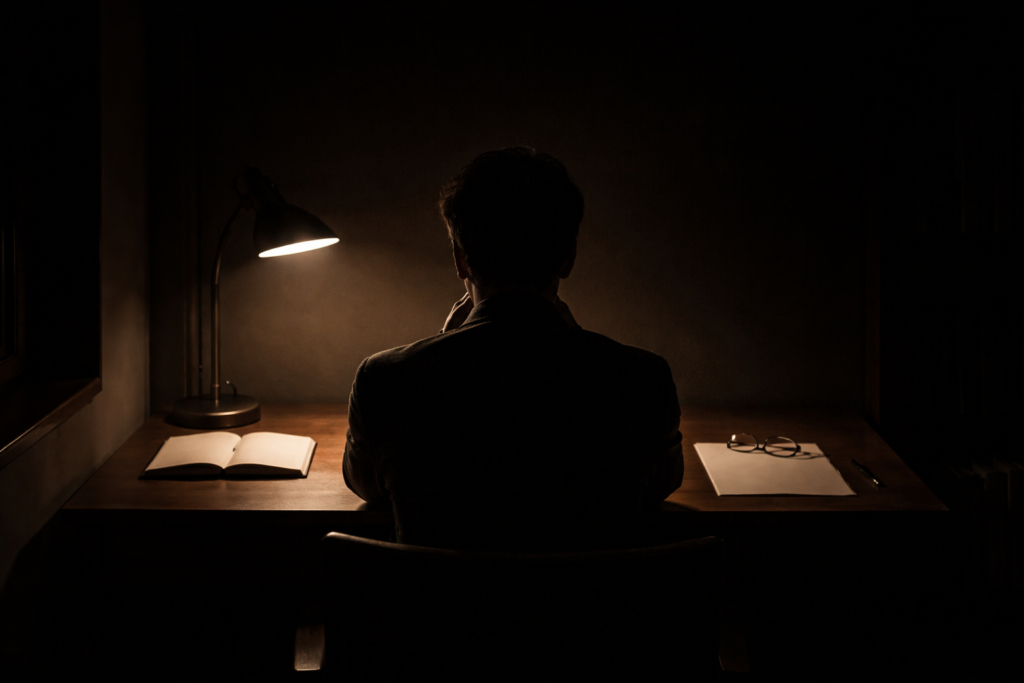
For most of modern history, creativity hid behind difficulty. The act of making something — a film, a photograph, a magazine, a song — required access, training, money, permission. Barriers were high enough that completion itself carried authority. Effort could masquerade as originality. Technique could be mistaken for vision. To finish was often treated as proof that something deserved to exist.
Artificial intelligence has dismantled that arrangement. In a matter of months, the technical labor that once separated professionals from everyone else collapsed. Images can be generated instantly. Writing can be polished automatically. Music can be assembled without instruments, studios, or years of discipline. What once required time now requires prompting. And with that shift, a long-avoided truth has surfaced: creativity was never about execution. Execution was only the gate.
What AI exposes is not the fragility of art, but the fragility of identity. The panic surrounding AI is often framed as concern for artists losing their livelihoods, writers being replaced, designers becoming obsolete. But beneath the economic anxiety sits something more existential — not the fear of disappearance, but of exposure. Because when the tools become universal, the only remaining differentiator is taste, and taste cannot be manufactured overnight.
When everything becomes easy to make, the central question is no longer how something is made, but why it should exist at all. AI does not create; it predicts. It absorbs past decisions, accepted aesthetics, dominant rhythms, and approved language, recombining them into something statistically pleasing. This makes it effective at imitation and incapable of intention. Which is why so much AI-assisted output feels polished yet empty, impressive yet forgettable. It resembles creativity without possessing it, the difference between something that functions and something that matters.
What’s missing is not skill, but conviction. Taste has always been the rarest currency in culture. Not preference, not trend fluency, not access to references, but discernment — the ability to recognize quality before it is validated, to sense when something is alive even if it is unfinished, to reject polish if it compromises truth, and to protect restraint in a world that rewards excess. AI cannot feel that tension. It understands probability, not risk. It knows what has worked before, not what needs to exist now.
This is why the current moment feels destabilizing for so many creatives. Entire careers were built on mastering tools rather than developing perspective, on being competent operators rather than thoughtful editors. As long as those tools were exclusive, that distinction didn’t matter. Now it does. The middle layer of culture — once padded by technical difficulty — is evaporating, leaving a sharper divide between work that carries intention and work that dissolves into the feed, between originality and output, between those with something to say and those who were simply skilled at saying anything at all.
Paradoxically, this makes human creativity more valuable, not less. In a landscape flooded with generated content, selection becomes power. Editing becomes authorship. Restraint becomes luxury. The ability to say no, to leave space, to withhold rather than overwhelm, signals confidence rather than scarcity. This is why editors, curators, and creative directors are quietly becoming more important than producers, and why vision now outlasts volume.

The creators who will survive this shift are not the ones rejecting AI outright, nor the ones hiding inside it. They are the ones with a strong enough internal compass to use it without disappearing into it. For them, AI becomes an amplifier rather than a substitute, a tool that absorbs labor while the human protects meaning. But that dynamic only works if there is meaning to protect in the first place.
We spent decades training people to master software, optimize workflows, chase platforms, and scale output. We did not train them to develop point of view, ethical weight, or cultural responsibility. Now the tools have outrun the philosophy, and the reckoning feels sudden only because it was deferred. AI is not erasing creativity; it is accelerating a separation that was inevitable, between those who were creating because they had something to express and those who were creating because the tools allowed them to.
AI can generate work, but it cannot generate values. It cannot decide what deserves permanence. It cannot feel obsession, risk, doubt, or moral pressure. It cannot recognize when refinement becomes avoidance or when roughness becomes truth. Those judgments remain human, and they are becoming impossible to hide.
The future of creativity will not belong to the most prolific makers, but to the most precise thinkers, to those who understand that in an era of infinite production, meaning is created through limitation, through choice, through refusal. AI is not killing art. It is exposing who was never really making it, and who was merely operating the machine.
Related Posts

Driven by Design: CarPlay Ultra Debuts with Aston Martin
CarPlay Ultra: Where Apple Meets Automotive Artistry

Gamerji Expands Esports Tournament Platform to Southeast Asia
GAMERJI EXPANDS ESPORTS TOURNAMENT

Graymatics Unveils Partnership Program for Smart Cities in Brazil
Graymatics, a globally recognized multimedia cognitive processing firm

A publicly accessible non-flammable battery is now on the market, offering a solution to eliminate e-bike fires
Nanotech Energy's revolutionary 18650 cells inherently safe.
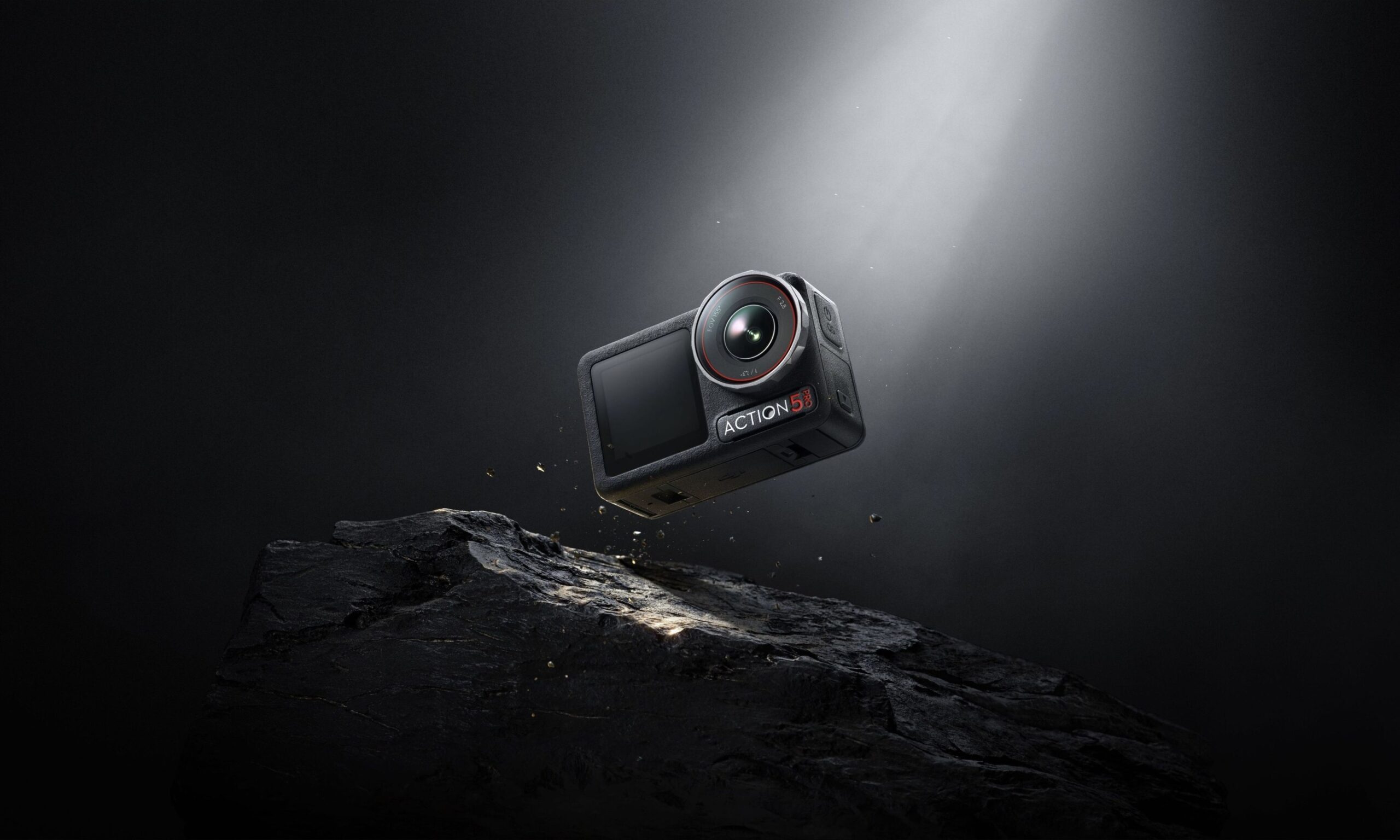
DJI Raises the Bar in Action Cameras with the Osmo Action 5 Pro
DJI Advances Action Camera Industry with Osmo Action 5.
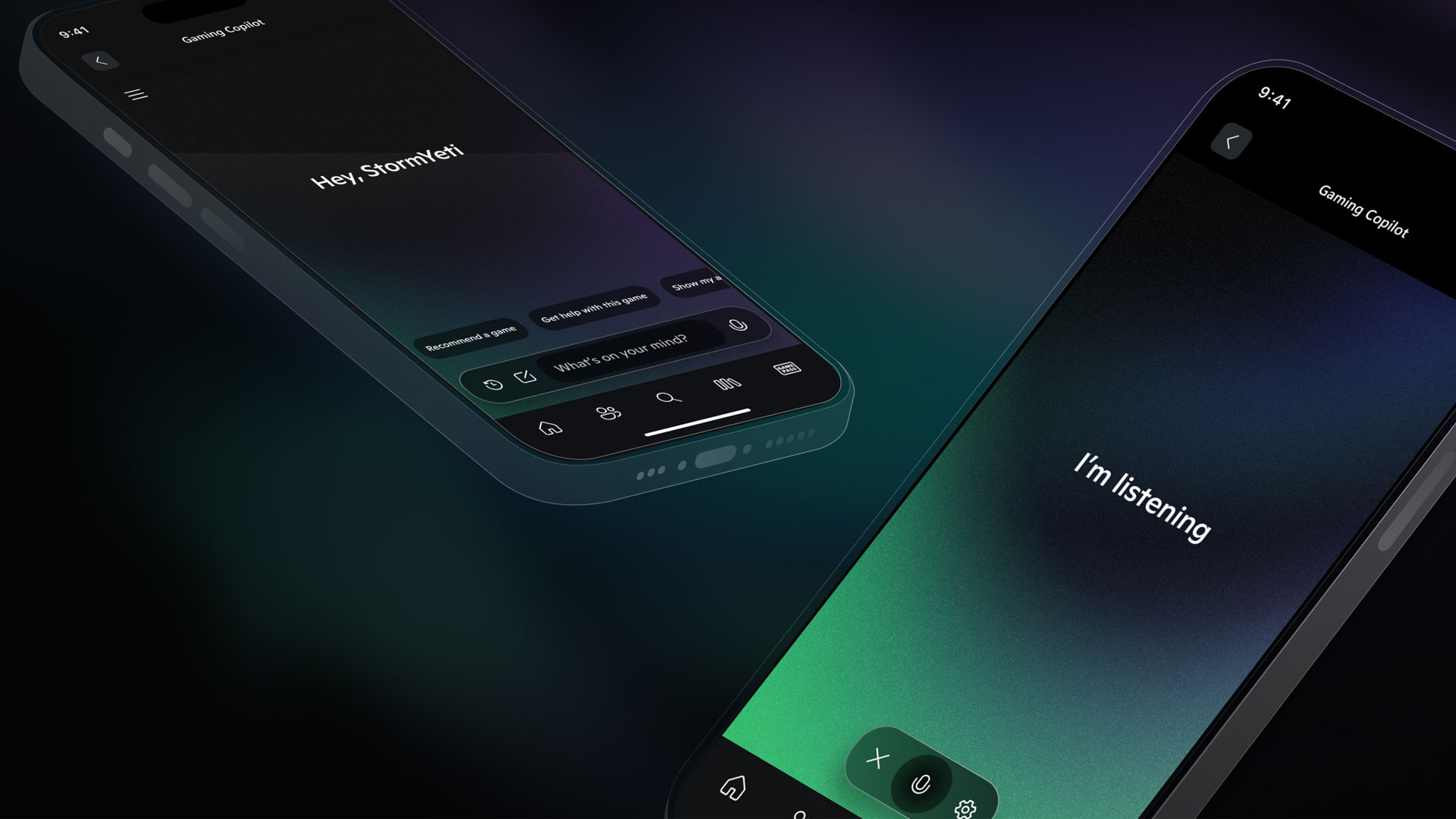
Xbox’s Copilot for Gaming Beta Redefines In-Game Assistance for Mobile Players
Game Smarter, Not Harder