

LEGO Smart Play Debuts at CES 2026 as a Subtle Rethink of Interactive Toys
By Brian k. Neal
For decades, LEGO has thrived by doing something deceptively difficult: resisting the urge to overcomplicate play. As toys raced toward screens, apps, and constant connectivity, LEGO doubled down on the enduring power of the brick. Now, with the announcement of LEGO Smart Play, the company is making its most ambitious pivot yet—not away from physical play, but deeper into it.
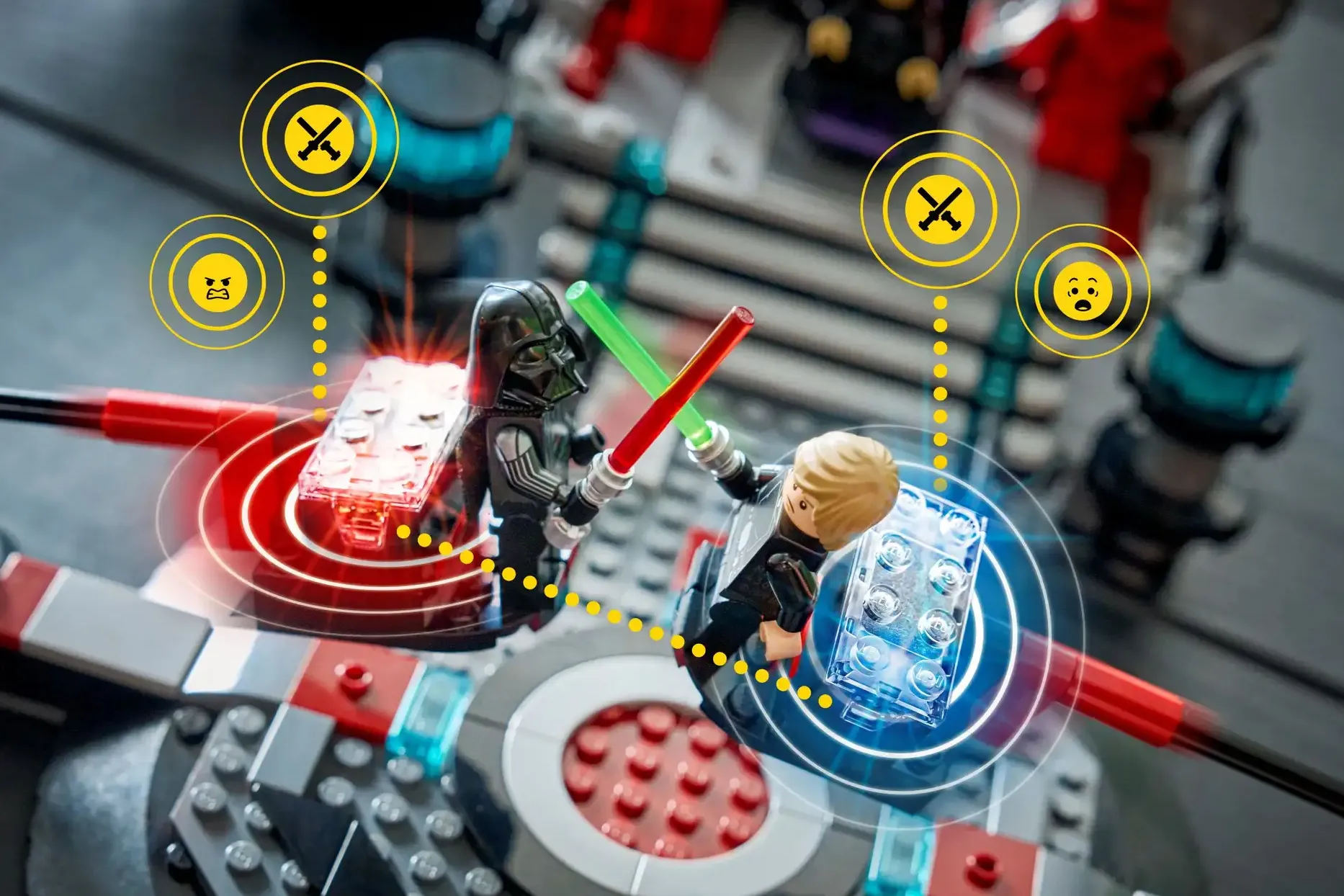
Unveiled at CES 2026, LEGO Smart Play is positioned as a next-generation play platform that brings sound, light, and responsive behavior into builds without relying on screens or phones. Rather than becoming another app-driven ecosystem, Smart Play introduces discreet, sensor-equipped bricks designed to react to motion, proximity, and specific LEGO elements. The concept is subtle by design: technology that disappears into the experience instead of dominating it.
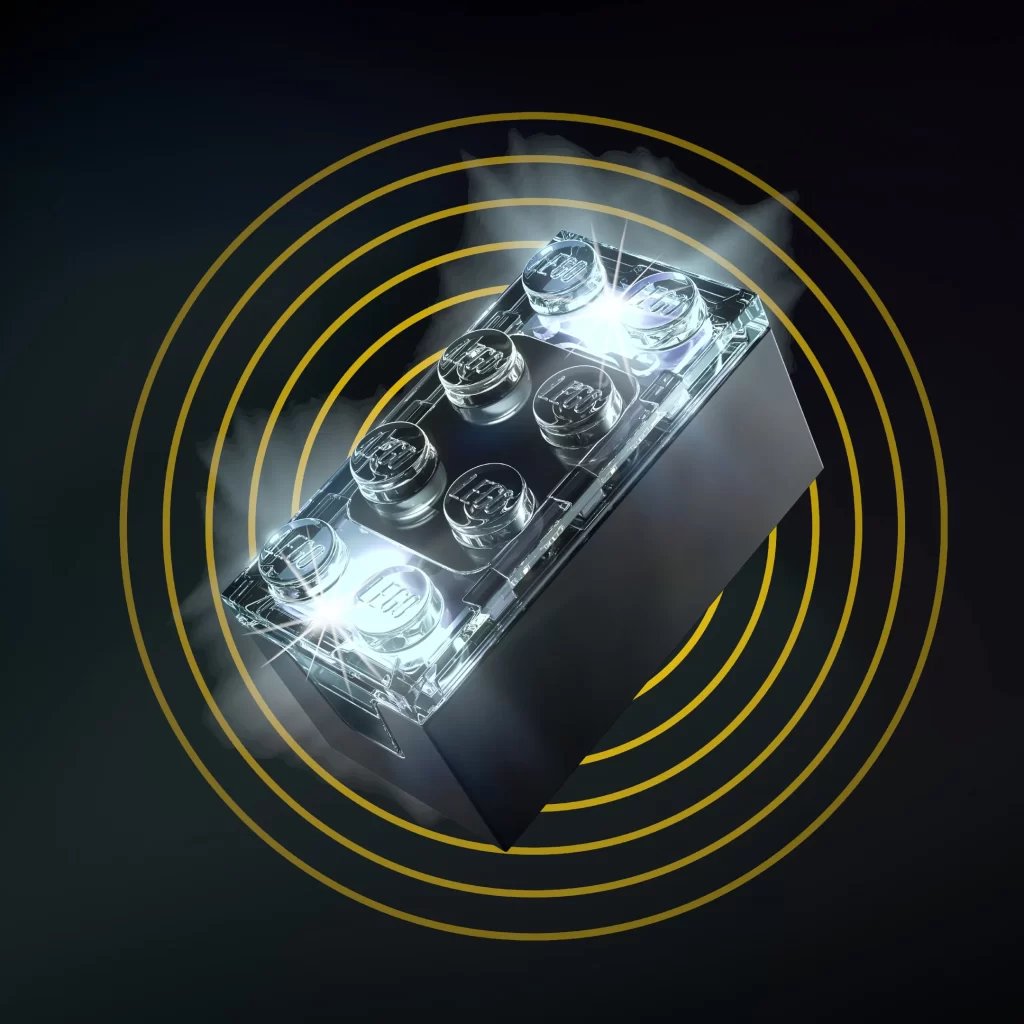
At the heart of Smart Play is a small but powerful interactive brick capable of detecting movement and triggering contextual audio and light responses. When paired with specialized tiles and compatible minifigures, builds can react dynamically to how they are handled—engines rev when a vehicle lifts, ambient sounds shift with movement, and characters trigger unique effects based on placement. The emphasis isn’t on gamification or scoring systems, but on narrative flow and imaginative reinforcement.
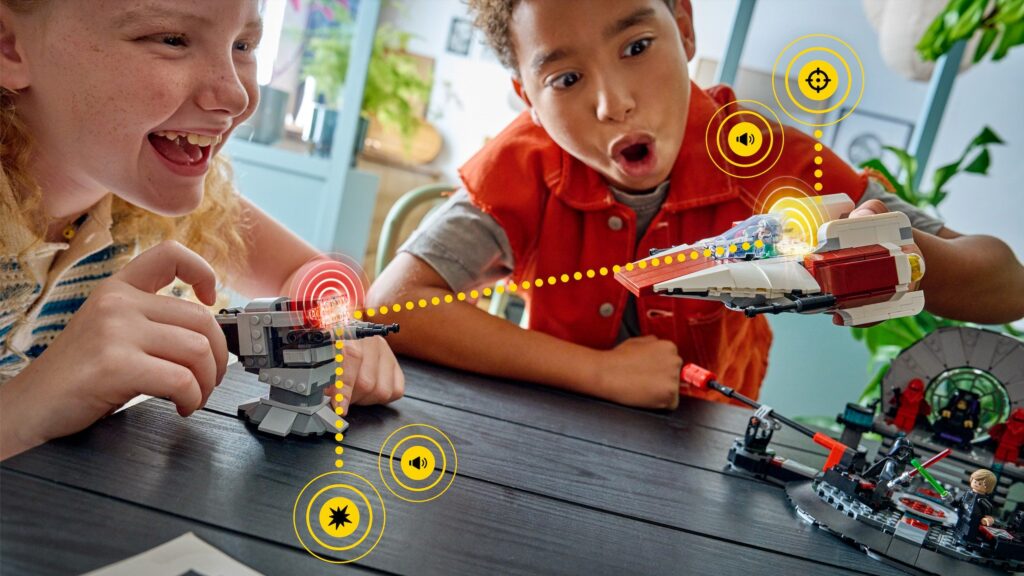
What makes Smart Play notable isn’t just the technology, but LEGO’s restraint. The system doesn’t ask builders to follow instructions through a screen or program behaviors through an app. Instead, it operates quietly in the background, enhancing play while preserving what LEGO does best: open-ended creativity. The result feels less like a “smart toy” and more like an evolution of the brick itself—one that acknowledges modern expectations without surrendering to them.
LEGO Smart Play also signals a broader shift in how the company views immersive experiences. While LEGO has explored digital hybrids before, this platform suggests a renewed commitment to screen-free interaction, particularly as parents become more discerning about how and when technology enters playtime. By embedding intelligence into physical components, LEGO is exploring a middle ground where interactivity exists without dependency.
The first wave of Smart Play sets is expected to roll out later this year, beginning with licensed themes, giving LEGO a familiar narrative framework to demonstrate the system’s potential. These early sets will likely define whether Smart Play becomes a foundational platform—much like Technic or Mindstorms once were—or remains a specialized branch within LEGO’s vast ecosystem.
For now, Smart Play exists as a promise rather than a product, but it’s a telling one. It suggests that LEGO, even after nearly a century, continues to rethink how play can feel without losing what makes it timeless. If successful, Smart Play could redefine interactive toys not by adding more screens, but by proving that the future of play may still be built brick by brick.
Related Posts

Savant, a GE Lighting Company, Unveils Cutting-Edge Full Color Smart Undercabinet Fixtures for 2024
GE Lighting, a Savant company, continues to uphold its reputation.

Bose Refreshes Ultra Open Earbuds with Four Vibrant Spring Colors
A Stylish Take on Wearable Audio with New Seasonal Hues.

Instagram Introduces Replace Audio, Letting Creators Update Music on Published Posts
A published post no longer has to keep its original soundtrack

Elden Ring: Tarnished Edition Delayed to 2026 for Nintendo Switch 2
FromSoftware Hits Pause

Gulfstream Achieves Historic Trans-Atlantic Flight Milestone Using Exclusively Sustainable Aviation Fuel
Gulfstream Aerospace Corp. has proudly announced the successful comple
Apple Podcasts Is Going Deeper Into Video as Podcasts Become Shows
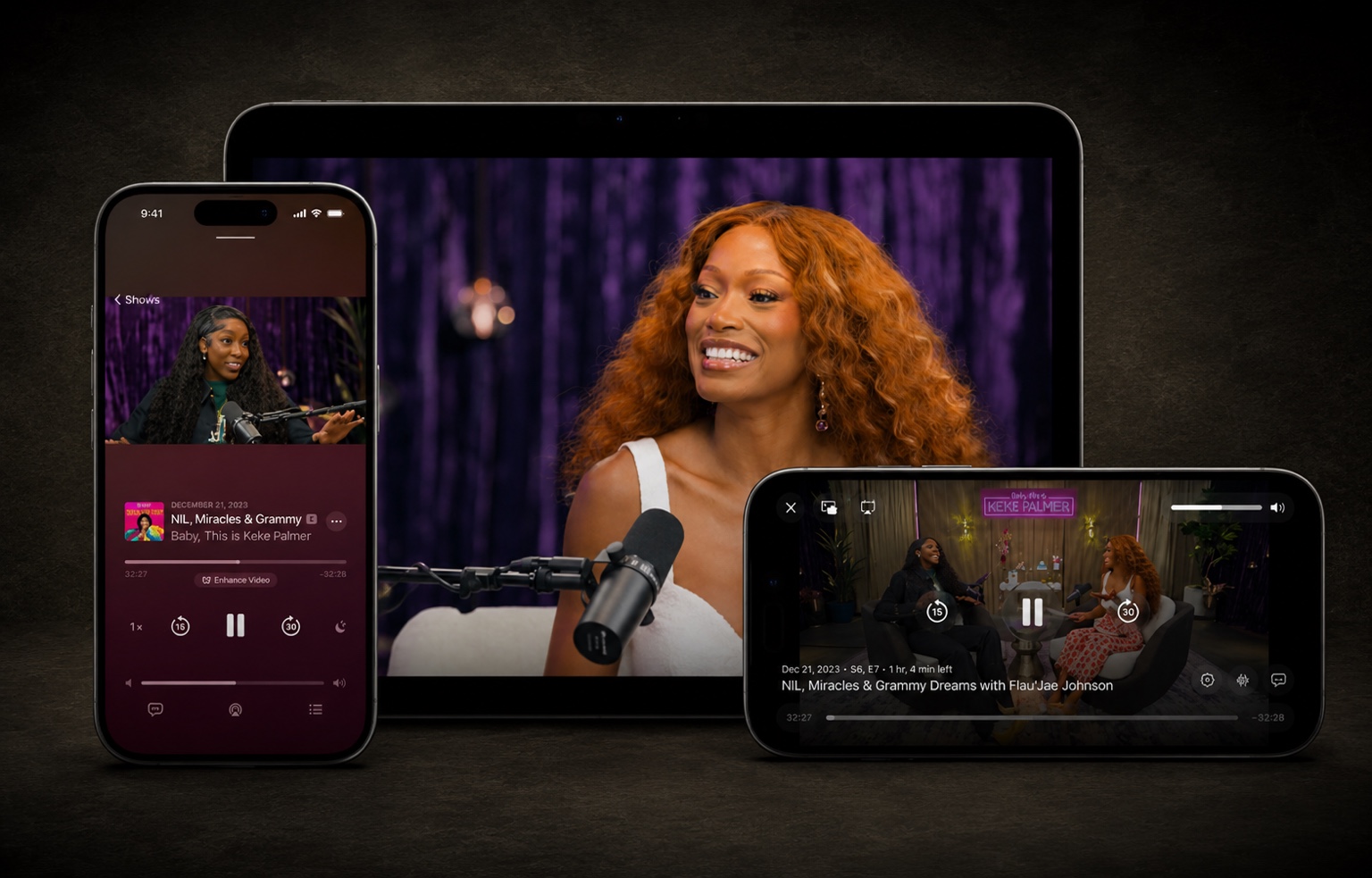
Apple is giving the modern podcast a screen