

CES 2026 Signals a Shift: Lenovo’s Qira Makes AI Invisible Contextual and Personal
By DaMarko Webster
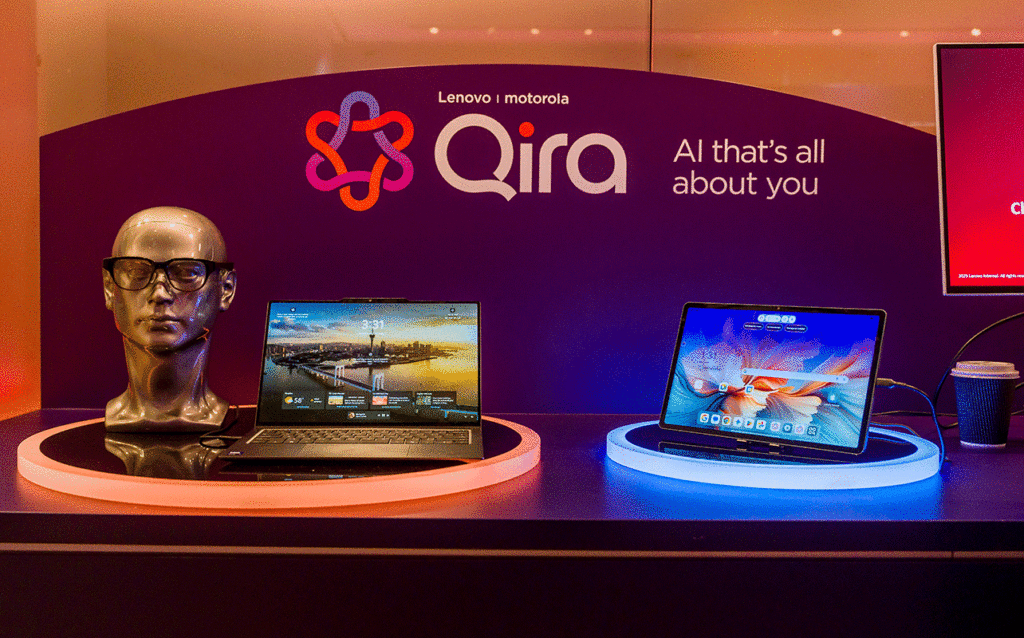
At CES 2026, Lenovo made its boldest AI statement yet—not with another chatbot or standalone app, but with a new form of intelligence designed to live quietly across everything you do. Introducing Lenovo Qira and Motorola Qira, a Personal Ambient Intelligence built directly into devices to create a more fluid, contextual, and human relationship with technology.
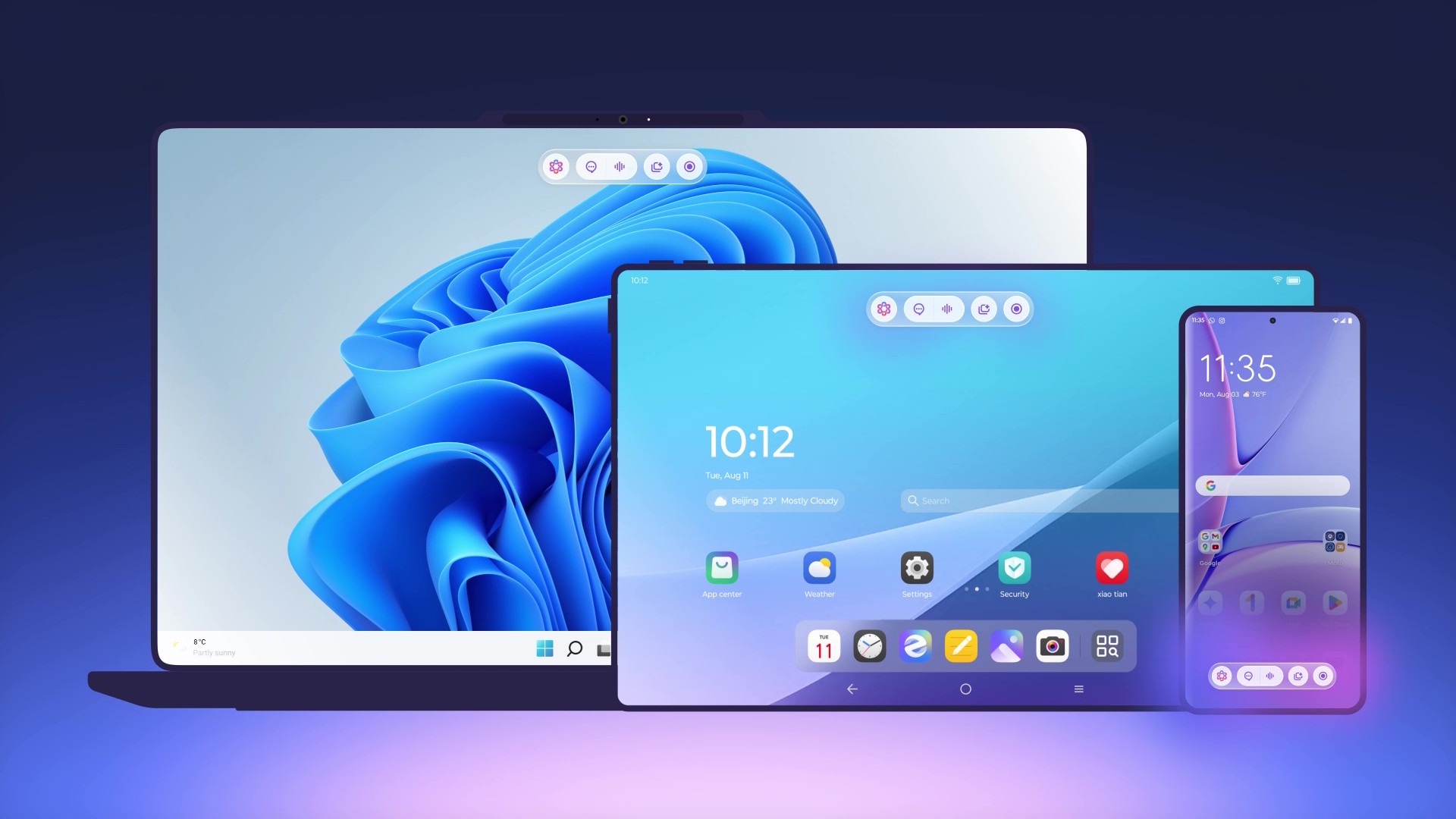
Unlike traditional assistants that require prompts, apps, or mode switching, Qira exists at the system level. It’s always present, aware of what you’re doing, and able to move seamlessly with you across PCs, tablets, smartphones, and wearables. Lenovo is positioning Qira not as a tool you summon, but as intelligence that works alongside you—learning your rhythms, understanding your intent, and quietly helping you move forward throughout the day.
“Lenovo Qira is not another assistant. It’s a new way intelligence shows up across your devices,” said Dan Dery, VP of AI Ecosystem at Lenovo’s Intelligent Devices Group. The ambition is clear: make AI feel less mechanical and more collaborative—present when needed, invisible when not.
At its core, Lenovo Qira represents a shift from app-based AI toward ambient intelligence. Instead of jumping between tools, users experience continuity. Tasks, context, and intent carry across screens and environments, with Qira acting as a connective layer rather than a destination.
That vision is built around three foundational pillars: presence, actions, and perception. Presence means Qira is deeply integrated at the system level, accessible through natural cues like voice (“Hey, Qira”), hardware keys, or a persistent on-screen interface—adapting to how each user prefers to engage. Actions allow Qira to orchestrate tasks on the user’s behalf, coordinating apps, agents, and device capabilities, even offline, without forcing people to micromanage each step. Perception brings it all together, as Qira builds a fused, consent-based understanding of the user’s world—drawing from documents, interactions, and patterns while keeping privacy at the center.
Designed around real moments rather than abstract demos, Qira introduces practical experiences that enhance flow. “Next Move” offers contextual suggestions to help users decide what to do next without breaking focus. “Write For Me” supports writing directly within emails, documents, and notes—matching tone and intent without pulling users into a separate AI workspace. Live Interaction enables multimodal collaboration during screen or camera sharing, allowing Qira to understand both what’s said and what’s shown in real time.
For users stepping away, “Catch Me Up” summarizes what changed while they were gone, helping them re-enter work or conversations instantly. “Pay Attention” supports meetings with transcription, translation, and summaries that can be revisited later—making recall effortless instead of disruptive. For deeper creative immersion, focused tools like Creator Zone allow visual creation and photo editing with fewer distractions and greater control.
Privacy remains foundational. Lenovo emphasizes a hybrid AI architecture that prioritizes on-device processing, keeping personal data local whenever possible. Secure cloud services extend capability only when needed, with transparency and user control built in from the start.
Qira is also powered by a growing ecosystem of partners that extend its intelligence without fragmenting the experience. Microsoft Azure and Windows Foundry provide trusted local-to-cloud coordination across Windows and mobile devices. Stability AI enables private, on-device image generation in Creator Zone. Notion connects user workspaces directly into context, while Perplexity adds deeper, well-sourced exploration without breaking focus. Travel planning integrations with Expedia and Vrbo further show how Qira translates intent into action.
With Qira, Lenovo isn’t just adding intelligence to devices—it’s proposing a future where intelligence moves with you, remembers what matters, and helps without getting in the way. CES 2026 may be crowded with AI announcements, but Qira stands out by asking a different question: what if intelligence didn’t demand attention, but earned trust instead?
Related Posts

Cambridge Audio Unveils Melomania P100: A New Era in Over-Ear Headphones
Cambridge Audio has announced its first venture into the over-ear head

How AI Maps Are Becoming the Visa Network of the Real World
By Brian k. Neal On any given evening in a modern city, millions of sm

Insta360 Elevates Action Photography with the New Ace Pro 2, Co-Engineered with Leica
Insta360 partners with Leica Again to Launch Ace Pro 2 Action Camera

Creation First, Amplification Second
Certification Has Reversed

Samsung’s Groundbreaking Sleep Apnea Detection Feature on Galaxy Watch Receives First FDA Approval of Its Kind
Sleep Apnea Feature on Galaxy Watch Authorized by US FDA

Tech Meets Culture: LG Partners with will.i.am to Redefine Audio with Xboom
LG ELECTRONICS AND WILL.I.AM TRANSFORMS LG XBOOM'S SOUND.